
 EN
EN
Quick Links
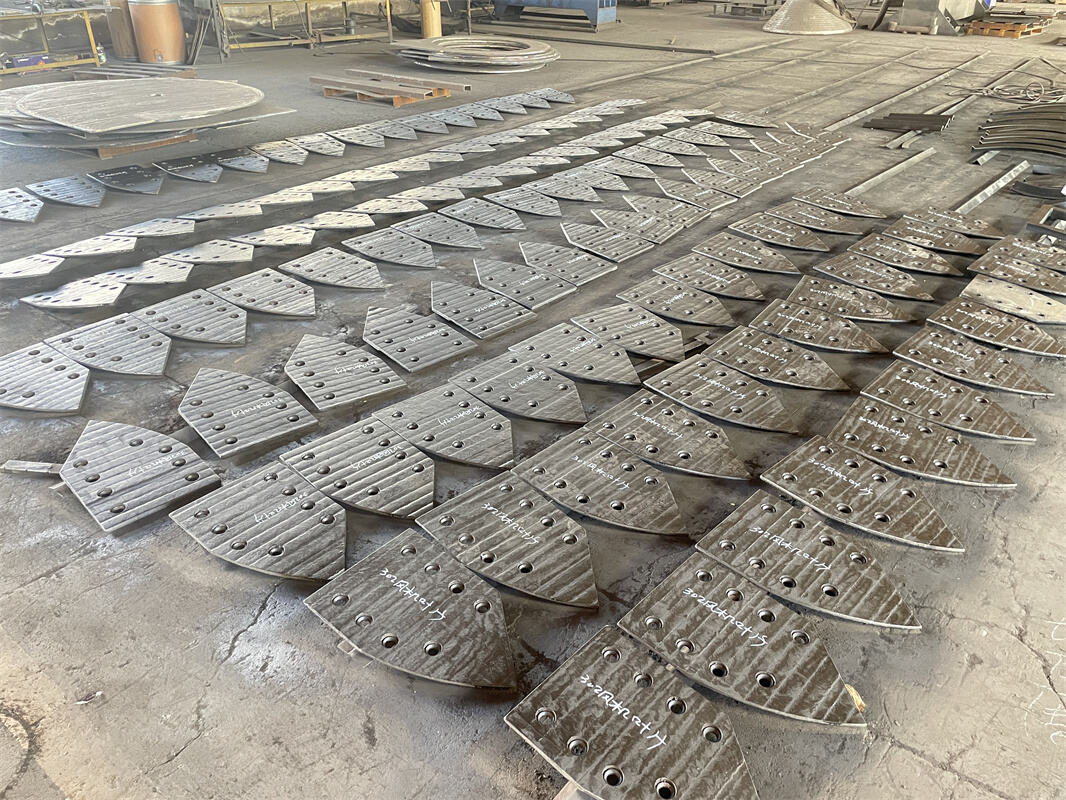
Why Chromium Carbide Wear Plates Deliver Unmatched Wear ResistanceMicrostructure and Hardness: How CrC Overlay Achieves 60–65 HRC Surface HardnessThe exceptional wear resistance of premium chromium carbide (CrC) wear plates stems from their engineere...
VIEW MORE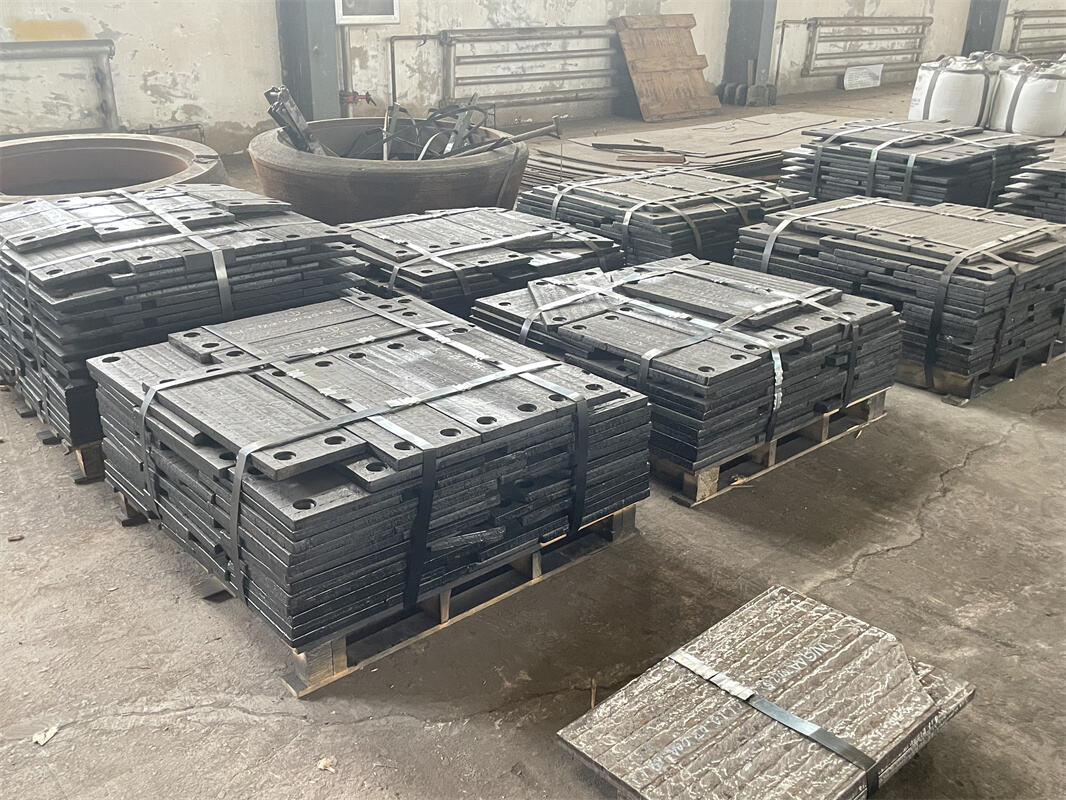
Chromium Carbide Wear Plate Fabrication Methods and Material Science Fundamentals Alloy Design Principles: Balancing Chromium Carbide Volume Fraction, Matrix Toughness, and Interfacial Bond Strength A successful chromium carbide wear plate hinges o...
VIEW MORE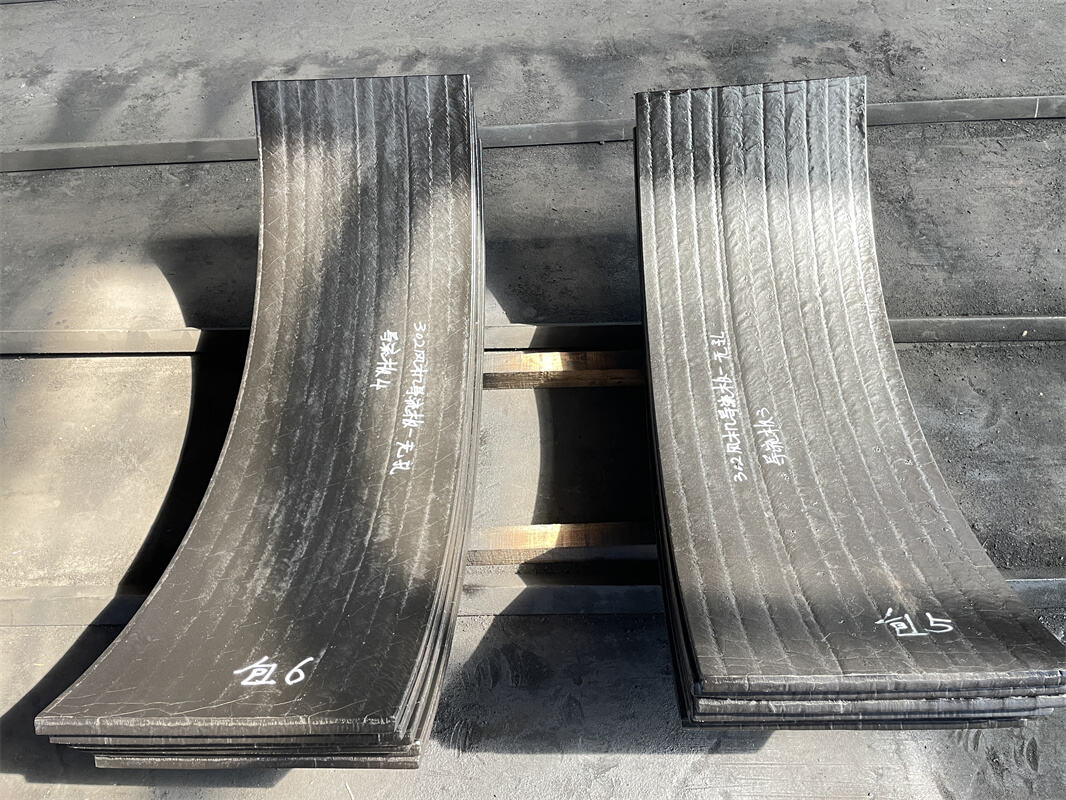
Unmatched Abrasion Resistance: How Chromium Carbide Overlay Extends Liner Life The Metallurgical Edge: HRC 60–65 Hardness and Stable Carbide Microstructure Chromium carbide overlay delivers unparalleled abrasion resistance through its unique ...
VIEW MORE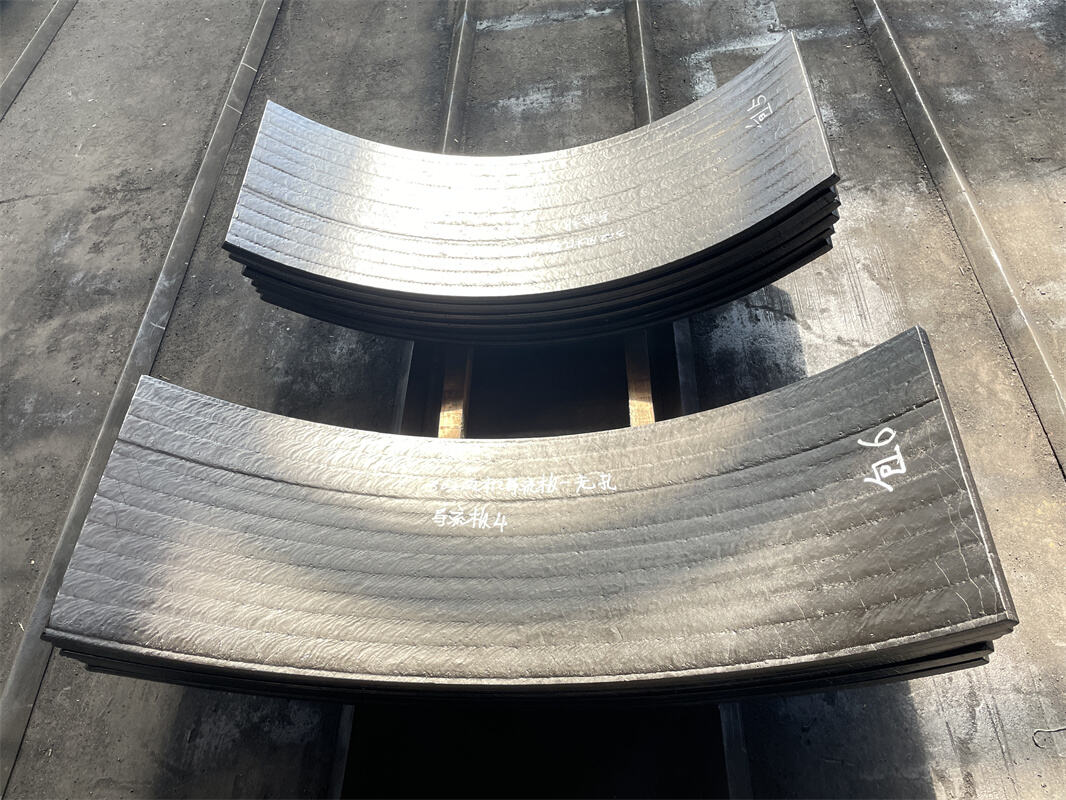
What Is Chromium Carbide Overlay and How Is It Manufactured?Definition, Purpose, and Core Applications in Heavy IndustryChromium carbide overlay (CCO) is a wear-resistant composite material consisting of a carbon steel substrate fused with a surface ...
VIEW MORE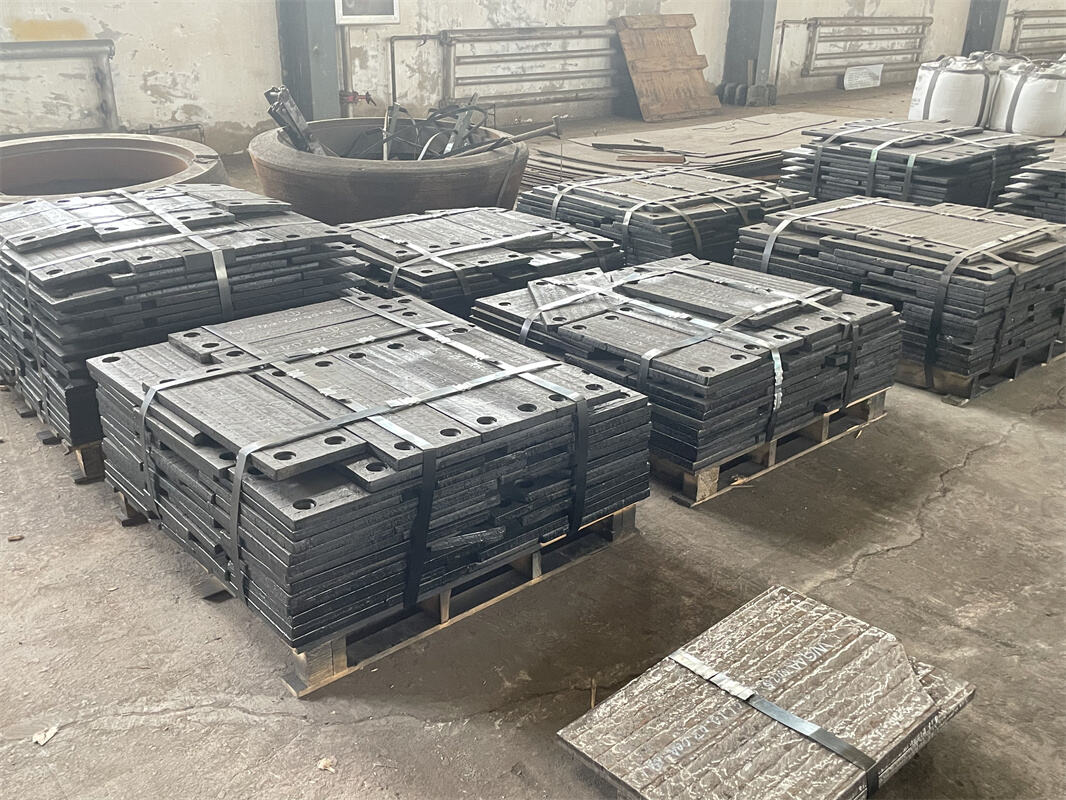
Chrome Carbide Plate Composition and Manufacturing ProcessWhy Chromium Carbide Hardness (HRC 60–70) Is Critical for Wear ResistanceChrome carbide plate performance hinges on surface hardness—measured on the Rockwell C scale (HRC)—with optimal wear re...
VIEW MORE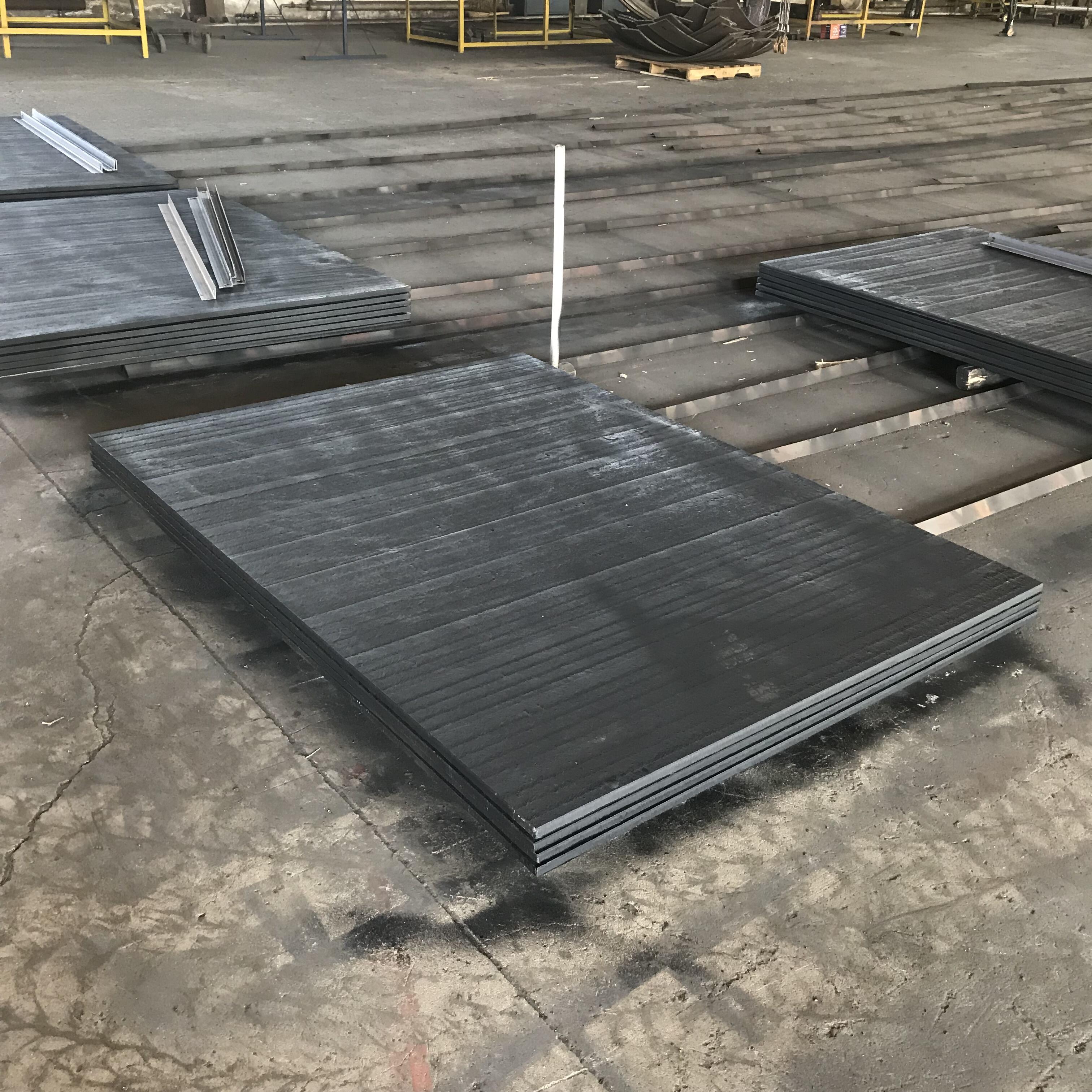
Why Chrome Carbide Plate Delivers Superior Wear Resistance Hardness and Microstructure: Chromium Carbides as the Core Wear-Resistant Phase Chrome carbide plate achieves exceptional wear resistance through its engineered microstructure. During manuf...
VIEW MORE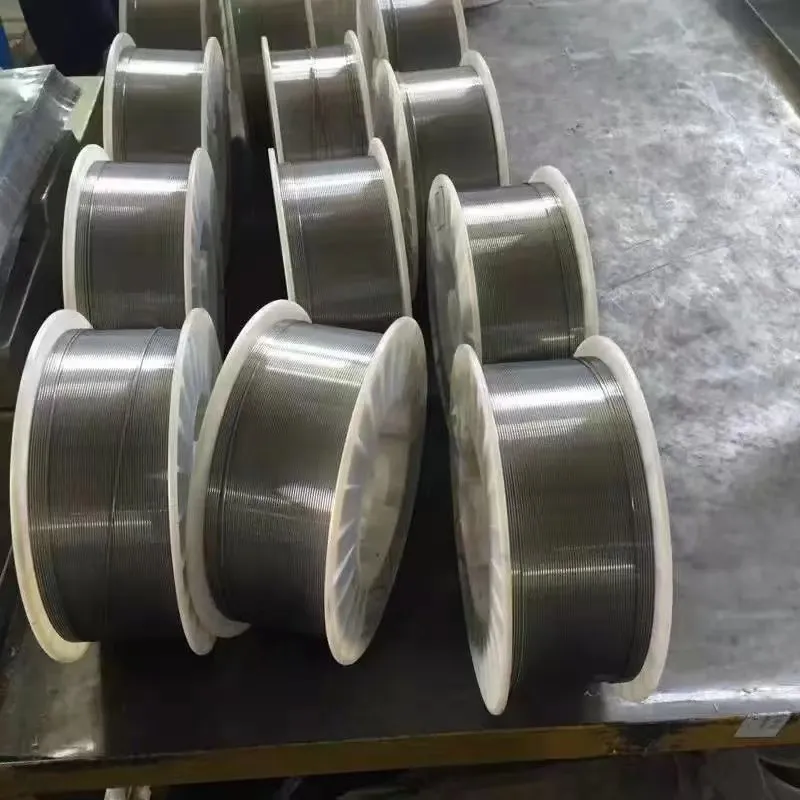
Inconsistent Bead Geometry and Surface FinishHow excessive dilution from traditional welding electrode degrades contour control and increases post-weld reworkWhen a conventional welding electrode deposits metal onto a hardfacing surface, excessive di...
VIEW MORE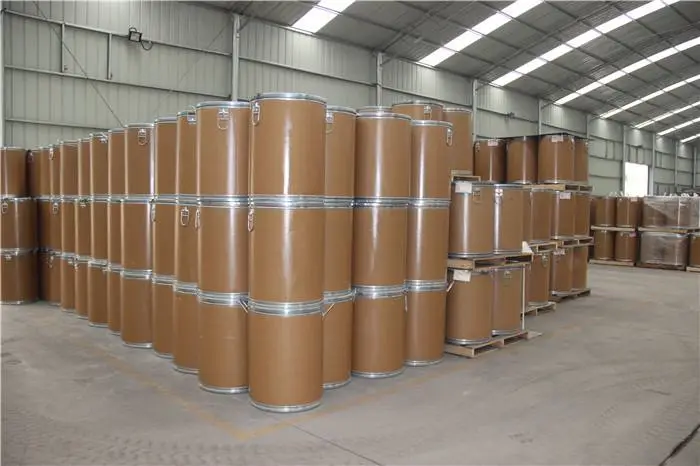
Deposition Efficiency and Process Speed FCAW Wire vs. SMAW Welding Electrode: Deposition Rate and Arc-On Time Comparison When choosing between hardfacing methods, deposition efficiency and process speed are critical. Flux-cored arc welding (FCAW) w...
VIEW MORE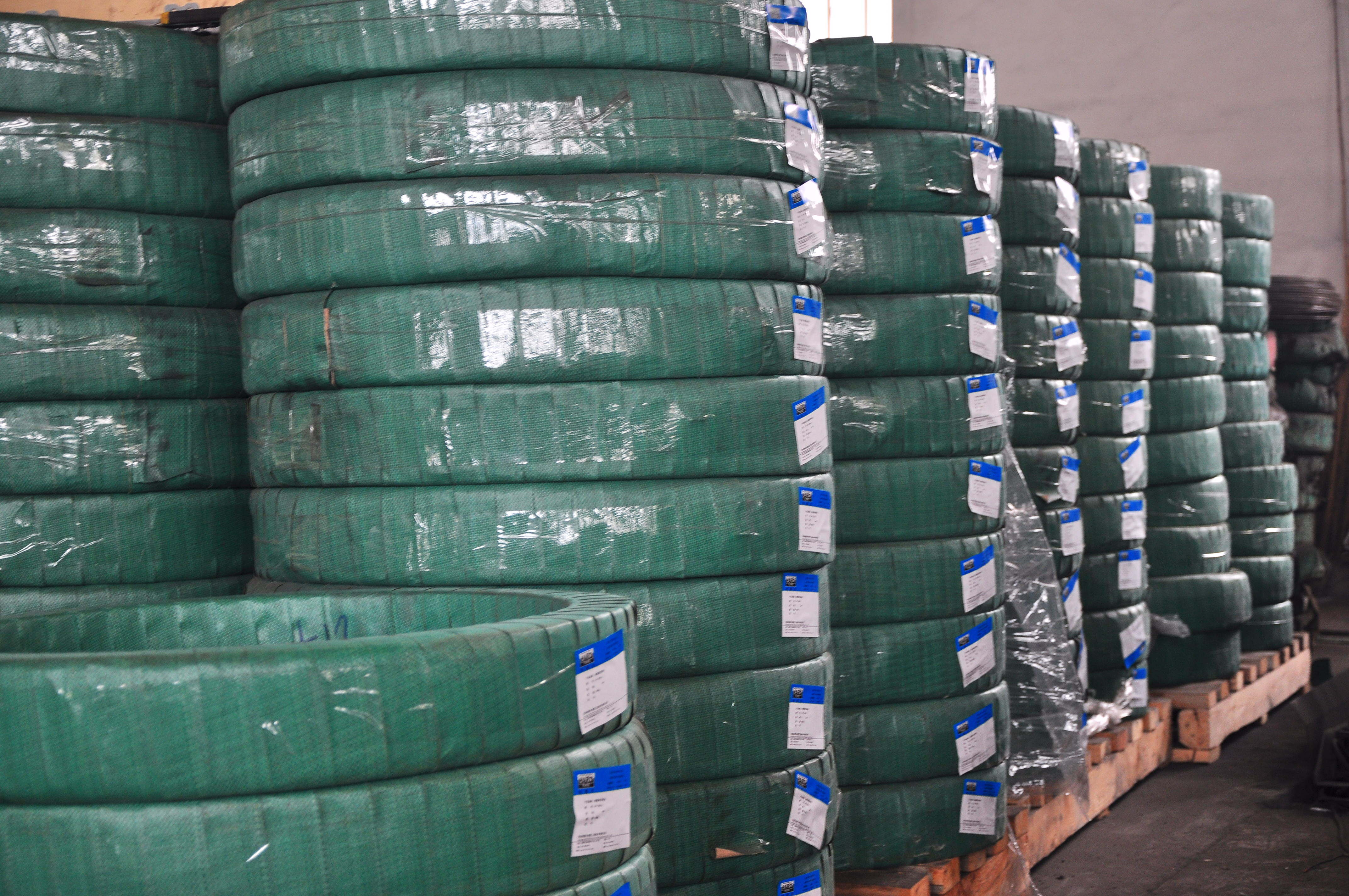
Why Hardfacing Welding Wire Is Essential for Cement and Mining Equipment Longevity Extreme Abrasion and Impact Wear in Rotary Kilns, Crushers, and Mill Liners Equipment in cement plants and mines faces relentless degradation. Rotary kilns endure ma...
VIEW MORE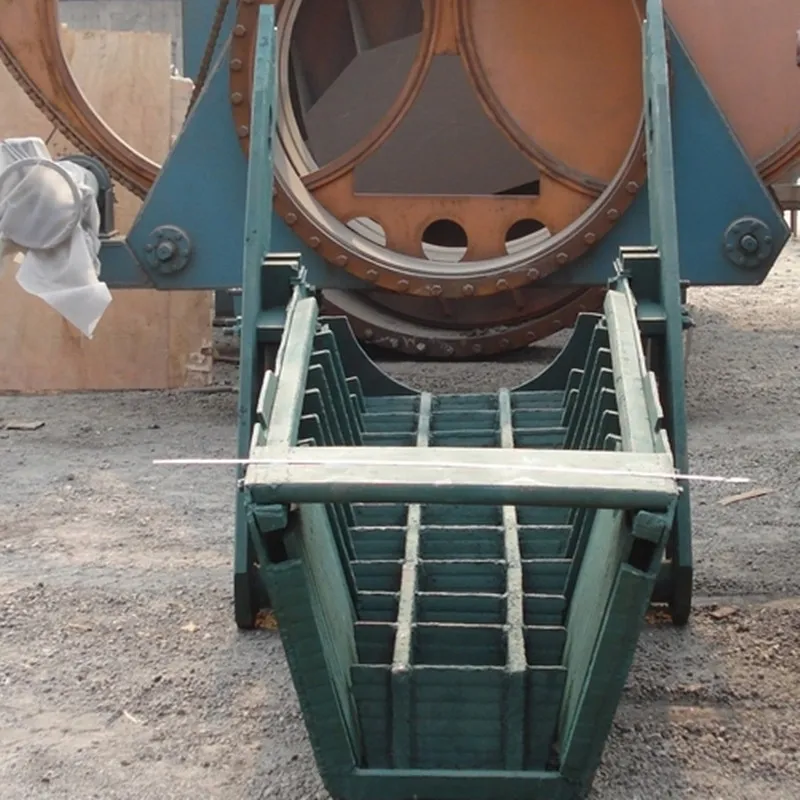
Why Abrasion Resistance Depends on More Than Hardness The 40% wear reality: How abrasion dominates failure—and why HV alone fails to predict field performance Abrasive wear causes roughly 40% of all premature component failures in heavy indus...
VIEW MORE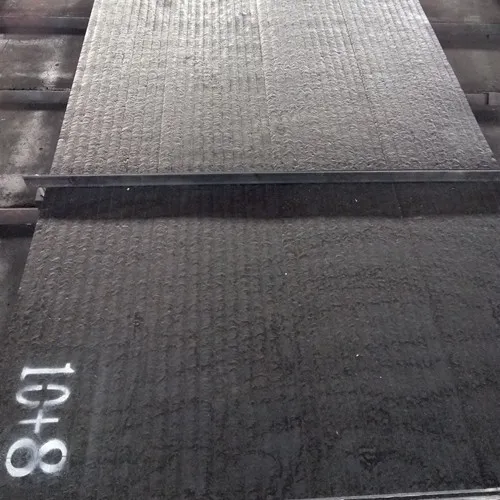
What Makes Abrasion Resistant Steel Plate Exceptionally Durable? Hardness Grading (AR400, AR450, AR500) and Microstructural Foundations of Wear Resistance Abrasion resistant steel plates get their amazing durability from controlled quenching and te...
VIEW MORE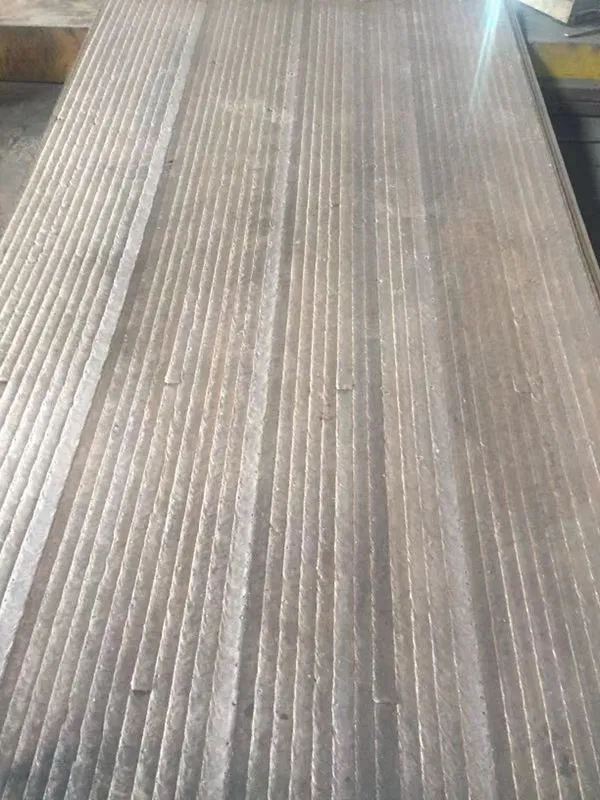
Why Abrasion Resistant Plate Is Essential for Mining Equipment Durability The Wear Challenge: High-velocity, high-impact ore handling accelerates component failure The harsh conditions in mining operations really take a toll on equipment. High spee...
VIEW MORE
Copyright © Shenyang Hard Welding Surface Engineering Co., ltd. - Privacy policy