
 EN
EN
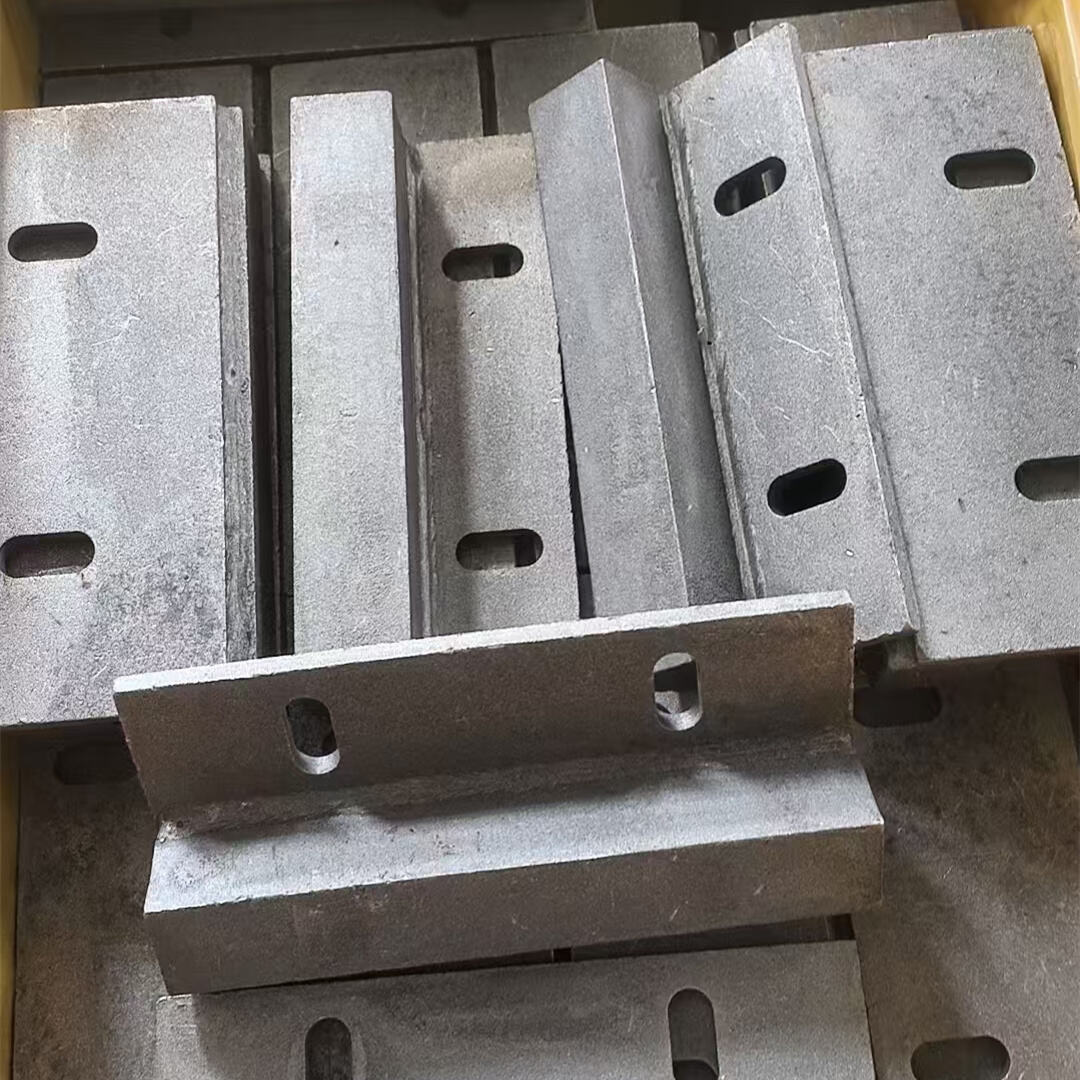
Why Grinding Mill Rollers Demand Hardfacing Overlay
Wear Mechanisms in High-Pressure Grinding: Abrasion, Impact, and Fatigue
Mill rollers for grinding face some pretty harsh operating conditions abrasive minerals, pressures over 1000 psi, plus all that repeated loading and unloading. Three main types of wear happen at once here. First, abrasion just wears away the surface layer. Then there's impact damage that creates tiny cracks beneath the surface. And finally we get metal fatigue starting those deep fractures inside the material. All these factors combined cut down on how long rollers last before needing replacement. In cement production and mining operations, standard rollers typically only make it through 40 to 60 percent of what protected ones would manage. When wear isn't controlled properly, things start going wrong fast. Rotors become unbalanced, bearings get overloaded, and whole systems break down one after another. Plants dealing with this kind of failure lose around seven hundred forty thousand dollars every year because of downtime according to recent studies from Ponemon Institute back in 2023.
How Hardfacing Overlay Forms a Metallurgically Bonded, Carbide-Rich Wear Layer
Hardfacing overlay helps fight against wear and tear by applying tungsten carbide alloys right onto the roller surfaces in a controlled way. What makes this different from regular thermal spray coatings? Well, it actually forms a strong metallurgical bond using precise welding methods instead of just sticking something on top. The end result looks like a special composite material where really hard tungsten carbide particles (we're talking up to around 1500 HV hardness here) get mixed into a tougher, more flexible base material. This combination works wonders for absorbing most of the surface wear, about 80 to 90 percent actually, and stops cracks from spreading down into the main metal body. Real world data from major mining operations shows some impressive results too. They've seen service life extended three times longer, and many rollers can go through four or five rehardfacing treatments before needing a complete replacement. When all is said and done, these improvements cut processing costs per ton by roughly 60 to 75% across the entire lifespan of the roller equipment.
Hardfacing Overlay Lifecycle Savings: Cutting Maintenance Costs by 60–75%
Per-Ton Cost Reduction vs. OEM Replacement (Cement & Mining Benchmarks)
The cost savings from hardfacing overlay can be really impressive when looking at cement and mining operations. We're talking about cutting down on processing costs by anywhere between 40 to 60 percent compared to just buying new OEM parts all the time. Why? Because these special carbide layers actually stick to the rollers through a bonding process that stands up much better against wear and tear. Rollers last three times longer, sometimes even five times longer than normal. Take a mine that handles around 10,000 tons each day as an example. They end up saving roughly $740,000 every year simply because they don't have to replace components so often anymore according to recent benchmarks in ore processing. And there's another benefit too. The base metal underneath isn't thrown away after one use. Most plants find they can apply new overlays four or five times before finally needing to scrap the component entirely. That means no need for expensive full replacements quite as frequently.
Total Cost of Ownership: Factoring Labor, Downtime, Material Recyclability, and Rehardfacing Cycles
True ROI emerges when evaluating four operational cost drivers:
| Cost Factor | OEM Replacement | Hardfacing Overlay | Reduction |
|---|---|---|---|
| Labor Hours | 120–150 | 40–60 | 67% |
| Production Downtime | 5–7 days | 8–12 hours | >90% |
| Material Utilization | 30% scrap rate | 95% recyclability | 65% |
| Lifespan Cycles | 1 | 4–6 | 300%+ |
- Labor/Downtime Synergy: In-situ application eliminates roller removal, transport, and offsite machining—cutting technician requirements by 70%.
- Material Economics: Reusing the base roller delivers 60–75% savings versus purchasing new alloy components.
- Lifecycle Leverage: Each reapplication restores 95% of original performance at just 35% of the cost of full replacement.
Minimizing Production Downtime with In-Situ Hardfacing Overlay
On-Mill Application Eliminates Roller Removal, Transport, and Offsite Turnaround
Replacing traditional rollers is a major headache for plant managers. The whole process requires taking everything apart, using cranes to pull out the old ones, shipping them off site, then waiting weeks while they get machined and checked for quality standards. Typically, each roller change costs around 5 to 7 days of lost production time. But there's another way that skips all that hassle. With in-situ hardfacing, technicians simply coat the existing rollers right where they sit on the mill frame during regular maintenance periods. No need to remove anything from the factory floor or deal with complicated logistics chains. Real world testing shows this method cuts downtime by roughly 80 to 90 percent compared to complete replacements. Production can often restart within just a few hours rather than waiting through multiple workweeks. Beyond saving time, this technique also keeps money in the budget by avoiding those sneaky extra costs associated with transporting parts, renting storage facilities, or paying premium rates for rush deliveries when things go wrong.
Strategic Implementation: When Hardfacing Overlay Delivers Maximum ROI
Optimal Timing: Rehardfacing at 30–40% Thickness Loss vs. End-of-Life Replacement
Doing rehardfacing when there's about 30 to 40 percent thickness remaining instead of waiting till the end of life actually gives better value for money and keeps structures intact longer. If companies wait too long until serious wear happens, surfaces tend to break down faster, the grinding pressure gets distributed unevenly across the area, and there's much higher chance something will fail completely. Getting ahead of the problem means equipment lasts through two or even three more applications before needing replacement, which cuts down on processing costs per ton by roughly 18 to 22 percent according to industry standards for cement operations. Plus, avoiding those last-minute replacements saves big bucks since trying to get parts quickly and dealing with unexpected shutdowns often ends up costing three times what regular maintenance would have been.
Risk Mitigation: Vibration Control, Post-Weld Stress Relief, and Quality Assurance Protocols
Reliable hardfacing performance depends on three rigorously applied safeguards:
- Vibration dampening systems, maintaining ≤0.5 mm deposition accuracy during in-situ welding
- Post-weld heat treatment at 550–600°C to relieve residual stresses and prevent micro-cracking
- Ultrasonic thickness testing, validated against ISO 17637 standards to ensure uniform overlay coverage
Facilities implementing this integrated protocol achieve >95% overlay retention through full wear cycles and cut roller-related unplanned downtime by 70%, while lowering total ownership costs by 60% versus ad-hoc rehardfacing practices.
FAQs
What is hardfacing overlay?
Hardfacing overlay involves applying tungsten carbide alloys onto roller surfaces to combat wear and tear, forming a strong, durable metallurgical bond that extends the life of rollers in grinding operations.
How does hardfacing overlay extend roller life?
Hardfacing overlay extends the life of rollers by forming a carbide-rich layer that absorbs wear and prevents crack propagation into the roller's base metal, allowing for multiple rehardfacing cycles.
What cost benefits does hardfacing overlay offer?
Hardfacing overlay reduces maintenance costs by 60–75% compared to OEM part replacements due to longer-lasting rollers and fewer replacements, significantly cutting downtime and labor costs.
How is hardfacing overlay economically advantageous?
The in-situ application reduces roller removal and transport costs, enhances roller recyclability, and maximizes the number of rehardfacing cycles, all contributing to significant cost savings over new parts.