
 EN
EN
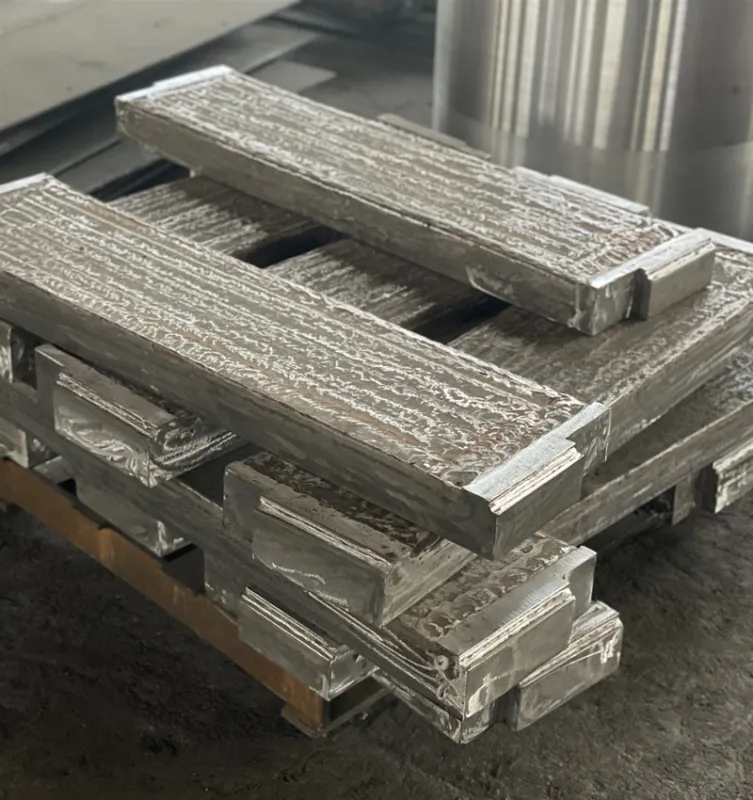
What Is Hardfacing Overlay and Why It Matters for Industrial Durability
Hardfacing overlay works as a specialized technique in surface engineering where wear resistant alloys like chromium carbide or cobalt based materials get applied onto important machine parts. This method fights against various forms of damage including abrasion, impact forces, corrosion effects, plus the challenges posed by very high temperatures. Instead of throwing away whole components when they start showing signs of wear, technicians can restore these surfaces through hardfacing. The result? Equipment tends to last about two to three times longer than normal, cutting down on those frustrating unexpected breakdowns that disrupt production schedules across manufacturing facilities.
The bottom line for industrial operations is all about staying operational. When equipment breaks down unexpectedly, manufacturers are looking at losses around $260k an hour according to Aberdeen Group research from last year. That's why hardfacing overlay has become such a game changer. It typically brings maintenance costs down somewhere between 30% to 40%. More importantly, it stops those expensive breakdowns we see in tough industries like mining where machines get pushed to their limits day after day. Power plants also benefit greatly since they can't afford extended shutdowns. What makes this technology really work is how well specific alloys stand up against different types of wear that actually happen on factory floors rather than just what looks good on paper specs.
Core Hardfacing Overlay Processes: Welding, Thermal Spraying, and Laser Cladding
Arc Welding-Based Hardfacing (SMAW, SAW, GMAW)
Arc welding remains by far the go to method for hardfacing work because it's versatile enough for almost any job site, accessible to most shops, and doesn't break the bank compared to other options. When someone needs to fix something out in the field, SMAW sticks are what they grab since these rods don't need fancy gear just a basic welder and some electrodes. For bigger projects involving flat surfaces like those massive drum rollers found in mining operations or the heavy duty mill rolls used in steel production, submerged arc welding really shines with its fast metal laying capabilities. GMAW has become increasingly popular too, especially when dealing with intricate shapes or delicate materials where precision matters most. The downside across all these arc methods though? They form solid bonds between metals but come with challenges around heat control. Too much heat can warp things, cause cracks to form, or mix too much base material into the weld which weakens the carbides we're trying to protect.
Thermal Spray Techniques (HVOF, Plasma, Flame)
Thermal spray techniques coat surfaces with wear-resistant materials while keeping the base metal intact, which means the original dimensions stay pretty much the same and the microscopic structure remains undisturbed. Take High-Velocity Oxy-Fuel (HVOF) for instance. This method shoots powdered material at incredibly fast speeds, almost like bullets, creating really dense coatings that stick well to surfaces. These coatings typically have bond strengths above 70 MPa and show less than 2% porosity, which makes them great for parts that get worn down over time such as turbine blades in power plants or seals inside industrial pumps. Then there's plasma spraying where superheated gas jets, sometimes hitting around 16,000 degrees Celsius, melt tough ceramics and metals so they can be applied as protective layers. Materials like alumina or chromium oxide work particularly well this way. For those needing something more affordable and easier to transport, flame spraying offers a good alternative when doing repairs right on location. What's interesting about all these methods is how they keep the temperature of whatever part they're coating below about 200 degrees Celsius. That low heat means even sensitive components won't get damaged during the process, opening up possibilities for applications across various industries.
Laser Cladding for Precision Hardfacing Overlay
When it comes to hardfacing techniques, laser cladding stands out as the most precise option available today. The process works by directing concentrated laser energy while feeding metal powder or wire material at just the right moment. This creates very narrow melt areas measuring less than 1 mm across, with almost no mixing between materials (less than 5% dilution). As a result, important wear resistant materials such as tungsten carbide stay intact during processing. What makes this technique so effective is how fast everything cools down after melting. Solidification happens incredibly quickly, somewhere between 1,000 to 1 million Kelvin per second. This rapid cooling leads to much finer grain structures throughout the deposited material, making parts last about three times longer than those treated with thermal spray methods. Another big advantage lies in minimal heat damage zones that typically stay below half a millimeter deep. For manufacturers working on tight tolerance parts like valve seats or hydraulic pistons where every fraction of a millimeter counts, this matters a lot. Plus, since the whole operation can be fully automated and programmed into robots, dimensional accuracy stays within plus or minus 0.1 mm even when dealing with complicated shapes and contours.
Material Selection for Hardfacing Overlay: Matching Alloy to Wear Mechanism
Abrasion-Resistant Alloys (e.g., Chromium Carbide, Tungsten Carbide)
Chromium carbide coatings perform exceptionally well in areas where there's lots of sliding abrasion, particularly in equipment parts like crusher liners, conveyor idlers, and mill hammers that get damaged by hard particles scraping across their surfaces. What makes these coatings stand out is their network of interconnected carbides that fight against cutting wear. Industry data suggests they can last anywhere from double to quadruple what standard materials manage when dealing with silica rich materials during processes like iron ore extraction or granite crushing operations. Tungsten carbide takes things further still with its superior hardness and ability to withstand abrasion, which is why many operators turn to it for truly harsh conditions such as aggregate crushing plants or slurry pumps. But here's the catch: both types of carbide have a weakness for brittleness. When put under heavy impact stress situations like hammer mill components or bucket teeth constantly taking hits, these materials tend to crack and flake off over time rather than hold up as expected.
Impact- and Heat-Resistant Options (e.g., Cobalt-Based Stellites, Nickel Aluminides)
Stellite alloys made from cobalt are known for their impressive hardness levels ranging from 40 to 55 HRC, can handle temperatures as high as 982 degrees Celsius (or 1800 Fahrenheit), and stand up remarkably well against thermal fatigue and galling issues. These characteristics make them essential materials for components like turbine blades, valve seats, and hot forging dies that need to perform reliably under extreme conditions. On the other hand, nickel aluminides show outstanding resistance to both oxidation and sulfidation when exposed to harsh chemical environments at high temperatures. This becomes particularly important in situations involving chloride or sulfur compounds that tend to speed up material degradation processes. What's interesting is how both types of materials maintain good ductility and resist microcracks even when subjected to repeated stress cycles. This property makes them ideal choices for downhole drilling tools working under immense pressure often exceeding 50,000 pounds per square inch. When there are sudden changes in load direction, these materials hold up better than many alternatives that might crack or fail unexpectedly.
Real-World Applications and ROI of Hardfacing Overlay Across Key Industries
Mining & Aggregates: Crusher Components and Bucket Teeth
Abrasive wear is actually the biggest problem causing equipment failures in mining operations. When bucket teeth and crusher liners are coated with tungsten carbide through hardfacing techniques, they can handle the constant pounding from breaking rocks much better. This treatment cuts down how often these parts need replacing by somewhere between 40 and 60 percent according to field data. Many iron ore companies have seen their maintenance schedules stretch out by around 25% when they get the right balance of coating thickness, material composition, and application technique just right. The bottom line? Less money spent on labor costs, fewer spare parts sitting in warehouses, and significantly less time lost during production stoppages. Hardfacing works because it fixes worn surfaces instead of throwing away whole components, which means mining fleets stay operational longer without those costly extended shutdown periods that disrupt production schedules.
Power Generation & Oil & Gas: Valves, Rotors, and Downhole Tools
The industrial sector deals with multiple simultaneous wear problems across different equipment types. Steam turbines suffer from erosion-corrosion effects, refinery valves contend with sulfidation damage, and gas turbine rotors experience thermal fatigue issues. Nickel-cobalt overlay coatings have proven effective against all these challenges, maintaining operational integrity even at temperatures exceeding 500 degrees Fahrenheit while standing up to harsh sulfur and chloride compounds. Field data shows operators who implement engineered hardfacing solutions typically see around 30 percent savings in overall maintenance costs over a three year period compared to standard replacement methods. What makes this particularly valuable is the prevention of unexpected downtime. Consider what happens when a baseload power facility goes offline unexpectedly - according to recent research from the Ponemon Institute, each day lost represents roughly $740,000 in potential earnings for such plants.
Best Practices and Common Pitfalls in Hardfacing Overlay Implementation
Successful hardfacing begins with rigorous surface preparation. Abrasive blasting to SA 2.5 standard removes rust, scale, oil, and old coatings—ensuring clean, anchor-profiled substrates essential for adhesion. Skipping this step accounts for over 30% of premature overlay failures, typically manifesting as delamination or blistering in service.
Material selection must align precisely with dominant wear mechanisms—not general industry assumptions. For example, applying impact-tolerant nickel-chromium alloys to an abrasive conveyor chute invites rapid wear, while using brittle chromium carbide on high-impact excavator teeth invites cracking.
Thermal management is equally critical. Excessive heat input during welding causes distortion and microcracking; insufficient preheat in high-carbon or high-alloy steels invites hydrogen-induced cracking. Post-weld stress relief annealing typically reduces residual stresses by 40–60%, dramatically improving service life.
Non destructive testing like dye penetrant inspection DPI or ultrasonic testing UT should really be part of standard procedure for finding those hidden flaws beneath the surface. But honestly, this step gets skipped all too often when there's pressure to meet tight deadlines. And let's talk about skill level too because it makes a huge difference. Welders who have proper certification and specialize in specific processes tend to get overlays lasting around 25 percent longer compared to folks without training. These experienced professionals just know how to keep everything balanced right from travel speed to voltage settings, current levels, and managing that important interpass temperature throughout the job.
Frequently Asked Questions (FAQ)
What is hardfacing overlay?
Hardfacing overlay is a technique where wear-resistant materials are applied to surfaces to enhance their durability against abrasion, impact, and high temperatures.
What are the main benefits of using hardfacing overlay?
The main benefits include extending equipment life, reducing maintenance costs by 30% to 40%, and preventing unexpected breakdowns that disrupt industrial operations.
Which industries benefit most from hardfacing overlay techniques?
Industries like mining, power generation, and oil & gas see significant benefits as hardfacing helps in reducing equipment wear and unexpected downtimes.
What materials are typically used in hardfacing overlay?
Common materials include chromium carbide, tungsten carbide, cobalt-based stellites, and nickel aluminides, chosen based on the specific wear mechanism they need to resist.
Why is material selection crucial in hardfacing overlay?
Choosing the right material ensures that the overlay can adequately resist the dominant wear mechanisms in an environment, preventing issues like rapid wear or cracking.
Table of Contents
- What Is Hardfacing Overlay and Why It Matters for Industrial Durability
- Core Hardfacing Overlay Processes: Welding, Thermal Spraying, and Laser Cladding
- Material Selection for Hardfacing Overlay: Matching Alloy to Wear Mechanism
- Real-World Applications and ROI of Hardfacing Overlay Across Key Industries
- Best Practices and Common Pitfalls in Hardfacing Overlay Implementation
- Frequently Asked Questions (FAQ)