
 EN
EN
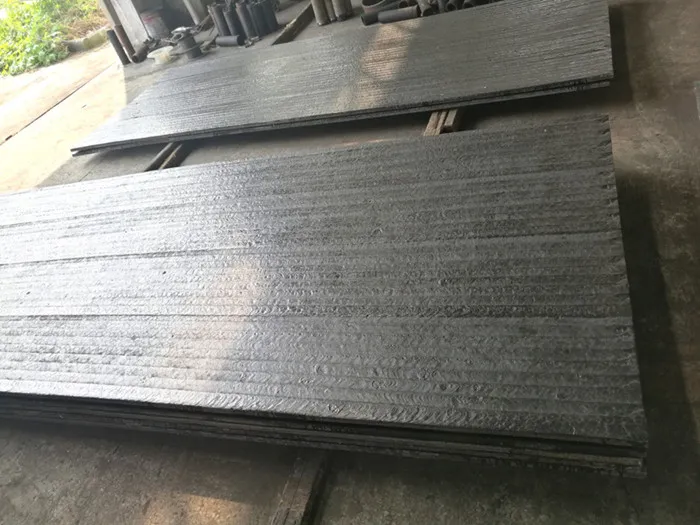
Downtime as a Critical Indicator of Suboptimal Wear Plate Selection
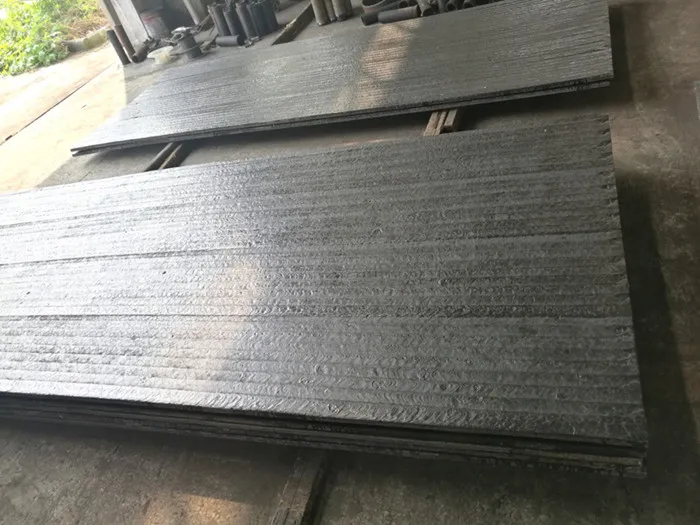
Mapping Unplanned Downtime Patterns to Early Wear Plate Degradation
The telltale sign that wear plates are wearing out too soon is usually unplanned downtime. This forces maintenance crews into reactive fixes that waste time and money while making equipment problems worse. According to industry stats from Deloitte's 2023 report, these unexpected shutdowns eat away at 5 to 20 percent of what factories could otherwise produce. When wear plates give out before they should, all sorts of damage spreads throughout the system. Cracked welds send stress rippling across nearby parts, breaking down idlers, wearing out belts, and weakening structural supports. Most of these failures come down to picking the wrong materials. Many companies focus too much on hardness ratings but forget about how well the material stands up to impacts or resists corrosion. Smart maintenance folks track when breakdowns happen, how long they last, and why exactly things broke (like whether it was surface flaking or full thickness cracks). This kind of detailed tracking helps figure out if the main issue was grinding wear, repeated stress fractures, or chemical damage. With this information in hand, teams can choose better materials next time instead of just replacing what broke.
Case Evidence: Conveyor Chute Failures in Aggregate Processing - 72% Downtime Linked to Misapplied AR400 Wear Plate
A quarry somewhere in North America saw their conveyor chutes sitting idle way more often after they switched to AR400 wear plates because the specs looked good on paper with those Brinell hardness numbers. The AR400 held up okay against the fine limestone dust, but when it came to those occasional big granite chunks hitting the system, it just couldn't cut it. Those plates had this low Charpy impact rating around 25-35 Joules at minus 20 degrees Celsius, which wasn't nearly enough for what was actually happening down there. Within just three weeks, tiny cracks started forming right at the weld seams and kept growing every time the equipment cycled through its motions until finally the whole thing gave way completely. Every time this happened, crews had to shut everything down for emergency fixes taking anywhere from 8 to 12 hours straight, and each hour meant losing $37,000 worth of production. When they replaced those AR400 plates with something else that offered better impact resistance between 45-50 Joules at the same cold temperature while still resisting abrasion as well, the unexpected breakdowns dropped by almost two thirds over half a year. What this shows is that material selection isn't just about looking at hardness numbers on a spec sheet; real world performance depends on matching all the mechanical requirements specific to how the equipment will actually be used day after day.
Beyond Hardness: Key Wear Plate Performance Trade-offs
Hardness vs. Toughness in Abrasion Resistant Steel Grades (AR200-AR600)
The hardness measured as Brinell Hardness Number (HB) definitely helps materials stand up to surface wear, though it's far from the whole story when it comes to performance. According to ASM International's latest findings, wear plates above 500 HB actually show around 30% less impact strength compared to standard AR400 grades because they get too brittle from all that martensite. When we look at real world applications such as crusher liners or material transfer chutes where things move fast, this balance matters a lot. Sure, AR600 might hold off scratches better initially, but after repeated impacts, those tiny cracks start forming underneath the surface and eventually lead to bigger problems through stress corrosion. The smart approach isn't just looking at hardness numbers alone. Anyone serious about material selection needs to check both hardness levels and Charpy V-notch impact results together, making sure they fit what kind of wear the part will actually face on site instead of just going by how long it should last theoretically.
Weldability, Formability, and Impact Resistance - Why They Often Override Hardness in Real-World Wear Plate Applications
In operational environments, three non-hardness properties consistently outweigh Brinell values in determining actual service life:
- Weldability: Poor fusion creates stress risers at joints—especially critical in field-repaired systems. Shenyang Hard Welding Surface Engineering Co. Ltd. (2023) found that using weld-compatible, pre-qualified alloys reduced unscheduled replacements by 40% across conveyor installations.
- Formability: Complex geometries—such as radius-bent chutes or tapered hoppers—demand plates that cold-form without edge microcracking or delamination; excessive hardness compromises ductility needed for safe bending.
- Impact Resistance: Where material drop height exceeds 1.5 meters or vibration is persistent, fracture toughness governs survival. Brittle, ultra-hard plates shatter on first impact; tougher alternatives deform elastically and absorb energy, preserving structural continuity.
Collectively, these attributes reduce unplanned downtime more effectively than hardness alone in 68% of bulk material handling applications—making them non-negotiable criteria in specification, not secondary considerations.
Total Cost of Ownership: How Downtime Magnifies Wear Plate Decision Risks
TCO Framework: Quantifying Production Loss, Labor, and Replacement Frequency (Field Data from a 2023 Industrial Study)
Total Cost of Ownership (TCO) reveals how short-term material savings are routinely negated—or worse, reversed—by downtime-driven liabilities. A 2023 field study across aggregate, mining, and slag-handling facilities quantified three compounding cost drivers:
- Production Loss: Conveyor shutdowns in continuous-process operations cost $18k–$36k/hour in deferred revenue and penalty clauses—directly tied to uptime reliability, not plate thickness or hardness grade.
- Labor & Repair Escalation: Emergency repairs on degraded wear plates require 3× more labor time than planned replacements, with specialized welding technicians billing $740/hour (Industrial Maintenance Journal, 2023).
- Replacement Frequency: Suboptimal plates in high-impact zones fail 47% faster—AR400 in slag chutes lasted under eight months versus 24+ months for properly balanced alternatives—doubling labor, logistics, and safety overhead.
FAQ
-
What is unplanned downtime?
Unplanned downtime refers to unforeseen stoppages in production due to equipment failure or other unexpected issues.
-
Why is material selection important for wear plates?
Material selection is crucial as it dictates not only the wear plate's durability against surface abrasion but also its ability to withstand impacts and resist corrosion, affecting overall performance and service life.
-
How does Total Cost of Ownership (TCO) affect wear plate decisions?
TCO provides insight into the long-term financial implications of wear plate choices, highlighting costs related to production loss, labor, and replacement frequency, thus guiding more informed decisions.