
 EN
EN
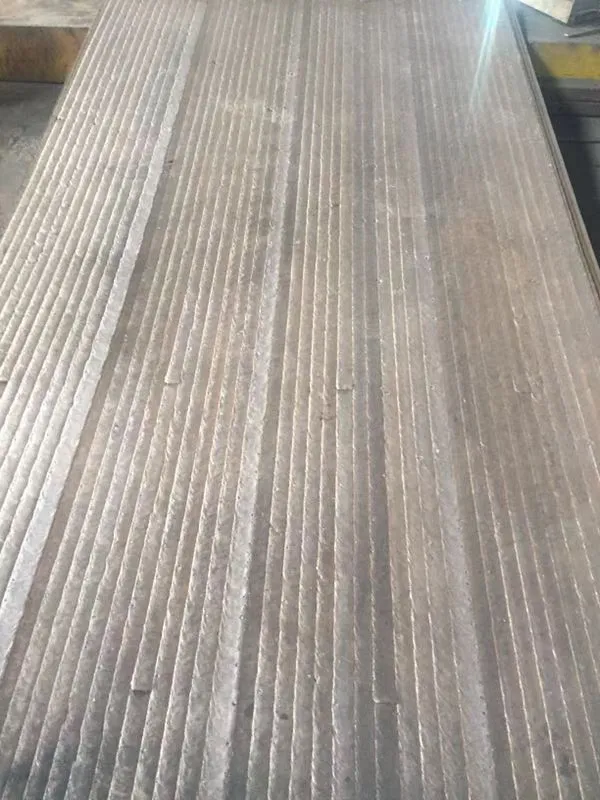
The Wear Plate Triad: Why Abrasion, Impact, and Heat Accelerate Failure Synergistically
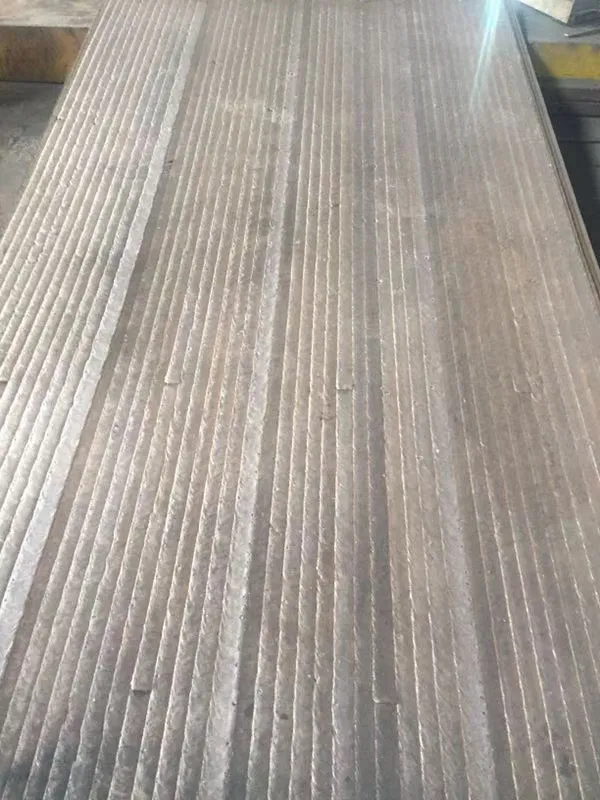
Simultaneous Exposure in Bulk Handling Systems
Wear plates in places like cement kiln inlets and mining conveyor transfers deal with three major problems at once. First there's the constant scraping from abrasive particles, then the repeated impacts that break down the material structure, all while enduring temperatures over 650 degrees Celsius. When these factors combine instead of acting separately, they create something worse than just regular wear and tear. Take heat cycles for instance. As metals expand and contract with temperature changes, tiny abrasives get lodged deeper into surfaces, making each new impact event even more damaging. Research from the cement sector indicates that machines operating under these combined stresses actually break down about three times quicker than what standard models predict. This kind of accelerated failure rate has real consequences for maintenance schedules and operational costs across heavy industries.
Beyond Additive Models: Quantifying Synergistic Wear Acceleration
Traditional durability assessments underestimate failure risks by treating abrasion, impact, and heat as independent variables. Real-world data reveals multiplicative interactions:
- Thermal softening at 400°C+ reduces steel hardness by 35%, accelerating material loss from particle friction
- Impact fractures create micro-craters that trap abrasives, establishing localized wear zones
- Cyclic heating/cooling propagates stress cracks initiated by mechanical blows
This synergy explains why empirically derived corrosion-resistant wear plates last only 14 months in sinter cooler pans despite 24-month laboratory predictions. Solutions require multi-layered designs combining carbide-rich surfaces for abrasion resistance with thermally stable substrates maintaining ductility.
Wear Plate Material Response: Microstructural Degradation Under Combined Stresses
Carbide Fragmentation and Austenite Reversion Under Thermal-Impact Cycling
The constant back and forth of temperature changes wreaks havoc on the microstructure of wear plates over time. When components go through those heating and cooling cycles, thermal shock starts creating tiny cracks right around the primary carbides in the material. What happens next is pretty damaging too these micro cracks spread out when there's impact, breaking apart those brittle carbides into little pieces. At the same time, anything getting hotter than about 400 degrees Celsius causes problems for the martensitic matrix structure, making it lose roughly 15 points on the Rockwell hardness scale. Combine both these issues and we get areas that wear down much quicker. Real world testing indicates that parts subjected to this kind of thermal impact wear out about two thirds faster than ones just dealing with regular abrasion alone.
Hardness Trade-offs: Maintaining Surface Integrity vs. Substrate Toughness
Finding the right balance between hardness levels remains a major challenge for material engineers working on wear plates that need to last. When surface hardness goes above 550 HV, it stops abrasive grooving from happening, but this comes at a cost. The material becomes more brittle, so when impact forces hit, they tend to spread cracks right through the hardened surface down into the base material. On the flip side, materials with substrate hardness below 350 HV handle impacts better because they can absorb some of the shock, but these softer surfaces just get worn away faster by abrasion. Practical tests show that somewhere around 480 to 520 HV surface hardness works best when combined with about 40 to 45 J of Charpy impact toughness in the underlying layer. This sweet spot creates what we call a dual property zone that keeps things from flaking off (spalling) and also stops permanent shape changes (plastic deformation). Pushing beyond this range into over-hardened territory cuts impact resistance nearly in half, which ultimately makes the whole system less resistant to wear over time.
High-Risk Industrial Environments for Wear Plate Failure
Cement Kiln Inlet Chutes: Heat-Abrasion Synergy Driving 68% Premature Failures
The inlet chutes in cement kilns are among the toughest spots in plant operations. Temperatures here often go past 800 degrees Celsius while raw meal slams into surfaces at incredible speeds. What happens? Heat basically melts away the protective layer on wear plates, making them wear down much faster than normal. According to some industry reports, around two thirds of early component failures come from this exact problem, which means parts need replacing twice as often when both factors combine instead of working alone. Thermal cycling doesn't help matters either. Components expand and contract repeatedly under temperature changes, creating micro cracks that spread over time. To fight back against all this destruction, many operators turn to chromium based alloys containing stable carbides. These materials stay hard even when hot, but there's always that tricky balancing act between choosing something that won't oxidize too quickly versus one that can handle impacts without breaking.
Sinter Cooler Pans: Layered Hardfacing Solutions for Multi-Mechanism Resistance
Sinter cooler pans endure simultaneous impact from falling sinter (~50 mm chunks at 700°C), abrasion during conveyance, and rapid thermal cycling. Monolithic wear plates typically fail within months due to crack propagation from thermal shock. Advanced solutions employ layered hardfacing:
- A 6–8 mm impact-absorbing buffer layer (350–400 HB) with high fracture toughness
- Intermediate thermal barrier reducing heat transfer to substrate
- Top functional layer (60+ HRC) with dense chromium carbides resisting abrasion
This stratified approach extends service life 2.3× by localizing wear to replaceable surfaces while preventing delamination. The design accommodates differential thermal expansion between layers, critical where temperature differentials exceed 400°C/minute during material transfer cycles.
FAQs
What is the synergy between abrasion, impact, and heat in wear plates?
When abrasion, impact, and heat combine, they accelerate wear plate failure more rapidly than when they act separately. The cumulative effects worsen the material degradation and reduce the lifespan of wear plates.
How does thermal cycling affect wear plates?
Thermal cycling causes wear plates to expand and contract, leading to cracks around primary carbides and martensitic structure weakening, increasing wear rate under impact.
Why is finding the right balance of hardness important for wear plates?
A balanced hardness in wear plates ensures surface integrity against abrasion and maintains substrate toughness against impacts. Over-hardening reduces impact resistance while under-hardening increases abrasion wear.
What materials are used in cement kiln inlets to combat wear and heat?
Materials like chromium-based alloys with stable carbides are used in cement kiln inlets because they resist oxidation and can endure high heat without breaking.