Chromium Carbide Overlay | Wear Protection

All Categories

chromium carbide overlay

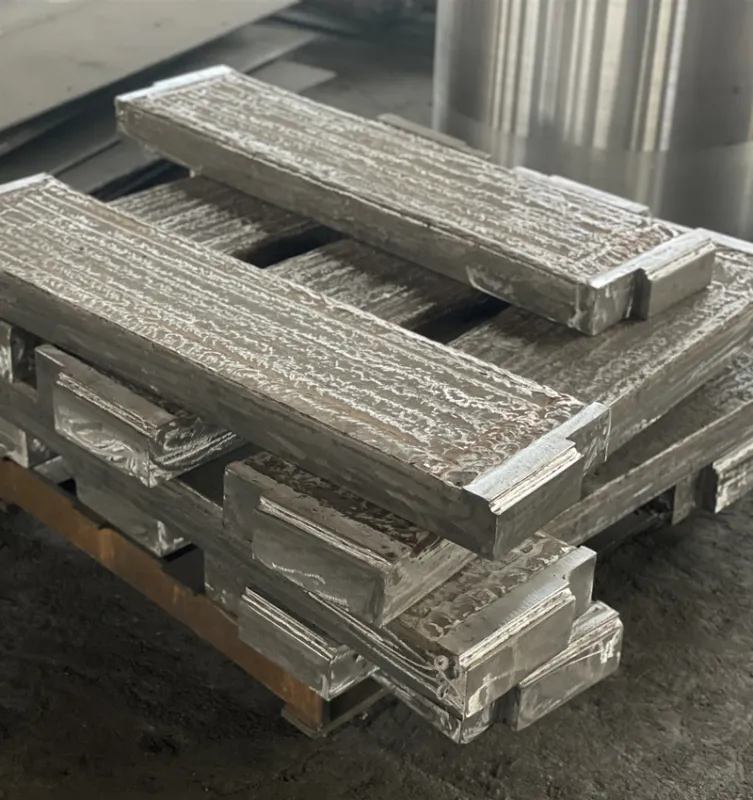
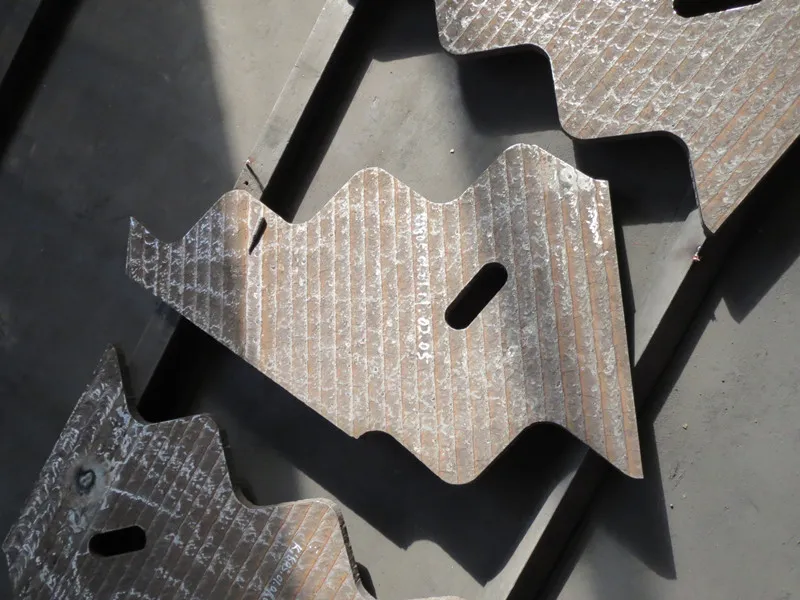
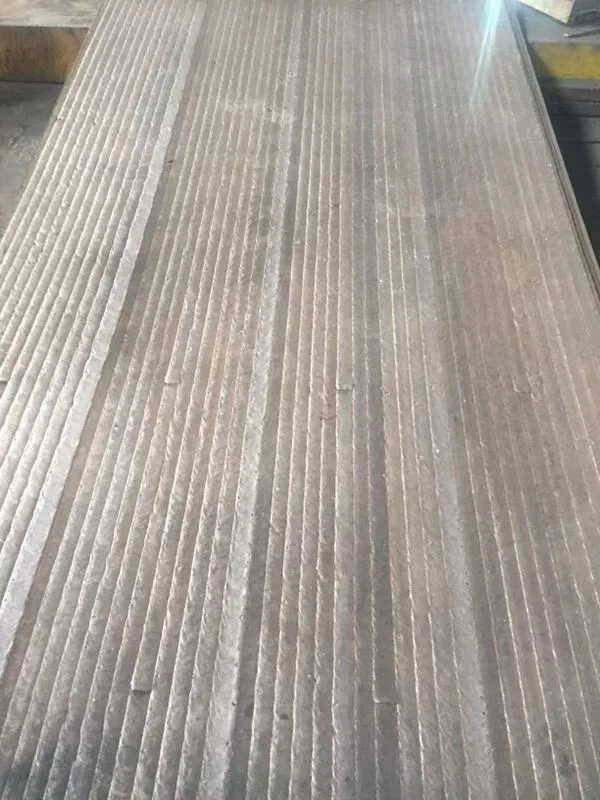
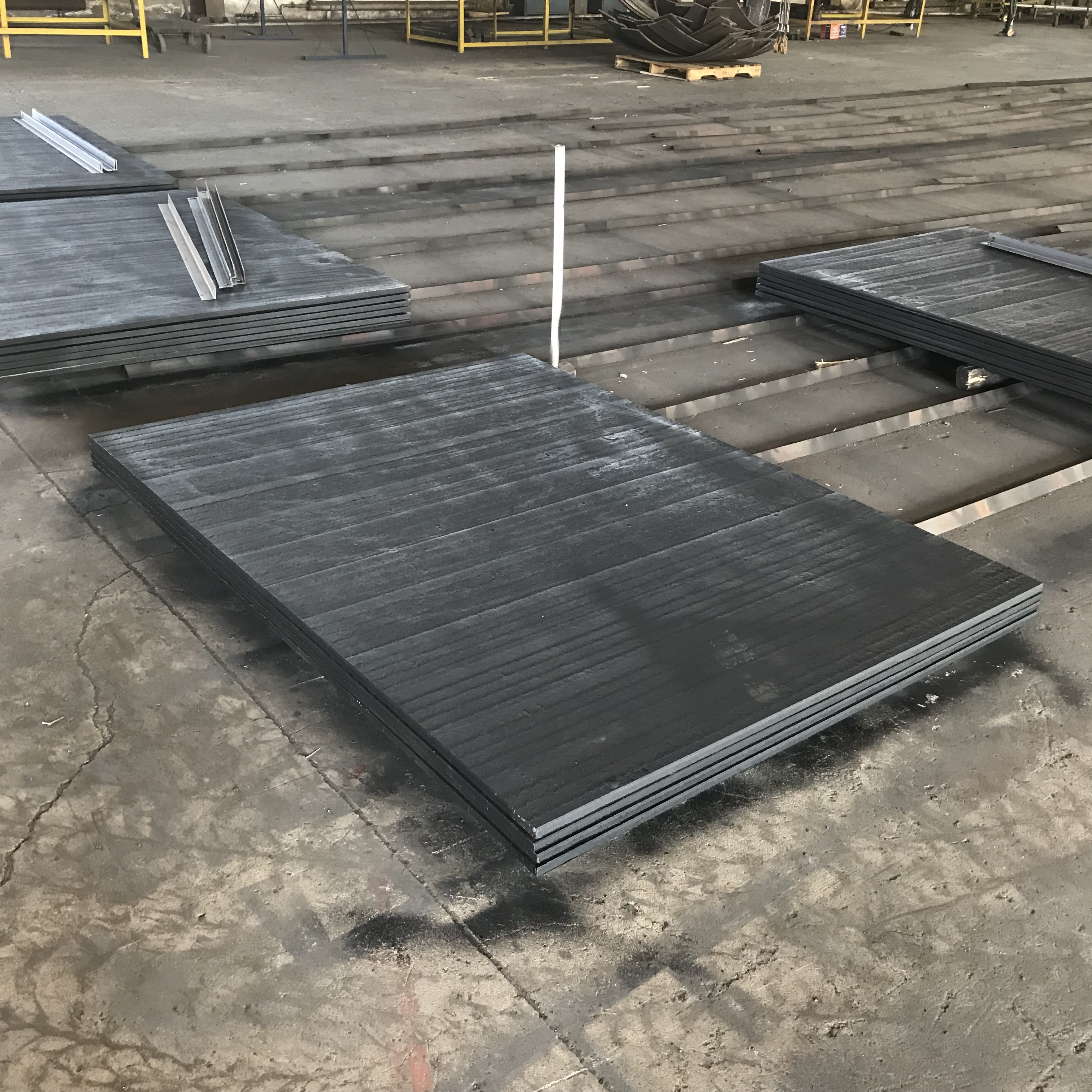
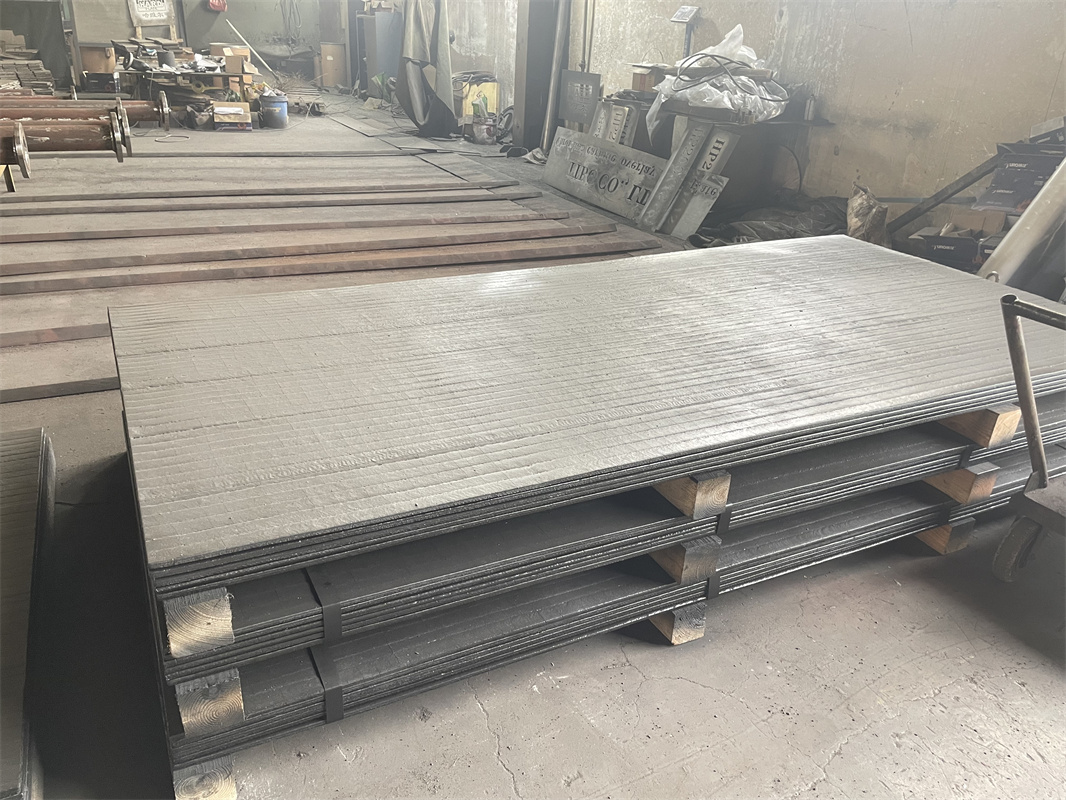
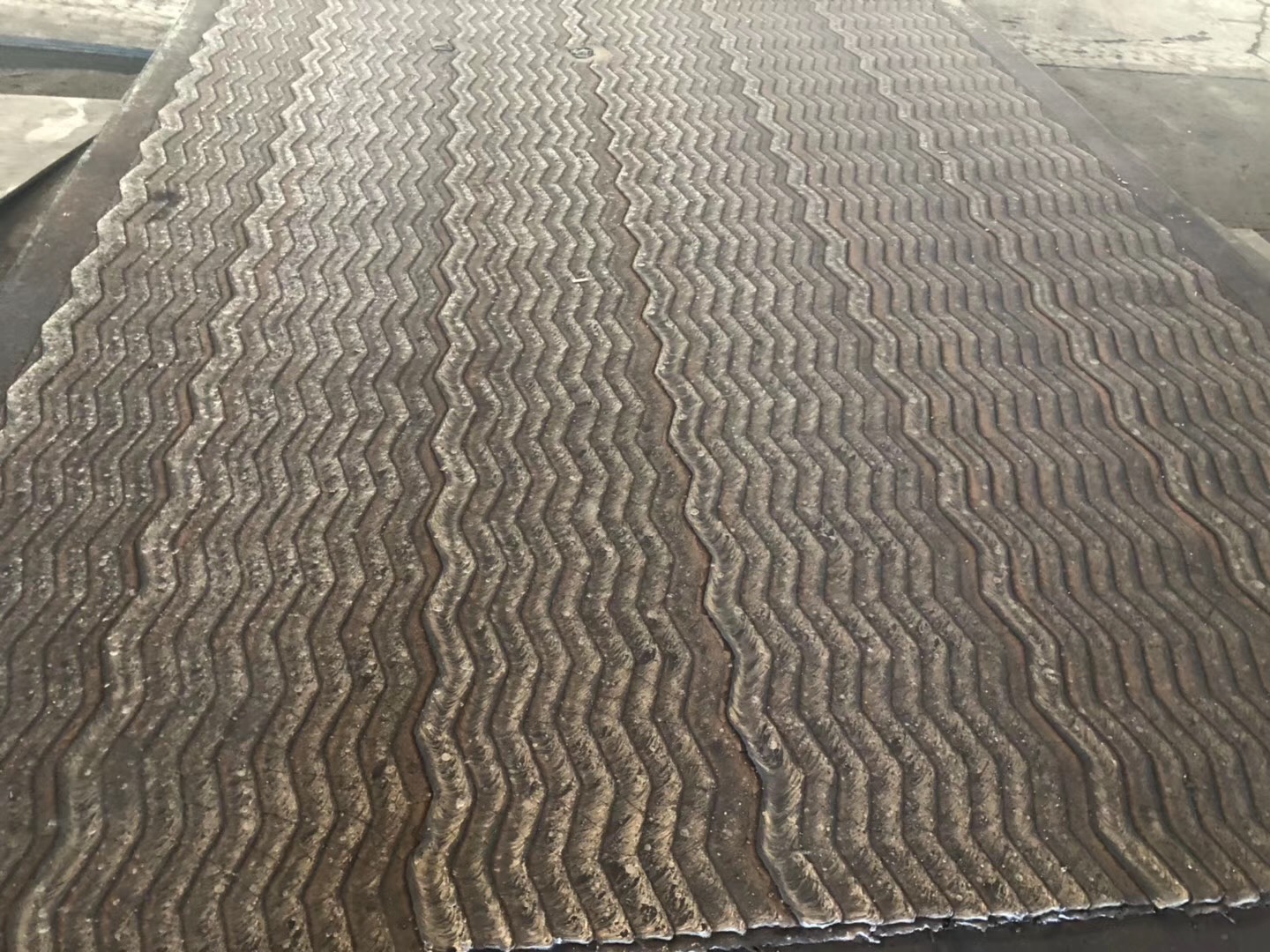
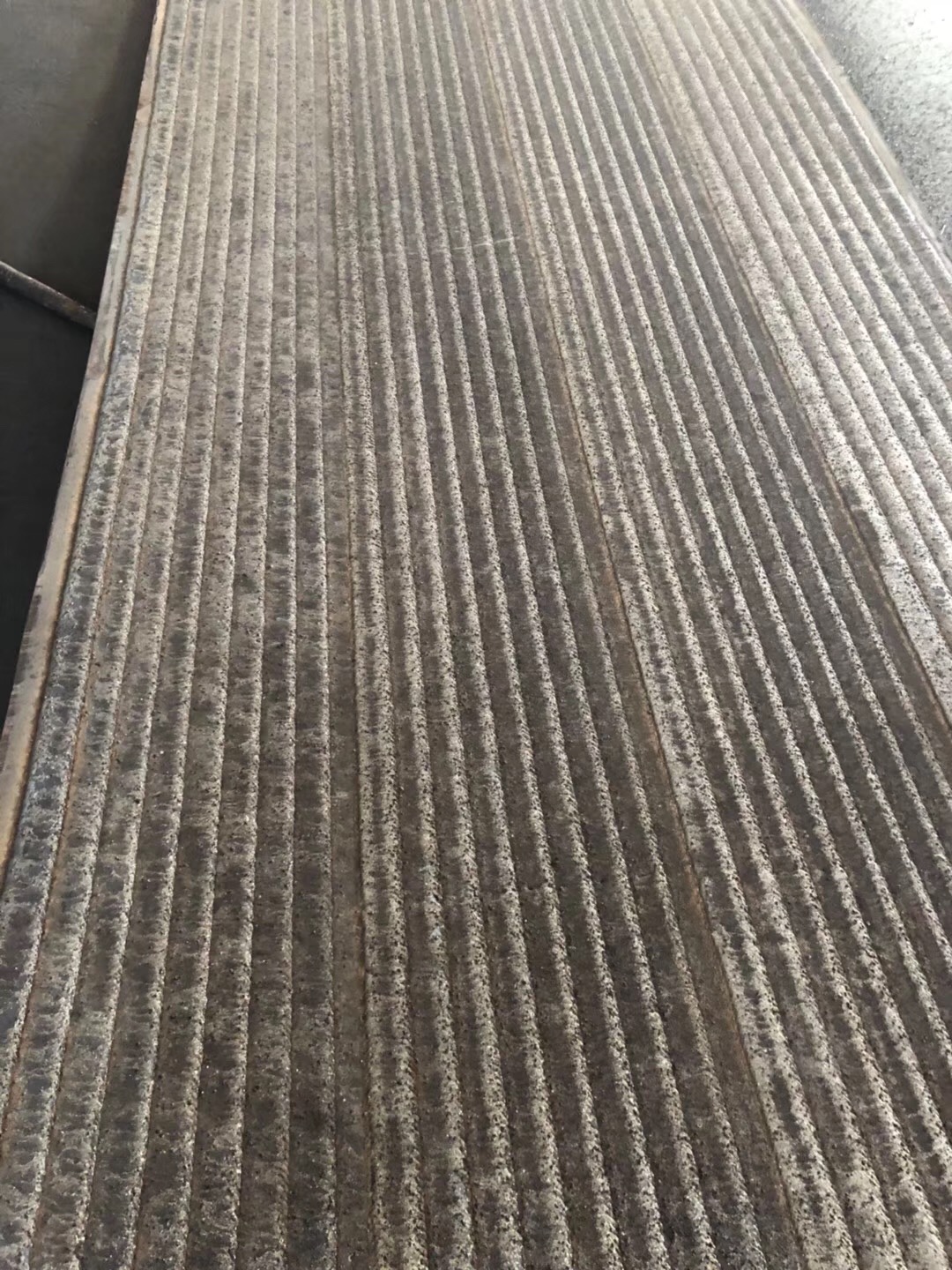
Chromium carbide overlay is a wear-resistant plate made by welding a hard chromium carbide layer onto a steel base. The chromium carbide overlay combines a tough, workable backing with a very hard surface that resists sliding abrasion, impact, and erosion. Manufacturers produce chromium carbide overlay by feeding chromium-rich alloy powder or wire into a controlled welding process. As the deposit cools, hard carbide particles form through the surface, creating a protective layer that handles severe material flow. Depending on the grade, chromium carbide overlay can contain evenly distributed carbide bands, a crack-relief pattern, or a customized deposit for specific service conditions. The steel backing lets fabricators cut, bend, drill, and weld the plate more easily than a solid hardened plate. This practical structure helps users replace worn areas without changing an entire machine or chute. Chromium carbide overlay supports longer service life on hoppers, liners, transfer points, screens, fans, buckets, and conveyor parts. It also protects equipment exposed to coal, cement, minerals, sand, slag, glass, and other abrasive materials. A chromium carbide overlay liner can be supplied in flat sheets, formed sections, pipe, or made-to-order components. The final chromium carbide overlay thickness, hardness, and backing grade should match the material size, flow speed, temperature, and impact level. In simple terms, chromium carbide overlay functions as a replaceable shield. It reduces direct wear on valuable equipment, limits unplanned stoppages, and gives maintenance teams a reliable way to reinforce high-wear zones before damage spreads.

New Product Releases

The main advantage of chromium carbide overlay is practical wear protection. A chromium carbide overlay surface lasts much longer than ordinary carbon steel when bulk material slides, falls, or strikes against equipment. This longer life means fewer liner changes, fewer emergency repairs, and more predictable maintenance planning. Buyers can often protect only the areas that wear fastest instead of purchasing a fully hardened machine component. That focused approach reduces material use and can lower the total replacement cost. Chromium carbide overlay also protects the steel structure behind the deposit. When the surface takes the abrasion, the original chute, hopper, or conveyor frame remains sound for longer. The result is less distortion, fewer leaks, and better equipment availability. Another benefit is installation flexibility. Fabricators can cut chromium carbide overlay plate into panels, weld it to supports, and form it for curved or angled locations. This makes the material suitable for new builds, repair work, and retrofit projects. A chromium carbide overlay solution can also reduce the weight of a repair compared with using thick ordinary steel, especially where only a wear face is needed. The product suits dry sliding wear, mineral flow, coal handling, cement production, recycling, power generation, and many quarry operations. Temperature, impact, plate thickness, and particle size still matter, so buyers should select a chromium carbide overlay grade with a supplier rather than choose by hardness alone. The right specification improves service results and prevents paying for features the application does not need. Customers should also compare weld quality, overlay consistency, backing strength, available sizes, forming limits, and delivery support. A dependable chromium carbide overlay supplier can provide drawings, sample testing, fabrication advice, and replacement dimensions. These details help turn a wear-resistant material into a cost-effective maintenance plan. Overall, chromium carbide overlay offers a clear value proposition: longer component life, less downtime, simpler repairs, and better control of operating costs.

Latest News

Hardfacing Overlay on Mill Rollers: How It Extends Service Life in Cement and Mining

28

Feb

Hardfacing Overlay on Mill Rollers: How It Extends Service Life in Cement and Mining

What Is Hardfacing Overlay and Why It Matters for Industrial DurabilityHardfacing overlay works as a specialized technique in surface engineering where wear resistant alloys like chromium carbide or cobalt based materials get applied onto important m...
View More
Chromium Carbide Hardfacing Overlay on Mill Rollers: Performance Advantages Explained

28

Feb

Chromium Carbide Hardfacing Overlay on Mill Rollers: Performance Advantages Explained

Metallurgical Foundation of Chromium Carbide Hardfacing OverlayCr³C² Carbide Distribution and >600 BHN Hardness MechanismThe chromium carbide hardfacing overlay gets its remarkable surface hardness from the way Cr3C2 carbides are distributed across t...
View More
Abrasion resistant plate improves durability of mining equipment and heavy machinery

23

Mar

Abrasion resistant plate improves durability of mining equipment and heavy machinery

Why Abrasion Resistant Plate Is Essential for Mining Equipment Durability The Wear Challenge: High-velocity, high-impact ore handling accelerates component failure The harsh conditions in mining operations really take a toll on equipment. High spee...
View More
How Chrome Carbide Plate Extends the Service Life of Heavy-Duty Machinery?

17

Jun

How Chrome Carbide Plate Extends the Service Life of Heavy-Duty Machinery?

Why Chrome Carbide Plate Delivers Superior Wear Resistance Hardness and Microstructure: Chromium Carbides as the Core Wear-Resistant Phase Chrome carbide plate achieves exceptional wear resistance through its engineered microstructure. During manuf...
View More

Get a Free Quote

Our representative will contact you soon.
Name
Email
Tel / WhatsApp
Company Name
Message
0/1000

chromium carbide overlay

Hard Surface for Aggressive Abrasion

Hard Surface for Aggressive Abrasion

The strongest selling point of chromium carbide overlay is its hard, wear-focused working face. During production, chromium and carbon combine within the weld deposit to create hard particles that resist cutting and scraping from moving solids. This structure gives chromium carbide overlay a major advantage over mild steel in chutes, hoppers, liners, and transfer equipment. Instead of allowing abrasive particles to remove the surface quickly, the plate keeps its protective layer for a longer operating period. Customers gain more production hours between inspections and replacements. A consistent deposit also helps equipment wear more evenly, which makes maintenance timing easier to forecast. The value becomes especially clear when a plant handles sand, ore, coal, clinker, glass, or recycled material every day. Chromium carbide overlay does not eliminate all wear, but it slows the dominant wear mechanism and protects the supporting steel. Buyers can therefore direct their budget toward high-risk areas and avoid replacing sound surrounding material. For applications where sliding abrasion controls component life, chromium carbide overlay provides a direct, durable defense.
Flexible Fabrication and Easy Retrofit

Flexible Fabrication and Easy Retrofit

Chromium carbide overlay delivers hard-surface performance without forcing users to redesign every machine part. Its steel backing gives fabricators a practical base for cutting, drilling, joining, and forming, within the limits of the selected grade and thickness. This makes chromium carbide overlay useful for replacement panels, curved liners, pipe sections, elbows, and custom wear shapes. Maintenance teams can often measure a damaged area, order a matching piece, and install protection during a planned shutdown. That process saves time compared with replacing a complete chute, bucket, or conveyor assembly. A chromium carbide overlay panel can also reinforce a new structure during the original design stage, allowing engineers to place protection where material flow creates the most damage. Suppliers may provide CNC-cut parts, welded studs, formed sections, or numbered kits for faster field installation. Because the product supports both repair and new construction, customers can standardize their wear strategy across several equipment types. This flexibility lowers project disruption while preserving the core benefit of chromium carbide overlay: a hard face backed by workable steel.
Longer Runtime and Lower Maintenance Cost

Longer Runtime and Lower Maintenance Cost

A chromium carbide overlay component helps convert wear resistance into measurable operating value. When a liner, fan blade, bucket, or transfer point stays serviceable for longer, the plant can reduce shutdown frequency and schedule work around production needs. Chromium carbide overlay also limits the spread of damage. By shielding the base steel, it can prevent holes, cracking, distortion, and material leakage that often lead to larger repairs. This protects labor, spare parts, and nearby equipment. In high-throughput operations, the cost benefit of chromium carbide overlay grows because every avoided stoppage preserves production capacity. The material works well in mineral processing, cement, steel, energy, quarrying, agriculture, and recycling, provided the selected product matches the service environment. Buyers should review impact level, operating temperature, plate geometry, and expected wear pattern before ordering. A suitable chromium carbide overlay grade can deliver dependable service without unnecessary overdesign. Customers also benefit from clearer replacement planning, fewer urgent purchasing decisions, and improved worker safety because maintenance crews enter hazardous areas less often. In this way, chromium carbide overlay supports both financial performance and day-to-day reliability.

Copyright © Shenyang Hard Welding Surface Engineering Co., ltd.  -  Privacy policy