Chromium Carbide Overlay Plate | Wear

All Categories

chromium carbide overlay plate

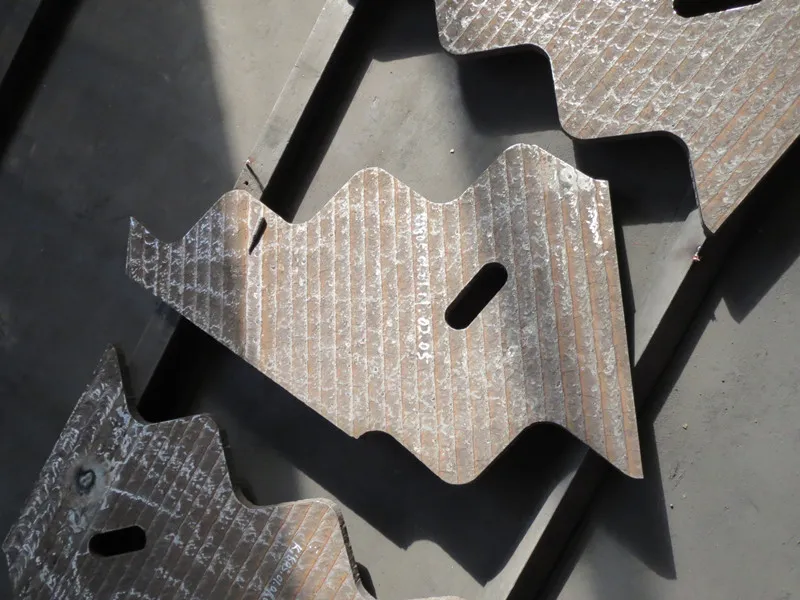
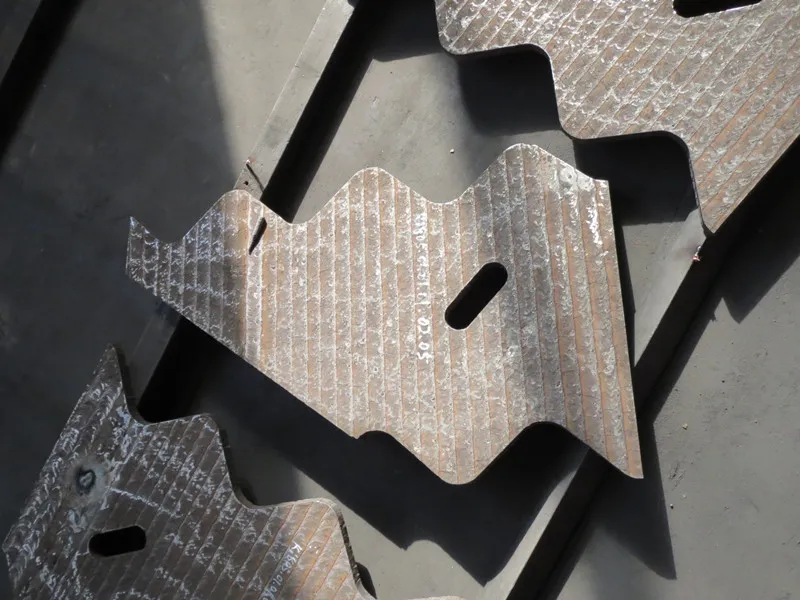
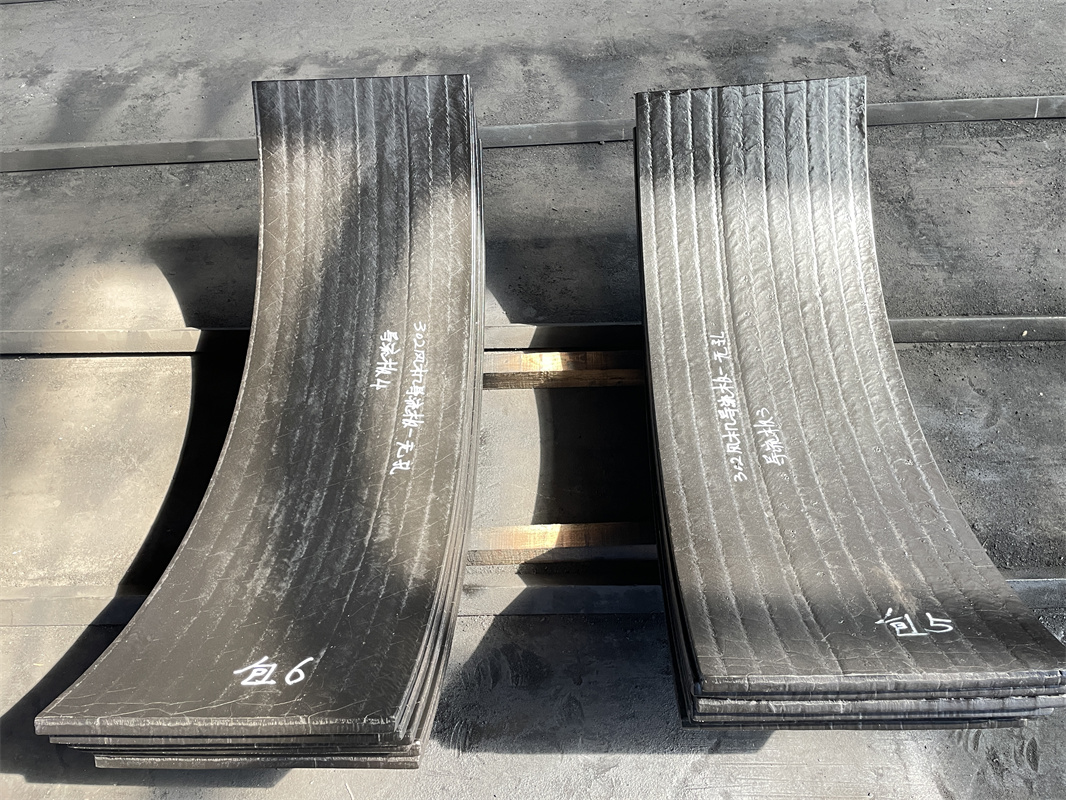
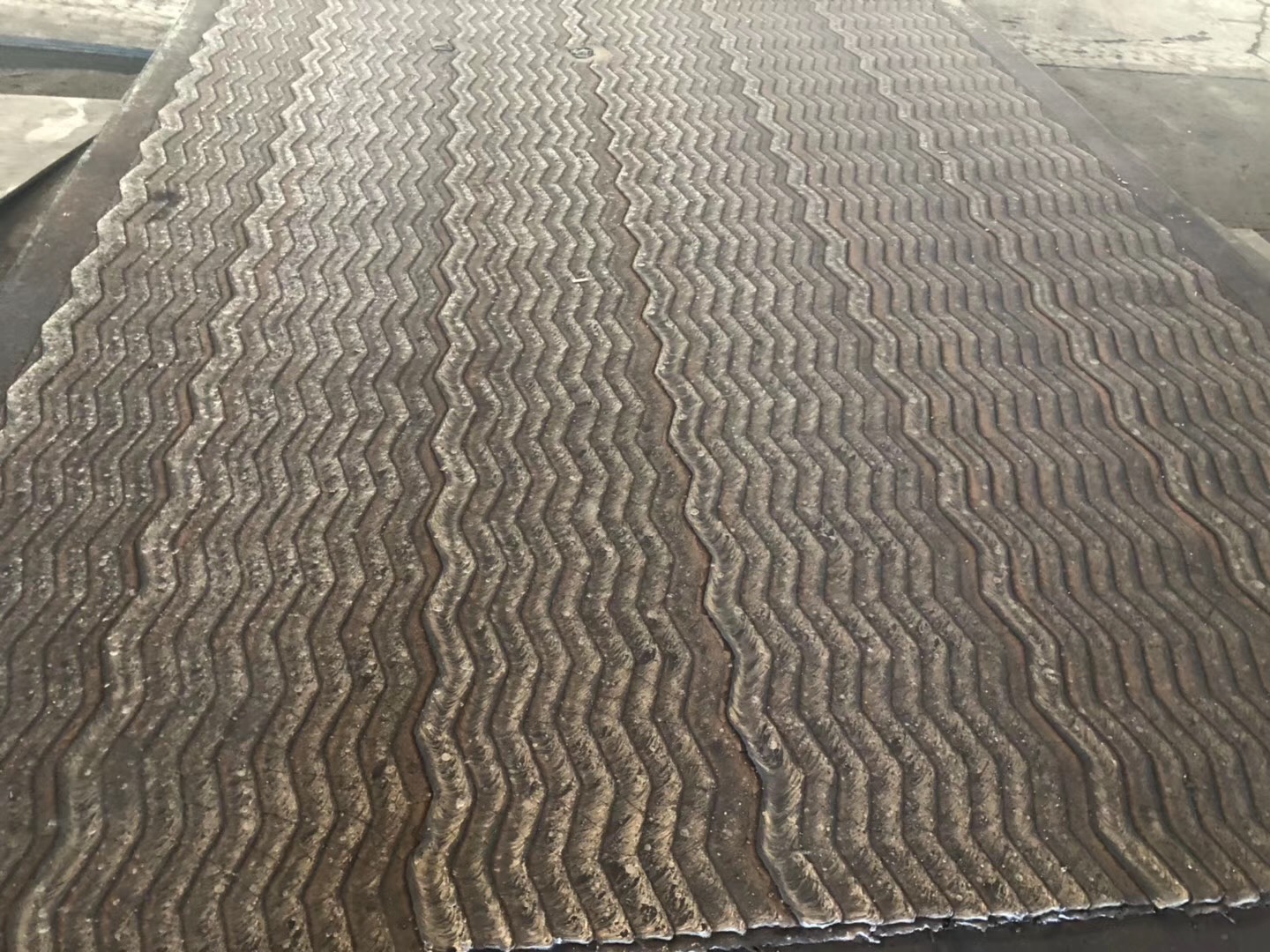
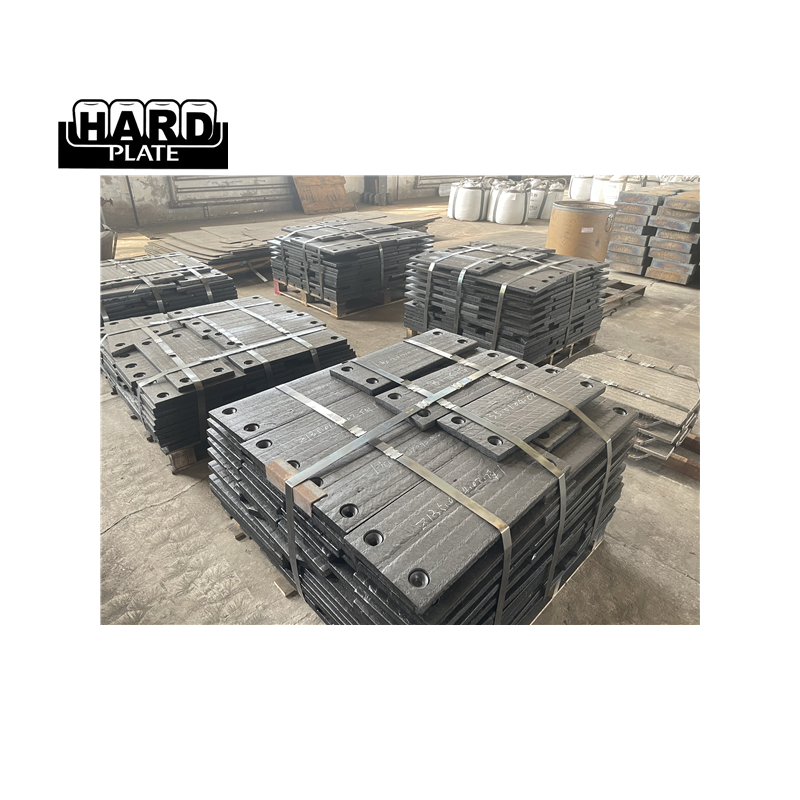
A chromium carbide overlay plate is a steel base plate covered with a hard, wear-resistant layer that protects equipment from severe abrasion. Manufacturers create the chromium carbide overlay plate by welding chromium-rich alloy onto a mild steel or low-alloy steel backing. During welding, hard chromium carbide particles form throughout the overlay, creating a surface that resists sliding wear, impact, and erosion. The backing provides strength, flexibility, and support for installation, while the surfaced layer handles contact with abrasive materials. The chromium carbide overlay plate works as a replacement liner or as a protective component for new equipment. It helps shield chutes, hoppers, bins, screens, feeders, crushers, transfer points, and conveyor parts. Many sizes, thicknesses, and overlay patterns are available, allowing buyers to match the plate to material flow, impact level, and available space. A chromium carbide overlay plate can be cut, formed, drilled, or welded with suitable procedures, although fabrication should protect the overlay and follow supplier guidance. Some products use a smooth surface for sliding materials, while others include cracks that relieve welding stress and improve service performance. The chromium carbide overlay plate does not prevent all damage, and extreme impact may require a tougher composite design. However, it offers a practical balance of hardness, structural support, and replacement value. By installing a chromium carbide overlay plate in high-wear zones, operators can reduce unplanned shutdowns, extend component life, and control maintenance spending. The right chromium carbide overlay plate should be selected according to material hardness, particle size, impact energy, operating temperature, and installation method.

Popular Products

The main advantage of a chromium carbide overlay plate is longer wear life in equipment exposed to abrasive solids. Compared with ordinary carbon steel, the protected surface usually resists grooves, thinning, and material loss for much longer. This gives buyers fewer liner changes and more predictable maintenance planning. A chromium carbide overlay plate also helps reduce labor because crews spend less time removing worn sections and installing replacements. Less maintenance can keep crushers, conveyors, chutes, and processing lines available for production. The hard overlay protects the structural backing, so operators can preserve the shape and strength of a component instead of replacing the entire assembly. This practical benefit can lower repair costs and reduce the amount of spare equipment kept on site. Another advantage is broad application suitability. The chromium carbide overlay plate performs well where sand, rock, coal, ore, cement, glass, ash, or similar materials slide across a surface. Buyers can select different base thicknesses and overlay depths to balance protection, weight, and installation space. The plate can also be cut into custom shapes, which helps protect corners, bends, hopper walls, and irregular transfer areas. Because the product combines a strong steel base with a hard working surface, it offers useful support without requiring a solid block of expensive alloy. A chromium carbide overlay plate is therefore valuable for planned wear protection, especially in zones where abrasion is the main failure cause. Buyers should still compare impact conditions, temperature, plate dimensions, hardness, and fabrication requirements before ordering. Choosing the right chromium carbide overlay plate prevents over-specification, improves fit, and supports a clearer return on investment. Supplier cutting guidance and welding recommendations also help teams install the product safely and achieve consistent performance.

Tips And Tricks

Chromium Carbide Hardfacing Overlay on Mill Rollers: Performance Advantages Explained

28

Feb

Chromium Carbide Hardfacing Overlay on Mill Rollers: Performance Advantages Explained

Metallurgical Foundation of Chromium Carbide Hardfacing OverlayCr³C² Carbide Distribution and >600 BHN Hardness MechanismThe chromium carbide hardfacing overlay gets its remarkable surface hardness from the way Cr3C2 carbides are distributed across t...
View More
Chromium carbide overlay plate extends equipment service life and reduces maintenance costs

23

Mar

Chromium carbide overlay plate extends equipment service life and reduces maintenance costs

Why Chromium Carbide Overlay Plate Delivers Superior Wear Resistance Metallurgical Foundation: Chromium carbide hard phases in austenitic/martensitic matrix (HRC 60–65) Chromium carbide overlay plates offer outstanding wear resistance thanks ...
View More
The Ultimate Guide to Hardfacing Flux Cored Welding Wires in Cement and Mining Industries

17

Jun

The Ultimate Guide to Hardfacing Flux Cored Welding Wires in Cement and Mining Industries

Why Hardfacing Welding Wire Is Essential for Cement and Mining Equipment Longevity Extreme Abrasion and Impact Wear in Rotary Kilns, Crushers, and Mill Liners Equipment in cement plants and mines faces relentless degradation. Rotary kilns endure ma...
View More
Why Chromium Carbide Overlay is the Best Solution for Chute and Hopper Liners

17

Jun

Why Chromium Carbide Overlay is the Best Solution for Chute and Hopper Liners

Unmatched Abrasion Resistance: How Chromium Carbide Overlay Extends Liner Life The Metallurgical Edge: HRC 60–65 Hardness and Stable Carbide Microstructure Chromium carbide overlay delivers unparalleled abrasion resistance through its unique ...
View More

Get a Free Quote

Our representative will contact you soon.
Name
Email
Tel / WhatsApp
Company Name
Message
0/1000

chromium carbide overlay plate

Hard Surface for Abrasive Service

Hard Surface for Abrasive Service

The defining feature of a chromium carbide overlay plate is its welded layer filled with hard chromium carbide particles. These particles form a dense barrier between moving material and the steel structure underneath. As sand, rock, ore, coal, or cement travels across the surface, the overlay slows cutting and grinding action. This allows a chromium carbide overlay plate to maintain useful thickness for longer than standard steel in many sliding-wear conditions. The benefit is easy to measure in daily operations: fewer worn-through areas, fewer emergency patches, and longer intervals between liner changes. Buyers can use the product in chutes, hoppers, feeders, and transfer points where abrasive material repeatedly contacts the same zones. The hard surface also protects equipment geometry, helping materials flow through the intended path. For a facility that loses production during repairs, a chromium carbide overlay plate can turn frequent corrective work into planned maintenance. This feature delivers value through durability, steadier output, and lower replacement demand.
Strong Backing and Flexible Fabrication

Strong Backing and Flexible Fabrication

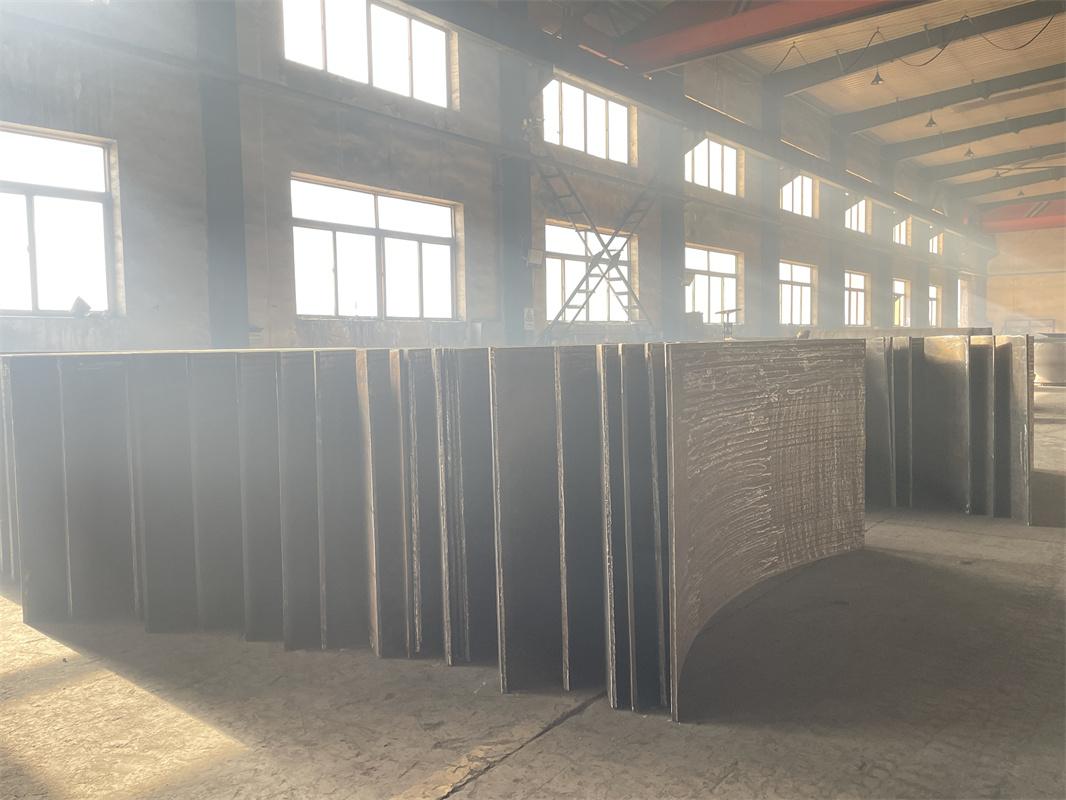
A chromium carbide overlay plate does more than provide a hard face. Its steel backing supplies structural support, making the plate suitable for liners, guards, wear strips, and fabricated assemblies. This combination lets buyers protect large surfaces without using a thick, solid piece of high-cost wear alloy. The base can often be cut, shaped, drilled, and attached to match existing equipment, subject to supplier procedures. A chromium carbide overlay plate can therefore fit curved sections, hopper transitions, chute corners, and custom liner layouts. Fabrication flexibility makes replacement work faster because teams can prepare parts to measured dimensions instead of redesigning the complete machine. The backing also helps the component handle normal mounting loads while the overlay manages abrasive contact. Buyers should use qualified cutting and welding methods because heat and tooling choices can affect the surfaced layer. When correctly prepared, a chromium carbide overlay plate combines practical installation with dependable protection. This balance helps control material use, project time, and overall repair cost.
Practical Protection for Multiple Industries

Practical Protection for Multiple Industries

The broad operating range of a chromium carbide overlay plate makes it useful across mining, cement, steel, power generation, recycling, aggregate, and bulk material handling. Each industry moves different solids, but many share the same problem: repeated contact gradually removes unprotected steel. A chromium carbide overlay plate targets those high-wear locations and helps equipment remain serviceable between inspections. In mining, it can protect ore chutes and crusher liners. In cement plants, it can protect conveyors, hoppers, and separator components. Recycling facilities may use it in sorting, feeding, and transfer equipment exposed to mixed debris. The product also suits ash handling and aggregate systems where erosion and sliding wear increase operating costs. Buyers gain flexibility because plate thickness, dimensions, and overlay design can be matched to the duty. It is important to review impact energy and temperature before choosing a grade, since maximum hardness is not always the best answer for severe impact. With proper selection, a chromium carbide overlay plate offers targeted protection, simpler planning, and a reliable way to extend equipment service life.

Copyright © Shenyang Hard Welding Surface Engineering Co., ltd.  -  Privacy policy