Wear Resistant Liner for Longer Service

All Categories

wear resistant liner

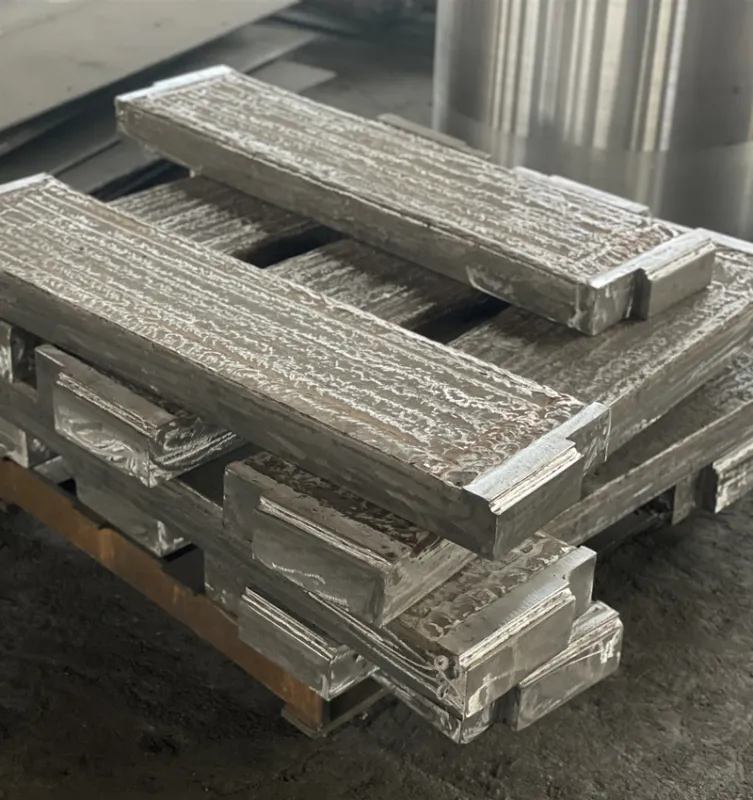
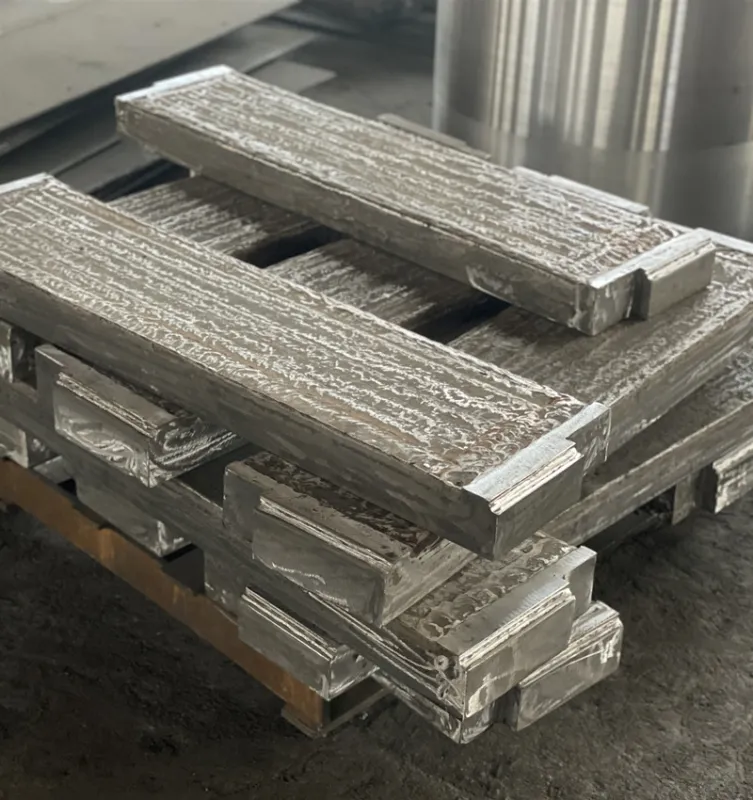
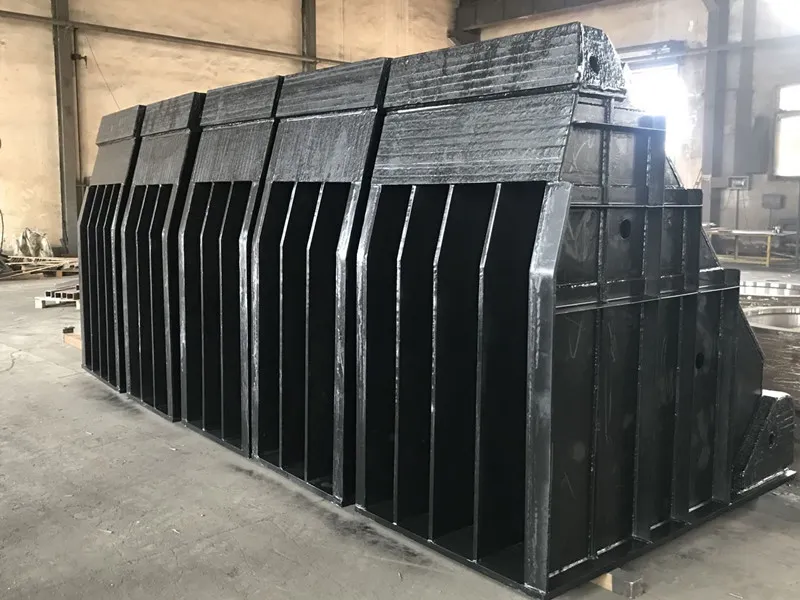
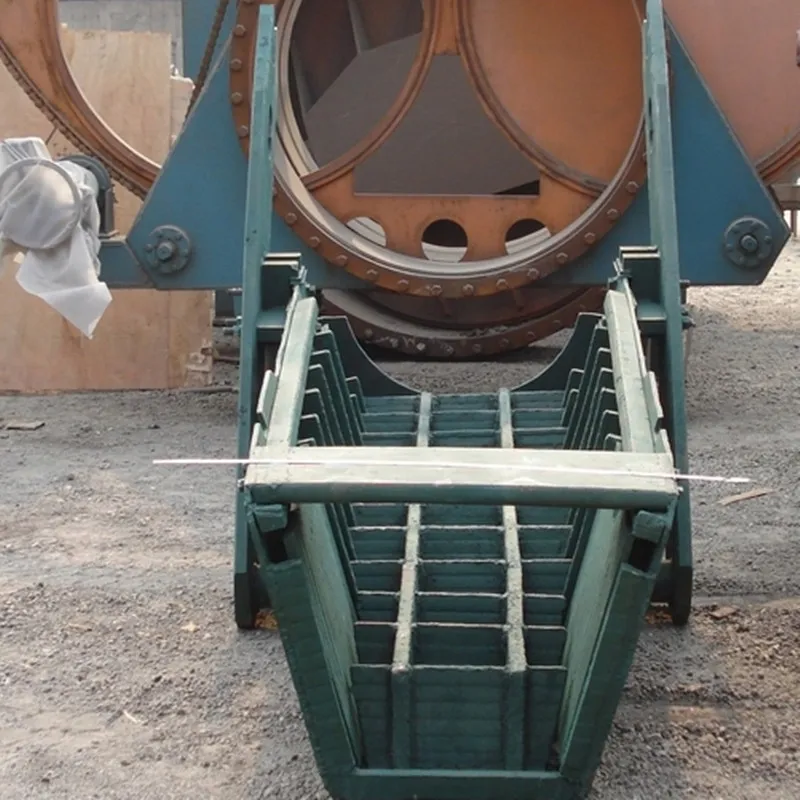
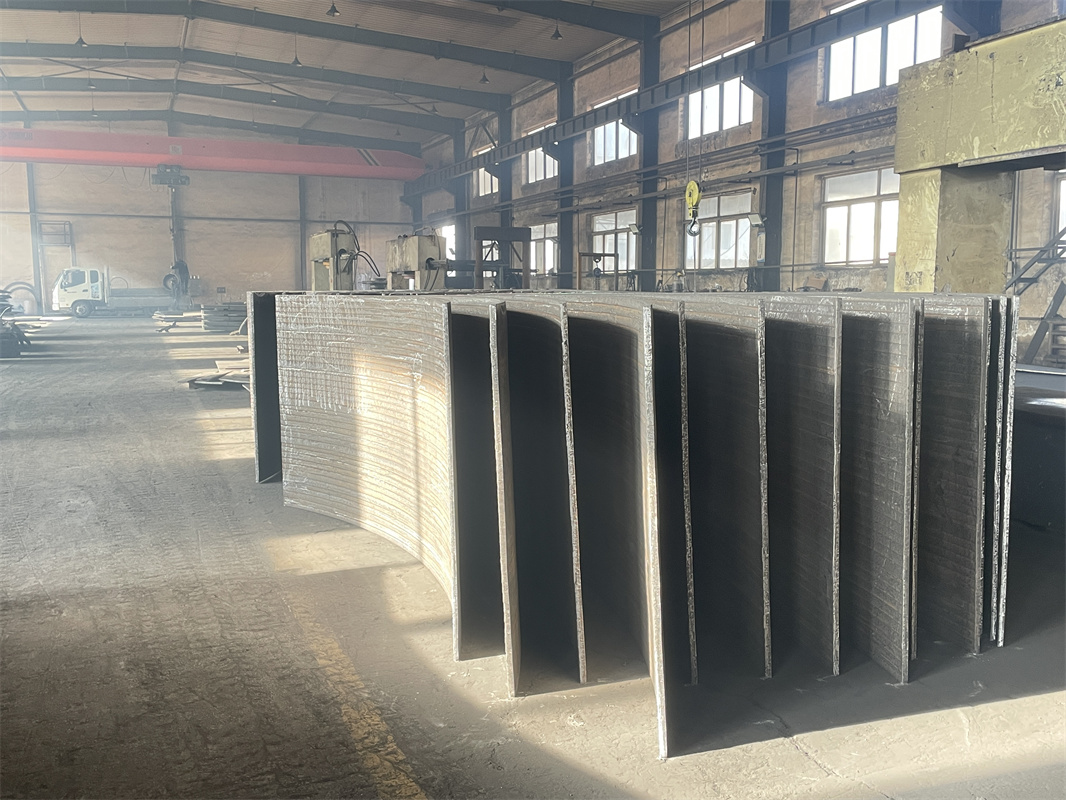
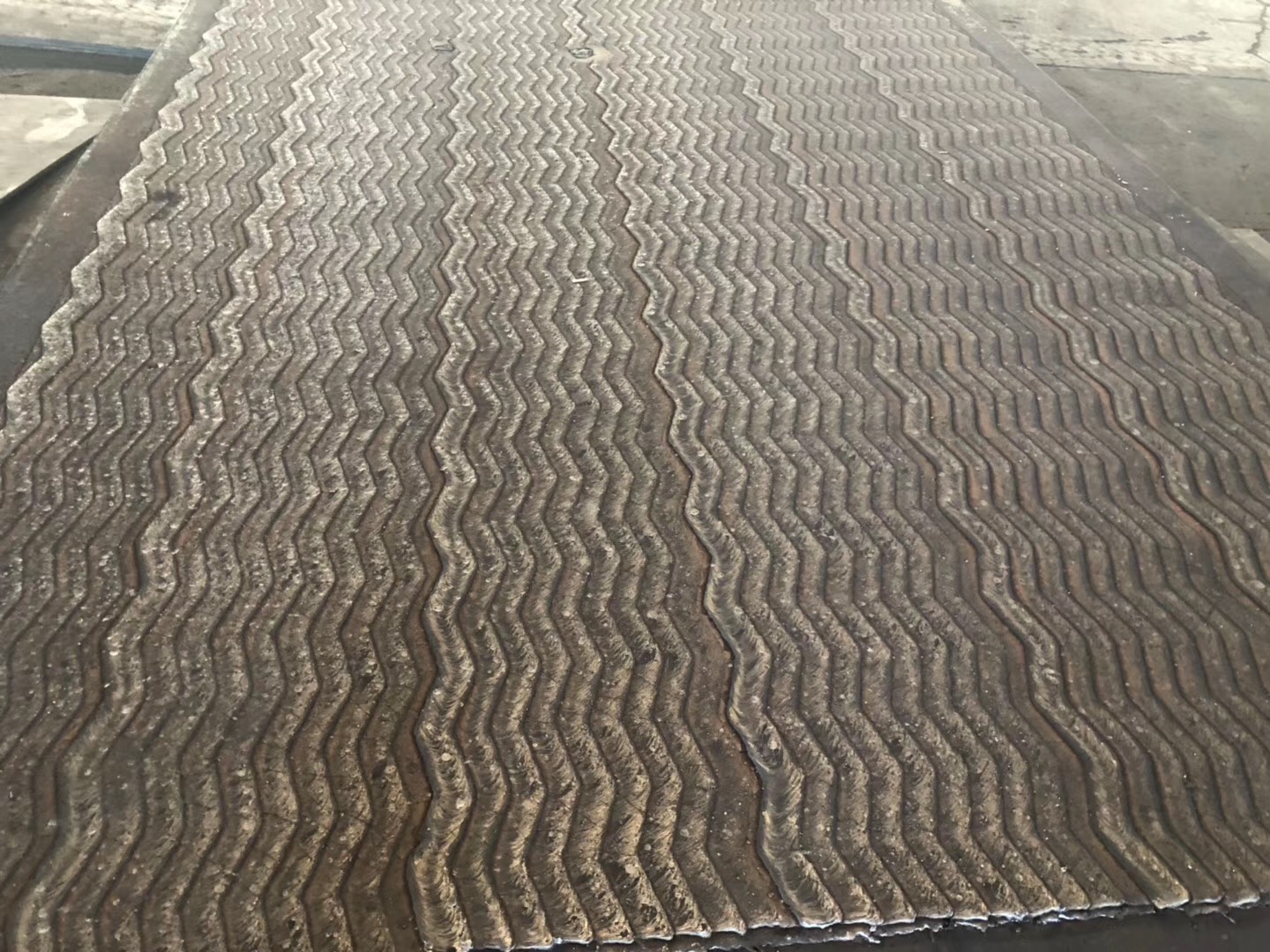
A wear resistant liner is a protective layer fitted inside equipment that handles abrasive, heavy, or fast-moving materials. It shields the base structure from impact, sliding wear, scratching, and repeated contact. In mining, cement, power, recycling, and bulk material handling, a wear resistant liner helps extend the working life of chutes, hoppers, bins, feeders, pipes, mixers, and truck bodies. By using a wear resistant liner, operators create a replaceable surface that takes damage before the equipment shell does. The wear resistant liner can be made from hardened steel, rubber, polyurethane, ceramic, or a combined material, depending on the material being processed and the operating conditions. A properly selected wear resistant liner matches the size, shape, speed, temperature, and moisture level of the material flow. Unlike an unprotected steel surface, a wear resistant liner reduces direct contact between abrasive material and the equipment wall. When installed correctly, the wear resistant liner supports smoother flow and helps limit buildup, dents, gouges, and cracking. The wear resistant liner may use bolted plates, countersunk fasteners, weldable sections, bonded sheets, or modular panels for practical installation. Its design can include curved profiles, impact zones, low-friction surfaces, and custom-cut shapes. For maintenance teams, a wear resistant liner provides a planned wear surface that can be inspected and replaced without renewing the entire machine. In demanding plants, the wear resistant liner protects production assets during continuous operation. Overall, the wear resistant liner combines material strength, fit, and serviceability to control wear, protect equipment, and support reliable material handling.

New Products

The main value of a wear resistant liner is longer equipment service life. Instead of allowing stone, ore, glass, coal, or scrap to attack the machine wall, the liner receives the wear and can be replaced when needed. A wear resistant liner therefore helps customers protect a larger capital investment with a smaller maintenance component. It can reduce shell repairs, welding work, emergency shutdowns, and the labor required to rebuild damaged areas. Because a wear resistant liner creates a consistent internal surface, it can also help material move more evenly through chutes, hoppers, and transfer points. Better flow may reduce bridging, blockage, and manual clearing. For many sites, a wear resistant liner lowers the frequency of inspections and gives maintenance planners a clearer replacement schedule. The right wear resistant liner can also reduce noise and vibration when rubber or polyurethane suits the application. Steel or ceramic choices may provide stronger protection where sharp, heavy particles create severe impact and sliding wear. A wear resistant liner gives buyers a practical way to match protection to risk instead of choosing one material for every location. Product thickness, hardness, panel size, fastening method, and operating temperature should guide the selection. A wear resistant liner with accurate dimensions can shorten installation time and reduce cutting at the worksite. Modular sections make it easier to replace only the damaged area, while custom shapes improve coverage around bends, corners, and discharge points. The wear resistant liner is suitable for dry, wet, hot, abrasive, or corrosive service when its material is chosen correctly. It also supports safer maintenance because teams can plan access and replacement rather than respond to sudden wall failure. In short, a wear resistant liner delivers measurable value through fewer interruptions, lower repair costs, better flow, and more predictable operation. Buyers should review material properties, impact level, temperature, attachment style, and supplier support before placing an order.

Practical Tips

Hardfacing Overlay on Mill Rollers: How It Extends Service Life in Cement and Mining

28

Feb

Hardfacing Overlay on Mill Rollers: How It Extends Service Life in Cement and Mining

What Is Hardfacing Overlay and Why It Matters for Industrial DurabilityHardfacing overlay works as a specialized technique in surface engineering where wear resistant alloys like chromium carbide or cobalt based materials get applied onto important m...
View More
How can a chromium carbide overlay plate provide better performance than traditional steel plates

23

Mar

How can a chromium carbide overlay plate provide better performance than traditional steel plates

Unmatched Abrasion Resistance in High-Wear Applications about Chromium Carbide Overlay Plate How Microcutting, Gouging, and Fatigue Wear Degrade Traditional Steel Plates Compared to chromium carbide overlay plates,the traditional abrasion resistant...
View More
Chromium carbide overlay plate improves wear resistance in mining and cement industries

23

Mar

Chromium carbide overlay plate improves wear resistance in mining and cement industries

How Chromium Carbide Overlay Plate Delivers Superior Wear Resistance Metallurgical Foundation: CrₓCₓ Eutectic Carbides in a Tough Austenitic–Martensitic Matrix The chromium carbide overlay plate gets its remarkable toughness from how it's str...
View More
How to Choose the Best Hardfacing Welding Wire for Extreme Abrasion Resistance

17

Jun

How to Choose the Best Hardfacing Welding Wire for Extreme Abrasion Resistance

Why Abrasion Resistance Depends on More Than Hardness The 40% wear reality: How abrasion dominates failure—and why HV alone fails to predict field performance Abrasive wear causes roughly 40% of all premature component failures in heavy indus...
View More

Get a Free Quote

Our representative will contact you soon.
Name
Email
Tel / WhatsApp
Company Name
Message
0/1000

wear resistant liner

Protection That Extends Equipment Life

Protection That Extends Equipment Life

A wear resistant liner places a tough sacrificial surface between abrasive material and the equipment shell. This simple design protects valuable chutes, hoppers, bins, and transfer systems from grooves, holes, impact marks, and thinning walls. The wear resistant liner is designed to take the damage first, so the main structure remains useful for longer. This approach can delay major rebuilds and help customers avoid replacing complete sections of expensive equipment. Material options allow the wear resistant liner to suit different threats: hardened metal handles heavy impact, ceramic resists severe abrasion, and rubber or polyurethane can absorb energy while reducing noise. By selecting the correct surface for each zone, operators avoid overengineering low-risk areas and improve protection where wear is most severe. The result is a practical balance between purchase cost and service life. A wear resistant liner also makes wear easier to monitor because maintenance staff can inspect a defined replacement layer instead of guessing how much strength remains in the shell.
Flexible Design for Faster Maintenance

Flexible Design for Faster Maintenance

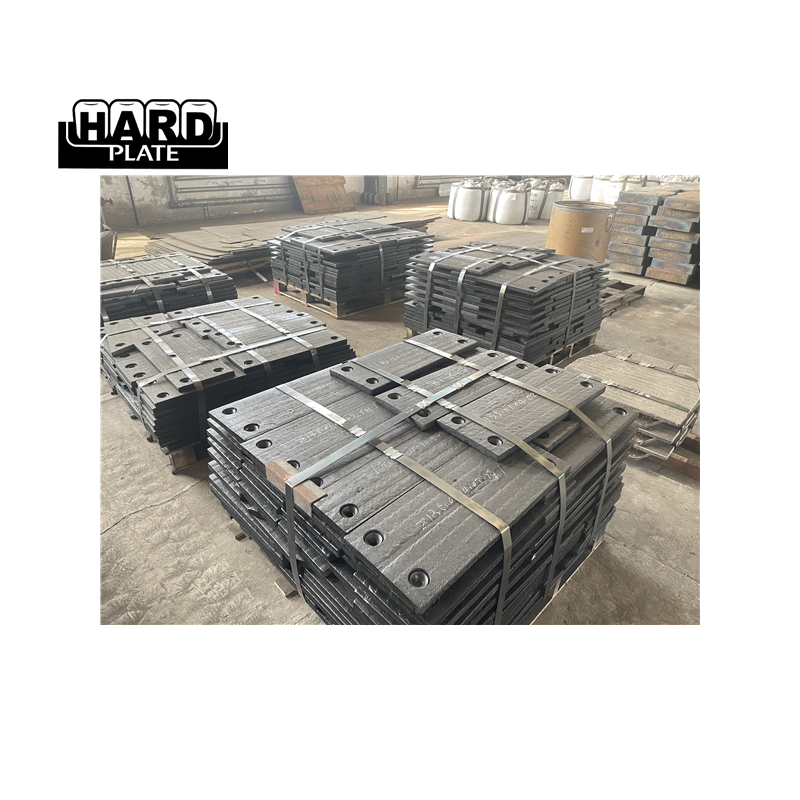
A wear resistant liner can be manufactured in plates, strips, tiles, sheets, or shaped modules to match the equipment layout. This flexibility helps cover flat walls, curved sections, corners, feed zones, and discharge points without leaving exposed areas. The wear resistant liner may use bolt-on, weld-on, bonded, or mechanically locked installation, giving buyers options for both new equipment and existing machinery. Correctly fitted panels reduce gaps where material can collect and limit damage around fasteners. When one section reaches its service limit, a wear resistant liner can often be changed locally rather than removed as a complete system. That feature shortens maintenance windows and reduces wasted material. Custom cutting and pre-drilled holes can further simplify work at the plant, especially where access is restricted. For operations that cannot afford long shutdowns, the wear resistant liner supports planned repairs with fewer tools and less hot work. Its modular design also lets teams keep standard replacement pieces in stock, improving response time when an inspection identifies a worn area.
Reliable Flow in Demanding Applications

Reliable Flow in Demanding Applications

A wear resistant liner does more than protect a wall; it can improve the way material travels through equipment. A smooth, low-friction surface may reduce sticking, buildup, and blockage in chutes, bins, feeders, and hoppers. The wear resistant liner helps maintain a consistent internal profile, which supports steadier discharge and fewer manual interventions. In wet or sticky service, a suitable polymer surface can limit adhesion, while a hard mineral or metal surface can resist sharp particles and high impact. The wear resistant liner must still match the load, temperature, moisture, particle size, and flow speed, because the best material for one duty may not suit another. This application-led design protects performance as well as structure. For customers, improved flow can support higher availability, cleaner transfer points, and safer working conditions around the equipment. The wear resistant liner is especially useful in mining, aggregate, cement, steel, recycling, grain, and power operations where material movement remains continuous and costly interruptions quickly affect output.

Copyright © Shenyang Hard Welding Surface Engineering Co., ltd.  -  Privacy policy