Wear Liners for Reliable Material Protection

All Categories

wear liners

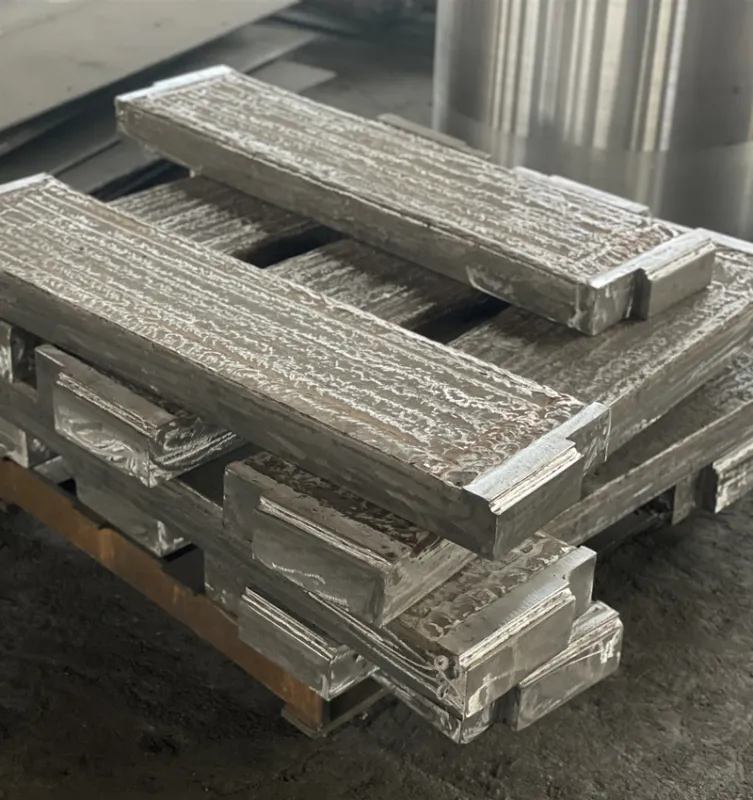
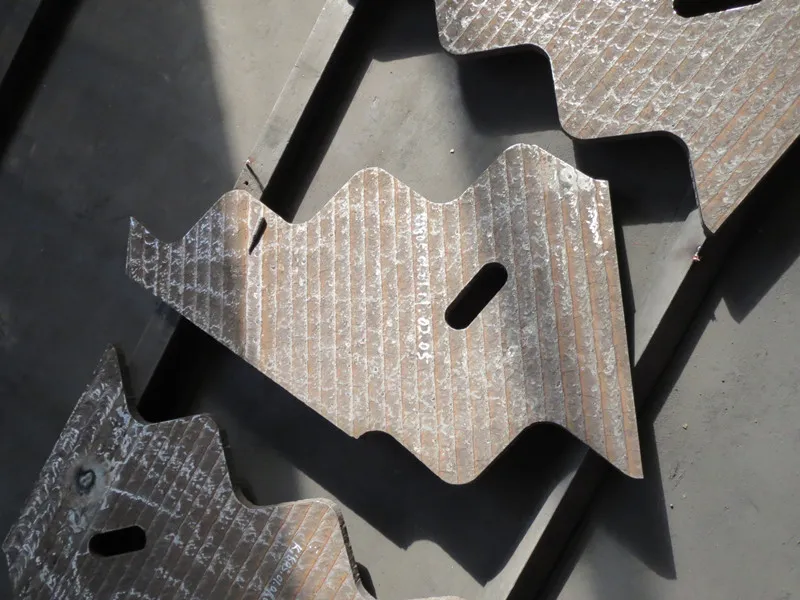
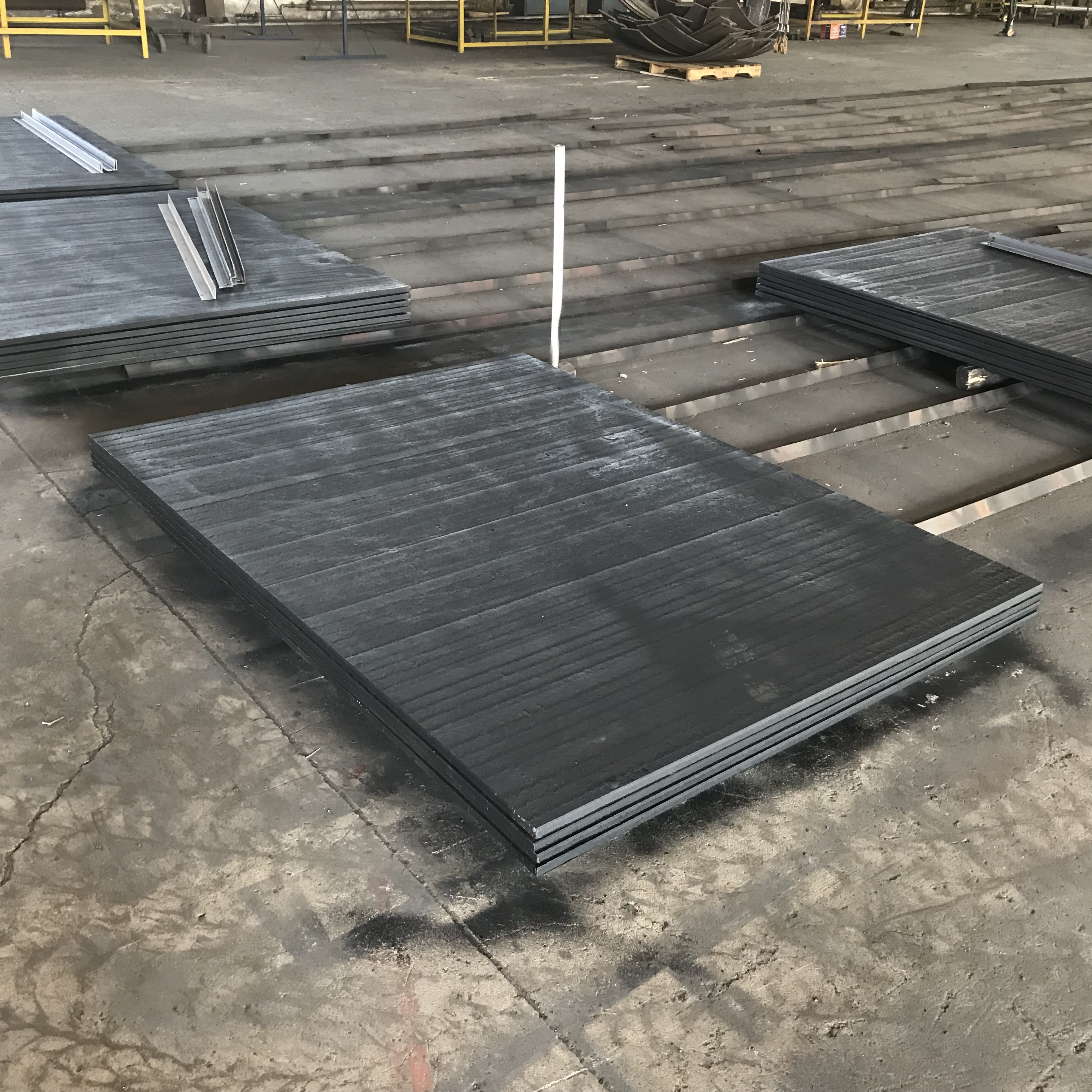
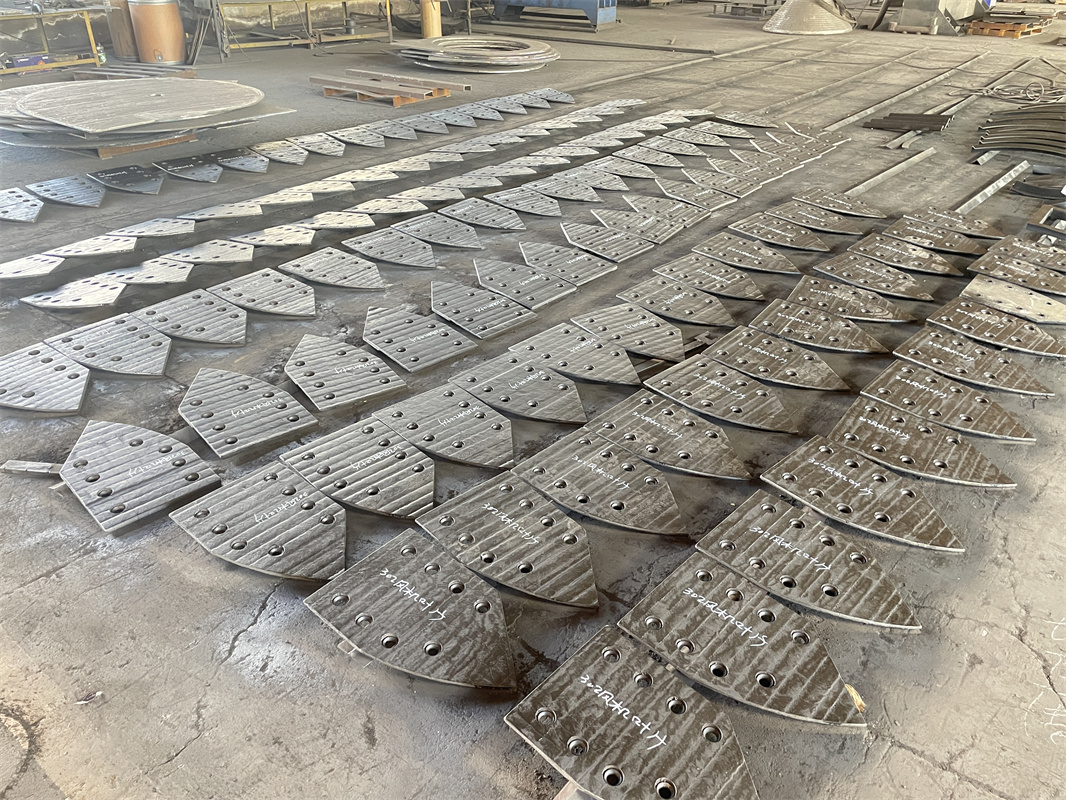
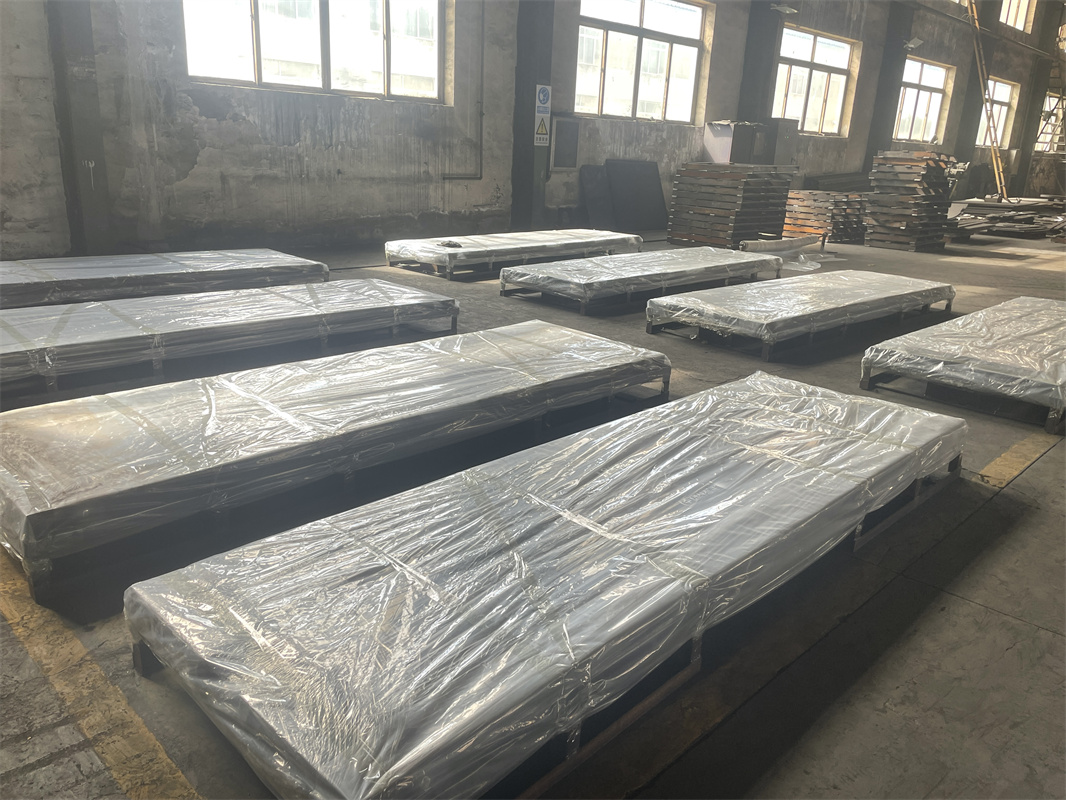
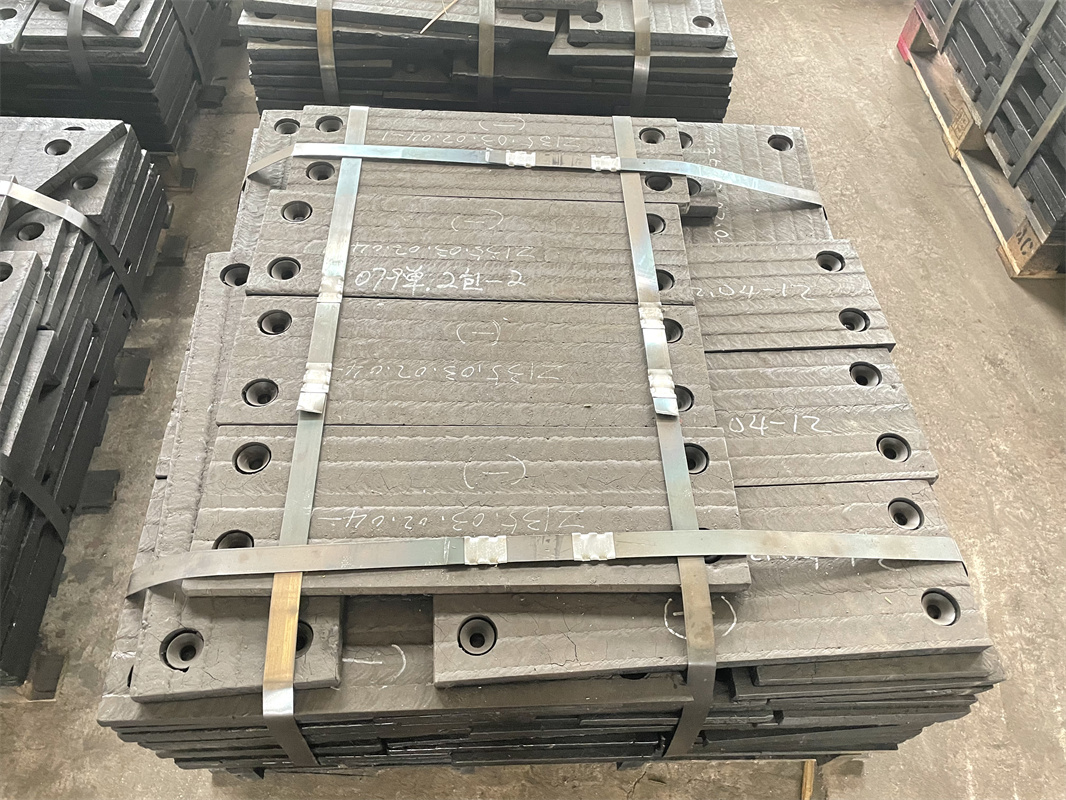
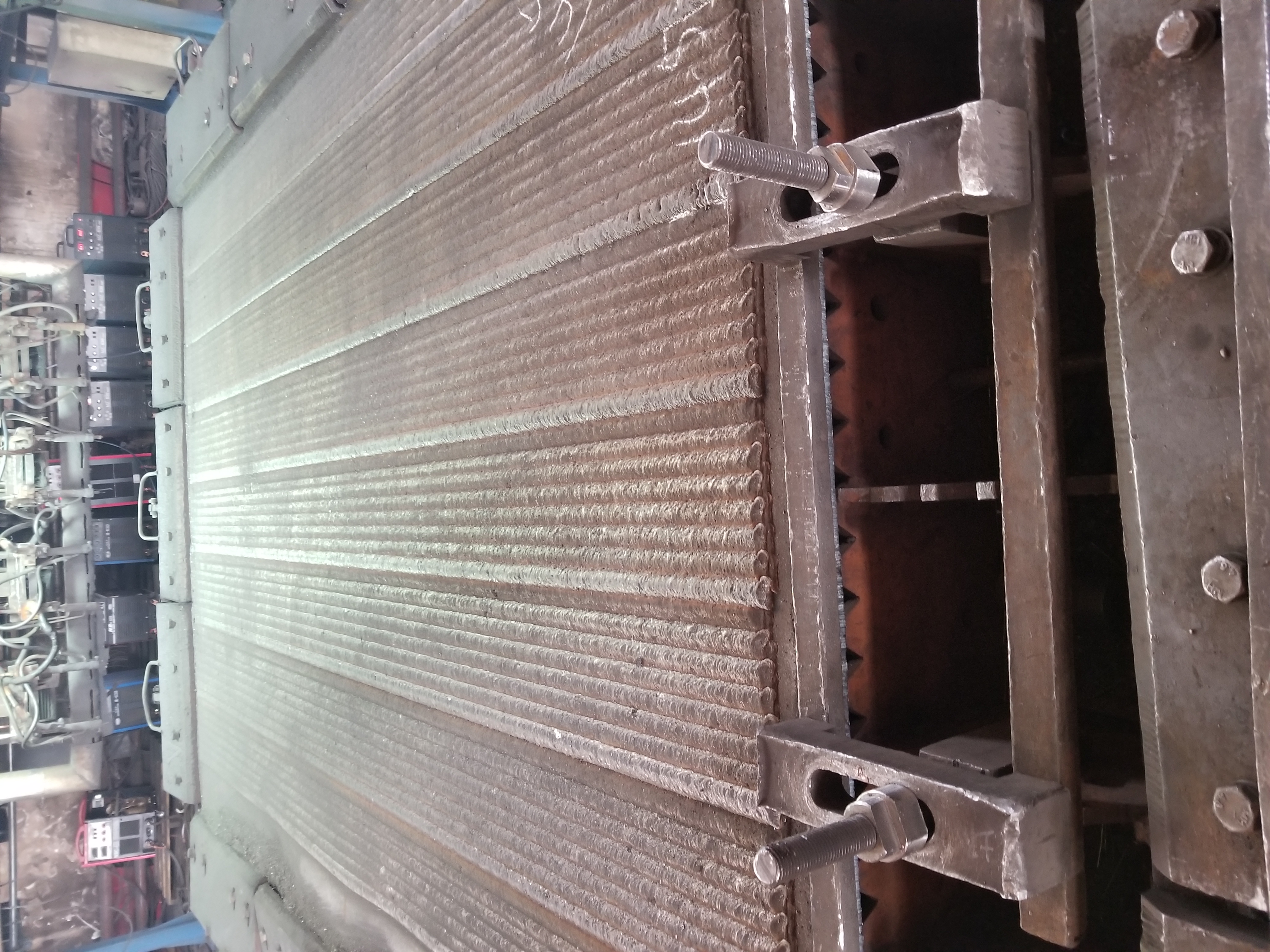
Wear liners are replaceable protective components that shield the inner surfaces of equipment from impact, abrasion, sliding wear, and heat. They sit between processed material and the machine body, helping preserve chutes, hoppers, bins, crushers, mixers, screens, and conveyor transfer points. These wear liners reduce direct contact with steel or other structural surfaces, which slows damage and extends service life. In demanding operations, wear liners can also improve material flow by creating a smoother, more consistent surface. By using wear liners, operators can reduce unplanned stoppages, control repair costs, and protect valuable production equipment. Engineered wear liners are available in rubber, polyurethane, ceramic, cast metal, and composite designs, allowing buyers to select a solution for the material, temperature, impact level, and operating environment. Rubber wear liners absorb shock and reduce noise, while ceramic wear liners handle severe abrasion. Metal options suit high-impact areas, and polyurethane wear liners offer a useful balance of flexibility, wear resistance, and low friction. Wear liners protect equipment from sharp rock, ore, coal, sand, gravel, cement, grain, and other bulk materials. Their shape, thickness, fastening method, and hardness can be tailored to each application. Many wear liners use bolt-on, molded, bonded, or modular installation methods to simplify replacement. Properly selected wear liners support safer inspections because they provide a clear, replaceable wear surface. In demanding plants, wear liners help maintain equipment performance, reduce maintenance frequency, and keep material handling systems productive.

New Product Recommendations

Wear liners deliver practical value by moving damage away from expensive equipment frames and onto replaceable components. This simple approach helps buyers protect their original investment while planning maintenance around production schedules. When wear liners take the force of falling, sliding, or rotating material, the supporting structure remains stronger for longer. That can lower the need for welding, plate replacement, emergency repairs, and extended shutdowns. Wear liners also help operators achieve more predictable maintenance costs because teams can inspect the lining and replace worn sections before damage reaches the machine body. This benefit is especially useful for plants that handle abrasive feed every day. Different wear liners suit different working conditions. Rubber designs work well where impact, noise, and vibration are concerns. Ceramic designs suit high-abrasion zones with limited impact. Cast metal wear liners support harsh impact and heavy loads, while polyurethane options perform well in chutes, screens, and transfer areas that need low friction. The right choice depends on material size, drop height, moisture, temperature, speed, and available installation space. Wear liners can improve flow by reducing rough edges and material hang-ups. Better flow may reduce blockages, carryback, and manual clearing, helping crews work more safely. Many wear liners arrive as pre-cut panels or shaped modules, so installation teams can complete changes faster and reduce time inside hazardous areas. Buyers should compare service life, total replacement cost, fastening design, lead time, and supplier support rather than focusing only on purchase price. Well-matched wear liners provide longer intervals between changes, protect downstream components, and help production equipment run with greater consistency.

Tips And Tricks

Hardfacing Overlay on Mill Rollers: How It Extends Service Life in Cement and Mining

28

Feb

Hardfacing Overlay on Mill Rollers: How It Extends Service Life in Cement and Mining

What Is Hardfacing Overlay and Why It Matters for Industrial DurabilityHardfacing overlay works as a specialized technique in surface engineering where wear resistant alloys like chromium carbide or cobalt based materials get applied onto important m...
View More
Chromium Carbide Hardfacing Overlay on Mill Rollers: Performance Advantages Explained

28

Feb

Chromium Carbide Hardfacing Overlay on Mill Rollers: Performance Advantages Explained

Metallurgical Foundation of Chromium Carbide Hardfacing OverlayCr³C² Carbide Distribution and >600 BHN Hardness MechanismThe chromium carbide hardfacing overlay gets its remarkable surface hardness from the way Cr3C2 carbides are distributed across t...
View More
How Chrome Carbide Plate Extends the Service Life of Heavy-Duty Machinery?

17

Jun

How Chrome Carbide Plate Extends the Service Life of Heavy-Duty Machinery?

Why Chrome Carbide Plate Delivers Superior Wear Resistance Hardness and Microstructure: Chromium Carbides as the Core Wear-Resistant Phase Chrome carbide plate achieves exceptional wear resistance through its engineered microstructure. During manuf...
View More
How Premium Chromium Carbide Wear Plates Can Significantly Reduce Your Plant’s Downtime

17

Jun

How Premium Chromium Carbide Wear Plates Can Significantly Reduce Your Plant’s Downtime

Why Chromium Carbide Wear Plates Deliver Unmatched Wear ResistanceMicrostructure and Hardness: How CrC Overlay Achieves 60–65 HRC Surface HardnessThe exceptional wear resistance of premium chromium carbide (CrC) wear plates stems from their engineere...
View More

Get a Free Quote

Our representative will contact you soon.
Name
Email
Tel / WhatsApp
Company Name
Message
0/1000

wear liners

Material Options Matched to Real Operating Conditions

Material Options Matched to Real Operating Conditions

A major strength of wear liners is the choice of materials available for different levels of impact, abrasion, temperature, and noise. Rubber wear liners cushion heavy blows and reduce sound, making them useful in transfer chutes, bins, and areas near personnel. Ceramic wear liners provide a hard surface for fine, highly abrasive material, helping resist rapid surface loss. Metal wear liners handle large rocks and severe impact where softer products may deform. Polyurethane wear liners offer flexibility, low friction, and good resistance to wet or sticky material. Composite designs combine more than one material to balance toughness and wear life. This range allows buyers to choose wear liners based on actual operating conditions instead of using one product everywhere. A properly matched material can extend replacement intervals, reduce secondary damage, and deliver a better return over the full equipment life.
Designed for Faster, Safer Maintenance

Designed for Faster, Safer Maintenance

Wear liners can simplify maintenance through modular shapes, pre-drilled panels, molded sections, and accessible fastening systems. Instead of rebuilding a damaged chute or replacing a large steel section, a maintenance team can remove only the worn component. This focused repair reduces labor, limits lifting work, and shortens the time equipment stays offline. Wear liners also create a visible wear surface, allowing inspectors to identify thinning, cracking, or loose fasteners during planned checks. Early action helps prevent sudden failures and protects workers from emergency repair conditions. Some wear liners use bolt-on designs for quick field changes, while bonded or molded products provide a smooth, low-profile surface where space is limited. Suppliers may also provide drawings, wear maps, replacement schedules, and installation guidance. These details help buyers plan inventory, select the right tools, and make maintenance more consistent across multiple machines and locations.
Protection That Supports Long-Term Efficiency

Protection That Supports Long-Term Efficiency

Well-selected wear liners do more than prevent holes in equipment. They help maintain a stable material path, which can reduce hang-ups, blockages, spillage, and uneven loading. A consistent flow protects nearby components and helps conveyors, crushers, screens, and feeders operate closer to their intended performance. Wear liners may also reduce friction and noise, improving the working environment and limiting energy losses in selected applications. Their replaceable design lets operators renew the most exposed areas without discarding the complete machine. Over time, this approach can lower total ownership cost and preserve production capacity. For demanding sites, wear liners provide a practical layer of protection against abrasive ore, rock, sand, coal, cement, grain, and recycled materials. By reviewing wear patterns and updating liner layout when needed, buyers can improve coverage and gain longer, more predictable operating periods.

Copyright © Shenyang Hard Welding Surface Engineering Co., ltd.  -  Privacy policy