Wear Resistant Plate for Heavy-Duty Service

All Categories

wear resistant plate

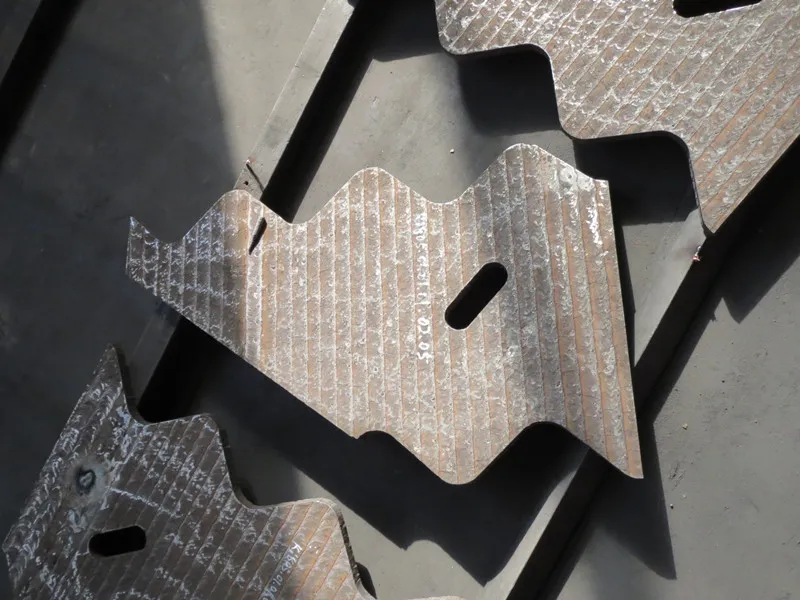
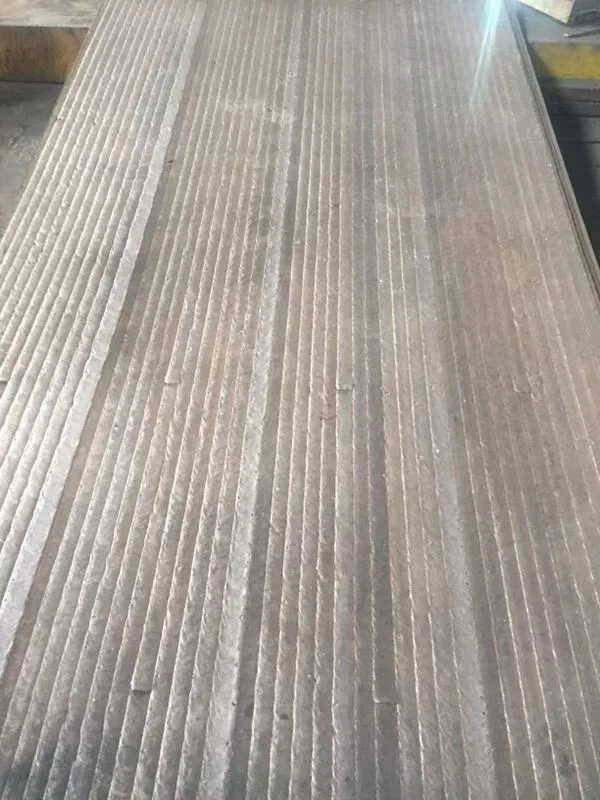
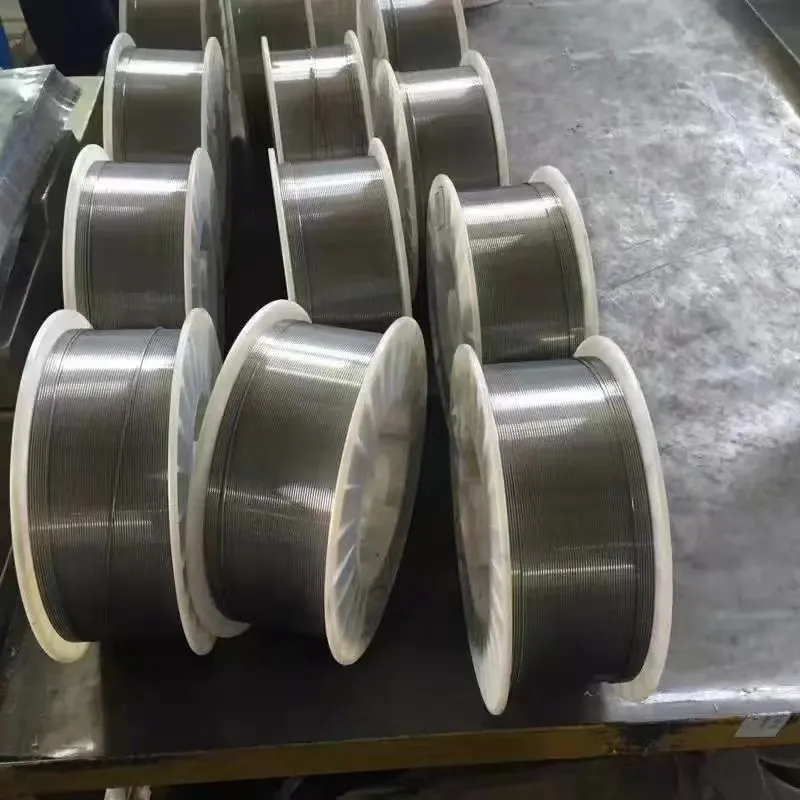
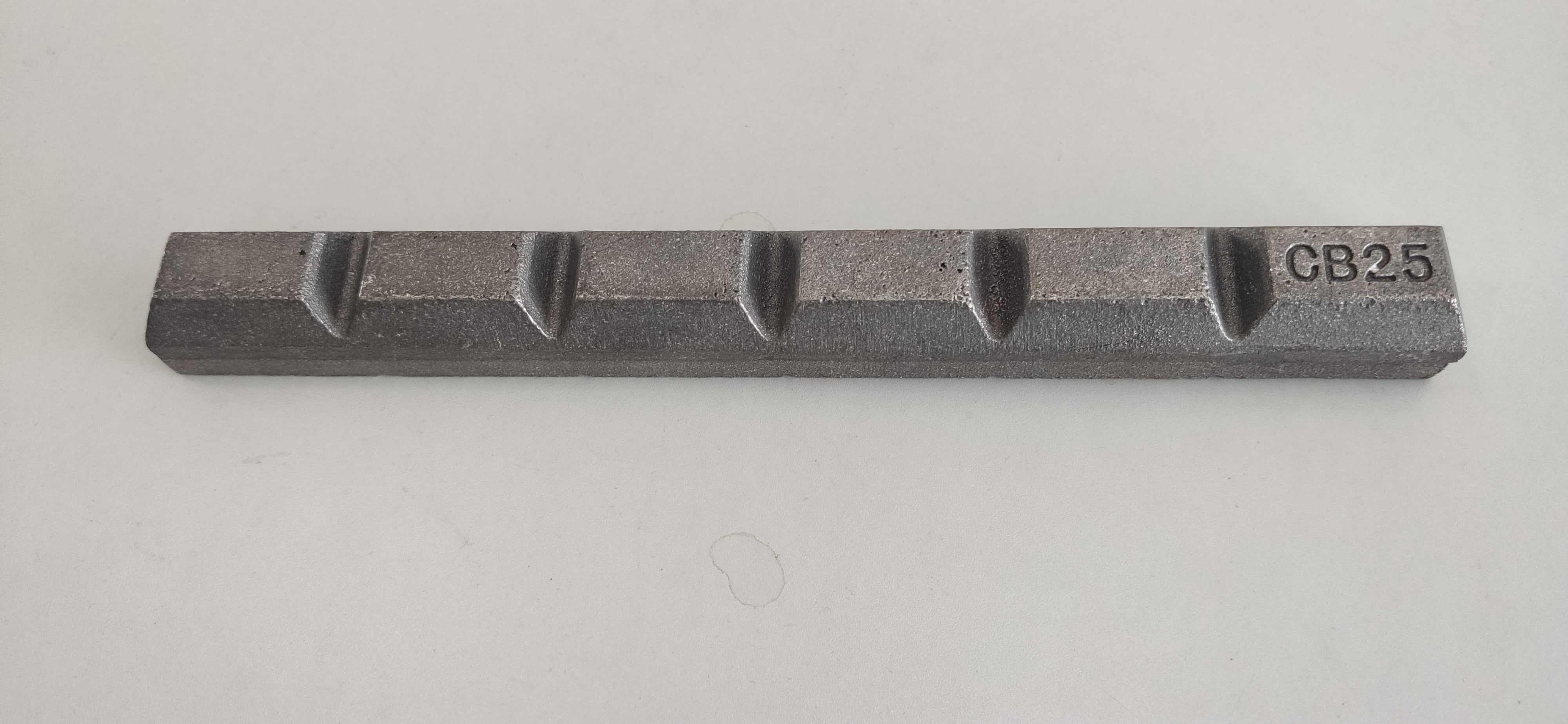
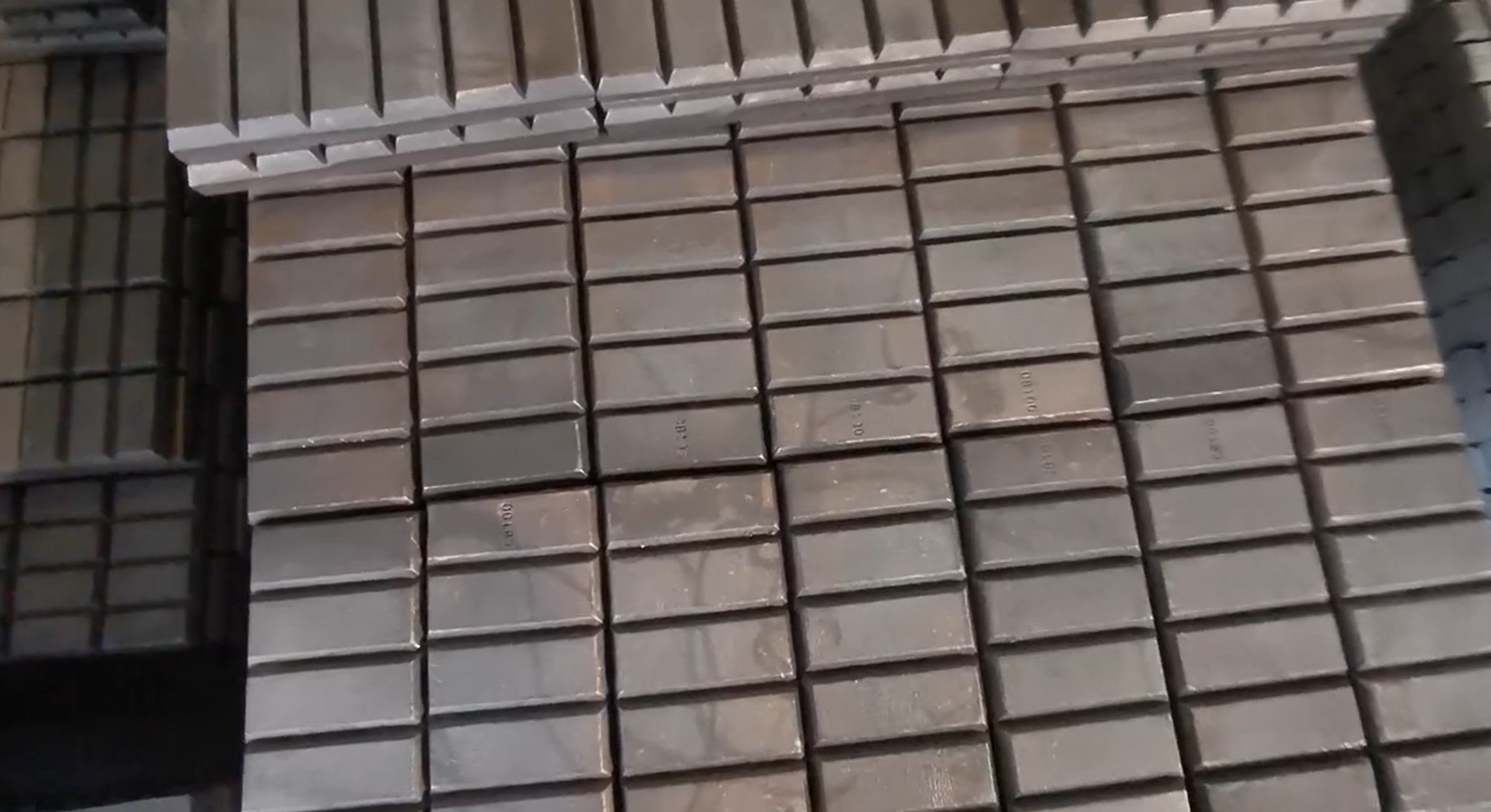
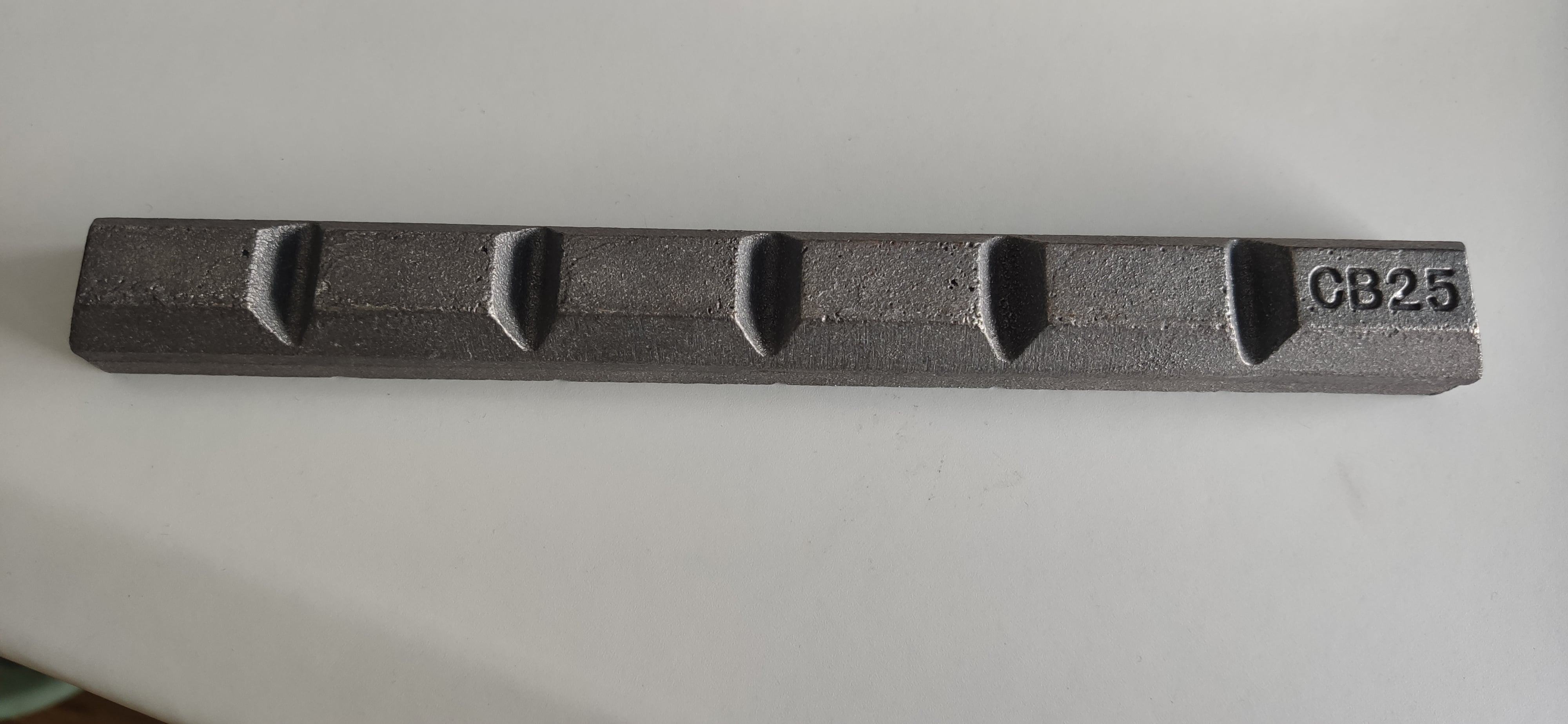
A wear resistant plate is a steel product designed to protect equipment from continuous abrasion, impact, and material sliding. It helps extend the working life of hoppers, chutes, bins, screens, feeders, conveyor parts, and truck bodies that handle rock, ore, sand, coal, cement, scrap, or other harsh materials. The wear resistant plate places a hard, durable surface between the moving material and the supporting structure, reducing metal loss and unplanned repairs. The wear resistant plate can use alloy steel, heat treatment, or a hard overlay to achieve a practical balance between hardness and toughness. Its final performance depends on plate grade, thickness, impact conditions, material size, operating temperature, and installation quality. This wear resistant plate can be supplied in standard sheets or cut into shapes that match a customer's equipment. A wear resistant plate may also be drilled, bent, welded, or machined when the correct procedures and compatible consumables are used. Common technological features include controlled chemical composition, uniform hardness, strong bonding between layers, smooth surface quality, and stable dimensions after processing. A wear resistant plate with consistent properties gives engineers a more reliable basis for sizing and replacement planning. Buyers can choose a wear resistant plate for moderate, severe, or combined impact and abrasion service. The right wear resistant plate reduces surface damage while helping the base structure retain its shape. For this reason, a wear resistant plate is widely used where ordinary structural steel wears too quickly. With suitable testing and traceability, a wear resistant plate supports safer operation, predictable maintenance, and longer equipment availability across demanding industries.

New Products

The main advantage of a wear resistant plate is longer service life in equipment exposed to aggressive materials. Instead of replacing a thin structural wall again and again, the operator can install a wear resistant plate at the point of contact and delay the next repair. This lowers spending on labor, welding, spare parts, shutdowns, and lost production. A wear resistant plate also helps maintain the intended shape of a chute, hopper, or liner. When surfaces wear unevenly, flow can slow, blockages can appear, and equipment can receive extra stress. By controlling wear, a wear resistant plate supports smoother material movement and more stable output. The wear resistant plate suits mining, quarrying, recycling, agriculture, power generation, construction, and cement production because each industry handles abrasive or heavy materials. Customers can select thickness and hardness according to the balance between sliding abrasion and sudden impact. A wear resistant plate with higher toughness is useful where large rocks strike the surface, while a harder wear resistant plate can serve fine, highly abrasive material. This choice prevents buyers from paying for an unsuitable grade or excessive thickness. The wear resistant plate can arrive cut to drawing, which reduces workshop preparation and speeds installation. Its predictable dimensions also simplify replacement work and help maintenance teams keep common sizes in stock. Because a wear resistant plate protects the original frame, customers may avoid replacing an entire component. That creates value beyond the plate price. Clear certificates, hardness data, and inspection records make the wear resistant plate easier to approve for projects and easier to compare between suppliers. In practical terms, the wear resistant plate helps a business achieve fewer interruptions, better asset utilization, and a more controlled maintenance budget.

Practical Tips

Chromium carbide overlay plate extends equipment service life and reduces maintenance costs

23

Mar

Chromium carbide overlay plate extends equipment service life and reduces maintenance costs

Why Chromium Carbide Overlay Plate Delivers Superior Wear Resistance Metallurgical Foundation: Chromium carbide hard phases in austenitic/martensitic matrix (HRC 60–65) Chromium carbide overlay plates offer outstanding wear resistance thanks ...
View More
Abrasion resistant plate improves durability of mining equipment and heavy machinery

23

Mar

Abrasion resistant plate improves durability of mining equipment and heavy machinery

Why Abrasion Resistant Plate Is Essential for Mining Equipment Durability The Wear Challenge: High-velocity, high-impact ore handling accelerates component failure The harsh conditions in mining operations really take a toll on equipment. High spee...
View More
5 Critical Signs You Need to Upgrade Your Hardfacing Welding Electrode to Flux-Cored Wire

17

Jun

5 Critical Signs You Need to Upgrade Your Hardfacing Welding Electrode to Flux-Cored Wire

Inconsistent Bead Geometry and Surface FinishHow excessive dilution from traditional welding electrode degrades contour control and increases post-weld reworkWhen a conventional welding electrode deposits metal onto a hardfacing surface, excessive di...
View More
How Premium Chromium Carbide Wear Plates Can Significantly Reduce Your Plant’s Downtime

17

Jun

How Premium Chromium Carbide Wear Plates Can Significantly Reduce Your Plant’s Downtime

Why Chromium Carbide Wear Plates Deliver Unmatched Wear ResistanceMicrostructure and Hardness: How CrC Overlay Achieves 60–65 HRC Surface HardnessThe exceptional wear resistance of premium chromium carbide (CrC) wear plates stems from their engineere...
View More

Get a Free Quote

Our representative will contact you soon.
Name
Email
Tel / WhatsApp
Company Name
Message
0/1000

wear resistant plate

Longer Protection Under Abrasive Service

Longer Protection Under Abrasive Service

A wear resistant plate creates a durable working surface for equipment that faces sand, stone, ore, coal, or scrap every day. Its controlled hardness slows material removal when particles slide, fall, or strike the metal. The wear resistant plate therefore lasts longer than ordinary mild steel in many high-contact locations. This benefit matters most in chutes, hoppers, liners, and conveyor transfer points, where a small weak area can quickly become a hole or distortion. A wear resistant plate helps preserve the original equipment profile, so material keeps moving through the intended path. Operators can schedule replacement during planned maintenance instead of reacting to sudden failure. The wear resistant plate also allows buyers to focus protection where wear is greatest, rather than making every component from costly premium material. With suitable thickness and grade selection, a wear resistant plate provides dependable coverage, reduces replacement frequency, and gives production teams greater confidence in equipment availability.
Balanced Hardness and Impact Toughness

Balanced Hardness and Impact Toughness

A wear resistant plate must do more than resist surface scratching; it must also survive impact without cracking or breaking. Modern production controls heating, cooling, chemistry, and hardness so the plate can handle the specific combination of force and abrasion found in service. A wear resistant plate with balanced toughness works well beneath falling rock, heavy scrap, or uneven loads. A wear resistant plate with a suitable hardness level can resist sliding particles while retaining enough strength for fabrication and support. This balance gives buyers more practical value than choosing the hardest available material without considering impact. Engineers can match the wear resistant plate to particle size, drop height, temperature, and equipment design. The result is a component that protects the base structure without creating unnecessary fabrication problems. Consistent properties across the sheet also make a wear resistant plate more predictable during cutting, welding, and installation, helping maintenance teams achieve dependable results from one replacement to the next.
Flexible Fabrication and Lower Maintenance Cost

Flexible Fabrication and Lower Maintenance Cost

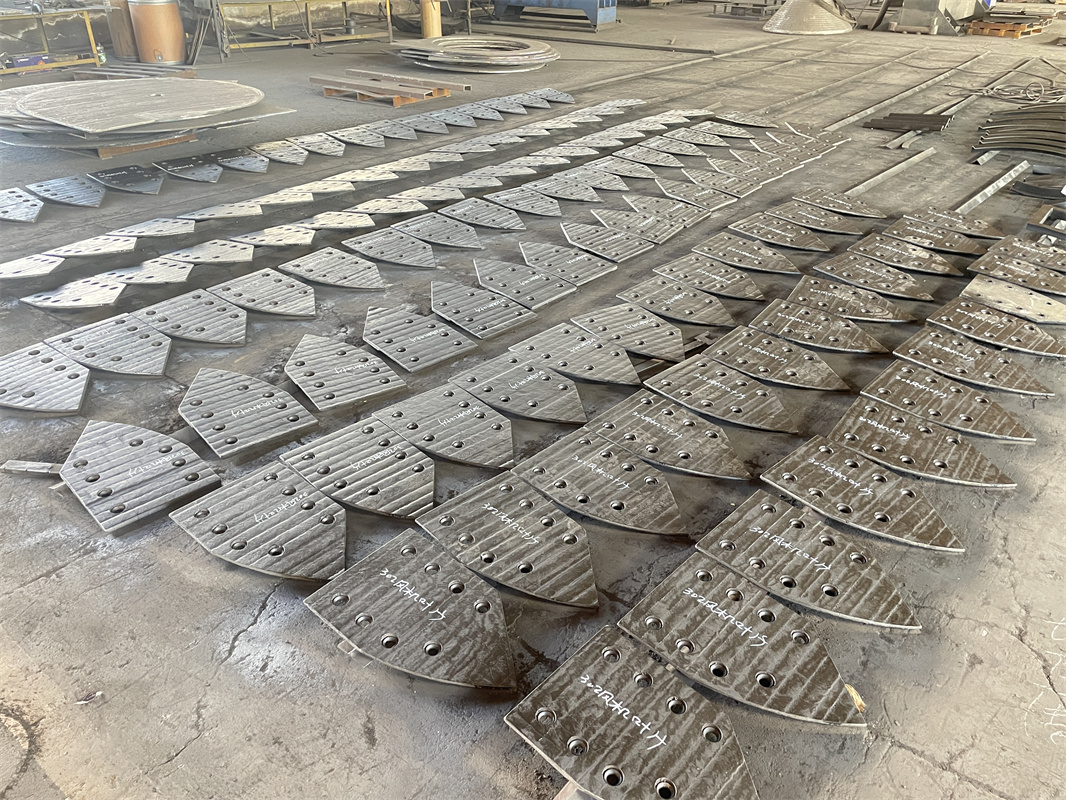
A wear resistant plate becomes more useful when suppliers can cut, drill, bend, and prepare it to a customer's drawing. Ready-to-install shapes reduce measuring, fitting, and workshop work at the plant. This shortens repair time and helps crews return equipment to service faster. The wear resistant plate can be used as a complete liner, a replaceable panel, or a reinforcement section over an existing structure. That flexibility lets buyers protect high-wear zones without redesigning an entire machine. A wear resistant plate also supports planned maintenance because teams can order repeat parts with known dimensions and material data. Less field modification means fewer delays, less hot work, and more consistent installation quality. When the correct grade and welding method are selected, a wear resistant plate can deliver reliable protection without excessive downtime. For businesses managing many machines, the wear resistant plate simplifies inventory planning and helps reduce the total cost of ownership over the equipment's working life.

Copyright © Shenyang Hard Welding Surface Engineering Co., ltd.  -  Privacy policy