Wear Grinding Roller for Efficient Milling

All Categories

Wear Grinding Roller

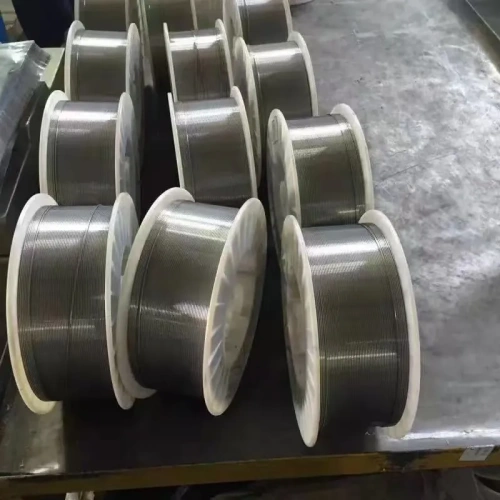
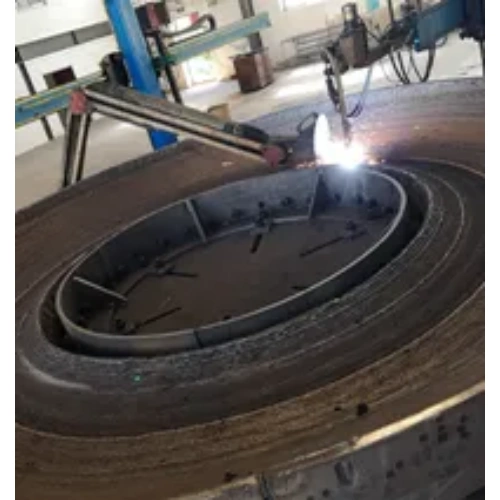
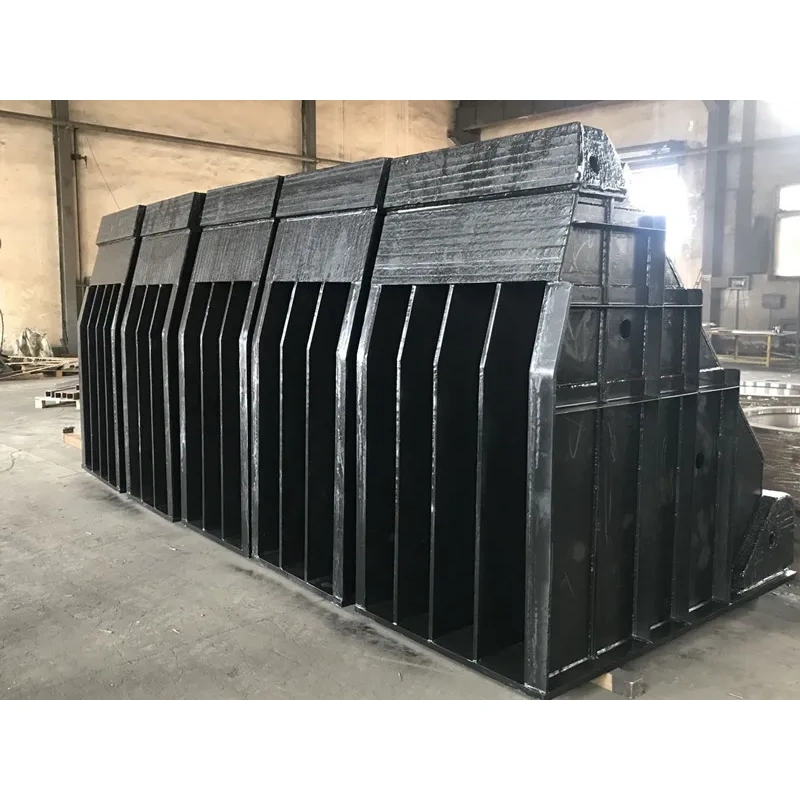
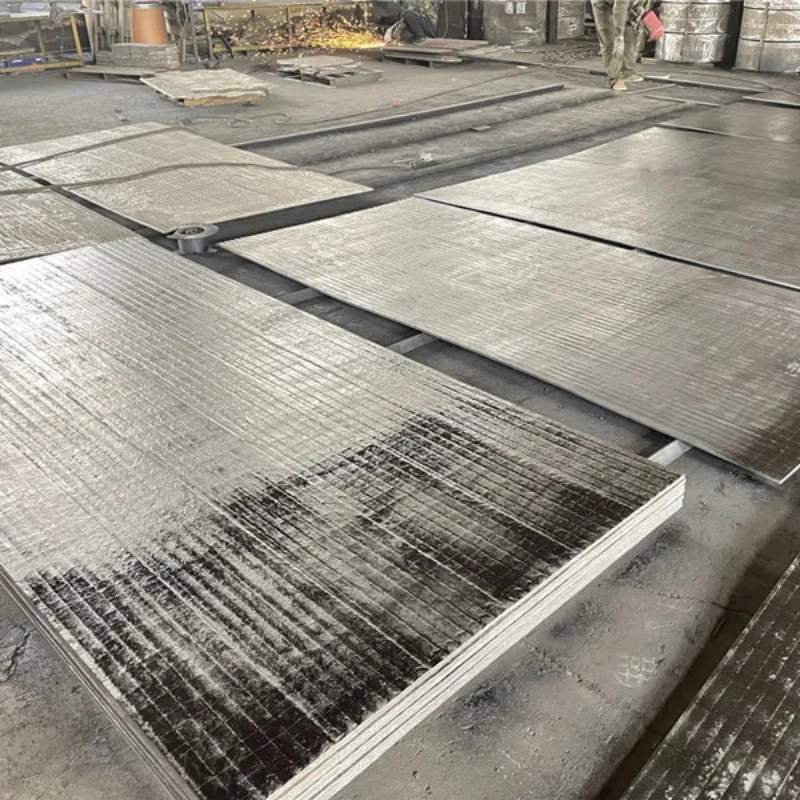
A Wear Grinding Roller is a replaceable working component used in vertical mills, roller mills, and mineral processing equipment. It presses against a rotating table or bed to crush, grind, and refine bulk materials. The Wear Grinding Roller supports steady production by applying controlled pressure while material passes through the grinding zone. It commonly handles cement raw meal, clinker, coal, slag, limestone, gypsum, ores, and other abrasive feedstocks. A properly selected Wear Grinding Roller helps maintain product fineness, throughput, and equipment stability. The main function of a Wear Grinding Roller is to transfer grinding force efficiently without unnecessary energy loss. Its surface profile also guides material flow and supports consistent contact with the grinding table. Depending on the process, a Wear Grinding Roller may use a cast alloy, welded hard-facing layer, or composite wear surface. These designs resist impact, abrasion, heat, and repeated loading. Modern Wear Grinding Roller products can include optimized geometry, reinforced cores, replaceable segments, and precision-machined mounting areas. These features simplify installation and help operators restore mill performance quickly. The Wear Grinding Roller is available in different sizes, shapes, and material grades to match mill capacity and feed conditions. Engineers usually consider roller diameter, operating speed, material hardness, moisture, temperature, and required output before selecting a model. In daily operation, the Wear Grinding Roller works as part of a complete grinding system, so correct alignment and pressure settings remain important. For plants seeking dependable grinding, a Wear Grinding Roller offers a practical combination of crushing power, wear resistance, service access, and process control. It suits new equipment, scheduled rebuilds, and replacement projects where reliable long-term operation matters.
Popular Products

Choosing a Wear Grinding Roller can deliver clear value across production, maintenance, and purchasing decisions. First, the component supports stable grinding, which helps a plant maintain target fineness and predictable output. A Wear Grinding Roller with a suitable surface design can process hard or abrasive feed without rapid loss of working profile. This reduces interruptions caused by frequent replacement and gives operators more useful production time. The right Wear Grinding Roller can also lower energy waste. Its contact shape distributes pressure across the material bed, allowing the mill to grind efficiently rather than relying on excessive force. Lower power demand can reduce operating cost, especially in plants that run continuously. Service life is another important buyer benefit. A Wear Grinding Roller made with a wear-resistant working layer withstands repeated impact and abrasion, so maintenance teams can plan changes during scheduled shutdowns. This improves labor planning and reduces the risk of an unexpected mill stop. Many designs also support repair or replacement of worn sections instead of requiring a complete assembly. That option can reduce inventory cost and shorten restoration time. The Wear Grinding Roller fits many applications because manufacturers can adapt size, profile, alloy, and hard-facing method to the material being processed. Cement, coal, slag, minerals, and industrial residues may each require a different balance of toughness and surface hardness. Buyers should compare expected feed conditions, mill model, output target, and replacement access before ordering. A reliable Wear Grinding Roller should match the original dimensions and load requirements, while offering documented material quality and inspection support. For high-volume plants, this component can improve availability and cost control. For smaller operations, it can provide a dependable upgrade without replacing the entire mill. In both cases, the practical value comes from longer service, steady product quality, simpler maintenance, and better confidence in daily production.

Practical Tips

How to Select the Best Wear Resistant Liner for Material Handling Systems

27

Oct

How to Select the Best Wear Resistant Liner for Material Handling Systems

Material handling systems are continuously exposed to abrasive materials, impact, friction, and repeated material flow. In industries such as mining, quarrying, cement, metallurgy, power generation, and bulk material processing, components including ...
View More
How to Select a Mill Liner for Improved Grinding Efficiency and Wear Protection

27

Oct

How to Select a Mill Liner for Improved Grinding Efficiency and Wear Protection

Grinding mills operate under continuous mechanical stress and severe abrasive conditions. In mining and mineral processing operations, large quantities of ore are repeatedly lifted, dropped, crushed, and ground inside the mill. Without effective prot...
View More
How to Evaluate Chromium Carbide Wear Plate Quality Before Procurement

27

Oct

How to Evaluate Chromium Carbide Wear Plate Quality Before Procurement

For industries exposed to severe abrasive wear, selecting the right chromium carbide wear plate is an important purchasing decision. Mining, cement, metallurgy, power generation, quarrying, and bulk material handling equipment can all experience rapi...
View More
Chromium Carbide Plate: Features, Benefits, and Industrial Applications

27

Oct

Chromium Carbide Plate: Features, Benefits, and Industrial Applications

Heavy industrial equipment is often exposed to severe abrasion from rocks, minerals, coal, cement raw materials, sand, and other abrasive materials. Over time, continuous contact with these materials can cause significant surface wear, reducing compo...
View More

Get a Free Quote

Our representative will contact you soon.
Name
Email
Tel / WhatsApp
Company Name
Message
0/1000

Wear Grinding Roller

Longer Wear Life Under Demanding Loads

Longer Wear Life Under Demanding Loads

The Wear Grinding Roller is built to face continuous pressure, friction, impact, and temperature changes inside a working mill. Its wear surface can use specially selected alloys or hard-facing materials that resist gradual loss while preserving the roller profile. This matters because an uneven or undersized roller can reduce grinding efficiency and make product quality harder to control. With the right Wear Grinding Roller, operators can extend the time between maintenance events and schedule replacement around planned shutdowns. The result is less emergency work, fewer production interruptions, and improved use of maintenance labor. A durable surface also protects the supporting body, helping the assembly remain reliable through repeated operating cycles. Buyers benefit from a clearer service-life estimate and better control of spare-part planning. The Wear Grinding Roller can be specified according to feed hardness, moisture, impact level, and mill speed, so the wear solution fits the actual process rather than relying on a generic design. This makes it a strong choice for abrasive cement, coal, slag, and mineral applications.
Stable Grinding and Consistent Output

Stable Grinding and Consistent Output

A well-designed Wear Grinding Roller helps maintain steady contact between the roller and the material bed. Its geometry supports an even pressure pattern, allowing the mill to crush and grind feed in a controlled way. Stable contact can improve fineness consistency, reduce sudden load changes, and help operators keep production closer to the desired target. The Wear Grinding Roller also supports efficient material movement across the grinding table. When the roller profile remains intact, the mill can work with less unnecessary pressure and avoid conditions that create excess vibration. This may improve energy use and make routine process adjustment easier. For customers, the value extends beyond the component itself: consistent output can simplify downstream handling, blending, packaging, and quality checks. The design can be adapted for different materials and capacities, including raw meal, clinker, gypsum, limestone, coal, and industrial minerals. By matching the Wear Grinding Roller to the mill model and process conditions, plants can gain dependable performance without changing their full production system.
Practical Installation and Maintenance Value

Practical Installation and Maintenance Value

The Wear Grinding Roller is designed as a serviceable part of a larger grinding machine, making it suitable for replacement, refurbishment, and planned equipment upgrades. Correct mounting areas, balanced construction, and accurate dimensions help maintenance crews install the component with fewer adjustments. Some Wear Grinding Roller designs use replaceable segments or renewable surface layers, allowing teams to restore the working area without discarding the complete assembly. This can reduce material waste, storage pressure, and repair expense. A service-friendly Wear Grinding Roller also helps shorten shutdown work when the supplier provides clear drawings, inspection records, and installation guidance. These details give buyers useful assurance before the order and support technicians during commissioning. The component can serve cement plants, power stations, mineral processors, and recycling operations, provided its load rating and material grade match the application. Selecting the correct Wear Grinding Roller protects the mill from avoidable stress and helps maintain dependable production after installation. It offers a practical route to improved reliability without requiring a complete mill replacement.

Copyright © Shenyang Hard Welding Surface Engineering Co., ltd.  -  Privacy policy