
 EN
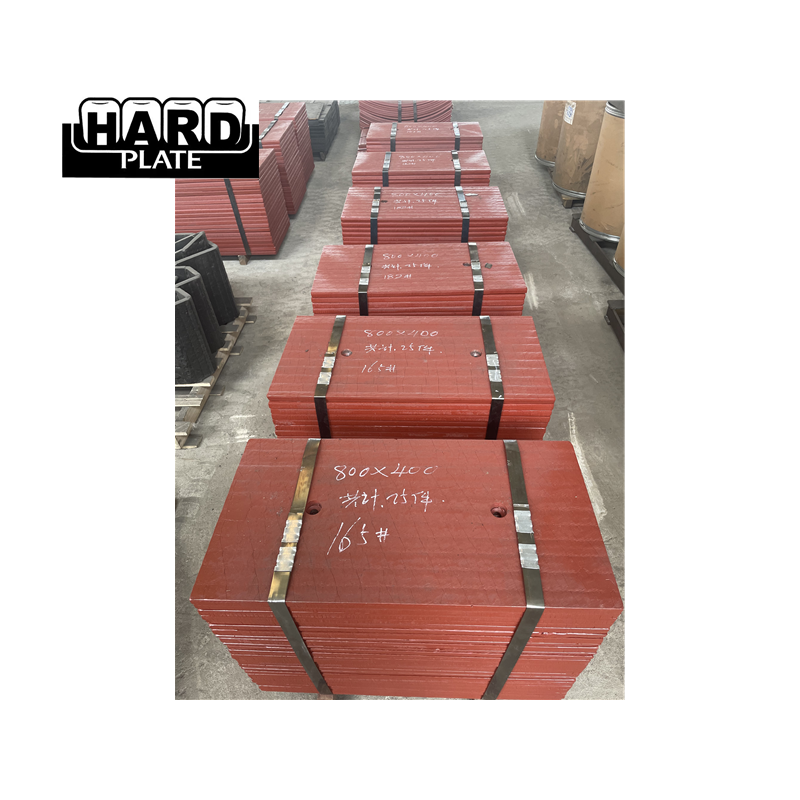
Heavy industrial equipment is often exposed to severe abrasion from rocks, minerals, coal, cement raw materials, sand, and other abrasive materials. Over time, continuous contact with these materials can cause significant surface wear, reducing component thickness, affecting equipment performance, and increasing maintenance requirements.
For applications where conventional steel cannot provide sufficient wear protection, a chromium carbide plate can offer a more specialized solution. By combining a hard chromium carbide-rich wear layer with a steel substrate, this type of wear-resistant plate is designed to protect equipment surfaces against severe abrasive conditions.
Chromium carbide plates are widely used in mining, cement, power generation, metallurgy, material handling, and other industries where equipment operates under demanding wear conditions.
This article explains the structure, key features, benefits, and common industrial applications of chromium carbide plates.
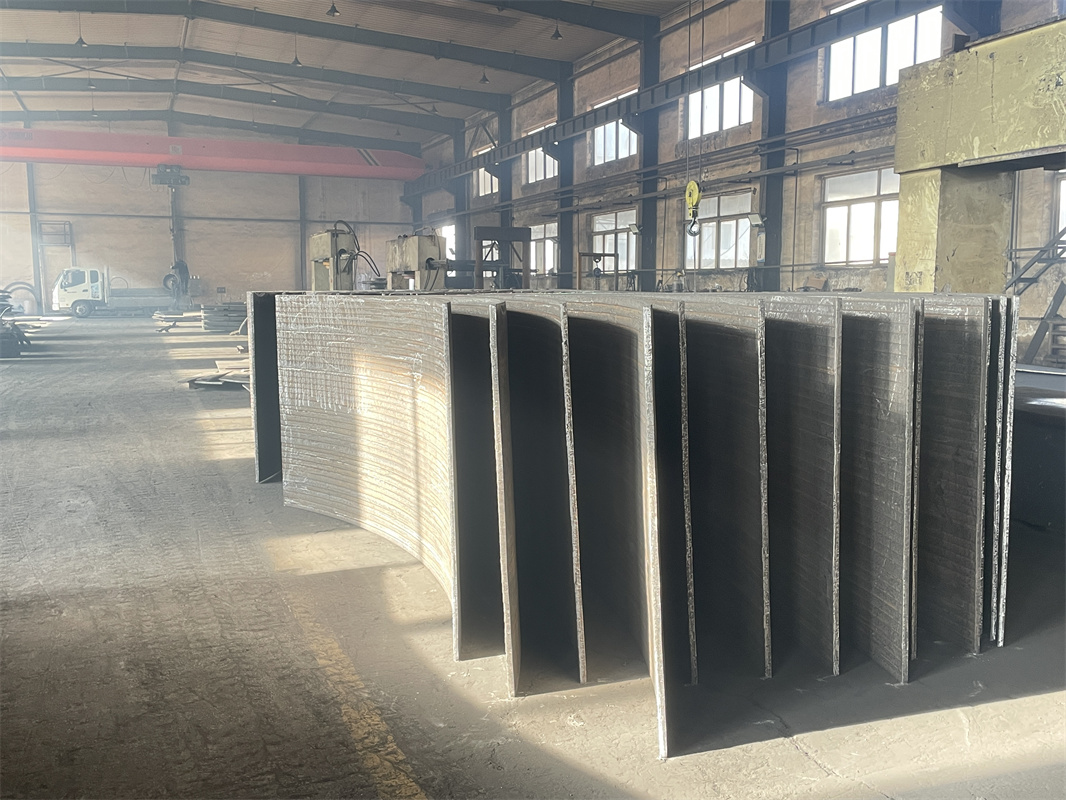
What Is a Chromium Carbide Plate?
A chromium carbide plate is a composite wear-resistant plate that uses chromium carbide-rich hardfacing material to create a highly wear-resistant surface.
Unlike conventional homogeneous steel plates, a chromium carbide overlay plate generally consists of two functional layers:
-
Wear-resistant overlay: A hard alloy layer containing chromium carbides that provides resistance against severe abrasion.
-
Steel substrate: A relatively tough base that provides structural support and helps the component withstand mechanical loads.
The combination of these two layers allows the plate to perform differently from conventional wear-resistant steel.
The surface is designed primarily to resist abrasive wear, while the substrate provides the strength and toughness needed to support the overlay during service.
Hard-plate® specializes in metal-matrix hardfacing wear-resistant steel plates and provides chromium carbide overlay products for demanding industrial applications. Its product range includes CCO wear plates, CCO wear liners, wear-resistant pipes and fittings, and customized wear components.
How Does Chromium Carbide Provide Wear Resistance?
The key to the performance of a chromium carbide plate lies in the hard carbide phases formed within the overlay.
Chromium carbide particles are significantly harder than conventional steel. When abrasive particles slide or impact against the surface, the hard carbide structure helps resist material removal.
The wear mechanism can be simplified as:
Abrasive material → contact with hardfacing surface → carbide structure resists penetration and material removal → underlying substrate remains protected
This makes chromium carbide overlay particularly useful in applications dominated by severe sliding abrasion.
However, chromium carbide plates are not designed simply by maximizing hardness. The composition of the overlay, carbide distribution, substrate properties, bonding, thickness, and manufacturing process all influence the final performance.
Key Features of Chromium Carbide Plates
1. High Abrasion Resistance
The primary feature of a chromium carbide plate is its resistance to abrasive wear.
The hardfacing layer is designed to withstand continuous contact with abrasive particles, making it suitable for applications where standard steel surfaces would wear relatively quickly.
This can be particularly valuable in mining, quarrying, cement production, and bulk material handling, where equipment may operate continuously under severe abrasive conditions.
2. Hard Carbide-Rich Surface
Chromium carbide formations within the overlay provide a hard protective structure.
Instead of relying entirely on the hardness of the base steel, the plate uses a dedicated wear-resistant layer to provide surface protection.
This structure makes CCO plates especially suitable for high-wear zones where abrasive resistance is the primary requirement.
3. Tough Steel Substrate
A chromium carbide plate is not composed entirely of extremely hard material.
The steel substrate provides structural support beneath the hardfacing layer. This is important because heavy industrial equipment can experience vibration, mechanical loads, and impact in addition to abrasion.
The combination of a hard surface and supporting steel substrate creates a practical balance between wear protection and structural performance.
4. Suitable for Severe Wear Environments
Chromium carbide plates are particularly useful where conventional wear-resistant steel cannot provide the required service life.
Typical severe-wear environments include:
-
Mining
-
Quarrying
-
Cement manufacturing
-
Coal handling
-
Power generation
-
Metallurgy
-
Steel production
-
Bulk material processing
The appropriate grade should still be selected according to the specific wear mechanism and operating conditions.
5. Customizable Configuration
Industrial equipment rarely has identical wear patterns across every component.
For example, the impact area of a chute may experience substantially more wear than downstream sections. A pipe elbow can also wear differently from a straight pipe because abrasive material changes direction.
For this reason, chromium carbide plates can be customized in terms of dimensions, thickness, shape, and application-specific configuration.
Hard-plate® provides customized wear-resistant plates and wear parts for different equipment and operating conditions.
Benefits of Using Chromium Carbide Plates
Extended Component Service Life
The most direct benefit of chromium carbide hardfacing is improved wear resistance.
By protecting the surface of the underlying equipment, the wear layer can help extend the operating period between component replacements.
This is particularly valuable for equipment located in difficult-to-access areas, where replacing a worn component requires substantial labor or extended shutdown time.
Reduced Maintenance Frequency
When wear progresses more slowly, maintenance teams may not need to replace liners and wear components as frequently.
This can help simplify maintenance planning and reduce the number of maintenance interventions required during the equipment's operating life.
Lower Downtime Risk
Unplanned wear-related failures can interrupt production.
A properly selected chromium carbide plate can help protect high-wear areas and reduce the likelihood of premature surface failure.
For continuous-process industries, this can be an important consideration because even a relatively short shutdown can affect production schedules and operating costs.
Better Protection for High-Wear Zones
Chromium carbide plates can be installed selectively in areas that experience the greatest wear.
Instead of replacing an entire piece of equipment with a more expensive wear-resistant material, manufacturers can apply wear plates or liners to specific high-wear zones.
This can provide a targeted approach to wear management.
Potentially Lower Total Cost of Ownership
The initial purchase price of a chromium carbide plate may not be the only factor that matters.
For industrial equipment, total cost can include:
Material + fabrication + installation + maintenance + replacement + downtime
If a more durable wear plate significantly extends service intervals, its higher initial cost may be offset by reduced maintenance and replacement requirements.
Chromium Carbide Plate vs Conventional Steel
Conventional structural steel is primarily selected for its strength, fabrication characteristics, and general mechanical performance. It is not necessarily optimized for severe abrasive wear.
A chromium carbide plate has a different purpose.
| Feature | Conventional Steel | Chromium Carbide Plate |
|---|---|---|
| Primary function | Structural support | Wear protection |
| Abrasion resistance | Limited to moderate | High to very high |
| Hardfacing layer | No | Yes |
| Severe abrasion | Generally unsuitable | Well suited |
| Customized wear protection | Limited | Available |
| Typical use | Structural components | Liners, chutes, high-wear components |
The two materials should not necessarily be viewed as direct substitutes.
In many applications, conventional steel provides the structural framework while chromium carbide wear plates protect specific areas exposed to abrasive materials.
Chromium Carbide Plate vs Abrasion Resistant Steel
Chromium carbide plate and abrasion resistant steel are both used for wear protection, but their material structures and typical applications can differ.
Abrasion-resistant steel is generally a hardened steel material with wear resistance throughout its thickness.
Chromium carbide overlay plate, on the other hand, combines a hardfacing layer with a steel substrate.
This difference can make CCO plates particularly attractive for applications dominated by severe abrasion.
A simplified comparison is shown below:
| Factor | Abrasion Resistant Steel | Chromium Carbide Plate |
|---|---|---|
| Material structure | Hardened steel | Hardfacing overlay + steel substrate |
| Severe sliding abrasion | Suitable | Particularly suitable |
| Impact resistance | Depends on grade | Depends on overlay and substrate |
| Surface hardness | High | Very high |
| Wear protection approach | Material hardness | Carbide-rich hardfacing |
| Custom wear zones | Possible | Highly applicable |
The appropriate solution depends on the actual working environment, rather than the product category alone.
Industrial Applications of Chromium Carbide Plates
Mining and Quarrying
Mining is one of the most demanding environments for wear-resistant materials.
Rock, ore, and mineral particles can cause continuous abrasion and impact throughout the material handling process.
Chromium carbide plates can be used in:
-
Mining chutes
-
Crusher components
-
Hoppers
-
Conveyor liners
-
Transfer points
-
Dump truck liners
-
Excavator components
-
Screening equipment
Hard-plate® lists mining among the major application areas for its wear-resistant products.
Cement Industry
Cement plants handle abrasive materials throughout raw material preparation, grinding, conveying, and processing.
Common wear locations include:
-
Raw material chutes
-
Hoppers
-
Transfer points
-
Conveyor systems
-
Grinding-related equipment
-
Material feeding systems
Chromium carbide wear protection can be applied to areas where abrasive material continuously contacts equipment surfaces.
Coal and Power Generation
Coal handling systems can expose components to continuous sliding abrasion and impact.
Typical applications include:
-
Coal chutes
-
Bunkers
-
Hoppers
-
Conveyor transfer points
-
Coal handling liners
-
Pulverizing-related components
Wear-resistant plates can help protect the underlying steel structure and reduce maintenance requirements.
Metallurgy and Steel Production
Metallurgical processes often involve abrasive materials, heavy loads, and elevated temperatures.
Wear-resistant components may be required in areas handling:
-
Ore
-
Slag
-
Sinter
-
Scrap
-
Bulk raw materials
For elevated-temperature applications, the selected chromium carbide system should be verified for the specific operating temperature.
Bulk Material Handling
Material handling systems are exposed to constant movement of abrasive bulk materials.
Chutes, hoppers, bins, conveyors, and transfer points are particularly susceptible to wear.
Chromium carbide liners can be strategically installed at high-wear locations to extend equipment service life.
Common Chromium Carbide Wear Components
Chromium carbide technology is not limited to flat plates.
Depending on the equipment design, wear-resistant hardfacing can be applied to or fabricated into different components.
Common examples include:
-
CCO wear plates
-
Wear liners
-
Chute liners
-
Hopper liners
-
Wear-resistant pipes
-
Pipe elbows
-
Crusher components
-
Grizzly bars
-
Wear-resistant structural parts
-
Customized hardfacing components
Hard-plate® provides both standard wear-resistant products and customized hardfacing components for industrial equipment.
What Should Buyers Consider When Purchasing Chromium Carbide Plates?
Selecting a chromium carbide plate should begin with the operating environment rather than the product name.
Industrial buyers should provide the supplier with information such as:
Abrasive Material
What material will contact the plate?
Examples include:
-
Iron ore
-
Limestone
-
Coal
-
Sand
-
Rock
-
Cement raw materials
-
Slag
Wear Mechanism
Is the component exposed primarily to:
-
Sliding abrasion?
-
Impact abrasion?
-
Erosion?
-
A combination of abrasion and impact?
Particle Characteristics
Particle size, shape, hardness, and velocity can influence the wear pattern.
Operating Temperature
For high-temperature applications, provide both normal and maximum operating temperatures.
Required Thickness
The required thickness should take into account expected wear rate, service life, impact conditions, and equipment geometry.
Plate Dimensions
Provide the required:
-
Length
-
Width
-
Thickness
-
Shape
-
Hole positions
-
Bending or forming requirements
Fabrication and Installation
The supplier should understand whether the plate will be:
-
Welded
-
Bolted
-
Stud-mounted
-
Cut to shape
-
Formed
-
Installed as a prefabricated wear component
Providing complete application information allows the manufacturer to recommend a more appropriate wear-resistant configuration.
Why Manufacturer Experience Matters
Chromium carbide plate performance depends not only on the raw materials but also on the manufacturing process.
Important factors can include:
-
Overlay composition
-
Carbide distribution
-
Overlay thickness
-
Bonding quality
-
Substrate selection
-
Manufacturing consistency
-
Dimensional control
-
Quality inspection
For industrial buyers purchasing wear plates in bulk or for long-term projects, consistent production quality is particularly important.
A supplier should be able to provide technical specifications and discuss the relationship between the plate configuration and the customer's actual operating conditions.
Hard-plate® focuses on hardfacing wear-resistant materials and provides CCO plates, liners, pipes, fittings, and customized wear-resistant components for heavy industrial applications.
When Should You Consider a Chromium Carbide Plate?
A chromium carbide plate may be worth considering when:
-
Conventional steel wears too quickly.
-
Equipment operates continuously under severe abrasion.
-
Maintenance intervals are too short.
-
Replacement of worn components is expensive.
-
Equipment downtime has a significant production impact.
-
Only specific areas of the equipment experience severe wear.
-
Customized wear protection is required.
-
Sliding abrasion is the dominant wear mechanism.
However, CCO is not automatically the best choice for every wear application.
Where impact is extremely severe, temperature is elevated, or extensive forming and machining are required, engineers should evaluate the complete material specification before making a final decision.
Conclusion
A chromium carbide plate is a specialized wear-resistant solution designed to protect industrial equipment from severe abrasive conditions.
Its primary advantage comes from combining a hard chromium carbide-rich overlay with a supporting steel substrate. This structure provides a dedicated wear-resistant surface while maintaining the structural support required for industrial equipment.
Chromium carbide plates can be used across mining, cement, power generation, metallurgy, quarrying, and bulk material handling applications. They can also be customized for specific wear locations, equipment geometries, and service conditions.
When evaluating a chromium carbide plate, industrial buyers should look beyond hardness alone. Abrasive material, wear mechanism, impact level, operating temperature, plate thickness, dimensions, fabrication requirements, and expected service life should all be considered.
The right wear-resistant solution is ultimately the one that matches the actual operating environment and provides a practical balance between wear resistance, service life, fabrication, maintenance, and total cost of ownership.
For heavy-duty applications requiring severe abrasion protection, Hard-plate® provides chromium carbide overlay plates and customized wear-resistant solutions designed for demanding industrial environments.
Table of Contents
- What Is a Chromium Carbide Plate?
- How Does Chromium Carbide Provide Wear Resistance?
- Key Features of Chromium Carbide Plates
- Benefits of Using Chromium Carbide Plates
- Chromium Carbide Plate vs Conventional Steel
- Chromium Carbide Plate vs Abrasion Resistant Steel
- Industrial Applications of Chromium Carbide Plates
- Common Chromium Carbide Wear Components
- What Should Buyers Consider When Purchasing Chromium Carbide Plates?
- Why Manufacturer Experience Matters
- When Should You Consider a Chromium Carbide Plate?
- Conclusion