
 EN
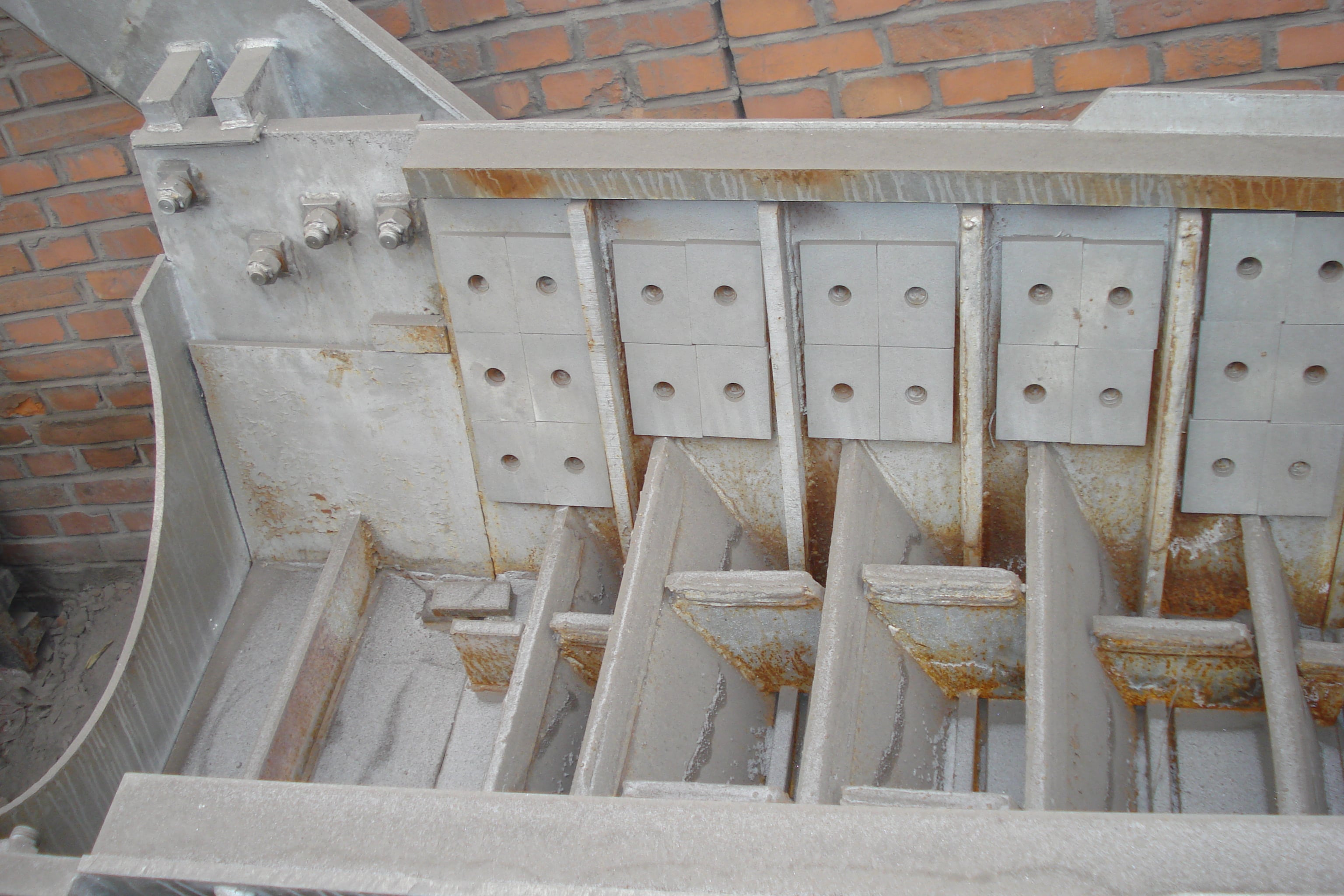
Grinding mills operate under continuous mechanical stress and severe abrasive conditions. In mining and mineral processing operations, large quantities of ore are repeatedly lifted, dropped, crushed, and ground inside the mill. Without effective protection, the mill shell can experience significant wear and costly structural damage.
A properly selected mill liner serves two important functions. First, it protects the mill shell from direct contact with ore and grinding media. Second, its internal profile can influence how material and grinding media move inside the mill, affecting grinding performance and energy utilization.
For this reason, mill liner selection should not be based solely on wear resistance. The liner material, thickness, profile, mill type, grinding media, ore characteristics, operating speed, and maintenance requirements all need to be considered together.
This guide explains how to select a mill liner that provides reliable wear protection while supporting efficient grinding operations.
What Is a Mill Liner?
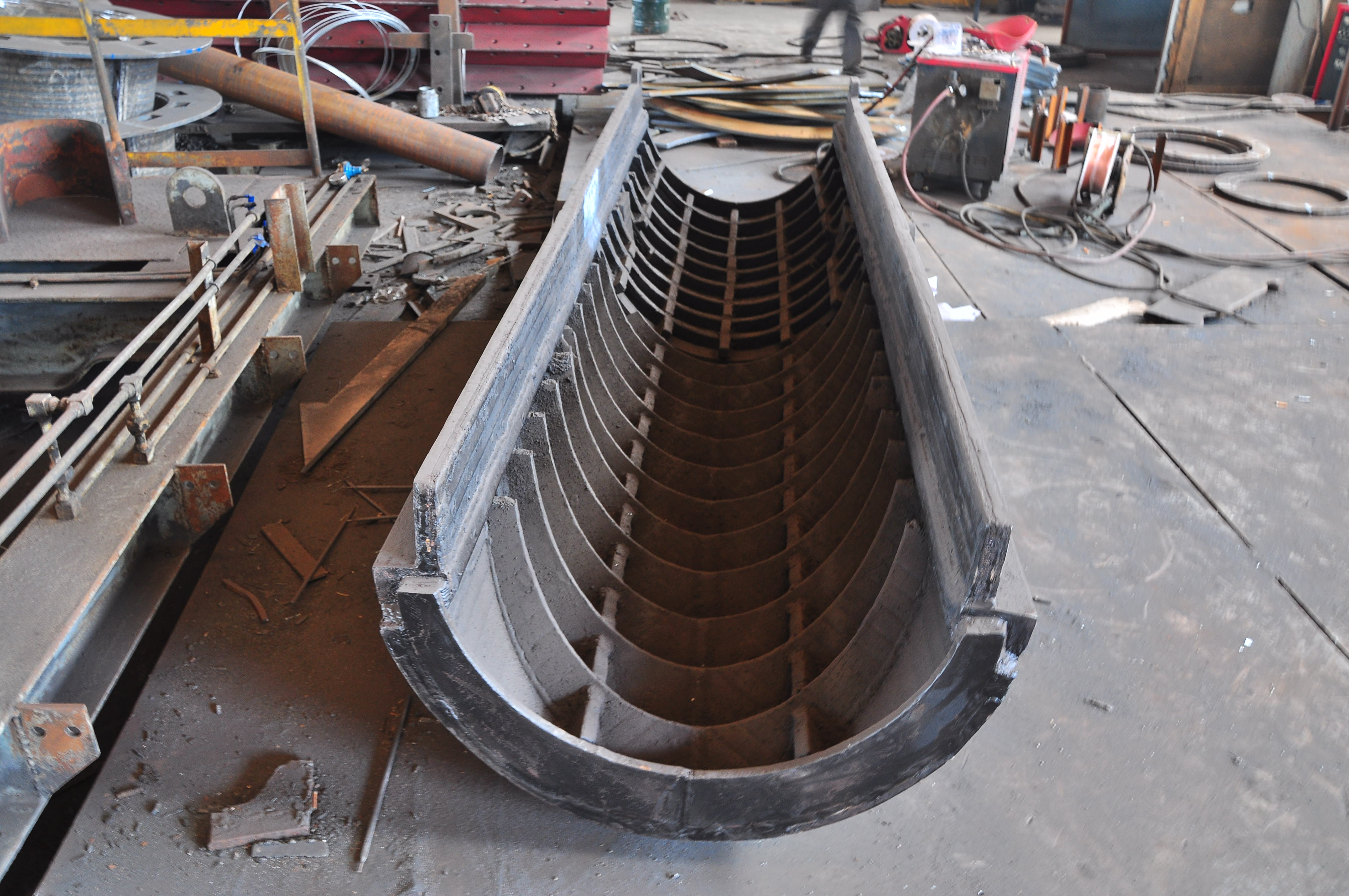
A mill liner is a replaceable protective component installed inside a grinding mill.
Its primary purpose is to create a protective barrier between the mill shell and the material being processed.
Depending on the mill design and application, liners can be installed on:
-
Mill shell
-
Mill ends
-
Feed areas
-
Discharge areas
-
High-wear sections
-
Other internal surfaces
In addition to protecting the shell, the liner profile can influence the movement of ore and grinding media.
The correct liner design therefore needs to balance wear resistance, impact protection, grinding performance, and maintenance requirements.
Why Mill Liner Selection Matters
A grinding mill operates continuously under demanding conditions.
Ore particles and grinding media repeatedly contact the liner surface. The liner may be exposed to:
-
Abrasive ore
-
Repeated impact
-
Sliding wear
-
Compression
-
Friction
-
High material loads
-
Continuous mechanical movement
If the liner wears too quickly, several problems can occur.
These may include:
-
Reduced mill availability
-
Increased maintenance frequency
-
Higher replacement costs
-
Damage to the mill shell
-
Changes in grinding performance
-
Unplanned shutdowns
An unsuitable liner profile can also affect the movement of grinding media and material inside the mill.
Therefore, liner selection should consider both wear protection and grinding performance.
1. Identify the Type of Grinding Mill
The first step is to determine the mill type.
Different mills operate under different conditions and therefore require different liner designs.
Common equipment includes:
-
Ball mills
-
SAG mills
-
AG mills
-
Rod mills
-
Overflow mills
-
Grate discharge mills
A liner designed for one type of mill may not be appropriate for another.
For example, SAG and AG mills can involve large ore particles and significant impact forces, while ball mills rely heavily on grinding media for size reduction.
The mill's operating principle should therefore be established before selecting the liner.
2. Understand the Ore Characteristics
The material being processed has a major influence on liner wear.
Before choosing a mill liner, evaluate:
-
Ore hardness
-
Abrasiveness
-
Particle size
-
Density
-
Moisture content
-
Feed size
-
Throughput
-
Mineral composition
Hard and abrasive ores can rapidly consume liner material.
Large feed particles may also generate substantial impact when they fall inside the mill.
A liner selected for relatively soft ore may therefore provide insufficient service life when used with highly abrasive mineral feed.
3. Evaluate the Wear Mechanism
Mill liners can experience several different forms of wear.
Abrasive Wear
Ore particles can slide across the liner surface and gradually remove material.
This is especially important in continuously operating grinding systems.
Impact Wear
Grinding media and large ore particles can strike the liner repeatedly.
Impact is particularly important in areas where the material and grinding media are lifted and dropped.
Combined Abrasion and Impact
Most grinding applications involve both mechanisms.
The selected mill liner should therefore provide an appropriate balance between surface wear resistance and resistance to mechanical impact.
Understanding which mechanism dominates helps determine the appropriate material and liner design.
4. Select the Appropriate Liner Material
The material is one of the most important factors in mill liner performance.
Depending on the application, liners can be manufactured from different wear-resistant materials.
Potential options include:
-
Alloy steel
-
Hardened steel
-
High-chromium materials
-
Rubber
-
Composite materials
-
Hardfacing-based solutions
The choice depends on:
-
Mill type
-
Ore characteristics
-
Impact intensity
-
Grinding media
-
Mill speed
-
Temperature
-
Required service life
For severe abrasive environments, highly wear-resistant metal solutions may be appropriate.
However, the hardest material is not automatically the best choice. Excessive hardness without sufficient toughness may be unsuitable for applications involving high impact.
5. Consider the Liner Profile
The shape of the liner is more than a structural detail.
Liner profiles influence how grinding media and ore move inside the mill.
A suitable profile can help control:
-
Lifting action
-
Impact location
-
Material trajectory
-
Grinding media movement
-
Slurry flow
-
Grinding zone distribution
For example, lifter bars can raise grinding media before allowing it to fall through the charge.
If the profile becomes excessively worn, the lifting action can change.
This means liner wear can eventually affect not only shell protection but also grinding performance.
6. Evaluate Lifter Height and Profile Design
Lifter geometry is particularly important in tumbling mills.
The lifter helps lift the grinding charge and contributes to the movement of material inside the mill.
Important factors include:
-
Lifter height
-
Lifter angle
-
Profile shape
-
Spacing
-
Wear progression
-
Mill diameter
-
Operating speed
A profile that is too aggressive may generate excessive impact and energy consumption.
A profile that is too low may provide insufficient lifting action and reduce grinding effectiveness.
The ideal design depends on the mill's operating conditions and grinding objectives.
7. Consider Grinding Media
The type and size of grinding media should be considered when selecting a mill liner.
Common grinding media include:
-
Steel balls
-
Steel rods
-
Ore particles
Grinding media size influences impact intensity and contact conditions.
For ball mills, for example, larger grinding balls can create significant impact forces against the liner.
The liner must therefore be capable of handling the expected mechanical loading throughout its service life.
The relationship between liner profile and grinding media also needs to be considered because the liner influences how the media moves inside the mill.
8. Match the Liner to Mill Speed
Mill speed affects the movement of material and grinding media.
As rotational speed changes, the charge can move differently inside the mill.
This can influence:
-
Impact energy
-
Grinding efficiency
-
Liner wear
-
Material trajectory
-
Power consumption
The liner design should therefore be evaluated together with the mill's operating speed.
A liner profile that performs well at one operating speed may not produce the same results under significantly different operating conditions.
9. Determine the Required Liner Thickness
Liner thickness provides the available wear allowance.
A thicker liner can potentially provide a longer service interval, but thickness also affects:
-
Mill volume
-
Equipment weight
-
Grinding chamber geometry
-
Installation requirements
-
Material cost
The liner should not simply be made as thick as possible.
Instead, thickness should be determined according to:
-
Expected wear rate
-
Required service life
-
Mill dimensions
-
Ore abrasiveness
-
Impact conditions
-
Maintenance schedule
An optimized thickness can help balance wear protection and operational efficiency.
10. Consider Mill Volume and Internal Dimensions
The liner occupies space inside the grinding mill.
Increasing liner thickness can reduce the effective internal volume available for ore and grinding media.
As the liner wears, the internal geometry also changes.
This means liner selection should consider the relationship between:
Liner thickness → Internal mill volume → Charge volume → Grinding performance
An unnecessarily thick liner may provide additional wear allowance but reduce usable mill volume.
The design should therefore provide sufficient protection without compromising the intended operating geometry.
11. Evaluate Wear Progression
A liner does not maintain exactly the same profile throughout its entire service life.
As material is gradually removed, the liner geometry changes.
This can influence:
-
Lifting capacity
-
Grinding media trajectory
-
Impact conditions
-
Slurry movement
-
Grinding efficiency
For this reason, a good liner design should provide predictable wear progression.
The goal is not simply to maximize initial hardness, but to maintain useful liner geometry for as much of the service period as possible.
12. Consider Feed and Discharge Conditions
The feed and discharge areas of a mill can experience different wear patterns.
The feed area may experience:
-
Large particle impact
-
High material concentration
-
Localized abrasion
-
Repeated material loading
The discharge area may experience different material flow and slurry conditions.
Therefore, a mill does not necessarily need exactly the same liner configuration in every internal location.
Different liner designs or material specifications can be used according to the local wear conditions.
13. Evaluate Corrosion Along With Abrasion
Some grinding operations involve wet processing.
In these systems, liners may be exposed to a combination of abrasion and corrosion.
Factors such as:
-
Slurry chemistry
-
pH
-
Mineral composition
-
Water content
-
Chemical additives
can influence liner degradation.
If corrosion contributes significantly to liner failure, abrasion resistance alone may not be sufficient.
The liner material should therefore be evaluated according to the complete chemical and mechanical environment.
14. Consider Installation and Replacement
Mill liners are replacement components, so installation efficiency is an important part of their lifecycle cost.
Before selecting a liner, consider:
-
Liner weight
-
Handling requirements
-
Fastening system
-
Bolt configuration
-
Installation access
-
Replacement time
-
Worker safety
-
Component size
A liner that provides excellent wear resistance but is difficult to install may increase maintenance costs.
Prefabricated or modular liner components can sometimes simplify replacement and reduce maintenance time.
15. Evaluate Liner Fastening
The fastening system needs to keep the liner securely attached during operation.
Depending on the mill design, liners may use:
-
Bolted connections
-
Liner bolts
-
Studs
-
Mechanical fastening systems
-
Other engineered attachment methods
The fastening arrangement should be compatible with the mill shell and liner design.
Improper fastening can lead to movement, loosening, gaps, or premature component failure.
16. Consider Maintenance and Inspection
Regular inspection can help identify changes in liner condition before serious problems occur.
Useful inspection information includes:
-
Remaining liner thickness
-
Wear pattern
-
Lifter height
-
Cracking
-
Deformation
-
Fastener condition
-
Localized wear
-
Shell exposure
Tracking wear over time can help maintenance teams predict replacement requirements.
Historical wear data can also support future liner selection.
For example, if one liner design consistently lasts longer under the same operating conditions, the maintenance team can use that information when planning subsequent procurement.
17. Compare Service Life Rather Than Initial Price
The initial purchase price of a mill liner does not represent its complete cost.
A more useful calculation considers:
Liner cost + installation + maintenance + replacement + downtime + production impact
A lower-cost liner may require more frequent replacement.
A more durable liner may have a higher initial price but reduce the number of shutdowns required over a given period.
For grinding mills, downtime can be particularly expensive because the mill is often a critical part of the mineral processing process.
Therefore, buyers should evaluate cost per operating hour or cost per ton processed, rather than purchase price alone.
18. Consider Grinding Efficiency
Wear protection and grinding efficiency should be evaluated together.
The liner profile influences the movement of the grinding charge, which can affect:
-
Impact energy
-
Particle breakage
-
Grinding media movement
-
Power consumption
-
Throughput
-
Product size
As the liner wears, its profile can change and potentially reduce grinding effectiveness.
A well-designed mill liner should therefore provide a suitable operating profile throughout as much of its service life as possible.
Mill Liner Selection Checklist
Before requesting a quotation, provide the manufacturer with detailed operating information.
| Parameter | Information to Provide |
|---|---|
| Mill type | Ball, SAG, AG, rod, etc. |
| Mill dimensions | Diameter and length |
| Ore type | Mineral or material processed |
| Ore hardness | Available hardness data |
| Feed size | Average and maximum |
| Throughput | Tons per hour |
| Grinding media | Type and size |
| Mill speed | RPM or percentage of critical speed |
| Wear mechanism | Abrasion, impact, or combined |
| Slurry conditions | Wet or dry and relevant chemistry |
| Existing liner | Material and profile |
| Current service life | Operating hours or tons |
| Target service life | Required replacement interval |
| Installation method | Bolting or other fastening |
| Liner dimensions | Drawings and tolerances |
The more complete the application information, the more accurately the liner can be matched to the grinding system.
Common Mill Liner Selection Mistakes
Choosing Based Only on Material Hardness
Hardness is important, but it does not describe impact resistance, toughness, profile performance, or overall service life.
Ignoring the Liner Profile
A liner is not simply a protective plate. Its profile influences the movement of grinding media and material.
Making the Liner Excessively Thick
More thickness does not automatically mean better performance. Excessive thickness can reduce internal mill volume and increase weight.
Ignoring Ore Characteristics
Different ores create different wear rates and impact conditions.
Focusing Only on Purchase Price
Frequent liner replacement and mill downtime can make a low-cost product more expensive over its lifecycle.
Using the Same Design Throughout the Mill
Different mill zones may experience different wear mechanisms and may benefit from different liner configurations.
How to Improve Mill Liner Selection With Operating Data
Historical operating data can make liner selection significantly more precise.
Useful data includes:
-
Previous liner service life
-
Wear rate
-
Tons processed
-
Maintenance frequency
-
Liner failure locations
-
Mill power consumption
-
Grinding performance
-
Product particle size
-
Ore characteristics
For example, tracking liner thickness against tons processed can help estimate future wear rates.
Similarly, recording which liner sections wear fastest can identify areas where a different material or profile may be beneficial.
Data-based liner selection can gradually improve both maintenance planning and grinding performance.
When Should You Consider a Customized Mill Liner?
Customized mill liners may be appropriate when:
-
Standard liner profiles provide insufficient service life.
-
Wear is concentrated in specific mill zones.
-
The mill has unique dimensions.
-
The operating speed differs from standard conditions.
-
The processed ore has unusual characteristics.
-
Existing liners produce undesirable wear patterns.
-
The grinding process requires a specific internal profile.
Customized solutions can address the specific relationship between mill geometry, material movement, wear conditions, and maintenance requirements.
Conclusion
Selecting the right mill liner for improved grinding efficiency and wear protection requires more than choosing a highly wear-resistant material.
The mill type, ore characteristics, grinding media, mill speed, liner profile, thickness, wear mechanism, operating environment, fastening system, and maintenance strategy all influence liner performance.
A well-designed liner should provide reliable protection for the mill shell while maintaining a suitable internal profile for effective grinding.
For severe abrasive conditions, wear-resistant materials can help extend liner service life. However, the best solution is not necessarily the hardest or thickest liner. The goal is to achieve the right balance between wear resistance, impact performance, grinding efficiency, installation requirements, and total cost of ownership.
By analyzing actual operating data and matching the liner design to the specific grinding environment, mining and mineral processing operations can improve equipment protection, reduce unnecessary maintenance, and maintain more consistent grinding performance over the liner's service life.
Table of Contents
- What Is a Mill Liner?
- Why Mill Liner Selection Matters
- 1. Identify the Type of Grinding Mill
- 2. Understand the Ore Characteristics
- 3. Evaluate the Wear Mechanism
- 4. Select the Appropriate Liner Material
- 5. Consider the Liner Profile
- 6. Evaluate Lifter Height and Profile Design
- 7. Consider Grinding Media
- 8. Match the Liner to Mill Speed
- 9. Determine the Required Liner Thickness
- 10. Consider Mill Volume and Internal Dimensions
- 11. Evaluate Wear Progression
- 12. Consider Feed and Discharge Conditions
- 13. Evaluate Corrosion Along With Abrasion
- 14. Consider Installation and Replacement
- 15. Evaluate Liner Fastening
- 16. Consider Maintenance and Inspection
- 17. Compare Service Life Rather Than Initial Price
- 18. Consider Grinding Efficiency
- Mill Liner Selection Checklist
- Common Mill Liner Selection Mistakes
- How to Improve Mill Liner Selection With Operating Data
- When Should You Consider a Customized Mill Liner?
- Conclusion