Bimetallic Wear Parts for Longer Service

All Categories

bimetallic wear parts

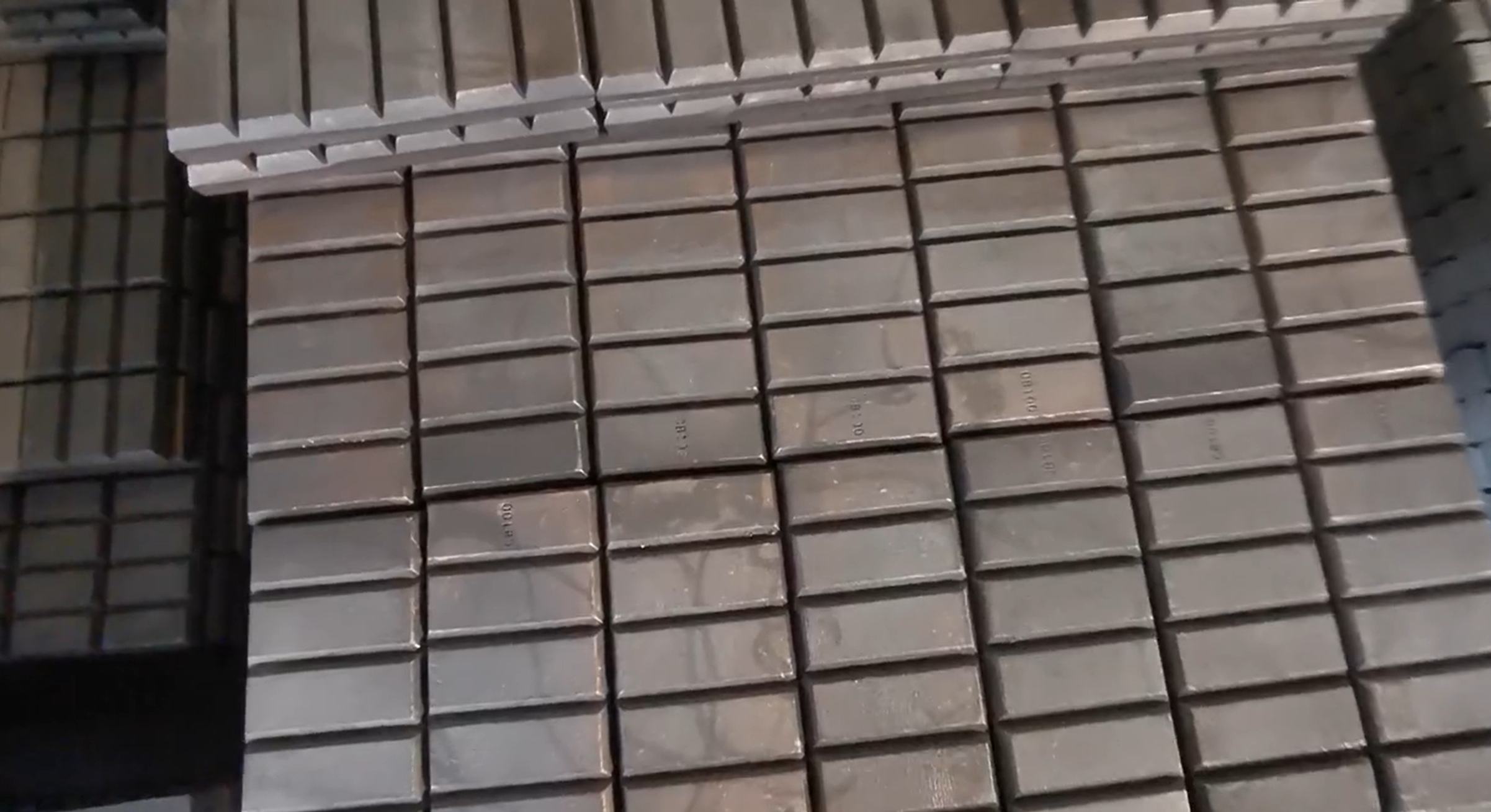
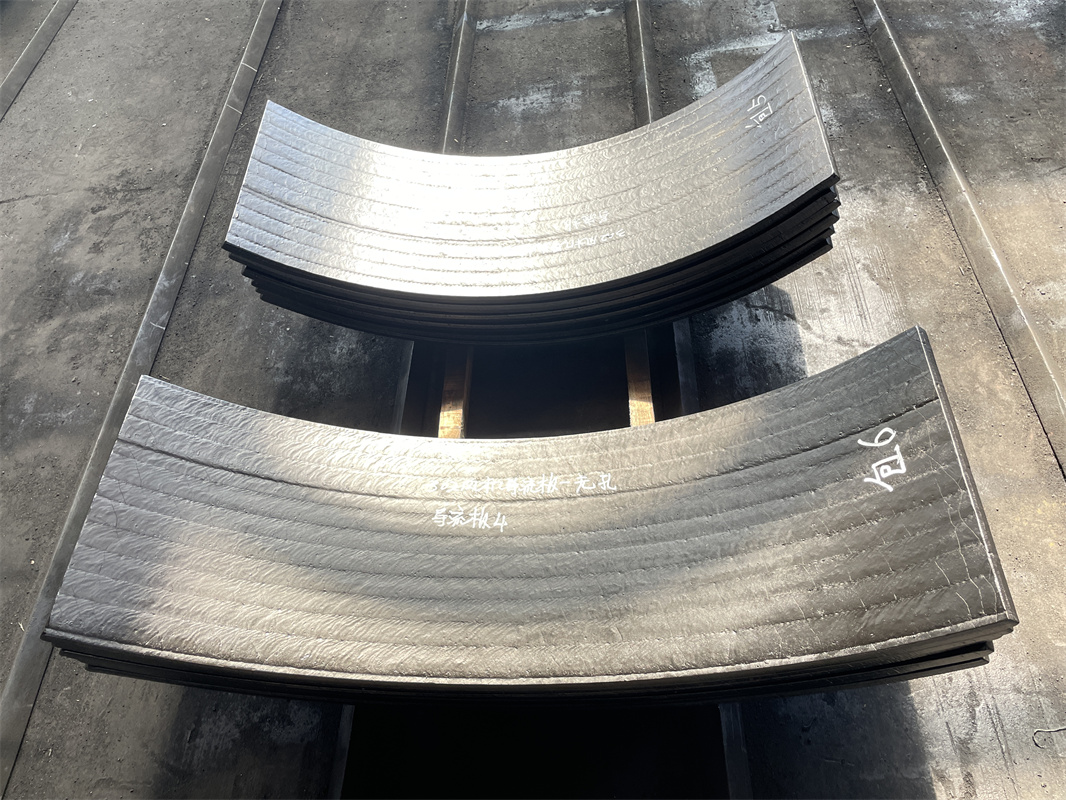
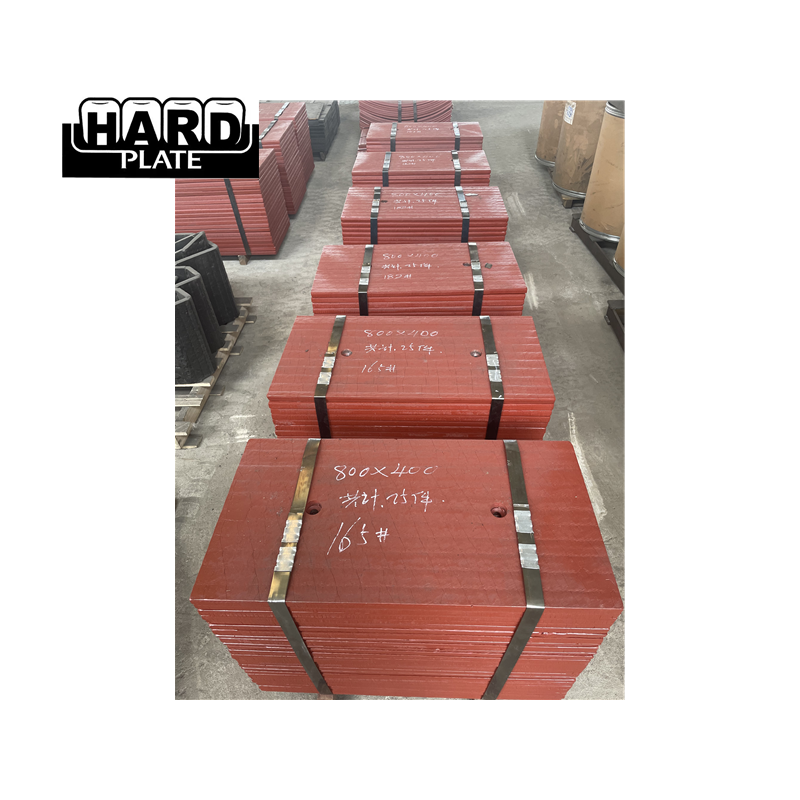
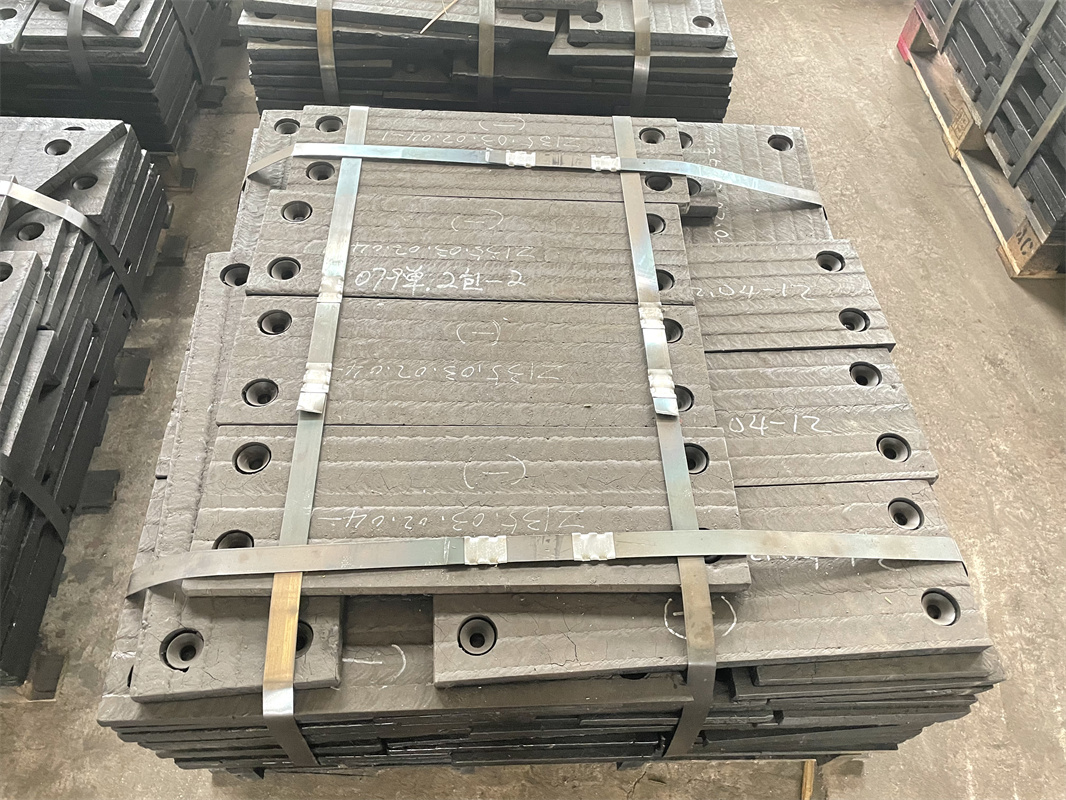
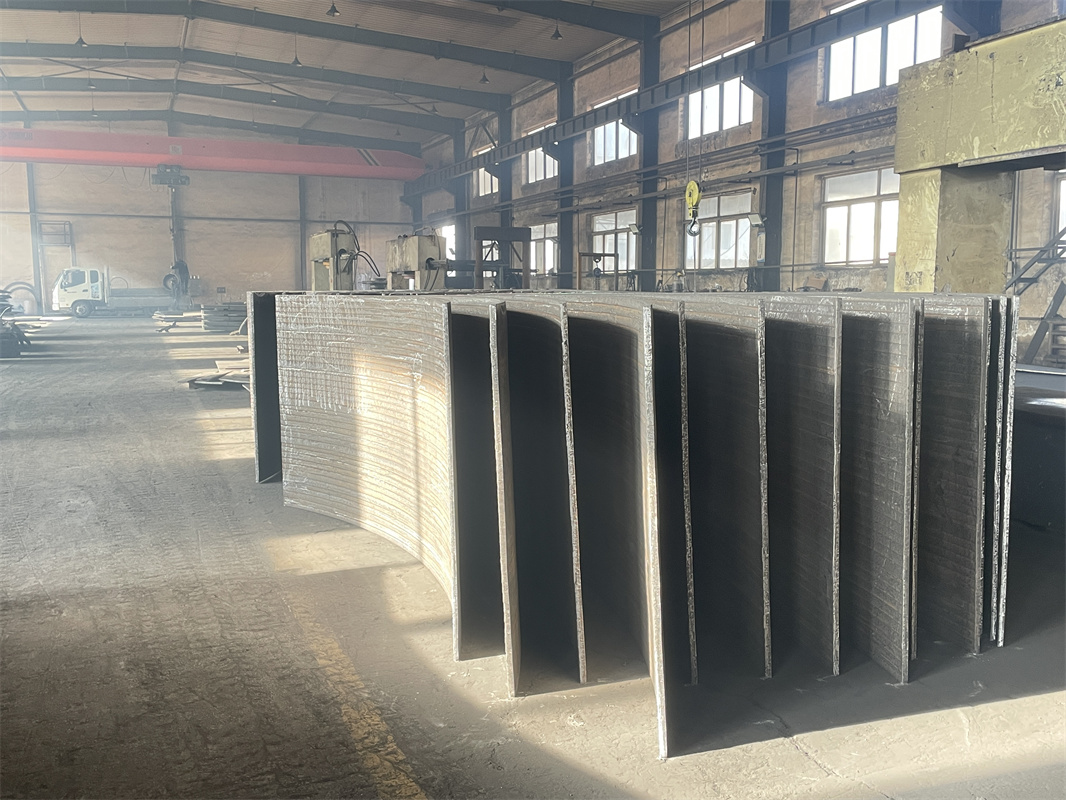
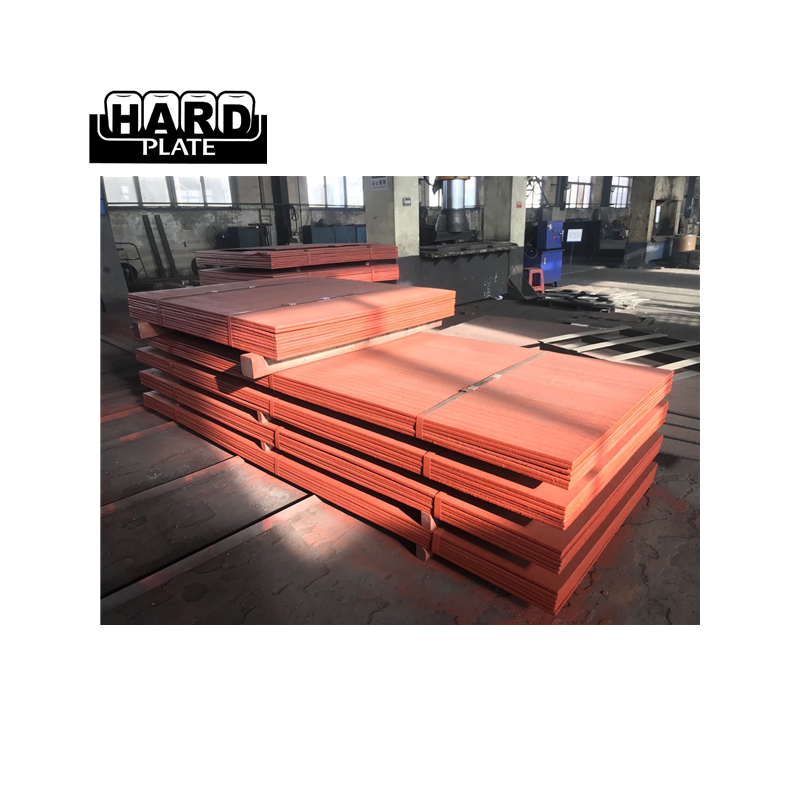
Bimetallic wear parts are engineered components designed to protect industrial equipment from abrasion, impact, heat, and material loss. These bimetallic wear parts combine two different metals or metal layers, allowing each material to perform the job it handles best. One layer provides a tough, strong base that supports the component, while the working layer resists contact with abrasive material. In practical terms, bimetallic wear parts help extend the service life of chutes, liners, screens, buckets, hoppers, feeders, and other high-wear equipment. The main function of bimetallic wear parts is to reduce surface damage and maintain reliable equipment operation under demanding conditions. By combining hardness with structural toughness, the design offers better balance than many single-material products. Modern bimetallic wear parts may use a mild steel backing with a hardened alloy surface, a wear-resistant plate bonded to a support steel, or other material combinations selected for a specific duty. Depending on the production method, the layers can be welded, bonded, cast, rolled, or metallurgically joined. Many bimetallic wear parts can also be cut, drilled, formed, or manufactured to customer drawings, which supports faster installation and accurate equipment fit. Production of bimetallic wear parts normally includes controlled heat treatment, surface preparation, joining, machining, and inspection. For operators, the result is a replaceable protection component that withstands harsh material flow while preserving the strength and shape needed for safe, efficient work. These products suit mining, quarrying, cement, recycling, power generation, steel, aggregate, and bulk-material handling applications.
New Products

Bimetallic wear parts give buyers a practical way to control wear without replacing an entire machine or using an expensive solid alloy everywhere. Bimetallic wear parts place high resistance only where contact is most severe, while the supporting metal keeps the component strong and easier to install. This focused construction can lower purchase and replacement costs over the working life of equipment. Compared with ordinary steel, bimetallic wear parts often last longer when handling sand, rock, ore, coal, clinker, glass, or scrap. Longer service intervals mean fewer shutdowns, less emergency labor, and more predictable production planning. Bimetallic wear parts also help protect the equipment behind them, reducing damage to frames, transfer points, and structural surfaces. Buyers can select thickness, hardness, backing material, dimensions, and joining method according to load, particle size, impact level, temperature, and material flow. This flexibility makes bimetallic wear parts suitable for both heavy impact zones and areas exposed mainly to sliding abrasion. Maintenance teams benefit from practical fabrication options. Bimetallic wear parts can often be supplied as standard panels or made as shaped liners, bars, teeth, plates, and custom inserts. Accurate sizing reduces cutting and fitting work at the site, while clear identification supports faster reordering. For equipment owners, bimetallic wear parts can improve uptime, reduce the frequency of component changes, and make wear performance easier to monitor. The correct product still depends on application data, so buyers should confirm operating temperature, impact conditions, material chemistry, expected wear pattern, and installation limits before ordering. When selected correctly, bimetallic wear parts provide a balanced mix of durability, support strength, service value, and maintenance convenience.

Tips And Tricks

What to Look for When Buying High-Quality Chrome Carbide Plates (A Buyer’s Guide)

17

Jun

What to Look for When Buying High-Quality Chrome Carbide Plates (A Buyer’s Guide)

Chrome Carbide Plate Composition and Manufacturing ProcessWhy Chromium Carbide Hardness (HRC 60–70) Is Critical for Wear ResistanceChrome carbide plate performance hinges on surface hardness—measured on the Rockwell C scale (HRC)—with optimal wear re...
View More
How High Chromium Carbide Hard Facing Plate Protects Equipment from Severe Abrasion

27

Oct

How High Chromium Carbide Hard Facing Plate Protects Equipment from Severe Abrasion

Heavy industrial equipment can be exposed to some of the most demanding wear conditions in modern processing operations. Mining, cement production, quarrying, metallurgy, power generation, and bulk material handling systems frequently transport hard ...
View More
How to Choose an Abrasion Plate for Heavy Duty Industrial Equipment

27

Oct

How to Choose an Abrasion Plate for Heavy Duty Industrial Equipment

Heavy-duty industrial equipment is frequently exposed to abrasive materials, repeated impact, and continuous material movement. In industries such as mining, cement, quarrying, metallurgy, power generation, and bulk material handling, abrasive wear c...
View More
Chromium Carbide Plate: Features, Benefits, and Industrial Applications

27

Oct

Chromium Carbide Plate: Features, Benefits, and Industrial Applications

Heavy industrial equipment is often exposed to severe abrasion from rocks, minerals, coal, cement raw materials, sand, and other abrasive materials. Over time, continuous contact with these materials can cause significant surface wear, reducing compo...
View More

Get a Free Quote

Our representative will contact you soon.
Name
Email
Tel / WhatsApp
Company Name
Message
0/1000

bimetallic wear parts

Two-Material Design for Balanced Protection

Two-Material Design for Balanced Protection

Bimetallic wear parts use different materials in one working component, creating a useful balance between surface protection and structural support. The exposed layer takes the main contact from abrasive particles, while the backing layer absorbs loads and helps the part keep its shape. This design avoids the common compromise between a very hard surface that may be difficult to support and a tough steel that may wear too quickly. Bimetallic wear parts can therefore deliver dependable performance in chutes, hoppers, liners, and transfer points where both sliding wear and impact occur. Manufacturers can adjust the layer thickness and material selection to match the duty rather than applying one specification to every location. For customers, this means better use of material, more consistent service, and a product designed around actual operating conditions. The result is protection that supports long service life without making the complete component unnecessarily heavy or costly.
Longer Service and Fewer Interruptions

Longer Service and Fewer Interruptions

Bimetallic wear parts help reduce the speed at which working surfaces lose thickness, crack, or deform. Their wear-resistant face stands up to repeated contact with abrasive feed, while the tough support limits damage from impact and vibration. In suitable applications, bimetallic wear parts remain useful for longer periods than basic carbon steel alternatives. That added life has a direct operating benefit: crews spend less time stopping conveyors, opening chutes, removing liners, and installing replacements. Fewer planned and unplanned interventions can improve production continuity and make maintenance schedules easier to manage. Bimetallic wear parts also provide a clearer replacement signal because the working layer wears gradually under normal conditions. Buyers can use inspection findings to plan stock, labor, and access equipment before a failure occurs. This practical predictability matters in remote mines, large plants, and continuous processes where even a short stoppage can create significant cost.
Custom Fit for Demanding Equipment

Custom Fit for Demanding Equipment

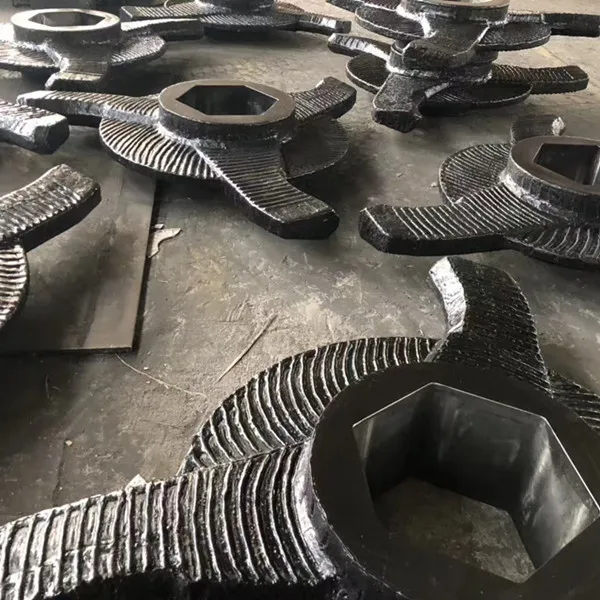
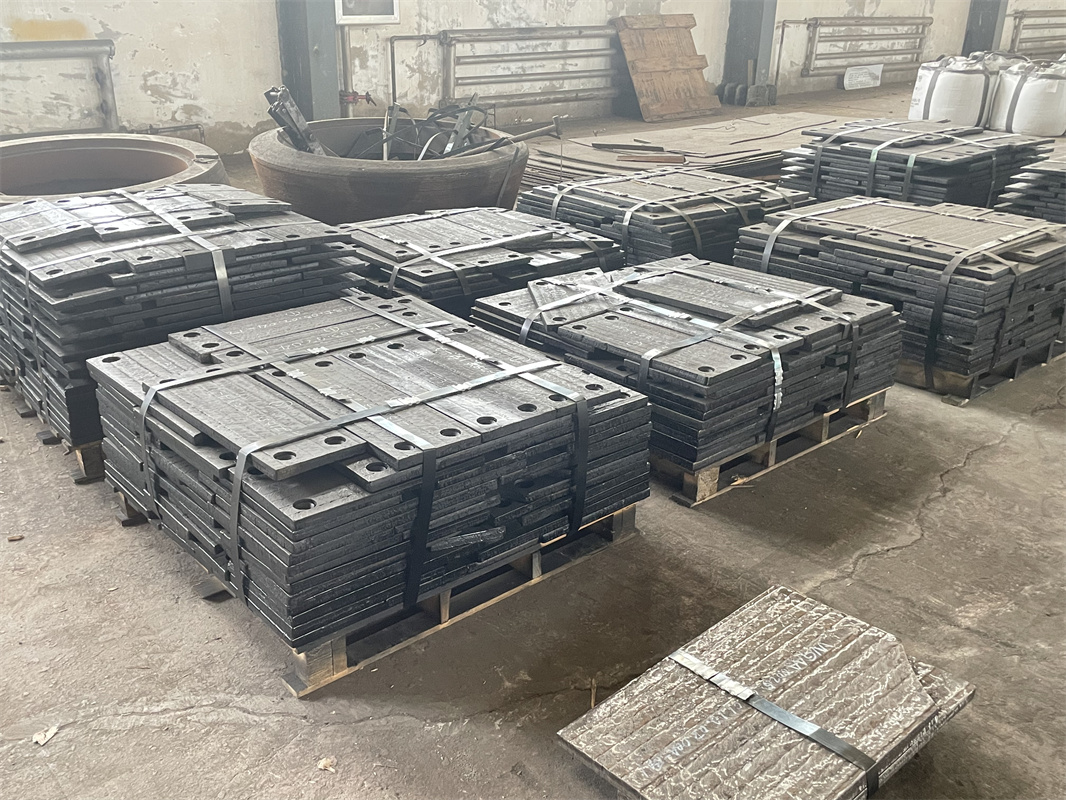
Bimetallic wear parts can be produced in plates, liners, blocks, bars, cutting edges, teeth, and formed sections for different equipment layouts. Suppliers may cut openings, add mounting holes, bend panels, or follow customer drawings so the finished item fits the installation area with limited site modification. This makes bimetallic wear parts useful across mining, quarrying, recycling, cement, steel, energy, and bulk handling operations. The product can also be selected by reviewing impact force, abrasive content, temperature, material speed, and available mounting space. Bimetallic wear parts are not a one-size-fits-all solution; proper selection improves the value gained from their two-layer construction. Customers can request samples, drawings, material certificates, hardness data, and inspection records to support purchasing decisions. A well-matched part reduces fitting time, protects neighboring surfaces, and gives maintenance teams a repeatable specification for future orders. This combination of customization and documented quality supports reliable use in demanding equipment.

Copyright © Shenyang Hard Welding Surface Engineering Co., ltd.  -  Privacy policy