
 EN
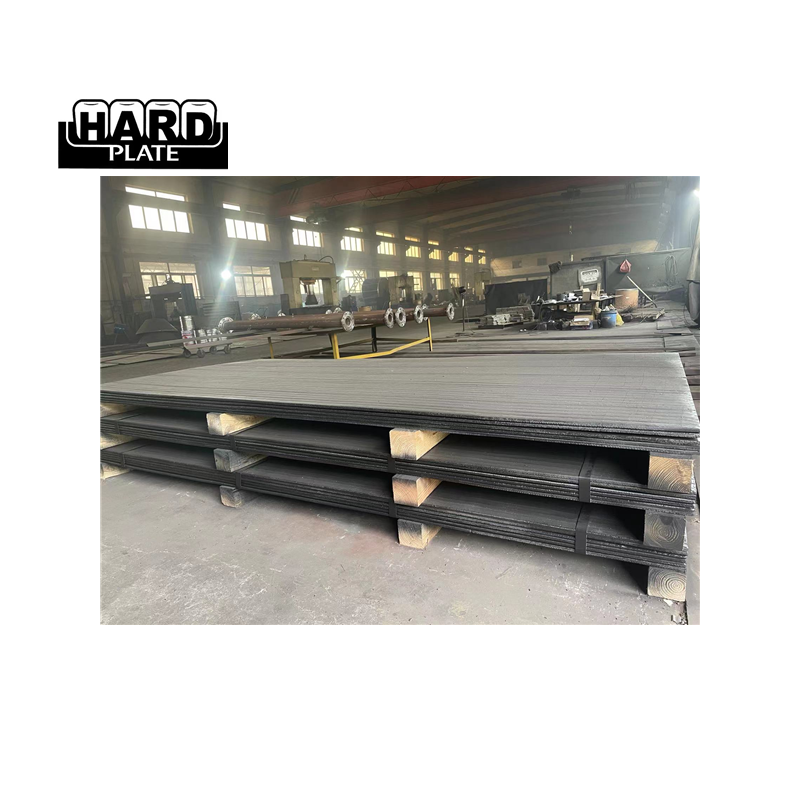
Material handling systems are continuously exposed to abrasive materials, impact, friction, and repeated material flow. In industries such as mining, quarrying, cement, metallurgy, power generation, and bulk material processing, components including chutes, hoppers, bins, and transfer points can experience significant wear during normal operation.
A properly selected wear resistant liner provides a protective surface between abrasive materials and the underlying equipment structure. By taking the majority of the wear, the liner can help extend equipment service life, reduce maintenance frequency, and minimize production interruptions.
However, there is no universal liner that works equally well in every material handling application. The appropriate solution depends on the material being transported, wear mechanism, particle size, impact intensity, material velocity, equipment geometry, operating temperature, and required service life.
This guide explains how to select a wear resistant liner for demanding material handling systems.
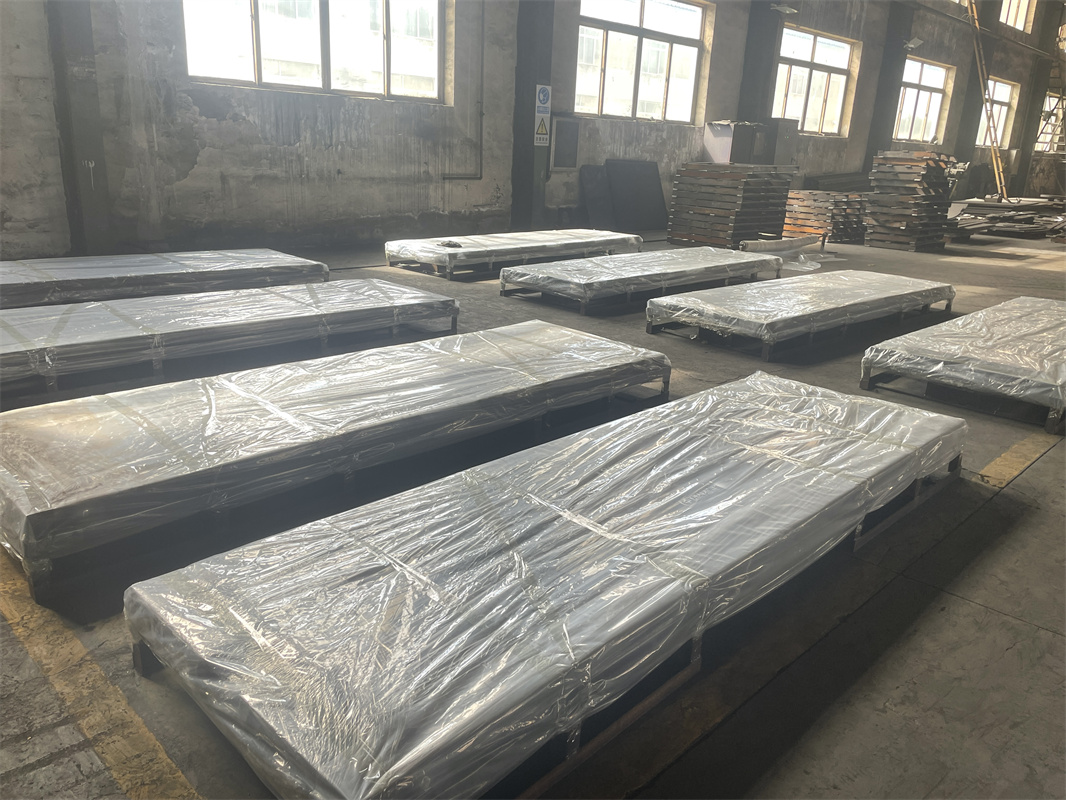
What Is a Wear Resistant Liner?
A wear resistant liner is a replaceable protective component installed on the surfaces of industrial equipment that are exposed to abrasive or impact-producing materials.
The liner acts as a sacrificial wear layer. Instead of allowing the equipment's structural steel to wear directly, the liner absorbs the abrasive contact and can be replaced when its usable wear allowance is consumed.
Wear resistant liners can be manufactured from different materials depending on the application, including:
-
Abrasion resistant steel
-
Chromium carbide overlay
-
Hardened alloy steel
-
Rubber
-
Composite materials
-
Other specialized wear-resistant materials
The appropriate material depends on the severity and mechanism of wear.
Why Wear Resistant Liners Are Important in Material Handling
Material handling equipment can process thousands of tons of material over extended operating periods.
During this process, abrasive particles can continuously contact equipment surfaces.
Typical wear conditions include:
-
Sliding abrasion
-
Impact abrasion
-
Erosion
-
Friction
-
Repeated loading
-
Material flow at high velocity
Without adequate protection, wear can gradually reduce structural thickness and eventually require expensive repairs.
A properly selected wear resistant liner can help:
-
Protect equipment structures
-
Extend maintenance intervals
-
Reduce replacement frequency
-
Improve equipment availability
-
Reduce maintenance labor
-
Lower lifecycle costs
The key is selecting a liner according to the actual operating conditions.
1. Identify the Material Being Handled
The first step in liner selection is understanding the material moving through the system.
Common materials include:
-
Iron ore
-
Copper ore
-
Coal
-
Limestone
-
Granite
-
Sand
-
Gravel
-
Slag
-
Cement raw materials
-
Mineral concentrates
Different materials produce different levels of wear.
Hard, sharp, and angular particles can cause aggressive surface abrasion. Large rocks can generate substantial impact forces. Fine particles moving at high velocity can create a different wear pattern.
Before selecting a liner, document the material's:
-
Hardness
-
Particle size
-
Particle shape
-
Density
-
Moisture content
-
Temperature
-
Flow characteristics
2. Determine the Main Wear Mechanism
Understanding how the liner will wear is more important than simply knowing that the application is "abrasive."
Sliding Abrasion
Sliding abrasion occurs when material continuously moves across the liner surface.
Typical locations include:
-
Chute bottoms
-
Hopper walls
-
Conveyor transfer areas
-
Bins
-
Feed systems
A high level of surface wear resistance is particularly important in these locations.
Impact Abrasion
Impact occurs when large or heavy particles strike the liner.
Typical applications include:
-
Rock boxes
-
Crusher feed chutes
-
Loading points
-
Dump hoppers
-
Material receiving areas
In these environments, the liner must combine wear resistance with suitable impact performance.
Erosive Wear
Fine particles moving at high velocity can gradually remove material from the liner surface.
This can occur in:
-
Pneumatic material systems
-
High-speed transfer areas
-
Mineral processing equipment
-
Fine-particle handling systems
The liner material should be evaluated according to the actual flow conditions.
Combined Wear
Many material handling systems experience multiple mechanisms simultaneously.
A transfer chute, for example, may experience heavy impact at the inlet followed by continuous sliding abrasion downstream.
Different sections may therefore require different liner configurations.
3. Evaluate Material Velocity
Material velocity can significantly influence liner wear.
As material moves faster, the frequency and energy of particle contact can increase.
Important parameters include:
-
Conveyor speed
-
Chute flow velocity
-
Material discharge speed
-
Drop height
-
Material throughput
High-speed material flow can increase wear rates, particularly when abrasive particles repeatedly strike or slide across the liner.
When requesting a liner recommendation, provide the approximate material velocity whenever possible.
4. Consider Particle Size
Particle size can strongly influence the type of wear experienced by the liner.
Large particles can generate high impact energy.
Small particles may create more continuous sliding or erosive contact.
Therefore, provide:
-
Average particle size
-
Maximum particle size
-
Minimum particle size
-
Particle size distribution when available
A system handling large and angular rock may require a significantly different liner solution from one handling fine mineral powder.
5. Evaluate Impact Energy
Impact energy is particularly important at material loading and transfer points.
Consider:
-
Drop height
-
Material weight
-
Particle size
-
Material velocity
-
Impact angle
-
Impact frequency
A vertical material drop can produce substantial localized loading.
If the liner is too brittle or insufficiently supported, repeated impacts may cause cracking or premature failure.
For impact-heavy applications, the liner material and substrate should therefore be evaluated together.
6. Choose the Appropriate Liner Material
Different materials provide different combinations of wear resistance, toughness, and fabrication characteristics.
Abrasion Resistant Steel
Abrasion resistant steel can provide a balance of hardness, toughness, and structural performance.
It is often considered for:
-
Chutes
-
Hoppers
-
Conveyor components
-
Dump bodies
-
Structural wear areas
Chromium Carbide Overlay
Chromium carbide overlay liners contain a hardfacing layer designed for severe abrasive wear.
They can be particularly useful in areas exposed to:
-
Severe sliding abrasion
-
Hard mineral particles
-
Continuous material flow
-
Concentrated wear
Rubber Liners
Rubber can be useful in applications where impact absorption, noise reduction, or specific material-handling characteristics are important.
However, temperature and material compatibility need to be considered.
Composite Liners
Composite solutions can combine different material properties to address specific operating requirements.
The best choice depends on the complete application rather than the material category alone.
7. Select the Correct Hardness
Hardness is an important factor when evaluating wear-resistant materials.
Higher hardness can provide strong resistance to many forms of abrasive wear.
However, maximum hardness is not automatically the best choice.
In applications involving severe impact, excessive hardness without adequate toughness can create other performance concerns.
Consider hardness together with:
-
Impact conditions
-
Material characteristics
-
Substrate properties
-
Microstructure
-
Operating temperature
-
Required service life
The goal is to achieve an appropriate balance rather than simply selecting the highest hardness available.
8. Determine the Appropriate Liner Thickness
Thickness determines how much material is available before replacement becomes necessary.
The required thickness depends on:
-
Expected wear rate
-
Abrasive material
-
Material velocity
-
Impact intensity
-
Target service life
-
Equipment clearance
-
Structural loading
A thicker liner can provide more wear allowance, but excessive thickness can increase:
-
Weight
-
Material costs
-
Installation difficulty
-
Handling requirements
-
Equipment loading
The ideal thickness should therefore be based on the expected operating conditions.
9. Consider Equipment Geometry
Material handling systems often contain complex surfaces.
Wear liners may need to protect:
-
Flat walls
-
Curved chutes
-
Hopper corners
-
Transition sections
-
Conveyor transfer points
-
Pipe elbows
-
Conical surfaces
The liner should match the equipment geometry closely.
Poor fit can create gaps where abrasive material becomes trapped and can accelerate localized wear.
For customized projects, buyers should provide accurate drawings or dimensional information before production.
10. Identify High-Wear Zones
Wear is rarely distributed evenly throughout a material handling system.
A chute may have one area where large particles impact the surface and another area where material slides continuously.
A hopper may wear most rapidly around:
-
Feed openings
-
Transition sections
-
Discharge zones
-
Corners
-
Material direction changes
Identifying these areas can help engineers develop a targeted liner strategy.
For example, different liner thicknesses or materials may be used in different zones according to their wear severity.
This can be more efficient than using the same specification throughout the entire system.
11. Evaluate Operating Temperature
Temperature should be considered when material handling equipment operates in hot environments.
Potential high-temperature applications include:
-
Slag handling
-
Hot mineral processing
-
Cement production
-
Metallurgical processes
-
High-temperature material transfer
The liner material should be evaluated for:
-
Normal operating temperature
-
Maximum temperature
-
Exposure duration
-
Temperature fluctuations
A material suitable for ambient-temperature service may not provide equivalent performance under prolonged high-temperature conditions.
12. Consider Moisture and Corrosion
Wet material handling systems can experience both abrasion and corrosion.
For example, mineral slurry can gradually wear a liner while the chemical environment contributes to corrosion.
Consider:
-
Moisture content
-
Slurry chemistry
-
pH
-
Corrosive substances
-
Chemical additives
If corrosion is a significant failure mechanism, the liner should be selected according to both abrasion and corrosion requirements.
Ignoring corrosion can result in a material that provides excellent abrasion resistance but still has a shorter-than-expected service life.
13. Check Liner Installation Requirements
Installation has a direct impact on maintenance costs.
Before purchasing a wear resistant liner, determine how it will be installed.
Possible methods include:
-
Welding
-
Bolting
-
Countersunk bolts
-
Stud welding
-
Mechanical fastening
Consider:
-
Installation access
-
Liner weight
-
Available lifting equipment
-
Fastening arrangement
-
Replacement time
-
Worker safety
For large material handling systems, reducing liner replacement time can significantly improve equipment availability.
14. Evaluate Cutting and Fabrication
Some liners need to be cut, drilled, bent, or prefabricated before installation.
Before selecting the material, confirm whether it can meet the required fabrication specifications.
Potential requirements include:
-
Plasma cutting
-
Thermal cutting
-
Grinding
-
Drilling
-
Welding
-
Forming
-
Edge preparation
For hardfaced materials, specialized cutting and fabrication procedures may be required.
Discuss these requirements with the manufacturer before production to avoid unexpected fabrication difficulties.
15. Consider Liner Surface Profile
The surface profile can influence material flow.
In some applications, the liner is not simply a flat protective barrier.
Its geometry can affect:
-
Material trajectory
-
Flow direction
-
Impact location
-
Material accumulation
-
Flow resistance
A properly designed liner can help guide material through the equipment while protecting the underlying structure.
For chutes and transfer points, liner geometry should therefore be considered together with material flow.
16. Evaluate Service Life
A liner should be selected according to a realistic service-life target.
Ask:
How many operating hours should the liner provide?
Or:
How many tons of material should the liner handle before replacement?
These metrics are often more useful than simply estimating calendar time.
Service life depends on:
-
Material abrasiveness
-
Throughput
-
Impact
-
Velocity
-
Liner thickness
-
Material grade
-
Equipment design
Historical maintenance records can provide valuable information when setting the target.
17. Compare Cost Per Operating Hour
Purchase price alone is not enough to evaluate a wear resistant liner.
A more meaningful calculation is:
Total liner cost ÷ actual service life
Total cost may include:
-
Material
-
Fabrication
-
Transportation
-
Installation
-
Maintenance
-
Replacement
-
Equipment downtime
For high-throughput systems, a liner that costs more initially may produce lower operating costs if it lasts significantly longer.
Industrial buyers should therefore compare the total lifecycle cost of different solutions.
18. Review Supplier Manufacturing Capability
The manufacturer's production capability can influence liner quality and consistency.
When evaluating a supplier, consider:
-
Hardfacing technology
-
Production capacity
-
Quality-control procedures
-
Material testing
-
Dimensional control
-
Customization capabilities
-
Batch consistency
-
Technical support
For large projects, consistency between batches is especially important.
Different liner batches should maintain the agreed specifications so that maintenance teams can predict service performance more reliably.
19. Request Technical Documentation
Before procurement, request technical information relevant to the selected liner.
Depending on the application, this may include:
-
Product specifications
-
Material grade
-
Chemical composition
-
Hardness range
-
Thickness
-
Dimensional tolerances
-
Inspection records
-
Test reports
-
Installation recommendations
For customized liners, engineering drawings should also be reviewed before production.
Clear documentation helps ensure that the delivered components match the approved design.
Wear Resistant Liner Selection Checklist
Use the following information when requesting a quotation:
| Selection Factor | Information to Provide |
|---|---|
| Equipment | Chute, hopper, conveyor, bin, etc. |
| Material | Ore, coal, rock, slag, etc. |
| Particle size | Average and maximum |
| Material hardness | Available data |
| Material velocity | Flow or conveying speed |
| Throughput | Tons per hour |
| Wear mechanism | Sliding, impact, erosion, or combined |
| Impact | Drop height and intensity |
| Temperature | Normal and maximum |
| Moisture | Dry, wet, or slurry |
| Required service life | Hours or tons processed |
| Liner thickness | Required wear allowance |
| Geometry | Flat, curved, or customized |
| Installation | Welding, bolting, or mechanical fastening |
| Dimensions | Length, width, thickness, tolerances |
Providing complete operating information allows the manufacturer to recommend a more appropriate liner configuration.
Common Mistakes When Selecting Wear Resistant Liners
Choosing Only by Hardness
Hardness is important, but it does not represent the entire performance of the liner.
Ignoring Impact
A liner selected solely for abrasion may not perform well in an application involving severe impact.
Using the Same Liner Everywhere
Different equipment zones can have dramatically different wear conditions.
Selecting Excessive Thickness
An unnecessarily thick liner can increase cost and weight without providing proportional benefits.
Ignoring Installation
A liner that is difficult to install or replace can increase maintenance costs.
Focusing Only on Purchase Price
Lifecycle cost is often more important than initial material price.
Failing to Track Wear Data
Historical wear information can help improve future liner selection.
How Operating Data Can Improve Liner Selection
Existing equipment can provide valuable information for future procurement.
Maintenance teams should consider recording:
-
Initial liner thickness
-
Remaining thickness
-
Operating hours
-
Tons processed
-
Wear rate
-
Failure location
-
Replacement frequency
-
Material characteristics
-
Operating conditions
For example, measuring liner thickness at regular intervals can help determine the actual wear rate.
If one area consistently wears faster than others, additional protection can be considered for that specific zone.
Over time, this information can help optimize liner thickness, material grade, and replacement schedules.
When Should You Consider a Customized Wear Resistant Liner?
Customized liners may be appropriate when:
-
Equipment has complex geometry.
-
Standard plates require extensive fabrication.
-
Wear is concentrated in specific areas.
-
Existing liners provide insufficient service life.
-
Installation time needs to be reduced.
-
The equipment handles unusually abrasive materials.
-
Different wear zones require different protection levels.
Customized liners can be manufactured according to equipment drawings and specific operating conditions.
This approach can reduce unnecessary cutting and fitting work at the installation site.
Conclusion
Selecting the best wear resistant liner for material handling systems requires a detailed understanding of the equipment and operating environment.
The most important considerations include:
-
Material characteristics
-
Wear mechanism
-
Particle size
-
Material velocity
-
Impact intensity
-
Liner material
-
Hardness
-
Thickness
-
Equipment geometry
-
Operating temperature
-
Moisture and corrosion
-
Installation method
-
Required service life
-
Total lifecycle cost
There is no single liner material that is ideal for every material handling application. Abrasion resistant steel may provide a practical balance of wear resistance and toughness in many applications, while chromium carbide overlay can be particularly valuable in areas exposed to severe abrasive wear.
The best solution is the one that matches the liner's properties to the actual conditions at the equipment's highest-wear locations.
By analyzing operating data, defining clear technical requirements, and evaluating both material performance and lifecycle cost, industrial buyers can select wear resistant liners that provide more predictable service life, reduce maintenance frequency, and improve the long-term reliability of material handling systems.
Table of Contents
- What Is a Wear Resistant Liner?
- Why Wear Resistant Liners Are Important in Material Handling
- 1. Identify the Material Being Handled
- 2. Determine the Main Wear Mechanism
- 3. Evaluate Material Velocity
- 4. Consider Particle Size
- 5. Evaluate Impact Energy
- 6. Choose the Appropriate Liner Material
- 7. Select the Correct Hardness
- 8. Determine the Appropriate Liner Thickness
- 9. Consider Equipment Geometry
- 10. Identify High-Wear Zones
- 11. Evaluate Operating Temperature
- 12. Consider Moisture and Corrosion
- 13. Check Liner Installation Requirements
- 14. Evaluate Cutting and Fabrication
- 15. Consider Liner Surface Profile
- 16. Evaluate Service Life
- 17. Compare Cost Per Operating Hour
- 18. Review Supplier Manufacturing Capability
- 19. Request Technical Documentation
- Wear Resistant Liner Selection Checklist
- Common Mistakes When Selecting Wear Resistant Liners
- How Operating Data Can Improve Liner Selection
- When Should You Consider a Customized Wear Resistant Liner?
- Conclusion