hardfacing plate
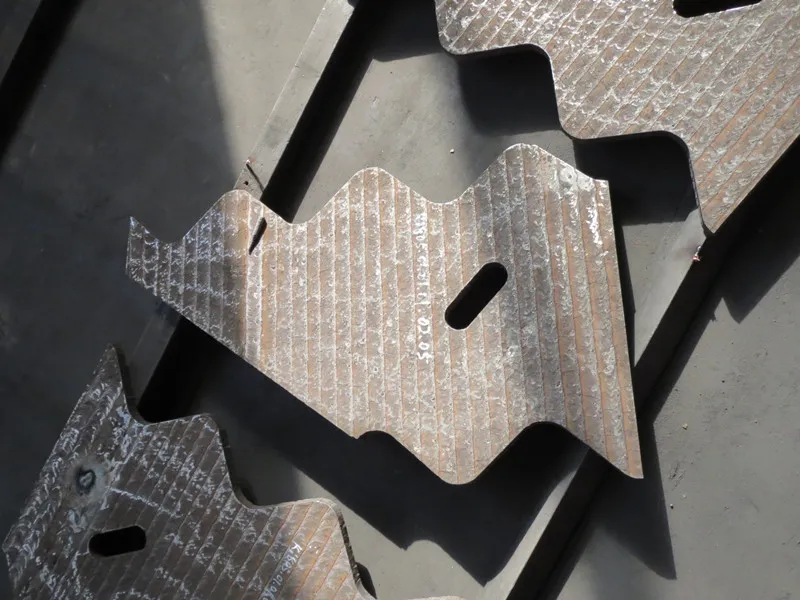
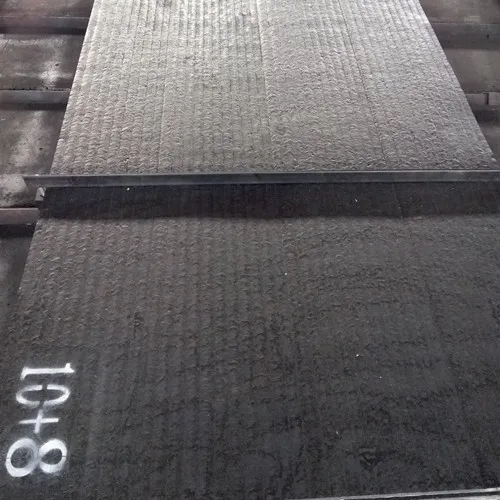
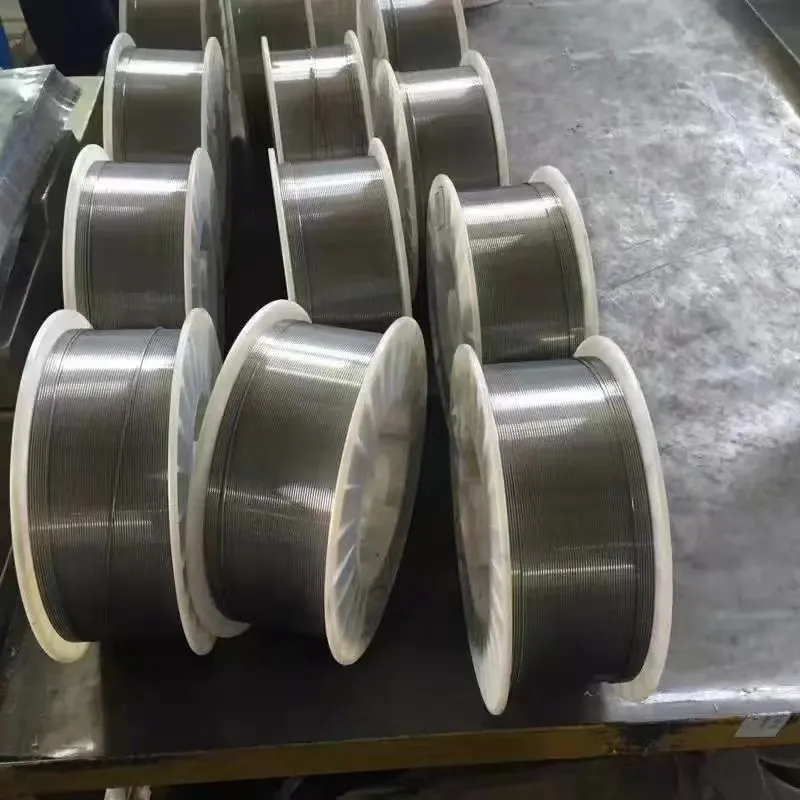
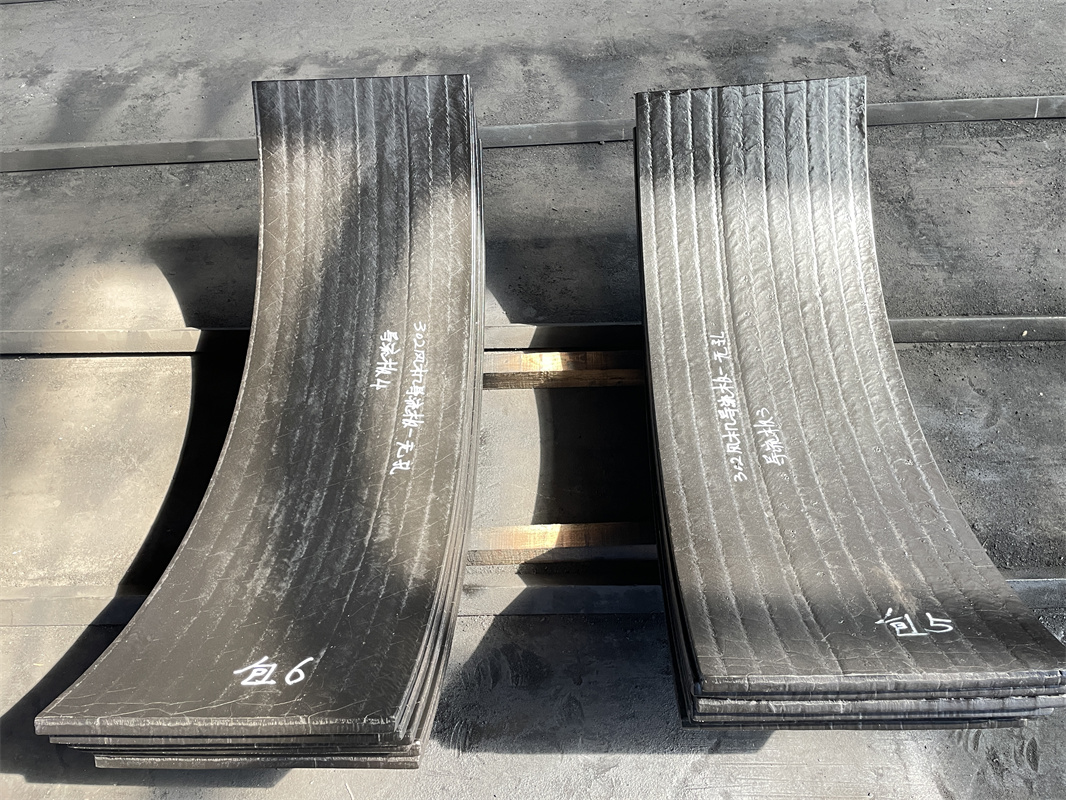
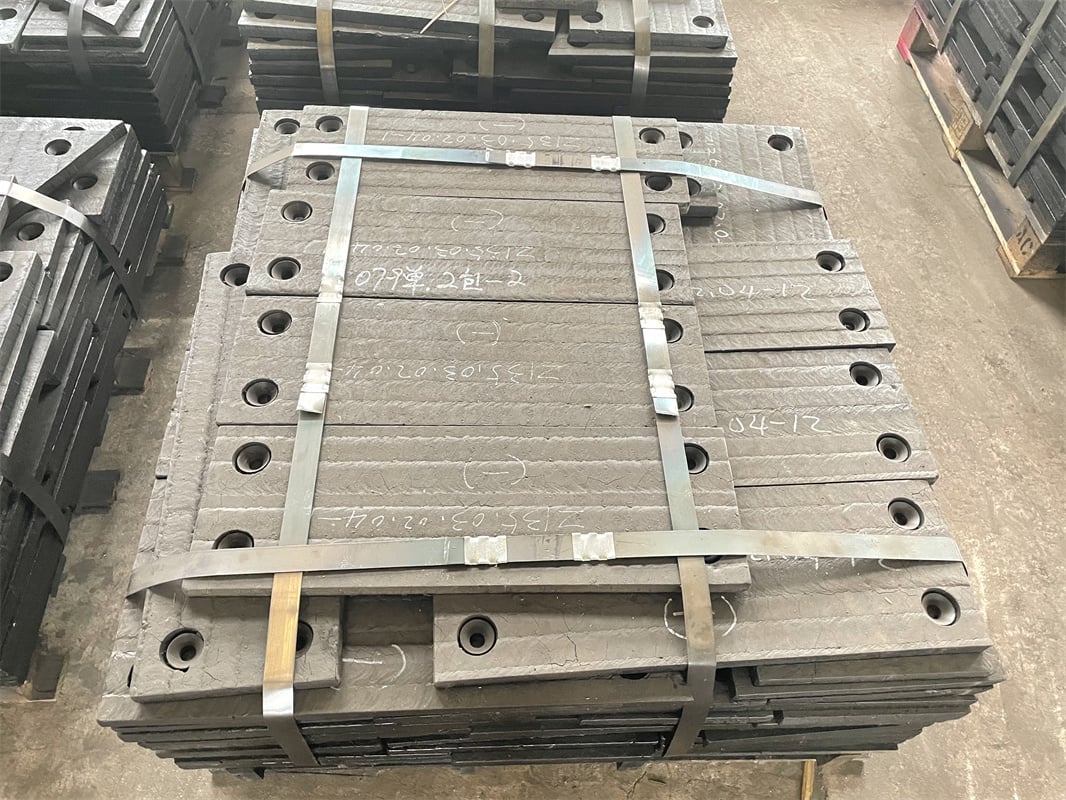
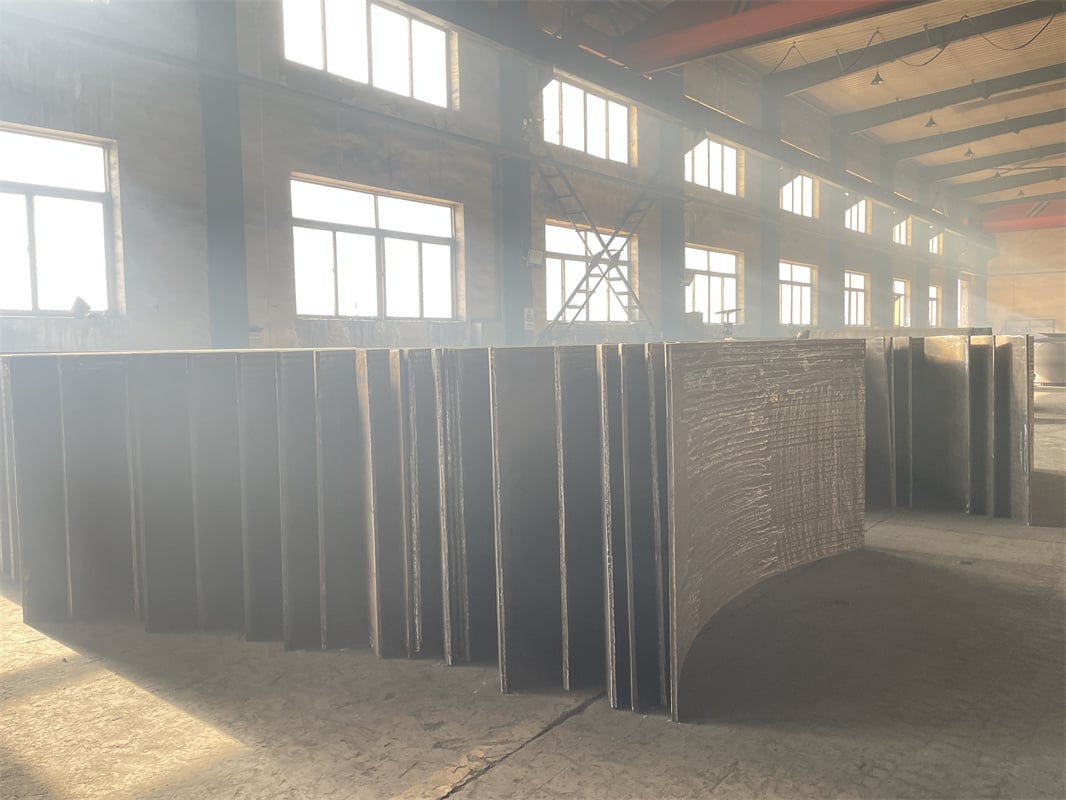
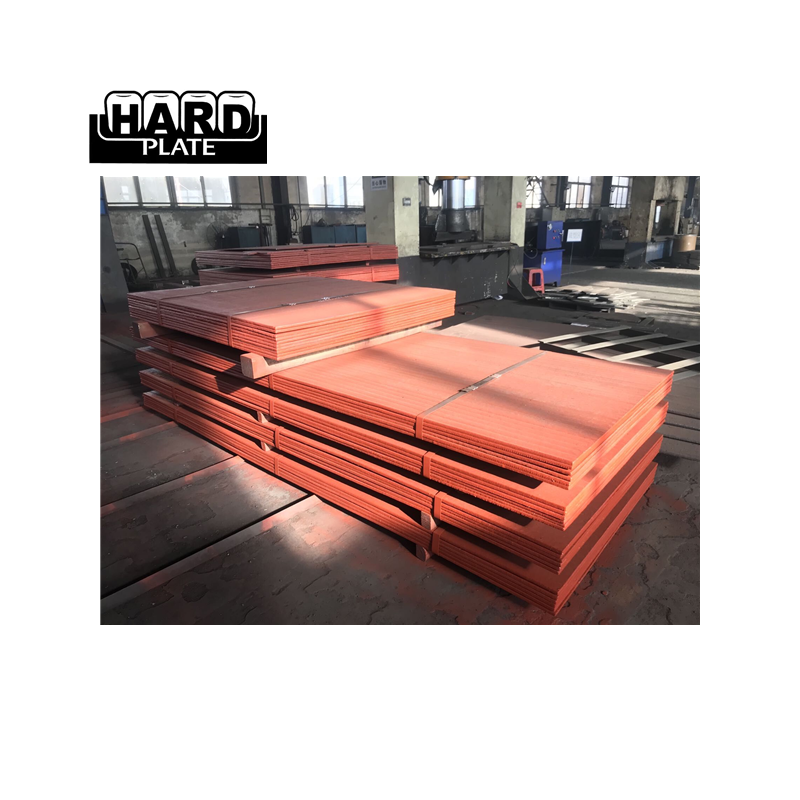
A hardfacing plate is a steel wear component designed to protect equipment from severe abrasion, impact, heat, and sliding contact. It combines a tough base plate with a welded layer of highly wear-resistant alloy. This structure allows the hardfacing plate to withstand conditions that quickly damage ordinary carbon steel. The base supports the load, while the surface layer takes the main wear. As a result, a hardfacing plate helps extend service life and reduce replacement work. Manufacturers produce a hardfacing plate by depositing alloy material onto a steel substrate through controlled welding. The overlay may contain chromium, carbon, tungsten, niobium, or other elements selected for a specific duty. Its hardness, crack pattern, thickness, and chemical composition can be adjusted to match the operating environment. A hardfacing plate can also be cut, drilled, formed, and welded with suitable procedures, making it easier to integrate into new or existing equipment. The main function of a hardfacing plate is to protect high-wear zones such as hoppers, chutes, liners, buckets, crusher parts, and conveyor surfaces. Unlike a simple thick steel sheet, a hardfacing plate targets wear at the working face. This design reduces unplanned downtime, lowers maintenance frequency, and helps equipment maintain stable output. Buyers can select a hardfacing plate for abrasive materials, impact-heavy handling, elevated temperatures, or mixed wear. When the grade and thickness match the application, a hardfacing plate provides a practical balance of protection, cost, and service life.

 EN