Hardfacing Part for Wear-Resistant Equipment

All Categories

hardfacing part

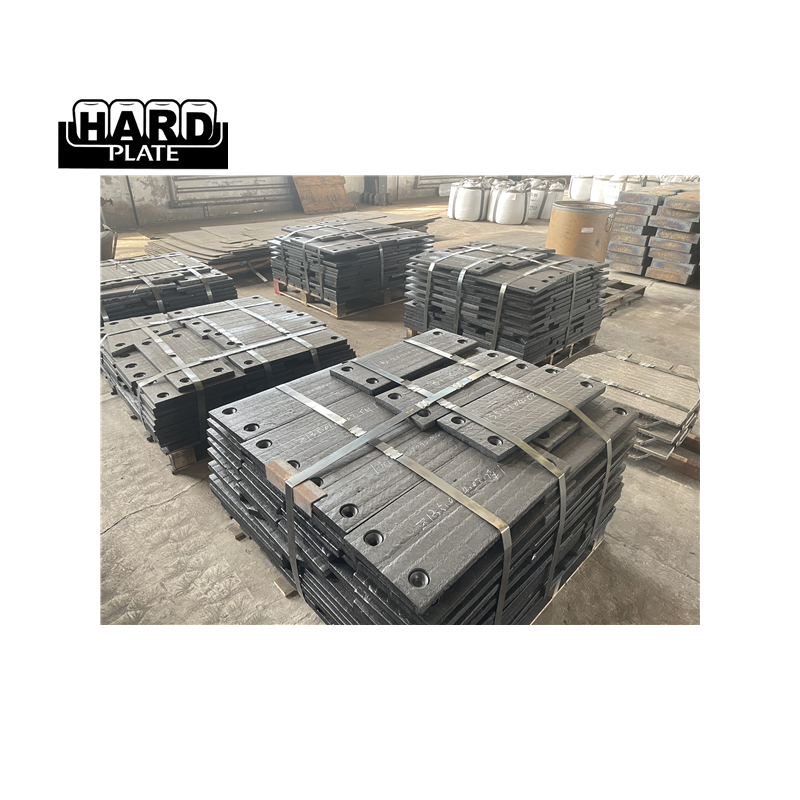
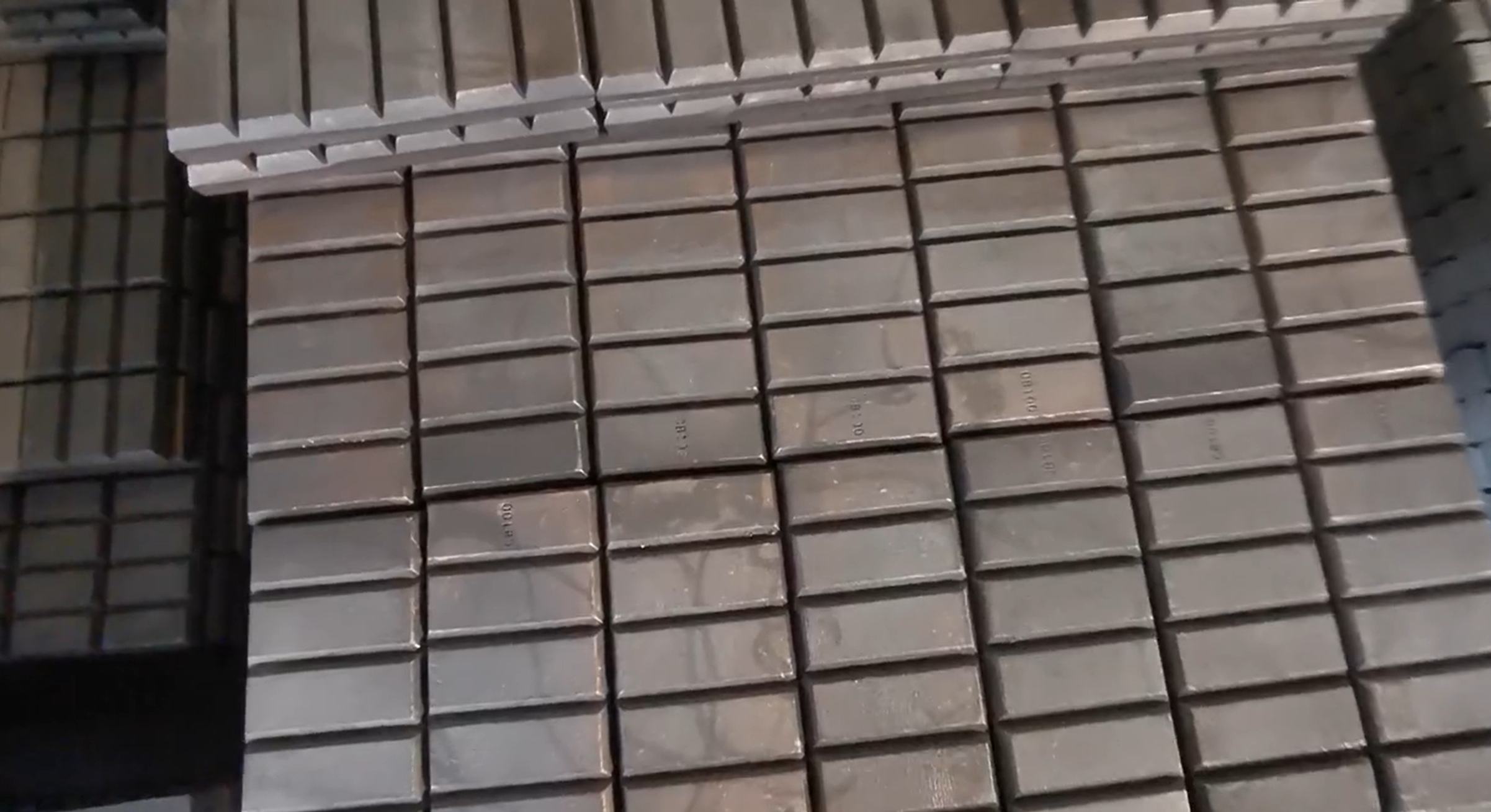
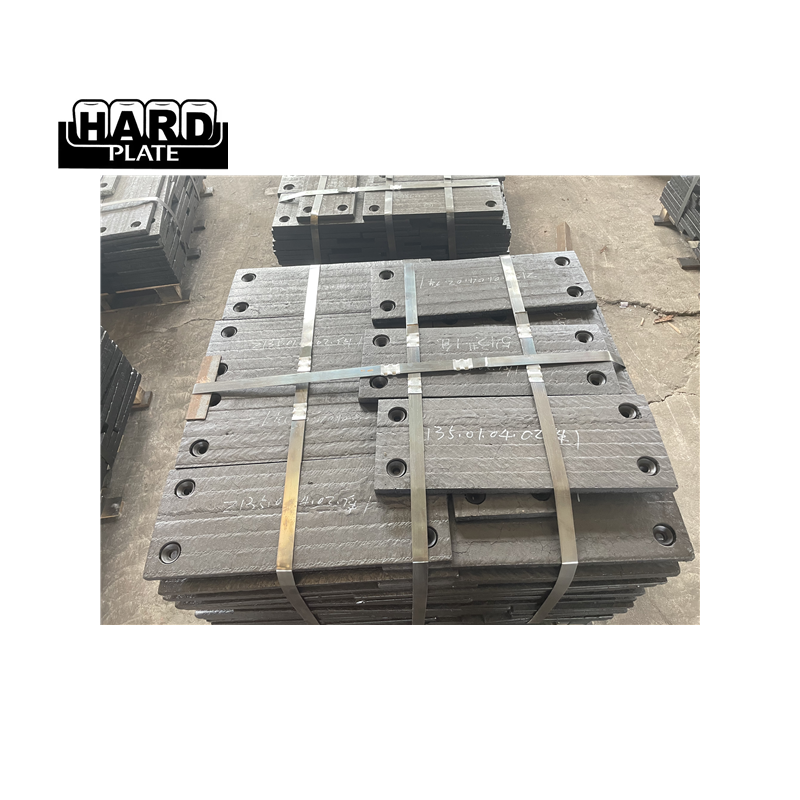
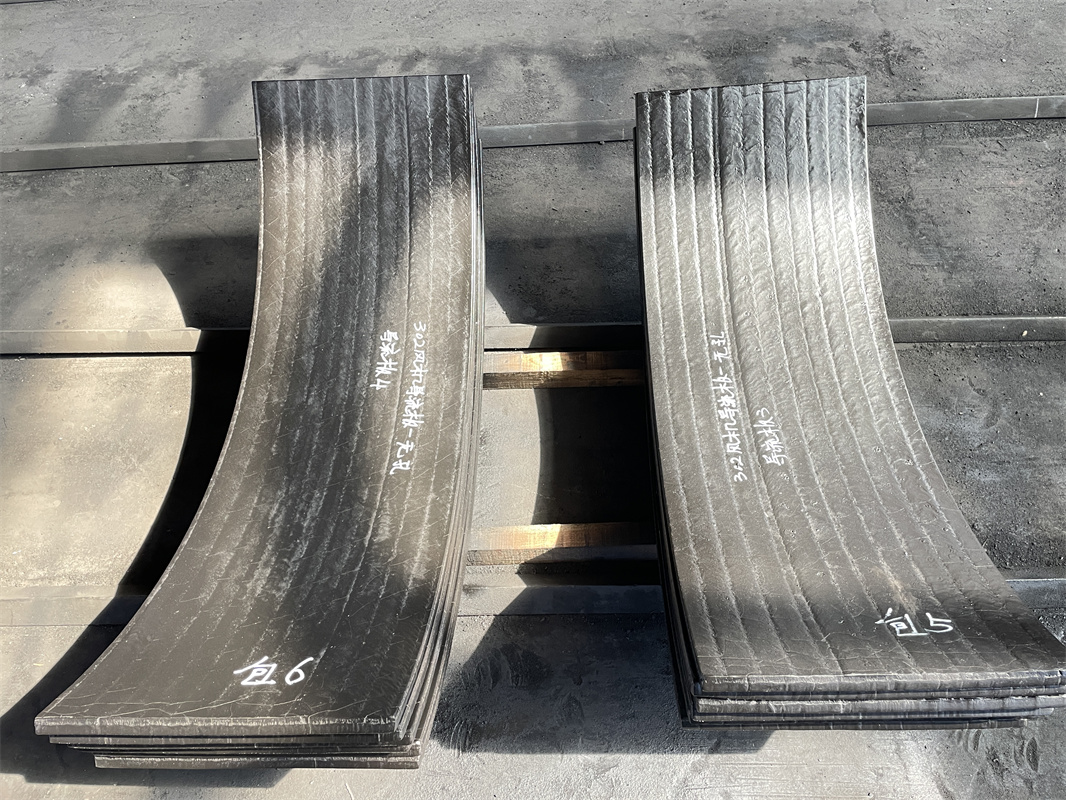
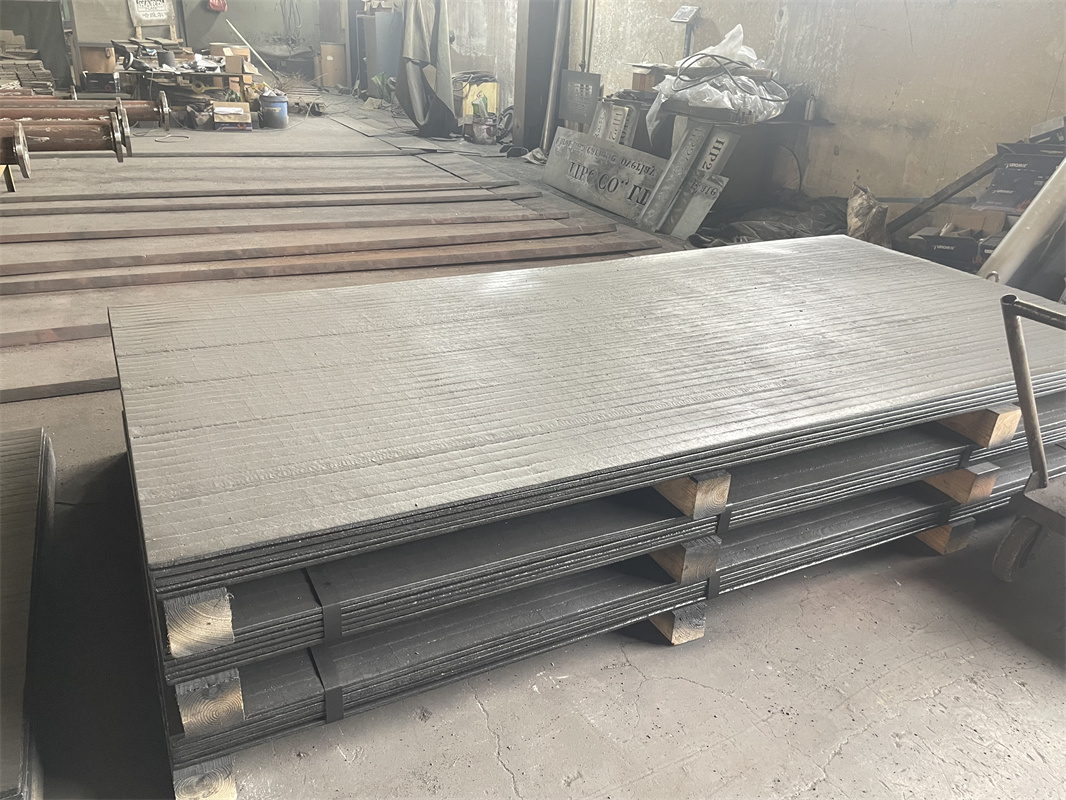
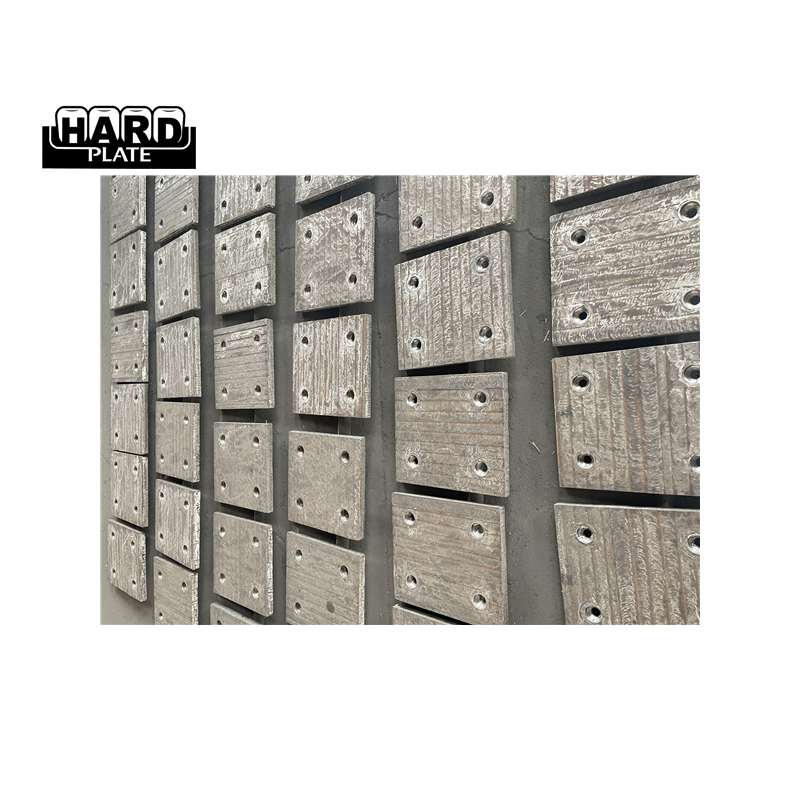
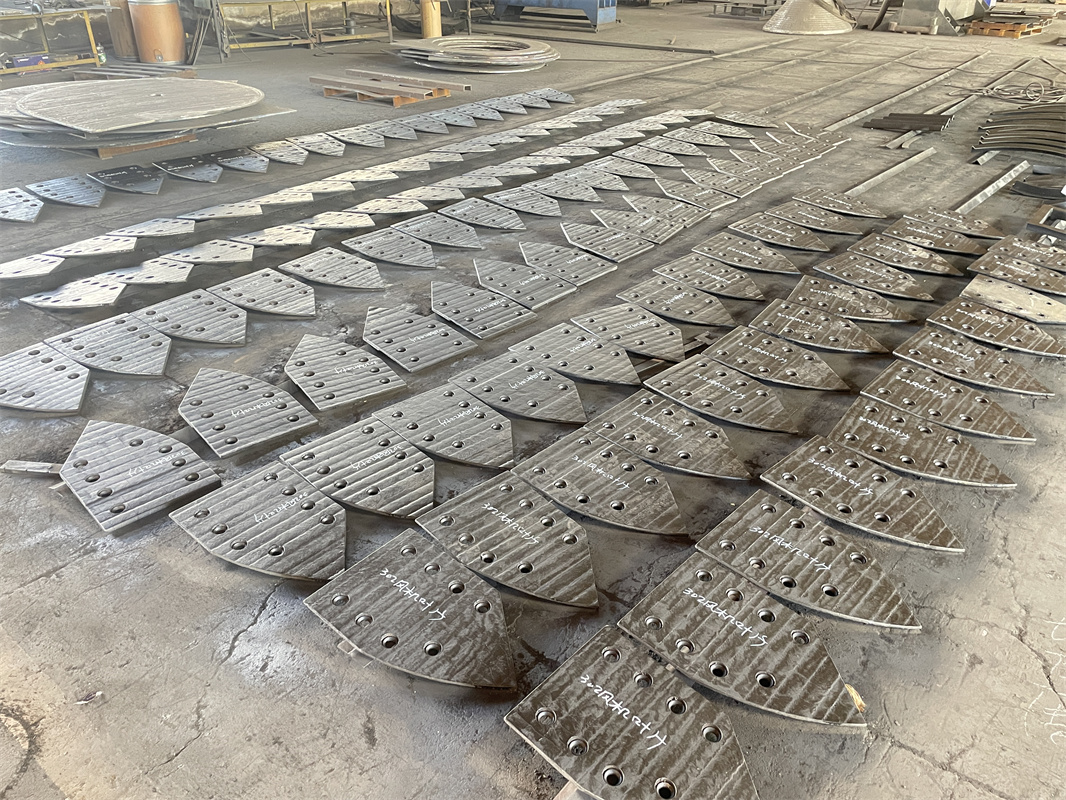
A hardfacing part is a wear-resistant component designed to protect equipment that works under constant friction, impact, heat, or pressure. It adds a tough surface layer to a base metal, allowing the hardfacing part to keep its shape and function for longer than an untreated component. Common products include wear plates, cutting edges, crusher teeth, auger flights, buckets, liners, and welded repair sections. The hardfacing part can be manufactured as a finished replacement item or produced by applying a hard alloy to an existing steel surface. Its main function is to reduce material loss, protect important structures, and maintain stable equipment performance. A hardfacing part may use chromium carbide, tungsten carbide, nickel alloys, or other wear-resistant materials, depending on the working conditions. The selected coating balances hardness, toughness, heat resistance, and resistance to corrosion. Advanced welding, thermal spraying, laser cladding, and precision machining help create a consistent protective surface. These processes allow the hardfacing part to match specific dimensions, operating loads, and service requirements. A reliable hardfacing part also supports easier maintenance because technicians can replace or rebuild the exposed area instead of changing the entire machine section. This approach reduces downtime and limits spare-part consumption. Buyers can specify thickness, alloy type, hardness, shape, and attachment method to suit their equipment. In mining, construction, agriculture, recycling, cement production, steel processing, and material handling, the hardfacing part helps equipment perform reliably when ordinary steel wears too quickly. Choosing the correct hardfacing part improves service life, protects production schedules, and creates a practical solution for demanding working environments.

Popular Products

The main advantage of a hardfacing part is longer service life. A hard outer layer resists scratching, gouging, sliding wear, and repeated contact with abrasive material, so the hardfacing part stays usable for more operating hours. This reduces how often teams must stop machines for repairs or replacement. For a buyer, that means lower maintenance spending and better use of labor, tools, and spare parts. A hardfacing part can also protect a costly base component. Instead of discarding a bucket, roller, conveyor section, or mixing blade after surface damage, operators can install a replacement wear part or rebuild the affected area. This helps control capital costs and supports a more predictable maintenance plan. Another practical benefit is equipment stability. When a hardfacing part keeps its size and shape, cutting, crushing, conveying, and mixing actions remain more consistent. Stable dimensions can improve output quality and reduce energy loss caused by poorly fitting or badly worn components. The hardfacing part also suits a wide range of conditions. Suppliers can select a tougher grade for impact, a harder grade for fine abrasion, or a heat-resistant option for high-temperature service. Custom shapes and mounting arrangements help the hardfacing part fit new machines and older equipment alike. Buyers should compare material, thickness, hardness, bonding method, and expected wear pattern rather than choosing only by price. Correct selection prevents premature failure and delivers better value over the full operating cycle. A well-matched hardfacing part supports safer maintenance because fewer emergency interventions are needed. It also helps companies plan inventory around known replacement intervals. For businesses handling stone, ore, soil, grain, scrap, cement, or metal, this product offers a direct way to extend equipment life while keeping production moving.

Latest News

Wear Resistant Grinding Roller and Table: Materials, Performance, and Service Life

27

Oct

Wear Resistant Grinding Roller and Table: Materials, Performance, and Service Life

Vertical grinding mills and other grinding systems operate under continuous mechanical pressure and abrasive conditions. During operation, raw materials are compressed, crushed, and ground between rotating grinding tables and grinding rollers. When t...
View More
How High Chromium Carbide Hard Facing Plate Protects Equipment from Severe Abrasion

27

Oct

How High Chromium Carbide Hard Facing Plate Protects Equipment from Severe Abrasion

Heavy industrial equipment can be exposed to some of the most demanding wear conditions in modern processing operations. Mining, cement production, quarrying, metallurgy, power generation, and bulk material handling systems frequently transport hard ...
View More
Chromium Carbide Overlay Plate vs Abrasion Resistant Steel: A Practical Comparison

27

Oct

Chromium Carbide Overlay Plate vs Abrasion Resistant Steel: A Practical Comparison

Abrasion is one of the most common causes of premature wear in heavy industrial equipment. Mining, cement, power generation, metallurgy, quarrying, and bulk material handling systems all rely on components that must withstand continuous contact with ...
View More
How to Select the Right Chrome Carbide Overlay Plate for Mining Equipment

27

Oct

How to Select the Right Chrome Carbide Overlay Plate for Mining Equipment

Mining equipment operates under some of the most demanding wear conditions in heavy industry. Rock, ore, mineral concentrates, and other abrasive materials continuously come into contact with chutes, hoppers, crushers, conveyors, bins, and other equi...
View More

Get a Free Quote

Our representative will contact you soon.
Name
Email
Tel / WhatsApp
Company Name
Message
0/1000

hardfacing part

Extended Wear Life

Extended Wear Life

A hardfacing part uses a specially selected wear layer to withstand contact that quickly damages ordinary steel. The protective surface helps the hardfacing part resist abrasion from sand, rock, ore, soil, cement, and scrap, while suitable grades can also handle impact from large or irregular material. This protection slows thickness loss and preserves the working profile of the component. In practical terms, a hardfacing part can keep a blade sharp, a liner effective, or a conveyor section strong for longer periods. Longer wear life means fewer shutdowns, fewer urgent repairs, and less time spent changing heavy components. It also allows maintenance teams to schedule service during planned production breaks instead of reacting to unexpected failure. For buyers, the value goes beyond durability: a hardfacing part can reduce total ownership cost by spreading replacement expense over more operating hours. The result is a dependable solution for equipment exposed to continuous or severe wear.
Application-Matched Construction

Application-Matched Construction

Every hardfacing part should match the type of wear found in its application. A product built for sliding abrasion needs a different surface from one exposed to sharp impact, heat, or corrosive material. Suppliers can choose alloy chemistry, layer thickness, hardness, and support material to create a hardfacing part for the actual work environment. This approach prevents the common problem of using an overly hard surface that cracks under impact or an overly soft surface that wears too quickly. The hardfacing part may be supplied as a formed plate, welded deposit, cutting edge, tooth, liner, flight, or custom-machined component. Accurate dimensions and suitable attachment methods help the hardfacing part fit existing equipment with minimal modification. Buyers gain a clearer purchasing decision because they can specify the operating material, load, temperature, and expected service interval. Proper matching improves reliability, protects the underlying structure, and makes the hardfacing part a practical choice for mining, construction, agriculture, recycling, and processing machinery.
Lower Maintenance and Operating Cost

Lower Maintenance and Operating Cost

A hardfacing part creates value by protecting the equipment section that wears first. When the exposed surface lasts longer, operators replace fewer complete assemblies and avoid unnecessary damage to the stronger base structure. The hardfacing part can therefore reduce material use, maintenance labor, transport effort, and disposal volume. Its repairable or replaceable design also makes service work more focused: technicians can renew the worn zone instead of removing a large machine section. This helps shorten downtime and keeps production schedules more stable. A hardfacing part may improve performance as well as durability. By preserving the intended shape of a blade, chute, tooth, roller, or liner, it supports smoother material flow and more consistent machine action. Buyers should review expected wear rate, service access, component size, and replacement time when comparing options. A properly selected hardfacing part gives measurable operational value through longer intervals between service events, more predictable budgeting, and better equipment availability.

Copyright © Shenyang Hard Welding Surface Engineering Co., ltd.  -  Privacy policy