Hardfacing Liner Plate for Wear Protection

All Categories

hardfacing liner plate

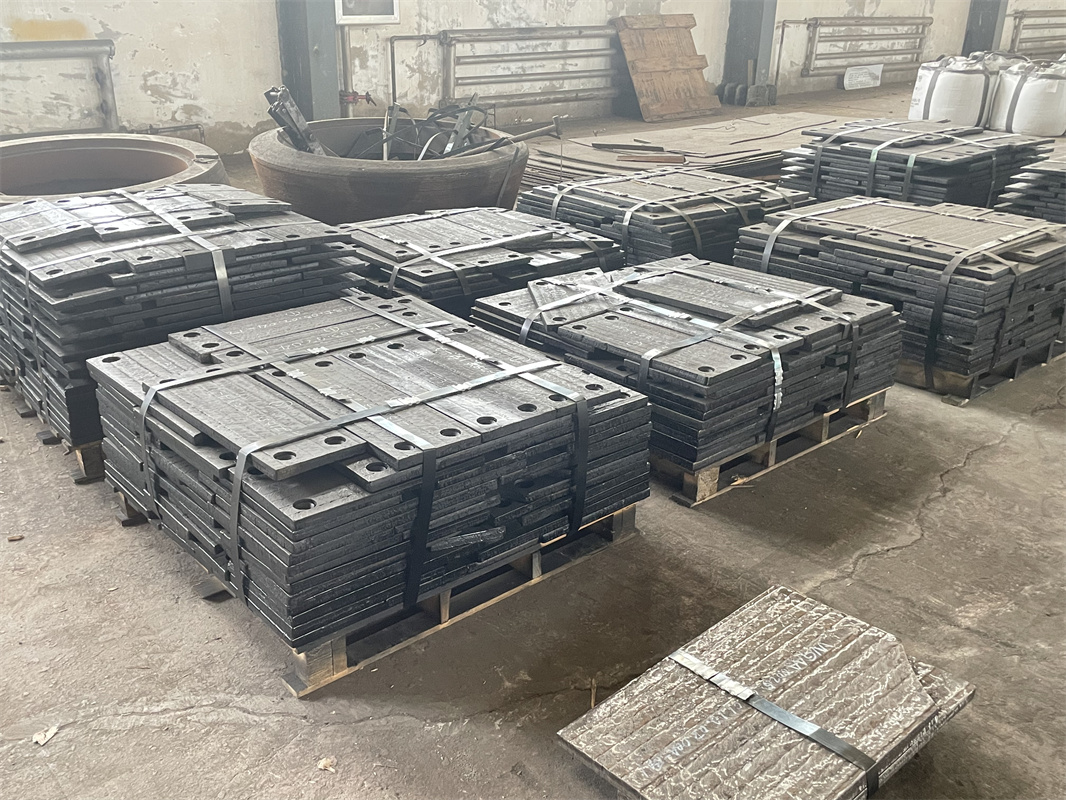
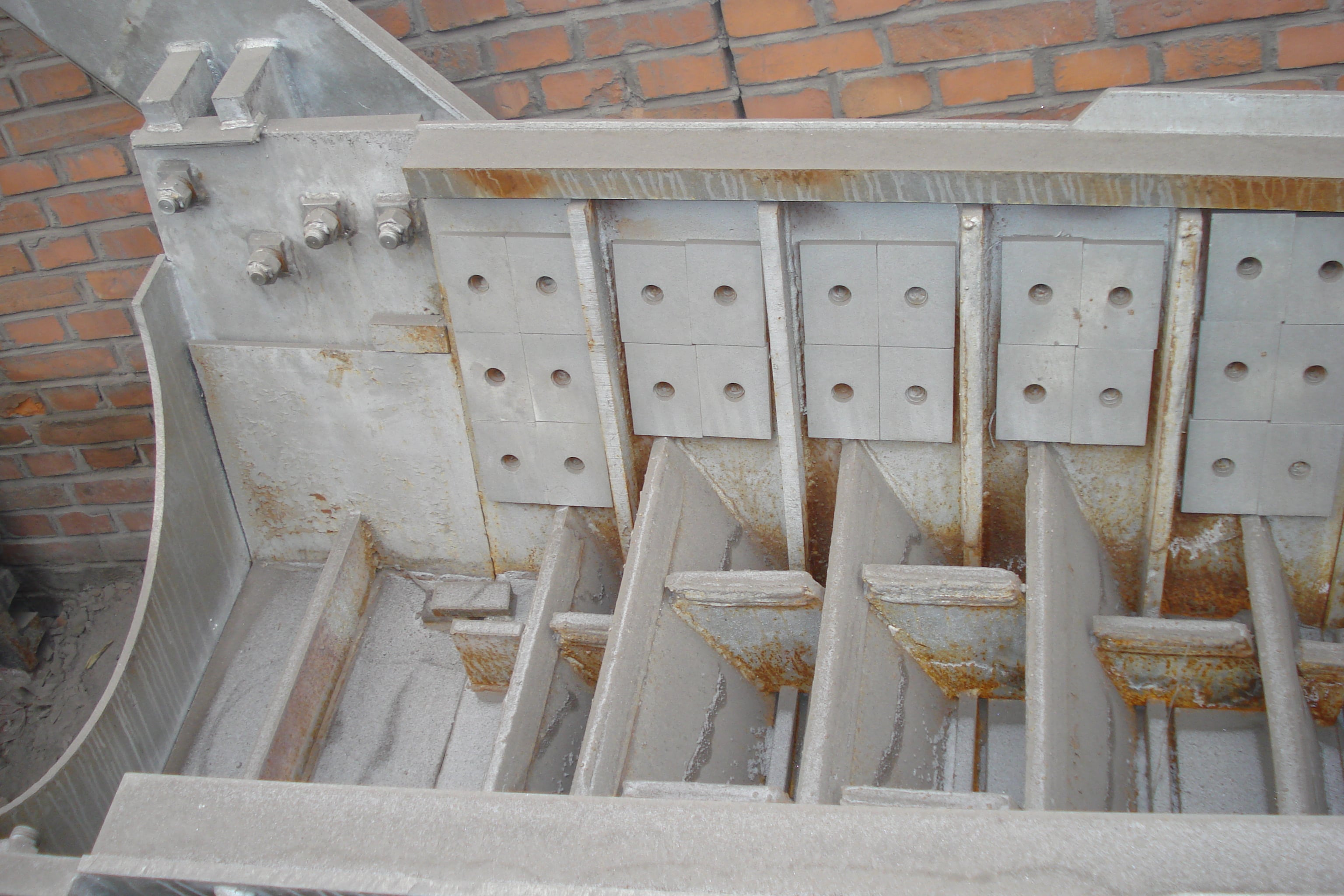
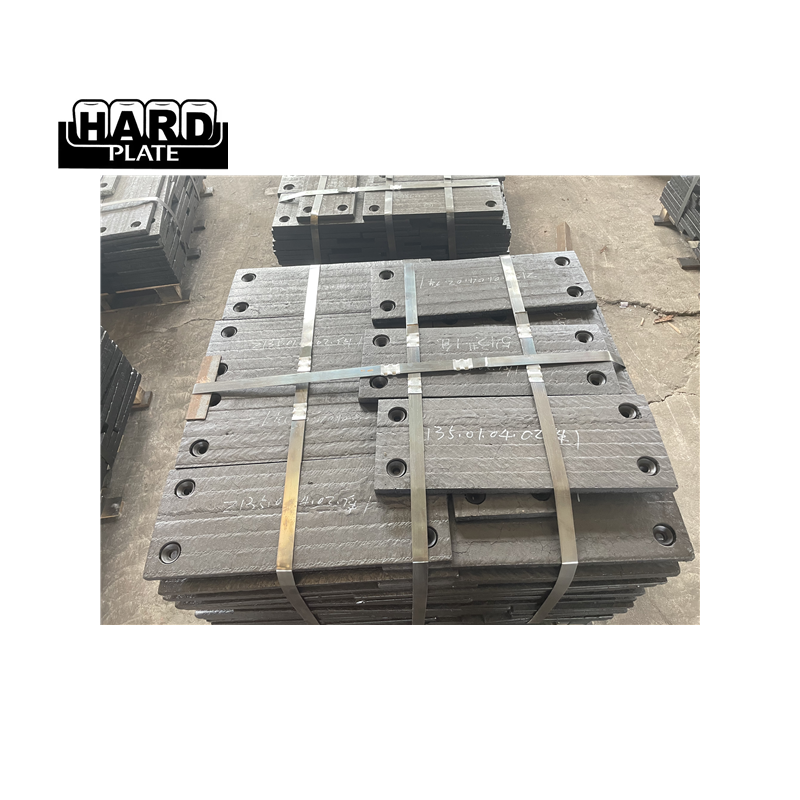
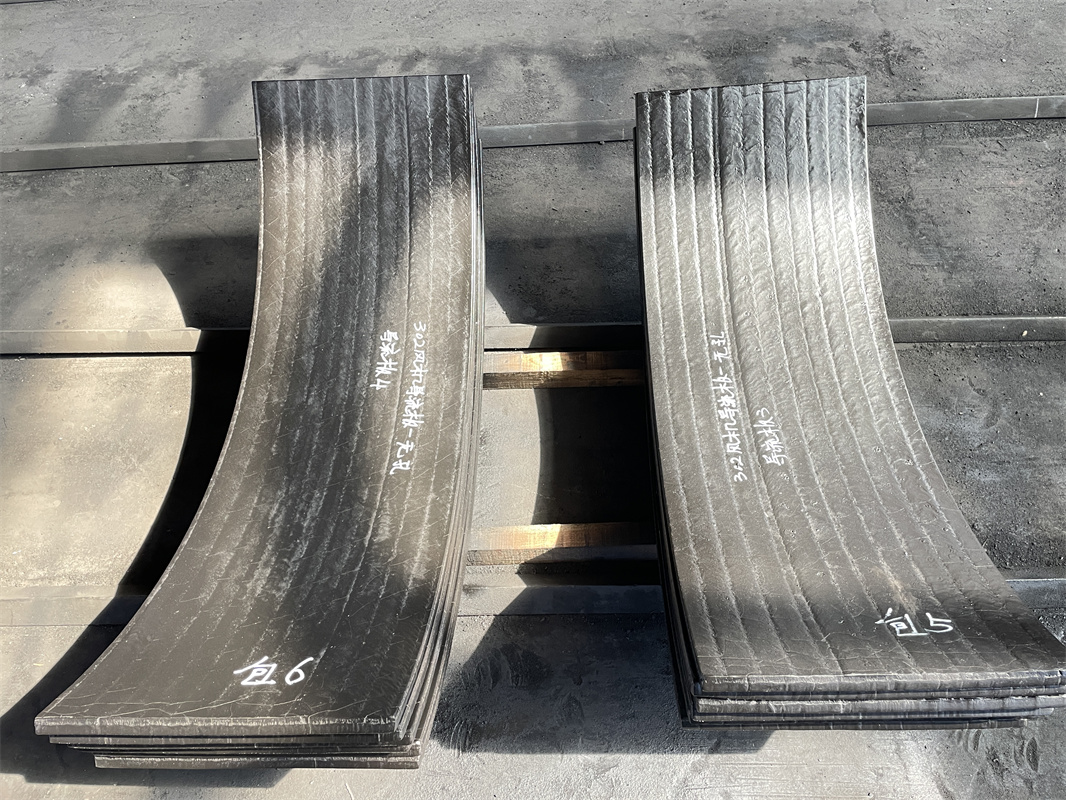
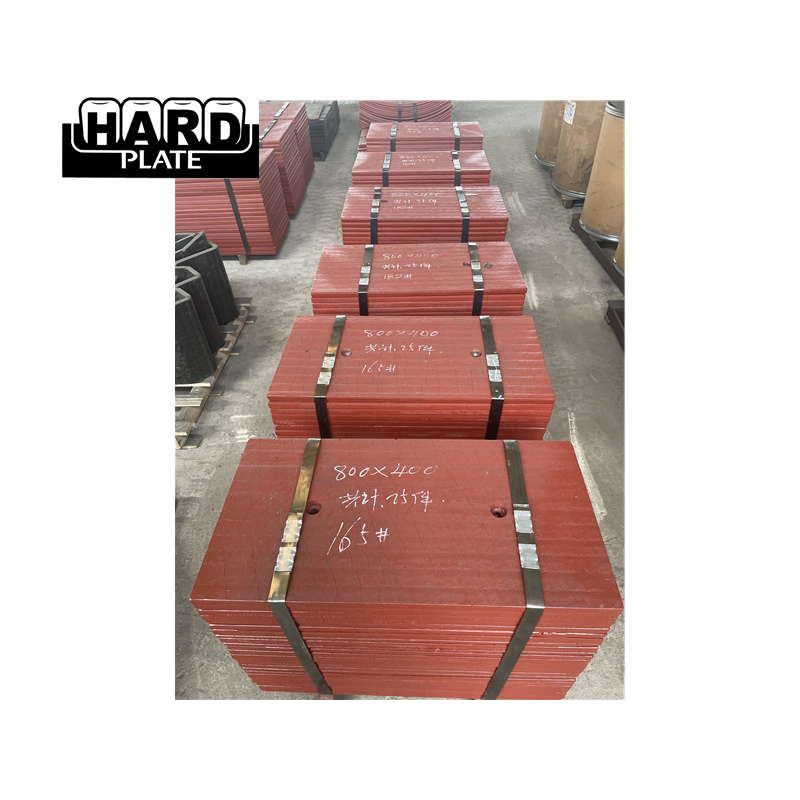
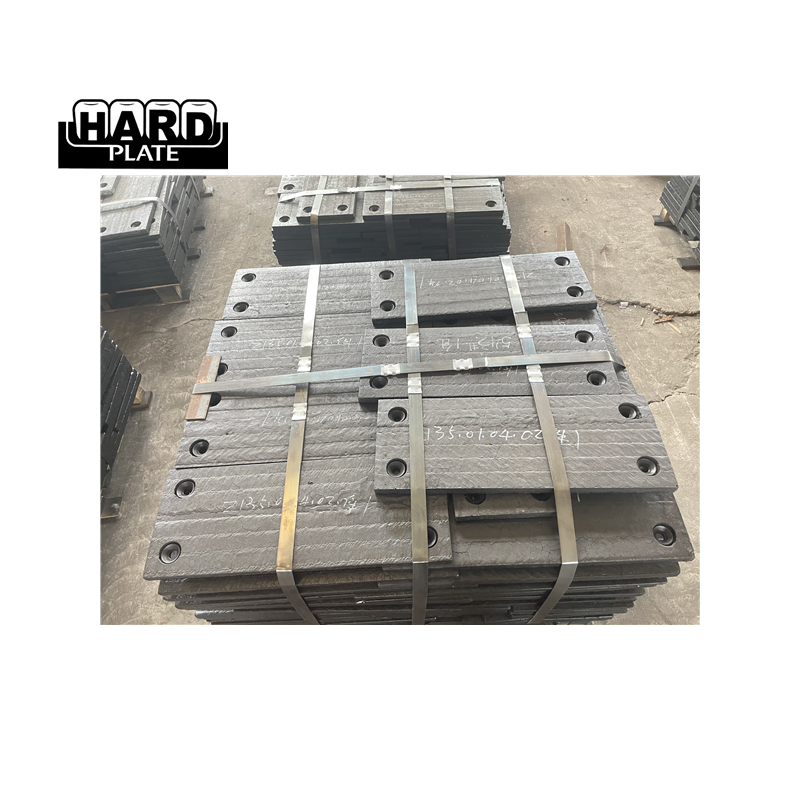
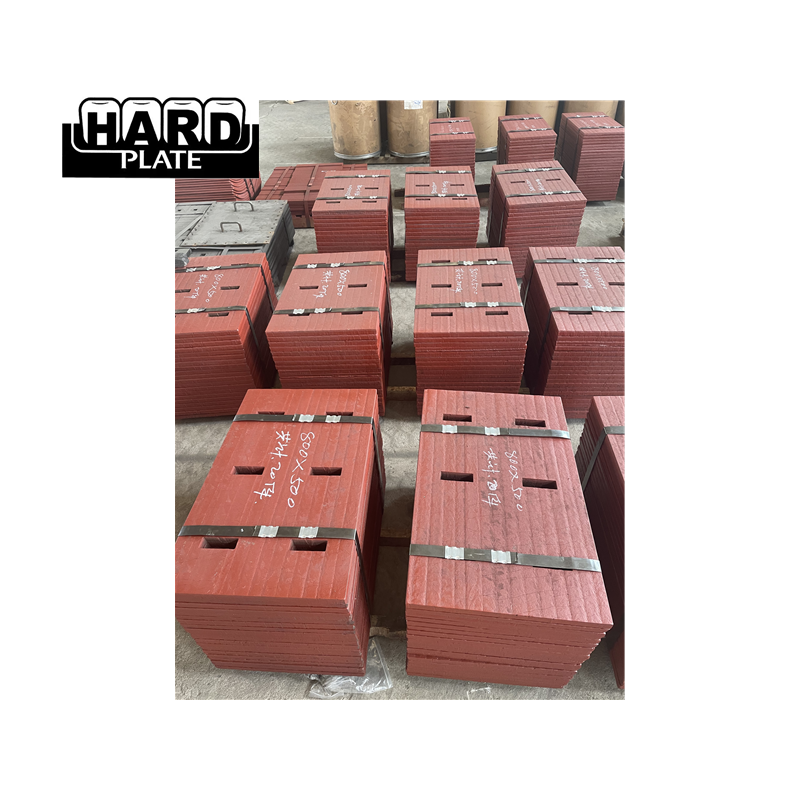
A hardfacing liner plate is a wear-resistant steel plate designed to protect equipment surfaces from severe abrasion, impact, heat, and material flow. The hardfacing liner plate combines a tough base metal with a welded layer of high-alloy material. This working layer resists cutting, sliding, gouging, and repeated contact better than ordinary carbon steel. As a result, a hardfacing liner plate helps extend the useful life of chutes, hoppers, bins, feeders, screens, mixers, and conveyor transfer points. The hardfacing liner plate is produced by depositing wear-resistant alloys onto a steel substrate through controlled welding technology. Manufacturers can select alloy chemistry, overlay thickness, plate size, and surface pattern according to operating conditions. Some designs use chromium-rich deposits for strong abrasion resistance, while others use complex carbides for more demanding material streams. The hardfacing liner plate can also include a mild steel backing that supports drilling, cutting, welding, and secure attachment. Unlike a standard liner, a hardfacing liner plate focuses on protecting the working surface rather than simply adding thickness. Its surface may show natural weld bead patterns, which can help create a strong barrier against abrasive particles. The hardfacing liner plate is suitable for dry or wet processing, provided the selected grade matches the temperature, impact level, and material being handled. Buyers use a hardfacing liner plate when frequent replacement, production stoppage, and maintenance labor create high operating costs. With correct design and installation, the hardfacing liner plate provides a practical way to improve equipment reliability and reduce wear-related interruptions.

New Product Recommendations

The main advantage of a hardfacing liner plate is longer service life. It keeps equipment surfaces working for more hours before replacement becomes necessary. A hardfacing liner plate can reduce the number of shutdowns caused by thinning walls, worn corners, or damaged transfer areas. Fewer maintenance events help operators protect production schedules and control labor costs. A hardfacing liner plate also lowers the risk of sudden wear failure. Its reinforced surface continues to shield the base structure while abrasive materials pass through the equipment. This protection helps preserve the shape, strength, and capacity of chutes, hoppers, crushers, and other components. For buyers, that means a hardfacing liner plate can deliver value beyond its purchase price. The product may reduce spare-part consumption, fitting time, repair welding, and emergency service work. The hardfacing liner plate suits applications that handle coal, ore, clinker, limestone, sand, slag, glass, grain, and other aggressive materials. Its suitability depends on impact force, particle size, sliding speed, moisture, temperature, and material hardness. Suppliers can adjust overlay composition and thickness to match those conditions instead of offering one generic solution. A hardfacing liner plate can also simplify replacement planning because predictable wear allows maintenance teams to schedule work during planned outages. The base plate provides mechanical support, while the overlay takes the main wear load. This design gives operators a practical balance between toughness and surface protection. A hardfacing liner plate may cost more initially than untreated steel, but its extended operating period can improve total cost of ownership. Buyers should compare expected service life, installation effort, downtime exposure, and replacement frequency rather than judging only the initial price. When correctly specified, the hardfacing liner plate helps equipment run longer, maintenance teams work less often, and production managers gain more dependable output.

Latest News

What to Look for When Buying High-Quality Chrome Carbide Plates (A Buyer’s Guide)

17

Jun

What to Look for When Buying High-Quality Chrome Carbide Plates (A Buyer’s Guide)

Chrome Carbide Plate Composition and Manufacturing ProcessWhy Chromium Carbide Hardness (HRC 60–70) Is Critical for Wear ResistanceChrome carbide plate performance hinges on surface hardness—measured on the Rockwell C scale (HRC)—with optimal wear re...
View More
How to Select a Mill Liner for Improved Grinding Efficiency and Wear Protection

27

Oct

How to Select a Mill Liner for Improved Grinding Efficiency and Wear Protection

Grinding mills operate under continuous mechanical stress and severe abrasive conditions. In mining and mineral processing operations, large quantities of ore are repeatedly lifted, dropped, crushed, and ground inside the mill. Without effective prot...
View More
Chromium Carbide Overlay Plate vs Abrasion Resistant Steel: A Practical Comparison

27

Oct

Chromium Carbide Overlay Plate vs Abrasion Resistant Steel: A Practical Comparison

Abrasion is one of the most common causes of premature wear in heavy industrial equipment. Mining, cement, power generation, metallurgy, quarrying, and bulk material handling systems all rely on components that must withstand continuous contact with ...
View More
How to Select the Right Chrome Carbide Overlay Plate for Mining Equipment

27

Oct

How to Select the Right Chrome Carbide Overlay Plate for Mining Equipment

Mining equipment operates under some of the most demanding wear conditions in heavy industry. Rock, ore, mineral concentrates, and other abrasive materials continuously come into contact with chutes, hoppers, crushers, conveyors, bins, and other equi...
View More

Get a Free Quote

Our representative will contact you soon.
Name
Email
Tel / WhatsApp
Company Name
Message
0/1000

hardfacing liner plate

Longer Service Between Replacements

Longer Service Between Replacements

A hardfacing liner plate creates a strong protective surface that slows wear at the points where material causes the most damage. Instead of allowing abrasive particles to cut directly into the equipment wall, the hardfacing layer absorbs repeated contact and preserves the supporting steel below. This feature matters in transfer chutes, hoppers, feeders, and bins that operate continuously or process heavy loads. The hardfacing liner plate helps maintenance teams extend inspection intervals and plan replacements during scheduled shutdowns. Longer service can reduce labor, spare-part use, and production losses linked to unexpected repairs. The hardfacing liner plate also maintains useful equipment geometry for longer, helping material flow through the intended path. Buyers gain a clearer maintenance schedule and a lower risk of frequent emergency work. By selecting the overlay thickness for the expected wear rate, customers can balance purchase cost against operating life. This makes the hardfacing liner plate a practical choice for demanding production environments.
Custom Wear Protection for Tough Materials

Custom Wear Protection for Tough Materials

A hardfacing liner plate can be configured for different wear conditions instead of relying on a single standard material. The selected alloy and overlay thickness can address sliding abrasion, sharp impact, gouging, or a combination of these forces. This flexibility allows a hardfacing liner plate to protect equipment that handles ore, coal, clinker, slag, sand, limestone, and other difficult materials. Engineers can also specify dimensions, hole patterns, bends, and attachment methods to suit the installation area. The hardfacing liner plate therefore supports both new equipment and repair projects. Matching the plate to actual operating conditions is important because excessive hardness may not suit heavy impact, while a softer grade may wear too quickly under strong abrasion. A knowledgeable supplier can review material properties, feed size, temperature, moisture, and flow speed before recommending a design. The result is a hardfacing liner plate that uses material where it creates the greatest customer value. This approach helps buyers avoid over-specification and improves protection at critical wear zones.
Reliable Performance with Practical Installation

Reliable Performance with Practical Installation

A hardfacing liner plate combines a wear-resistant working layer with a supportive steel backing, giving customers protection without requiring a complete equipment redesign. The backing provides strength and helps installers handle, position, and secure the component. Depending on the project, a hardfacing liner plate can be bolted, welded, or fitted with prepared holes and sections. Fabrication teams may cut or shape the backing to match a chute, hopper, screen, or conveyor area, while the overlay remains the main defense against wear. The hardfacing liner plate can also support phased replacement, allowing operators to renew the most exposed zones first and manage budgets more effectively. Its welded overlay may display a textured bead pattern, but this surface is engineered to resist material attack rather than provide a decorative finish. A hardfacing liner plate offers reliable protection when the grade, thickness, and attachment method match the application. Buyers should confirm drawings, tolerances, operating temperatures, and safety requirements before ordering. Correct preparation improves fit, reduces installation time, and helps the plate deliver its expected service life.

Copyright © Shenyang Hard Welding Surface Engineering Co., ltd.  -  Privacy policy