
 EN
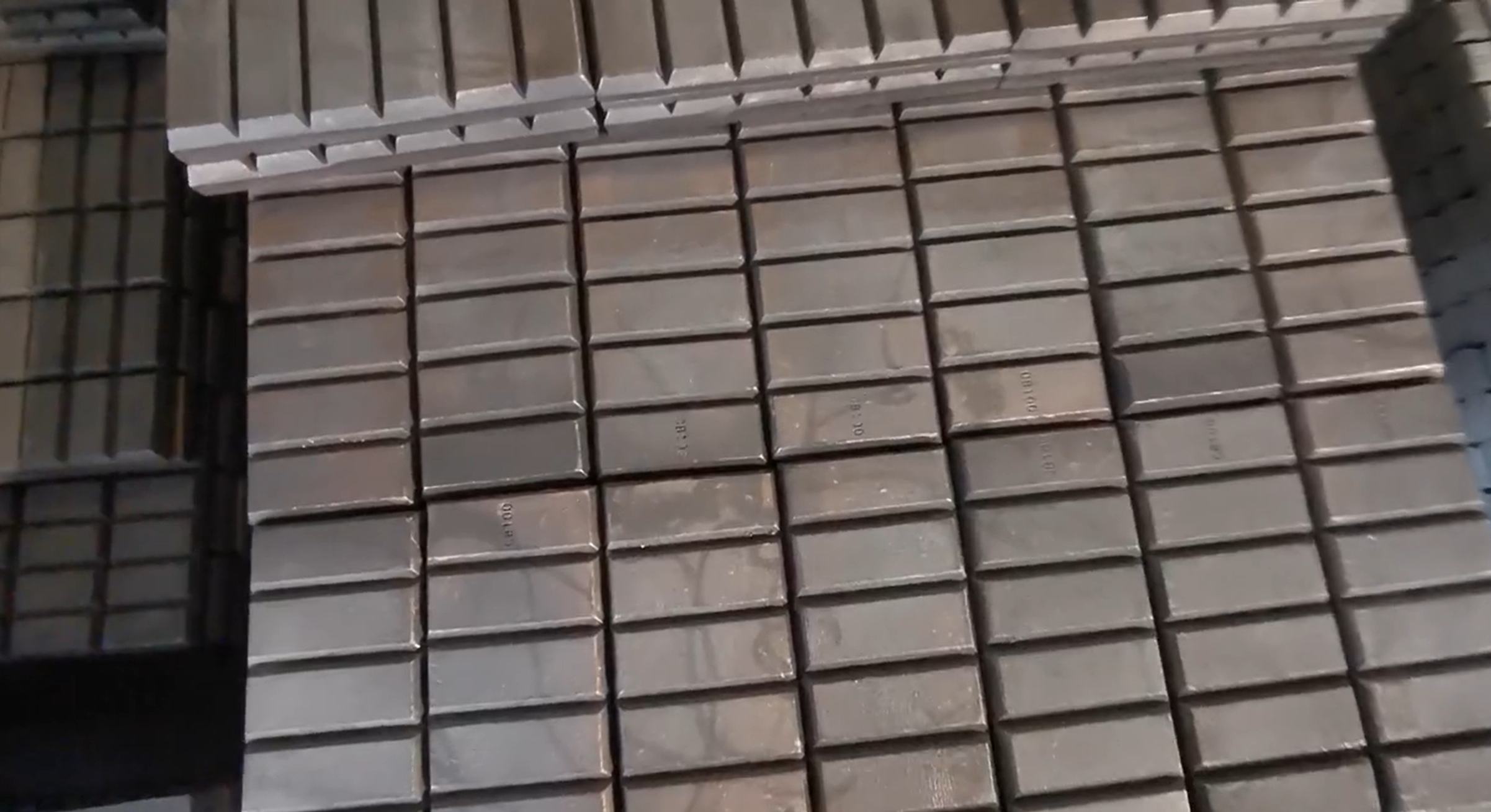
Heavy industrial equipment can be exposed to some of the most demanding wear conditions in modern processing operations. Mining, cement production, quarrying, metallurgy, power generation, and bulk material handling systems frequently transport hard and abrasive materials that can rapidly damage conventional steel surfaces.
When abrasive particles continuously slide, impact, or flow across equipment surfaces, material loss can occur at an accelerated rate. Replacing the entire structural component is often impractical and expensive. Instead, a wear-resistant surface can be added to protect the areas most exposed to abrasion.
A high chromium carbide hard facing plate is designed for this type of severe wear environment. By combining a steel substrate with a chromium carbide-rich hardfacing layer, it provides a highly wear-resistant surface while retaining structural support from the underlying base material.
Understanding how this material works can help engineers and industrial buyers determine where it can provide effective equipment protection.
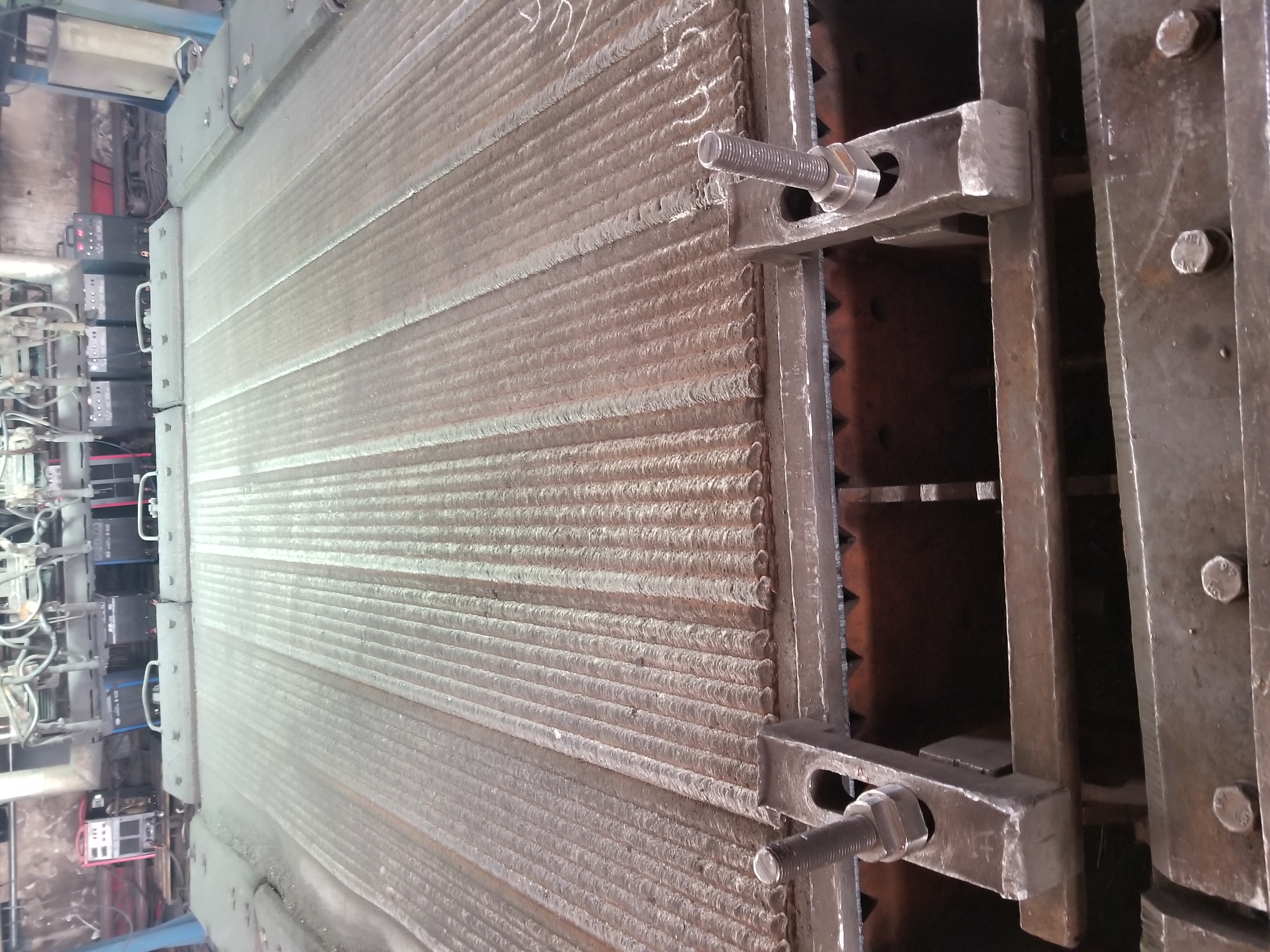
What Is a High Chromium Carbide Hard Facing Plate?
A high chromium carbide hard facing plate is a composite wear-resistant plate consisting primarily of a steel substrate and a hardfacing layer containing a high concentration of chromium carbide phases.
The substrate provides mechanical support, while the hardfacing layer acts as the primary wear-resistant surface.
The hardfacing layer is engineered to resist material loss caused by severe abrasive contact.
Depending on the manufacturing process and product specification, the overlay can contain hard chromium carbide structures distributed within a metallic matrix.
This combination allows the plate to provide significantly greater resistance to certain abrasive conditions than conventional structural steel.
How Chromium Carbide Provides Wear Protection
The fundamental advantage of chromium carbide hardfacing comes from the presence of hard carbide phases.
During operation, abrasive particles come into contact with the surface of the plate.
Instead of rapidly removing the entire surface, the hard carbide structures provide resistance against the cutting, scratching, and grinding action of the abrasive particles.
The surrounding metallic matrix supports the carbide phases and contributes to the overall integrity of the overlay.
The result is a composite surface designed to withstand continuous abrasive attack.
This makes high chromium carbide hardfacing particularly useful in applications where conventional steel would wear too quickly.
Why Severe Abrasion Requires Specialized Protection
Not all abrasive wear conditions are equally severe.
Some equipment handles relatively soft materials at low velocities, while other systems continuously process hard minerals at high throughput.
Severe abrasion can involve:
-
Hard mineral particles
-
Sharp and angular materials
-
High material velocity
-
Continuous sliding
-
High material throughput
-
Repeated particle contact
-
Localized high-wear zones
Under these conditions, conventional steel can lose material rapidly.
A high chromium carbide hardfacing plate provides a dedicated wear surface that can significantly increase the available wear allowance in critical equipment areas.
1. Protection Against Sliding Abrasion
Sliding abrasion occurs when abrasive particles continuously move across the plate surface.
This is common in:
-
Chutes
-
Hopper walls
-
Conveyor transfer systems
-
Feed systems
-
Bins
-
Material handling equipment
As particles slide across the surface, they can create repeated scratching and cutting action.
The hard chromium carbide phases help resist this progressive material removal.
For applications dominated by sliding abrasion, the combination of carbide hardness and appropriate overlay thickness can provide effective surface protection.
2. Protection Against Impact and Abrasion
Some industrial equipment experiences both impact and abrasion.
For example, material may fall onto a liner before sliding across its surface.
In this situation, the plate must withstand:
-
Initial impact
-
Repeated abrasive contact
-
Continuous material movement
The steel substrate plays an important role in supporting the hardfacing layer.
The complete composite structure should therefore be evaluated when the application involves significant impact.
The appropriate balance between hardfacing performance and substrate toughness depends on the severity of the operating environment.
3. Protection in Mining Equipment
Mining is one of the most demanding environments for wear-resistant materials.
Equipment may continuously process:
-
Iron ore
-
Copper ore
-
Coal
-
Limestone
-
Rock
-
Mineral concentrates
These materials can be highly abrasive.
High chromium carbide hardfacing plates can be used to protect components such as:
-
Chute liners
-
Hopper liners
-
Transfer points
-
Feed systems
-
Screens
-
Deflector plates
-
Wear liners
-
Material handling components
Protecting these high-wear areas can help reduce maintenance frequency and extend equipment operating intervals.
4. Protection in Cement Production
Cement manufacturing involves the movement and processing of abrasive raw materials.
Limestone, clinker, raw meal, and other materials can cause significant wear when continuously transported through equipment.
Hardfacing plates can be considered for:
-
Chutes
-
Hoppers
-
Material transfer systems
-
Wear liners
-
Processing equipment
-
Conveyor components
The appropriate plate specification depends on the material characteristics and specific wear mechanism.
5. Protection in Quarrying
Quarry equipment frequently handles large quantities of rock and aggregate.
The combination of large particle size, high impact, and continuous abrasion can create severe wear conditions.
Potential applications include:
-
Rock chutes
-
Hoppers
-
Crusher feed areas
-
Transfer points
-
Conveyor liners
-
Screening equipment
In these environments, the wear plate must provide sufficient abrasion resistance while also being suitable for the expected impact conditions.
6. Protection in Power Generation
Power plants can encounter abrasive wear in material handling and ash processing systems.
Coal, ash, and mineral particles can gradually wear:
-
Ash handling components
-
Coal transfer chutes
-
Feed systems
-
Hoppers
-
Conveying equipment
-
Material discharge areas
Using a dedicated wear-resistant layer in high-wear locations can help protect the structural equipment beneath it.
7. Protection in Metallurgical Applications
Metallurgical plants can process highly abrasive materials such as ore, slag, sintered material, and mineral-based feedstock.
These materials can create aggressive wear when moved at high speed or under heavy loading.
High chromium carbide hardfacing can be considered for selected components exposed to severe abrasive conditions.
Application-specific evaluation is necessary because temperature and impact can also influence material performance.
The Importance of Carbide Distribution
The performance of a hardfacing layer depends on more than the total amount of chromium and carbon.
The distribution and morphology of carbide phases are also important.
A well-controlled hardfacing structure can provide:
-
Consistent wear resistance
-
Effective protection against abrasive particles
-
Stable surface performance
-
More predictable wear behavior
Manufacturing parameters influence the resulting microstructure.
Therefore, buyers evaluating high chromium carbide hard facing plate should consider both chemical composition and metallographic characteristics when appropriate.
The Role of the Steel Substrate
The hardfacing layer provides the primary wear protection, but the substrate should not be overlooked.
The substrate supports the overlay and contributes to:
-
Structural strength
-
Toughness
-
Fabrication
-
Installation
-
Resistance to mechanical loading
For applications involving significant impact, the relationship between the hardfacing layer and substrate becomes particularly important.
A wear plate should therefore be evaluated as a complete composite structure rather than simply as a layer of hard material.
Why Overlay Thickness Matters
The hardfacing layer represents the primary wear allowance.
As the equipment operates, the overlay gradually loses material.
A thicker overlay can provide greater available wear allowance, but increasing thickness also affects:
-
Weight
-
Cost
-
Fabrication
-
Installation
-
Equipment dimensions
The appropriate thickness should be determined according to the expected wear rate and required service interval.
There is no universal overlay thickness for every application.
How Hard Facing Plates Extend Equipment Service Life
A hardfacing plate can extend equipment service life in several ways.
Protecting the Structural Base
The plate absorbs abrasive wear before the underlying equipment structure is significantly affected.
Increasing Wear Allowance
The hardfacing layer provides additional material that can be consumed during operation.
Reducing Replacement Frequency
Improved wear resistance can allow components to remain in service for longer periods.
Supporting Predictable Maintenance
A more stable wear rate can make inspection and replacement planning easier.
Reducing Equipment Downtime
Longer liner service intervals can reduce the frequency of maintenance shutdowns.
Selecting the Right Hardfacing Plate for an Application
The best high chromium carbide hard facing plate should be selected according to actual operating conditions.
Important factors include:
Material Abrasiveness
Determine how hard and abrasive the processed material is.
Particle Size
Large particles may generate greater impact, while fine particles can create continuous sliding or erosive wear.
Material Velocity
Higher velocities can increase the frequency and energy of abrasive contact.
Impact Intensity
Determine whether the equipment experiences low, moderate, or severe impact.
Operating Temperature
High temperatures may influence the suitability of specific materials.
Required Service Life
Define how long the wear component should operate before replacement.
Equipment Geometry
Determine whether the plate must remain flat, be formed, or be fabricated into a custom component.
Installation Method
Confirm whether the plate will be welded, bolted, or mechanically fastened.
Where Should Hardfacing Plate Be Installed?
The most effective strategy is often to protect the areas with the highest wear rate.
These may include:
-
Material impact zones
-
Chute bottoms
-
Transfer points
-
Hopper outlets
-
Crusher feed areas
-
Elbows
-
Deflector surfaces
-
High-flow material paths
Not every part of the equipment necessarily requires the same wear protection.
Targeted application can help optimize material usage and maintenance costs.
Hardfacing Plate vs Conventional Steel
Conventional structural steel is designed primarily for structural performance rather than extreme abrasive resistance.
When exposed to severe abrasive materials, its surface can wear relatively quickly.
A high chromium carbide hardfacing plate adds a specialized wear-resistant layer to the structural substrate.
The difference can be summarized as follows:
| Factor | Conventional Steel | High Chromium Carbide Hardfacing Plate |
|---|---|---|
| Abrasion resistance | Moderate to low depending on grade | High for severe abrasive conditions |
| Hardfacing layer | No | Yes |
| Wear allowance | Limited by base thickness | Dedicated wear layer |
| Severe sliding abrasion | Limited suitability | Strong suitability |
| Customization | Generally straightforward | Available depending on manufacturing process |
| Typical use | Structural components | High-wear protection |
The appropriate solution depends on the application rather than the material's nominal hardness alone.
High Chromium Carbide Hardfacing Plate vs Abrasion Resistant Steel
Both solutions can be useful for wear protection, but they have different characteristics.
Abrasion resistant steel is a homogeneous wear-resistant steel material, while chromium carbide hardfacing plate uses a composite structure.
A hardfacing plate may provide a highly wear-resistant surface for applications dominated by severe abrasion.
Abrasion resistant steel can provide a useful combination of hardness, toughness, and fabrication characteristics.
The selection should consider:
-
Wear severity
-
Impact
-
Required service life
-
Fabrication
-
Equipment structure
-
Installation requirements
-
Lifecycle cost
Fabrication Considerations
Hardfacing plates may need to be cut and fabricated according to equipment requirements.
Typical processes can include:
-
Plasma cutting
-
Thermal cutting
-
Grinding
-
Welding
-
Drilling
-
Forming
Because the overlay contains hard carbide phases, fabrication procedures may differ from those used for conventional steel.
Before production, the manufacturer should confirm suitable cutting, welding, and fabrication procedures for the specific plate configuration.
Quality Factors Buyers Should Review
When purchasing high chromium carbide hard facing plate, buyers should review more than the product name.
Important factors include:
-
Chemical composition
-
Hardness
-
Carbide structure
-
Overlay thickness
-
Substrate material
-
Bonding condition
-
Plate dimensions
-
Flatness
-
Surface condition
-
Batch consistency
-
Inspection documentation
For critical industrial applications, appropriate testing and inspection requirements should be agreed before production.
Common Applications by Wear Condition
| Wear Condition | Potential Application |
|---|---|
| Severe sliding abrasion | Chutes and hopper liners |
| High material flow | Transfer points |
| Abrasion with moderate impact | Mining liners |
| Hard mineral handling | Ore processing equipment |
| Continuous bulk material flow | Conveyor components |
| Localized severe wear | Replaceable wear plates |
| Abrasion and impact | Crusher feed areas |
The actual material selection should be based on operating data rather than application name alone.
Common Selection Mistakes
Selecting Only by Chromium Content
High chromium content alone does not guarantee optimal wear performance.
Carbide structure, matrix, manufacturing consistency, and overlay thickness also matter.
Choosing Maximum Hardness
The hardest available material may not be appropriate for high-impact conditions.
Ignoring the Substrate
The substrate contributes to the structural integrity of the complete wear plate.
Using the Same Thickness Everywhere
Different equipment zones may experience very different wear rates.
Ignoring Fabrication
Cutting and welding requirements should be considered before selecting the plate.
Focusing Only on Initial Cost
A higher initial material cost may be justified if the product provides significantly longer service life.
How to Maximize the Performance of a Hardfacing Plate
Several practices can help improve the performance of a hardfacing wear system.
Identify High-Wear Areas
Use inspection and historical maintenance data to locate the areas where wear occurs fastest.
Match Plate Thickness to Wear Rate
Avoid both insufficient and excessive thickness.
Optimize Equipment Design
Reducing unnecessary impact and turbulence can help reduce localized wear.
Monitor Wear Regularly
Measure remaining thickness at appropriate intervals to identify changes in wear rate.
Plan Replacement in Advance
Schedule replacement before the structural substrate becomes exposed.
Use Application-Specific Specifications
Select the hardfacing configuration according to the actual material, velocity, impact, and temperature conditions.
Conclusion
A high chromium carbide hard facing plate provides a specialized solution for protecting industrial equipment exposed to severe abrasive wear.
Its composite structure combines a steel substrate with a chromium carbide-rich hardfacing layer. The hard carbide phases provide strong resistance to material loss, while the substrate supports the overall structure and mechanical requirements.
This makes high chromium carbide hardfacing particularly valuable in demanding applications such as mining, quarrying, cement production, metallurgy, power generation, and bulk material handling.
However, selecting the right plate requires more than comparing hardness or chromium content. Wear mechanism, particle size, material velocity, impact intensity, overlay thickness, substrate properties, operating temperature, equipment geometry, and required service life should all be considered.
When properly matched to the operating environment, a high chromium carbide hard facing plate can protect critical equipment surfaces, extend component service intervals, reduce maintenance frequency, and improve the reliability of heavy-duty industrial systems.
Table of Contents
- What Is a High Chromium Carbide Hard Facing Plate?
- How Chromium Carbide Provides Wear Protection
- Why Severe Abrasion Requires Specialized Protection
- 1. Protection Against Sliding Abrasion
- 2. Protection Against Impact and Abrasion
- 3. Protection in Mining Equipment
- 4. Protection in Cement Production
- 5. Protection in Quarrying
- 6. Protection in Power Generation
- 7. Protection in Metallurgical Applications
- The Importance of Carbide Distribution
- The Role of the Steel Substrate
- Why Overlay Thickness Matters
- How Hard Facing Plates Extend Equipment Service Life
- Selecting the Right Hardfacing Plate for an Application
- Where Should Hardfacing Plate Be Installed?
- Hardfacing Plate vs Conventional Steel
- High Chromium Carbide Hardfacing Plate vs Abrasion Resistant Steel
- Fabrication Considerations
- Quality Factors Buyers Should Review
- Common Applications by Wear Condition
- Common Selection Mistakes
- How to Maximize the Performance of a Hardfacing Plate
- Conclusion