Chrome Carbide Overlay for Wear Protection

All Categories

chrome carbide overlay

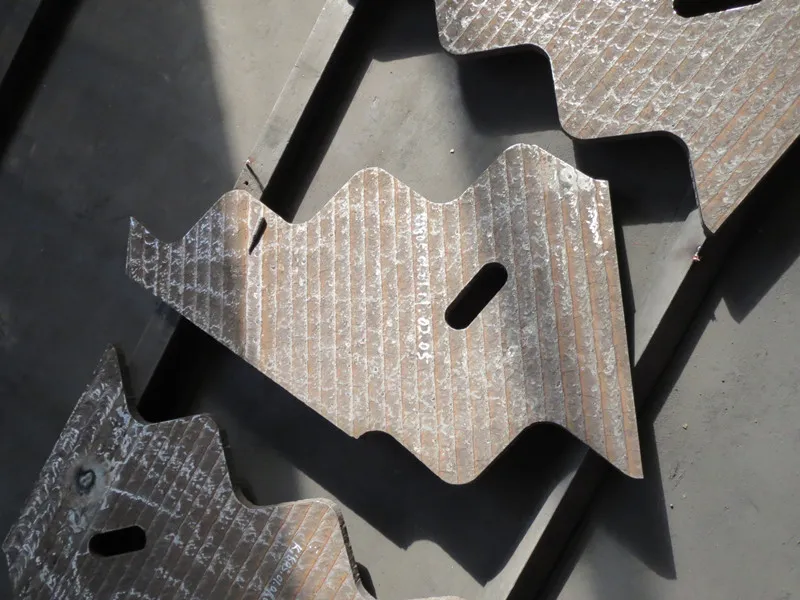
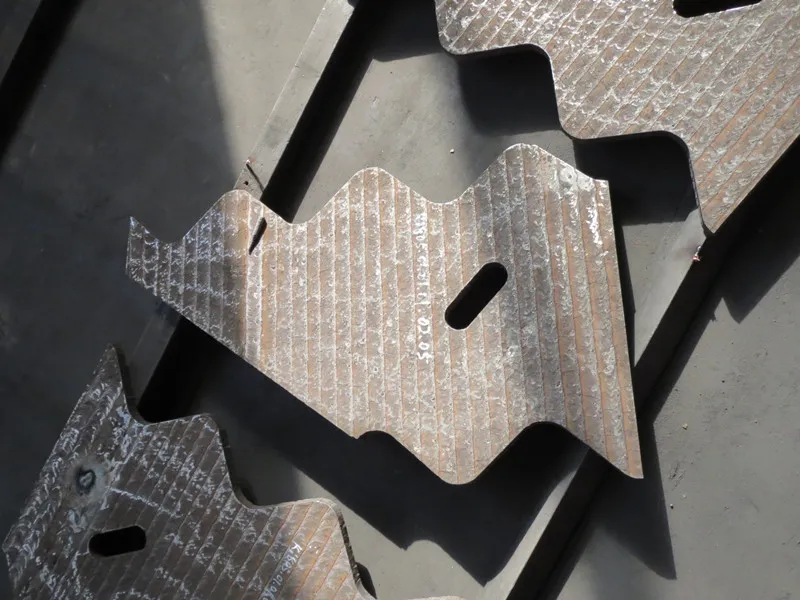
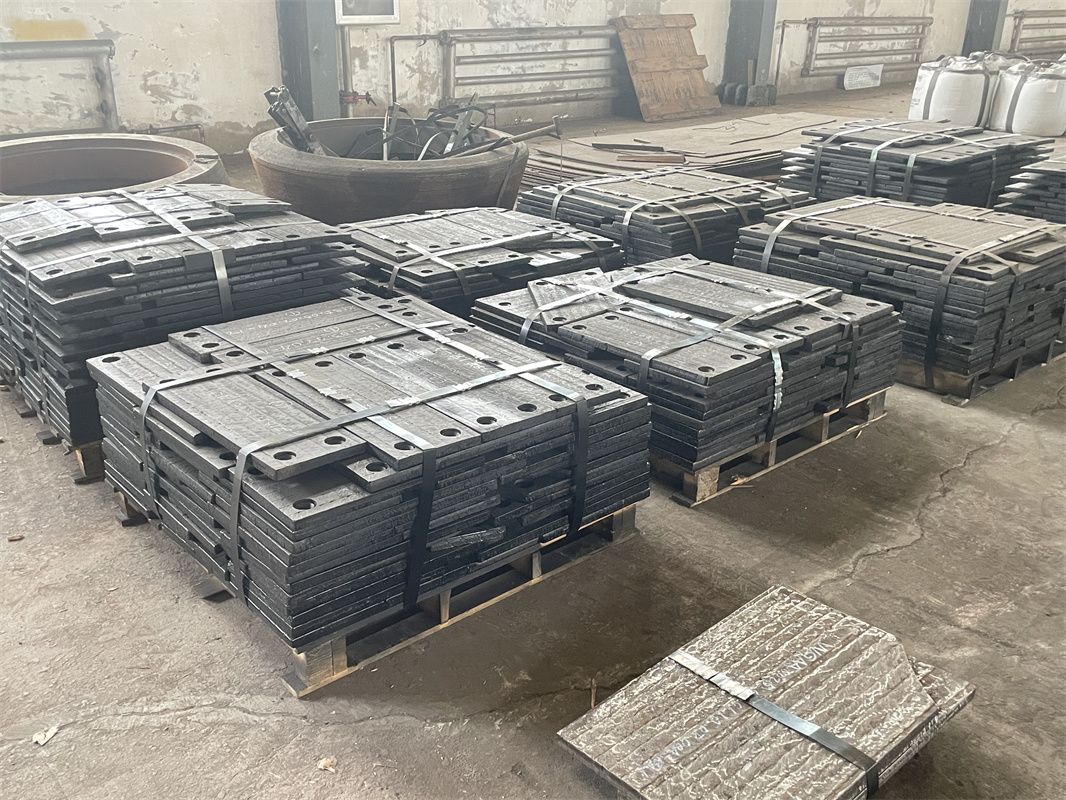
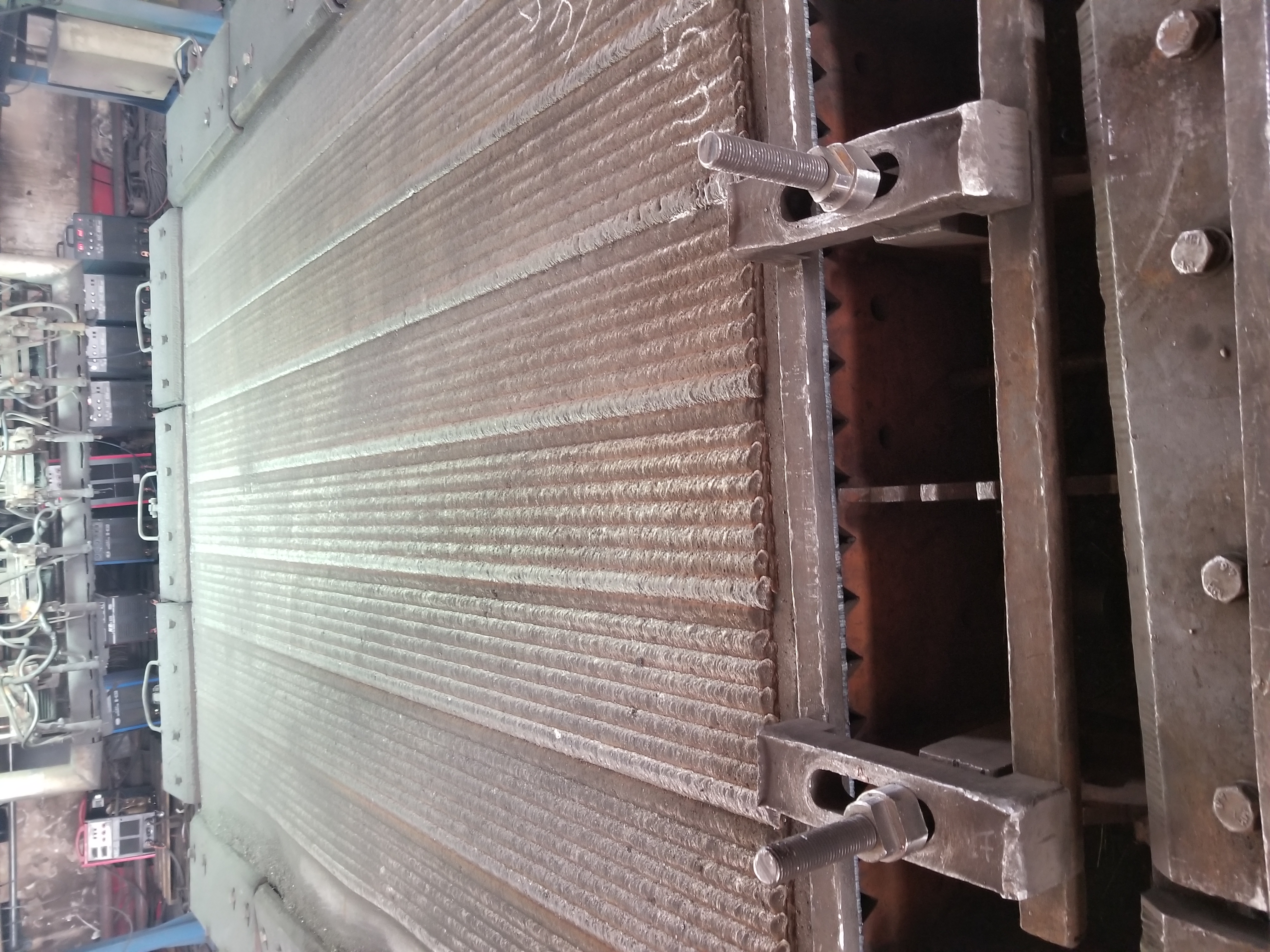
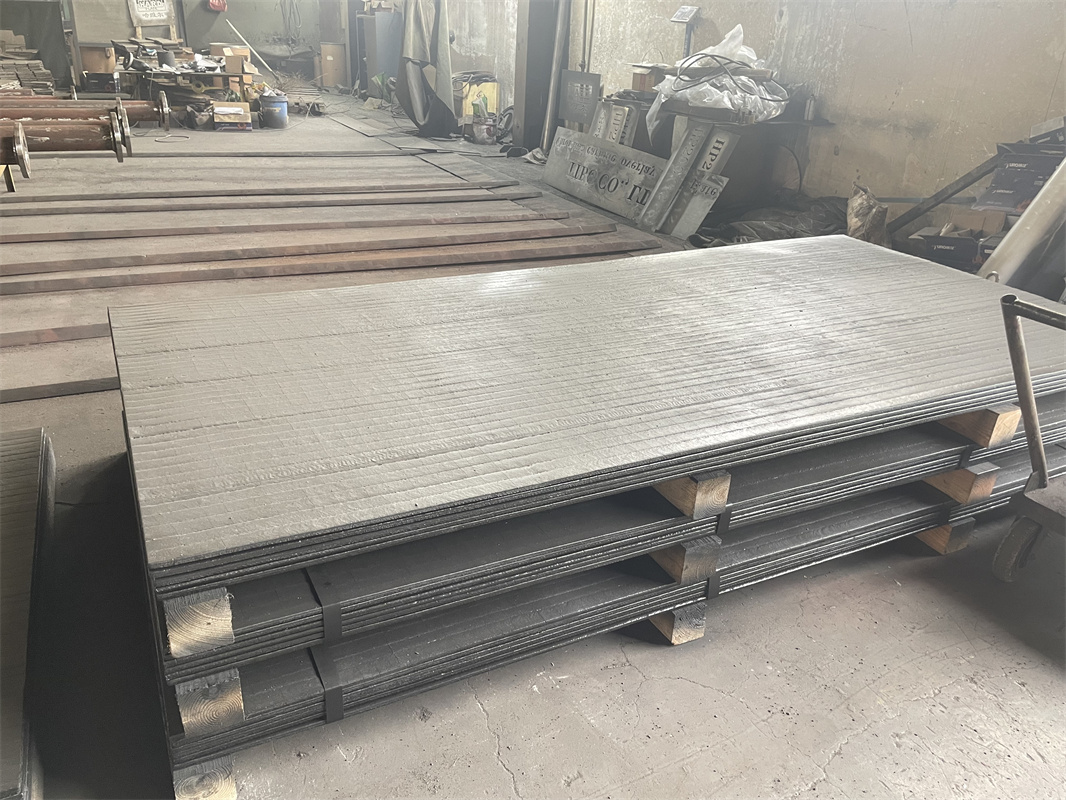
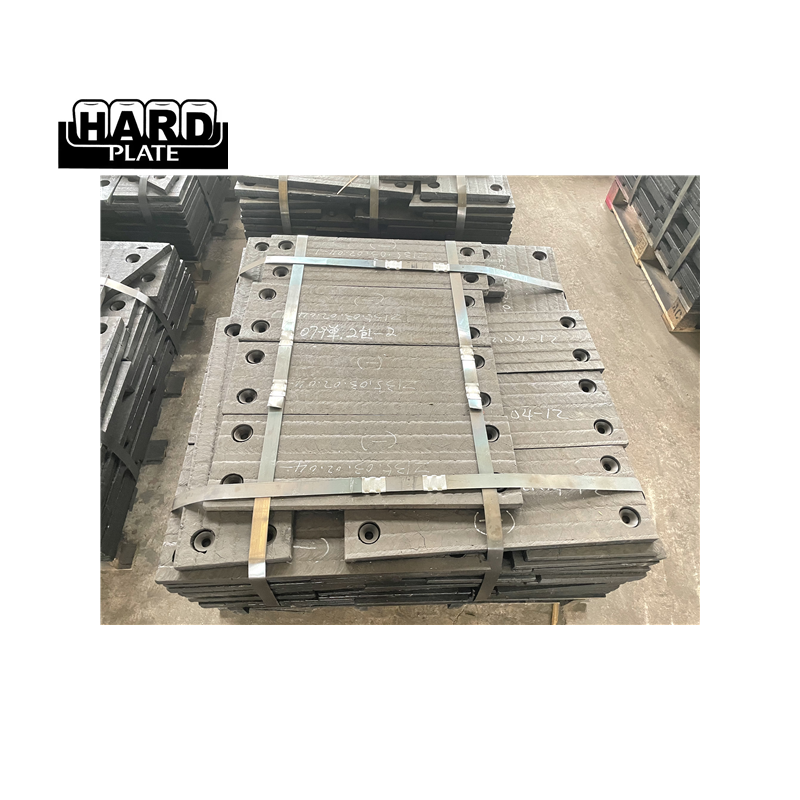
Chrome carbide overlay is a wear-resistant material designed to protect equipment surfaces from severe abrasion, impact, and erosion. Manufacturers create this product by welding a hard chromium carbide layer onto a tough steel base. The steel backing provides support and shape, while the carbide layer handles contact with abrasive materials. This combination gives chrome carbide overlay a practical balance of surface hardness and structural strength. A chrome carbide overlay can extend service life on parts that would otherwise require frequent replacement. Typical components include chutes, hoppers, liners, screens, buckets, conveyor parts, pipes, and cutting edges. The chrome carbide overlay resists damage from coal, ore, sand, cement, glass, slag, and other coarse materials. Its welded construction allows fabricators to produce flat plates, formed sections, and custom wear parts. The chrome carbide overlay can also be cut, bent, drilled, or attached to equipment according to project needs, although fabrication should follow supplier guidance. The overlay normally uses a controlled alloy composition and a carefully managed welding process to create a consistent protective surface. Some grades include stress-relief cracks in the hard layer; these fine cracks help manage internal stress and do not usually reduce wear performance. Customers select a chrome carbide overlay when standard carbon steel wears too quickly and expensive solid alloy parts are unnecessary. By placing protection only where wear occurs, the chrome carbide overlay offers a focused solution for demanding service. It helps plants reduce downtime, improve material flow, and keep production equipment operating longer between maintenance tasks.

New Product Releases

The main advantage of chrome carbide overlay is longer service life in abrasive conditions. Instead of replacing a worn steel panel after a short operating period, a plant can use a chrome carbide overlay to protect the surface and delay maintenance. This reduces spending on replacement parts, labor, shutdowns, and emergency repairs. A chrome carbide overlay also gives buyers flexibility. Suppliers can produce plates and fabricated parts in different thicknesses, dimensions, and shapes, so the material suits both new equipment and repairs. Teams can install a chrome carbide overlay on high-wear zones rather than rebuild an entire machine. That targeted approach limits material use and keeps project costs easier to control. The product works well in mining, aggregate processing, cement production, steelmaking, power generation, recycling, dredging, and bulk handling. It supports equipment exposed to sliding abrasion, moving particles, repeated impact, or high-volume material flow. A chrome carbide overlay does not eliminate every maintenance need, and buyers should match grade, thickness, backing steel, and fabrication method to the actual duty. For heavy impact, a tougher backing or alternative wear plate may perform better than the hardest available surface. For very high temperatures or corrosive chemicals, the selection process may require additional testing. A reliable supplier should provide chemistry, hardness information, plate dimensions, welding guidance, and application advice. The chrome carbide overlay also helps standardize maintenance because operators can place replaceable wear sections at known trouble spots. Fewer unplanned stoppages improve production planning and worker efficiency. In practical terms, the chrome carbide overlay delivers value through predictable wear, easier replacement, and better use of maintenance budgets. Buyers gain a durable protection layer without paying for a fully solid, high-cost component. That makes the chrome carbide overlay a sensible choice when abrasion drives operating expense and equipment access is limited.

Latest News

Chromium Carbide Hardfacing Overlay on Mill Rollers: Performance Advantages Explained

28

Feb

Chromium Carbide Hardfacing Overlay on Mill Rollers: Performance Advantages Explained

Metallurgical Foundation of Chromium Carbide Hardfacing OverlayCr³C² Carbide Distribution and >600 BHN Hardness MechanismThe chromium carbide hardfacing overlay gets its remarkable surface hardness from the way Cr3C2 carbides are distributed across t...
View More
Chromium carbide overlay plate extends equipment service life and reduces maintenance costs

23

Mar

Chromium carbide overlay plate extends equipment service life and reduces maintenance costs

Why Chromium Carbide Overlay Plate Delivers Superior Wear Resistance Metallurgical Foundation: Chromium carbide hard phases in austenitic/martensitic matrix (HRC 60–65) Chromium carbide overlay plates offer outstanding wear resistance thanks ...
View More
How to Choose the Best Hardfacing Welding Wire for Extreme Abrasion Resistance

17

Jun

How to Choose the Best Hardfacing Welding Wire for Extreme Abrasion Resistance

Why Abrasion Resistance Depends on More Than Hardness The 40% wear reality: How abrasion dominates failure—and why HV alone fails to predict field performance Abrasive wear causes roughly 40% of all premature component failures in heavy indus...
View More
Customized Chromium Carbide Wear Plate Fabrication: Meeting Unique Industrial Challenges

17

Jun

Customized Chromium Carbide Wear Plate Fabrication: Meeting Unique Industrial Challenges

Chromium Carbide Wear Plate Fabrication Methods and Material Science Fundamentals Alloy Design Principles: Balancing Chromium Carbide Volume Fraction, Matrix Toughness, and Interfacial Bond Strength A successful chromium carbide wear plate hinges o...
View More

Get a Free Quote

Our representative will contact you soon.
Name
Email
Tel / WhatsApp
Company Name
Message
0/1000

chrome carbide overlay

Hard Surface Protection for Abrasive Materials

Hard Surface Protection for Abrasive Materials

A key strength of chrome carbide overlay is its hard, wear-focused surface. The welded layer contains chromium carbides that resist cutting and grinding action from moving particles. This helps protect steel walls and working edges when equipment handles ore, coal, rock, sand, glass, or slag. A chrome carbide overlay keeps the base plate from losing thickness too quickly, so chutes and liners can maintain their intended shape for longer. That stability supports smoother material flow and reduces the risk of weak spots or sudden holes. The chrome carbide overlay is especially useful where loose particles slide continuously across a surface. It can protect broad panels as well as narrow zones that receive concentrated wear. Customers therefore gain a practical way to place hardness exactly where it creates value. The chrome carbide overlay also supports planned maintenance: teams can inspect known wear areas and schedule replacement before damage spreads to the supporting structure or surrounding equipment.
Custom Fabrication for Better Equipment Fit

Custom Fabrication for Better Equipment Fit

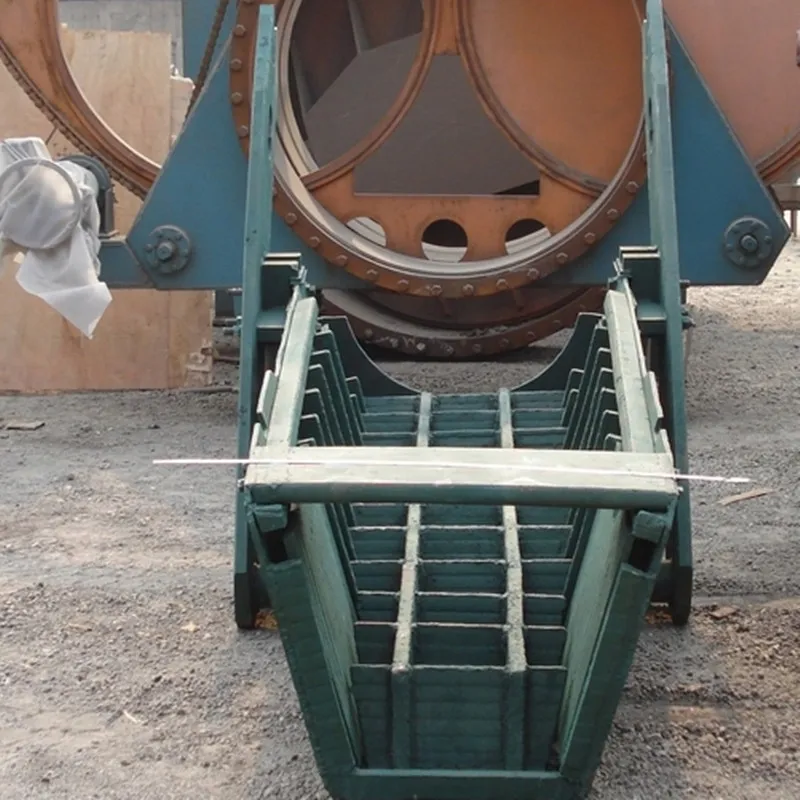
Another selling point of chrome carbide overlay is its adaptable steel-backed format. Suppliers can cut plates to drawings, form sections to match equipment contours, and fabricate liners, elbows, hoppers, chutes, or bucket components. This makes chrome carbide overlay easier to integrate than a rigid, one-size-fits-all part. A close fit helps reduce gaps where abrasive material can collect, strike edges, or bypass the protected area. It also simplifies repair planning because maintenance teams can order replacement sections based on measured dimensions. The chrome carbide overlay can be selected in different thicknesses to balance protection, weight, clearance, and handling requirements. Fabricators may use approved cutting, drilling, and welding methods to prepare the material for installation. Buyers should follow technical instructions because the hard layer needs careful treatment during fabrication. With proper preparation, chrome carbide overlay turns a standard steel component into a purpose-built wear part. That flexibility reduces redesign work and helps customers protect existing assets without purchasing entirely new machines.
Lower Downtime and More Predictable Costs

Lower Downtime and More Predictable Costs

Chrome carbide overlay creates value beyond hardness because it helps control maintenance activity. When a protected surface lasts longer, operators can reduce the frequency of shutdowns, part changes, and urgent repairs. This is important for mines, quarries, cement plants, recyclers, and other facilities where one failed liner can interrupt an entire material-handling line. A chrome carbide overlay supports planned replacement during scheduled outages, allowing teams to arrange labor, lifting equipment, and spare parts in advance. The chrome carbide overlay can also protect expensive structural steel, helping prevent a small worn area from becoming a larger repair project. Over time, this may improve production continuity and make wear-related costs easier to forecast. The best result comes from selecting the correct grade and thickness for the actual combination of abrasion, impact, temperature, and material flow. With sound application advice, chrome carbide overlay gives buyers a durable, serviceable solution that improves equipment availability while using maintenance resources more efficiently.

Copyright © Shenyang Hard Welding Surface Engineering Co., ltd.  -  Privacy policy