
 EN
EN
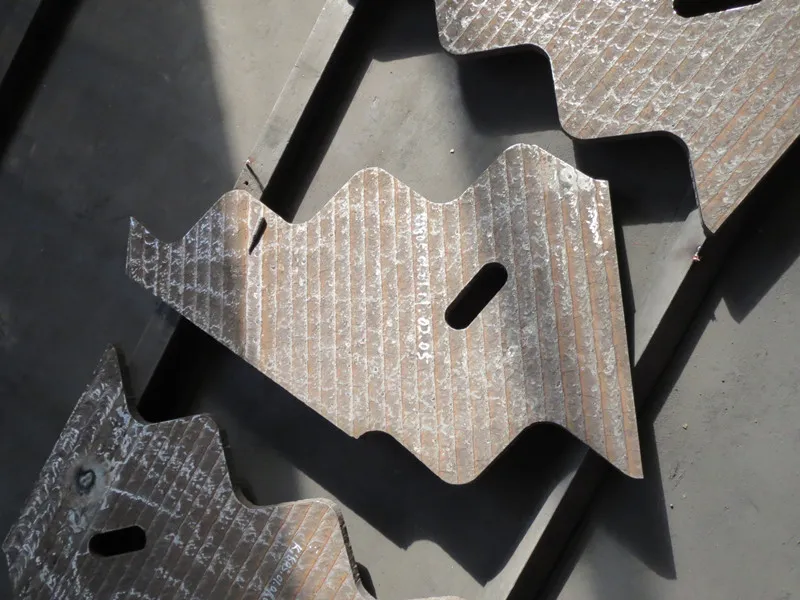
Why Chromium Carbide Overlay Plate Delivers Superior Wear Resistance
Metallurgical Foundation: Chromium carbide hard phases in austenitic/martensitic matrix (HRC 60–65)
Chromium carbide overlay plates offer outstanding wear resistance thanks to their carefully designed microstructure. Basically, we have these super hard chromium carbide phases (M7C3) spread throughout what's called a dual-phase austenitic/martensitic matrix. The resulting micro-duplex structure gives these plates surface hardness ratings between 60 and 65 HRC, which is roughly 40 percent harder than standard AR400 steel, yet still maintains good ductility in the base material. Think of it this way: those carbides work kind of like tiny armor plating against abrasion and surface damage, while the tougher matrix underneath takes care of absorbing impacts and stopping cracks from spreading. This combination of rock solid hardness with decent flexibility is why so many industrial operations turn to chromium carbide overlays when dealing with really harsh sliding wear conditions such as crusher liners or transfer hoppers, places where regular steel just can't hold up over time.
Real-World Impact: 3.2× longer service life for coal chute liners vs. AR400 steel
Real world results back up these metal benefits. Coal handling plants typically see their chromium carbide overlay plates last about three times longer than regular AR400 steel liners. When looking at those big transfer chutes moving over 2,500 tons each hour, we're talking around 18 to 24 months before needing replacement for overlays versus only 6 to 8 months for standard steel parts. The reason? These overlays hold up much better against the constant scraping from coal without wearing away as quickly. Maintenance crews don't have to replace parts so often anymore, which cuts down on annual spending for worn out components by over half. And there's another huge benefit nobody talks about enough: no more unexpected shutdowns. According to a recent study by Ponemon Institute from 2023, every hour of unplanned downtime costs industry operations roughly $740,000 on average. That kind of money adds up fast when equipment keeps breaking down unexpectedly.
Chromium Carbide Overlay Plate Reduces Total Cost of Ownership
Downtime Avoidance: Cutting unscheduled maintenance by up to 68% in high-abrasion conveyors
The chromium carbide overlay plate makes a big difference when it comes to cutting down on unexpected maintenance work in tough environments such as those abrasive conveyor belts we see everywhere. According to field reports from several industrial sites, machines equipped with this technology need fixing roughly 68 percent fewer times compared to similar setups made with regular AR400 steel. What really stands out is how the fused surface resists wear and tear even after handling massive amounts of materials day after day without breaking down. This means no sudden breakdowns during production runs and maintenance crews can stretch their schedules out by almost triple what they used to. At facilities running non-stop and moving more than five thousand tons an hour through their chutes, these improvements actually save plant managers hundreds of thousands each year in repair costs alone.
TCO Analysis: 47% lower cost-per-hour over 24 months versus conventional wear steels
A comprehensive two-year total cost of ownership (TCO) analysis reveals a 47% reduction in cost-per-hour when chromium carbide overlay plate replaces conventional wear steels. Though the initial investment is higher, traditional materials incur steep cumulative costs due to:
- Tripled material consumption
- 3.1× higher welding labor demands
- Secondary containment repairs caused by spillage from premature wear
The following comparison highlights key operational efficiencies in high-abrasion applications:
| Cost Factor | Conventional Steel | Chromium Carbide Plate | Reduction |
|---|---|---|---|
| Maintenance frequency | Quarterly | Annual | 75% |
| Material consumption | 3.7 m²/year | 1.2 m²/year | 68% |
| Operational downtime | $740k/year | $240k/year | 67% |
These gains underscore why forward-looking operators prioritize chromium carbide overlay plate—not just for wear resistance, but for long-term equipment economics.
Selecting the Right Chromium Carbide Overlay Plate for Your Application
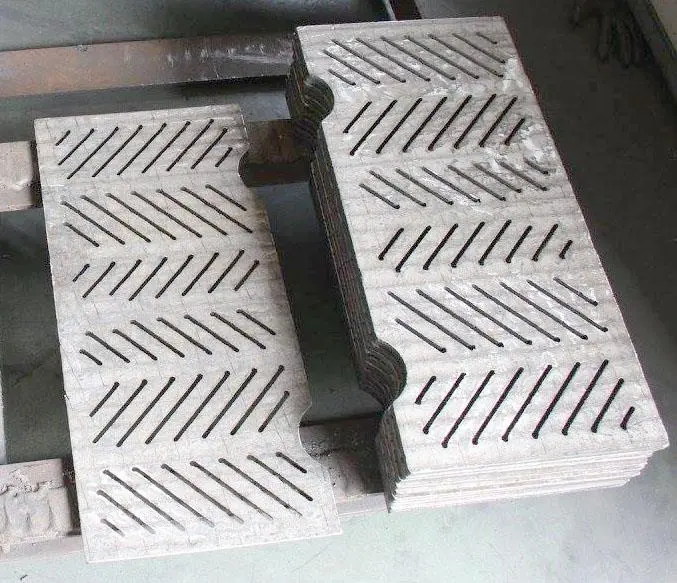
Critical Parameters: Overlay Thickness, Carbide Volume, and Substrate Compatibility
Getting good results really comes down to getting three things right together: how thick the overlay is (usually between 3 and 10 mm), what percentage of carbide we're talking about (typically 35% to 65%), and making sure the base material works well with everything else. When working with thicker overlays, they tend to last longer in areas where there's lots of pounding around, like those coal handling chutes everyone deals with. The carbide content needs some balancing act too. Higher numbers mean better resistance against wear and tear, but if it's too low, the material handles impacts much better. Choosing the right substrate matters just as much. Most people go with ASTM A36 steel for regular jobs, but when things get shaken up or loaded dynamically, we need something stronger. Get these specs wrong for the job at hand and the whole system might not last half as long as expected, especially those tricky conveyor belt transfer points where so many failures happen.
| Parameter | Optimal Range | Impact on Performance |
|---|---|---|
| Overlay Thickness | 3–10 mm | Thicker layers extend wear life in high-impact zones |
| Carbide Volume | 35–65% | Higher density improves abrasion resistance; lower enhances toughness |
| Substrate Type | Compatible steel grades | Ensures weld integrity and load distribution |
OEM Integration Trend: Pre-Engineered Plates Replacing Field Hardfacing
More and more original equipment manufacturers are going with factory bonded chromium carbide overlay plates these days instead of relying on field applied hardfacing techniques. Why? Because factory bonding just offers better consistency across the board when it comes to quality control and how long these components last before needing replacement. The difference is pretty significant too. Installation times drop around 55 percent for things like mining shovel parts and crusher liner sections. And there's no worrying about those pesky porosity issues or dilution problems that come up during manual welding processes. Looking at real world performance data over their lifetime, pre engineered CCO solutions end up with about 30% fewer weld failures compared to what happens with field hardfaced options. That means faster setup times overall and less downtime for mineral processing operations. What we're seeing here isn't just a passing fad but a genuine movement throughout the industry towards maximizing efficiency across every stage of bulk material handling systems.
FAQ Section
What is the primary benefit of using chromium carbide overlay plates?
Chromium carbide overlay plates provide superior wear resistance due to their hard chromium carbide phases and tough austenitic/martensitic matrix, leading to extended service life compared to standard wear-resistant steels.
How do chromium carbide overlay plates reduce operational costs?
These plates reduce operational costs by cutting down on maintenance frequency, material consumption, and unexpected downtime, thereby lowering total cost of ownership.
What factors should be considered when selecting chromium carbide overlay plates?
Key factors include overlay thickness, carbide volume, and substrate compatibility to ensure optimal performance and durability in specific applications.