
 EN
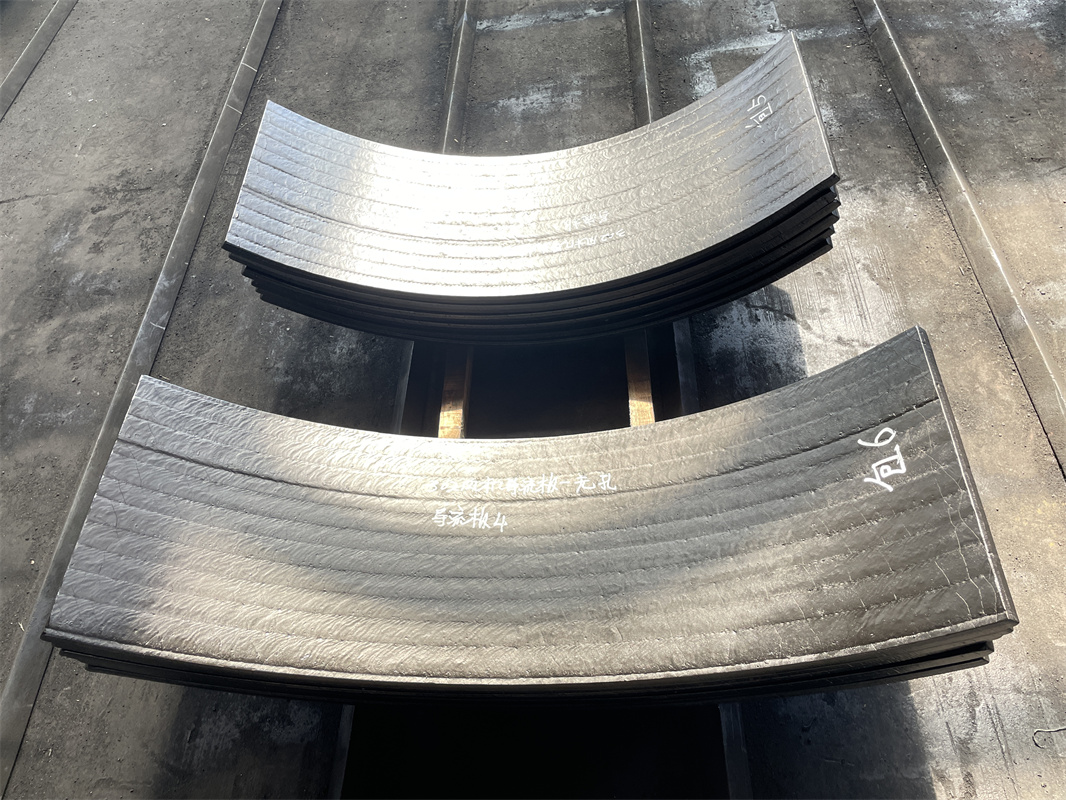
Heavy-duty industrial equipment is frequently exposed to abrasive materials, repeated impact, and continuous material movement. In industries such as mining, cement, quarrying, metallurgy, power generation, and bulk material handling, abrasive wear can gradually reduce the thickness of equipment surfaces and increase maintenance requirements.
Selecting the right abrasion plate can help protect critical equipment components and extend their operating life. However, choosing a suitable plate requires more than comparing hardness values or material prices.
The appropriate abrasion plate depends on the type of material being handled, wear mechanism, impact intensity, operating conditions, required service life, plate thickness, equipment geometry, and fabrication requirements.
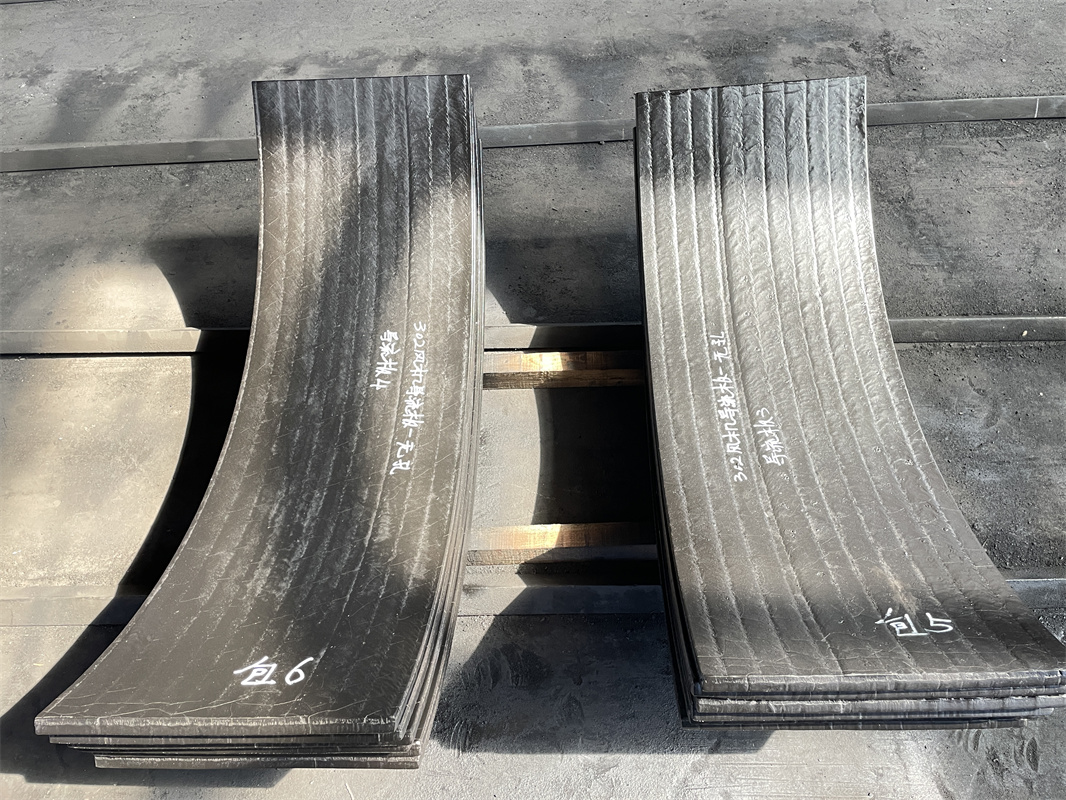
This guide explains the key factors industrial buyers and engineers should consider when selecting an abrasion plate for heavy-duty equipment.
What Is an Abrasion Plate?
An abrasion plate is a wear-resistant material designed to reduce material loss caused by continuous contact with abrasive substances.
Depending on its construction and grade, an abrasion plate may be manufactured from hardened alloy steel or incorporate a specialized hardfacing layer.
These plates are commonly used to protect equipment surfaces exposed to:
-
Rock
-
Ore
-
Coal
-
Limestone
-
Sand
-
Slag
-
Cement raw materials
-
Mineral concentrates
-
Other abrasive bulk materials
The primary purpose is to provide a sacrificial wear surface that protects the underlying equipment structure.
Instead of allowing the equipment itself to wear rapidly, an abrasion plate takes the majority of the abrasive contact and can be replaced when the available wear allowance is consumed.
Why Abrasion Plate Selection Matters
Different industrial applications create very different wear conditions.
A conveyor chute handling fine mineral particles may experience continuous sliding abrasion, while a crusher feed area may experience severe impact from large rocks.
Using the same abrasion plate specification for both applications may lead to unsatisfactory results.
An unsuitable plate can cause:
-
Premature wear
-
Cracking
-
Deformation
-
Difficult installation
-
Frequent replacement
-
Increased maintenance costs
-
Unexpected production downtime
A properly selected plate, on the other hand, can provide a better balance between wear resistance, toughness, fabrication, service life, and total cost.
1. Identify the Main Wear Mechanism
The first step is to determine how the equipment is actually wearing.
Sliding Abrasion
Sliding abrasion occurs when abrasive particles move continuously across the plate surface.
Typical applications include:
-
Chutes
-
Hoppers
-
Bins
-
Conveyor liners
-
Transfer points
-
Material feeders
If sliding abrasion is the primary mechanism, surface wear resistance should be one of the main selection criteria.
Impact Abrasion
Impact abrasion occurs when abrasive material strikes the plate with significant force.
This is common in:
-
Crusher feed areas
-
Rock boxes
-
Dump bodies
-
Heavy-duty hoppers
-
Loading points
In these conditions, hardness alone is not enough. The material must also provide suitable toughness and structural support.
Combined Wear
Many industrial systems experience both abrasion and impact.
For example, material may first strike a chute surface and then slide along it. A suitable abrasion plate must therefore provide an appropriate balance between resistance to material removal and resistance to mechanical loading.
Understanding the dominant wear mechanism is essential before selecting a material grade.
2. Consider the Material Being Handled
The characteristics of the processed material directly affect wear rate.
Before selecting an abrasion plate, identify:
-
Material type
-
Material hardness
-
Particle size
-
Particle shape
-
Material density
-
Moisture content
-
Material velocity
-
Throughput
Sharp and angular particles can cause aggressive cutting and scratching, while large particles can create high impact forces.
For example, equipment handling hard rock may require substantially greater wear protection than equipment handling relatively soft bulk materials.
Providing detailed material information allows the supplier to make a more application-specific recommendation.
3. Evaluate Particle Size and Impact Energy
Particle size is particularly important for heavy-duty equipment.
Large rocks or mineral particles can generate significant impact energy when they fall onto a wear surface.
Consider:
-
Maximum particle size
-
Average particle size
-
Drop height
-
Material velocity
-
Frequency of impact
-
Material throughput
A high material flow rate can also increase the number of abrasive contacts over a given period.
When impact is severe, selecting a plate solely because it has a high hardness rating may not provide the expected service life.
The complete material structure should be evaluated.
4. Choose the Appropriate Hardness
Hardness is an important characteristic of an abrasion plate because it influences resistance to many forms of abrasive wear.
However, the ideal hardness depends on the application.
A very hard material may perform well against severe sliding abrasion but may not always be the most suitable option for applications involving substantial impact or fabrication requirements.
When comparing products, review:
-
Hardness range
-
Test method
-
Hardness uniformity
-
Plate thickness
-
Material grade
-
Impact requirements
Hardness should be considered together with toughness, microstructure, substrate properties, and wear mechanism.
The objective is not to select the hardest plate available, but to select a plate with the right combination of properties.
5. Select the Correct Plate Thickness
Thickness determines how much wear allowance is available before the underlying equipment becomes exposed.
The required thickness depends on:
-
Expected wear rate
-
Required service interval
-
Equipment dimensions
-
Material characteristics
-
Impact conditions
-
Weight limitations
-
Installation space
For severe abrasion, a thicker plate may provide a longer service interval.
However, increasing thickness also increases:
-
Weight
-
Material consumption
-
Handling requirements
-
Fabrication costs
-
Installation difficulty
The most economical solution is therefore not necessarily the thickest available plate.
The thickness should be calculated according to the expected operating conditions and required service life.
6. Evaluate the Plate Structure
Different abrasion plates can have different material structures.
Some products are homogeneous hardened steel plates, while others use a composite structure consisting of a steel substrate and a hardfacing layer.
The material structure affects:
-
Wear resistance
-
Toughness
-
Impact performance
-
Fabrication
-
Welding
-
Service life
For severe abrasion, a chromium carbide overlay configuration may be considered when concentrated surface wear protection is required.
For applications requiring a balance between wear resistance and structural properties, an appropriate abrasion-resistant steel grade may be more practical.
The selection should always correspond to the actual application.
7. Consider Impact Resistance
Impact is one of the most important factors that can change the material selection.
A chute handling large rocks, for example, may experience substantial impact before the material begins sliding across the surface.
If the plate is excessively brittle for the operating environment, cracking or other damage can reduce service life.
For impact-intensive applications, consider:
-
Plate toughness
-
Substrate properties
-
Material thickness
-
Impact energy
-
Particle size
-
Support structure
A successful wear solution needs to survive the complete operating environment, not just resist surface abrasion.
8. Match the Plate to Equipment Geometry
Heavy-duty equipment rarely consists entirely of flat surfaces.
Wear protection may be required for:
-
Curved chutes
-
Hopper walls
-
Conveyor transfer points
-
Pipe elbows
-
Conical sections
-
Crusher components
-
Bins
-
Custom liners
Before ordering an abrasion plate, determine whether it will be:
-
Installed flat
-
Bent
-
Rolled
-
Cut into smaller sections
-
Machined
-
Drilled
-
Prefabricated
If the component requires complex forming or customization, fabrication compatibility should be considered before choosing the material.
9. Check Cutting and Welding Requirements
Many abrasion plates require cutting and welding before installation.
The selected material should be compatible with the intended fabrication process.
Common requirements include:
-
Plasma cutting
-
Thermal cutting
-
Grinding
-
Welding
-
Plug welding
-
Stud welding
-
Mechanical fastening
Some highly wear-resistant materials can be more difficult to cut or machine than conventional structural steel.
Buyers should therefore confirm the manufacturer's recommended fabrication procedures before placing an order.
This is particularly important for customized wear liners and large replacement components.
10. Evaluate Operating Temperature
Temperature can affect material selection in certain industrial applications.
Most abrasion applications operate at relatively moderate temperatures, but equipment in some processing environments may experience elevated temperatures.
Before selecting a plate, determine:
-
Normal operating temperature
-
Maximum temperature
-
Duration of heat exposure
-
Temperature fluctuations
If the application involves elevated temperatures, the selected abrasion plate should be verified for the actual operating environment.
A material that performs well at ambient temperature may not provide the same performance under prolonged high-temperature exposure.
11. Consider Wear Distribution
Wear is rarely uniform across an entire piece of equipment.
Some areas may experience extremely severe abrasion while other sections experience relatively little wear.
For example, a transfer chute may have:
-
A high-impact inlet zone
-
A severe sliding zone
-
A lower-wear outlet zone
Using the same plate specification throughout the entire component may not always be the most efficient strategy.
A better approach can be to identify the highest-wear locations and provide additional protection where it is needed most.
This may involve:
-
Different plate thicknesses
-
Different wear grades
-
Additional liners
-
Customized wear components
-
Reinforced impact zones
Targeted wear protection can improve material efficiency and maintenance planning.
12. Determine the Required Service Life
The required service interval should be established before selecting the abrasion plate.
Ask:
How long should the component operate before replacement?
The answer may depend on the company's maintenance schedule, production requirements, and accessibility of the equipment.
For equipment that is difficult to access or expensive to shut down, a longer service interval may justify a more advanced wear-resistant solution.
For easily replaceable components, a lower-cost material with a shorter service life may sometimes be more economical.
The ideal selection should therefore match the material's expected wear performance to the maintenance strategy.
13. Compare Total Cost of Ownership
The purchase price of an abrasion plate is only one part of its cost.
Industrial buyers should consider:
Material cost + fabrication + installation + maintenance + replacement + downtime
A lower-priced plate may appear attractive initially, but frequent replacement can increase its total lifecycle cost.
A more durable plate may have a higher initial price while providing:
-
Longer service intervals
-
Lower replacement frequency
-
Reduced maintenance labor
-
Less equipment downtime
-
Lower spare-part consumption
For heavy-duty applications, comparing cost per operating hour or cost per production cycle can provide a more meaningful assessment.
14. Review Dimensional Requirements
Dimensional accuracy is important when plates are used as replacement liners.
Before procurement, confirm:
-
Length
-
Width
-
Total thickness
-
Flatness
-
Hole diameter
-
Hole position
-
Edge condition
-
Shape
-
Dimensional tolerances
Incorrect dimensions can result in:
-
Installation delays
-
Additional cutting
-
Excessive gaps
-
Rework
-
Increased labor costs
For customized components, engineering drawings should be reviewed and approved before production.
15. Evaluate Surface Quality
A visual inspection should be part of the incoming quality-control process.
Check for:
-
Excessive surface defects
-
Abnormal deformation
-
Unwanted contamination
-
Severe edge damage
-
Irregular surface conditions
-
Visible manufacturing defects
The acceptance criteria should be established according to the product specification.
For hardfaced abrasion plates, some surface characteristics can naturally result from the hardfacing process and should not automatically be treated as defects.
The key is whether the observed condition affects the intended performance or falls outside the agreed specification.
16. Review Supplier Quality Control
The manufacturer's production process can significantly affect the consistency of an abrasion plate.
When evaluating suppliers, consider whether they have established procedures for controlling:
-
Raw materials
-
Chemical composition
-
Heat treatment where applicable
-
Hardfacing parameters
-
Hardness
-
Plate thickness
-
Dimensions
-
Surface condition
-
Final inspection
For repeat or large-volume orders, consistency between production batches is particularly important.
A supplier should be capable of producing plates that remain within the agreed technical specifications throughout the project.
17. Request Technical Documentation
Before procurement, ask for documentation that supports the product specification.
Depending on the application, this may include:
-
Product data sheet
-
Material grade
-
Chemical composition
-
Hardness information
-
Thickness specifications
-
Dimensional tolerances
-
Inspection records
-
Test reports
-
Installation recommendations
For engineered projects, documentation provides useful traceability and makes it easier to verify that delivered material matches the approved specification.
Abrasion Plate Selection Checklist
Before placing an order, industrial buyers can use the following checklist:
| Factor | What to Confirm |
|---|---|
| Material handled | Rock, ore, coal, slag, etc. |
| Wear mechanism | Sliding, impact, erosion, or combined |
| Particle size | Average and maximum size |
| Material velocity | Approximate operating speed |
| Impact level | Low, medium, or high |
| Hardness | Required hardness range |
| Plate thickness | Based on wear allowance |
| Service life | Target replacement interval |
| Temperature | Normal and maximum |
| Equipment geometry | Flat, curved, formed, or custom |
| Fabrication | Cutting, welding, drilling, etc. |
| Dimensions | Length, width, thickness, tolerances |
| Installation | Welding, bolting, or other methods |
| Documentation | Test and inspection requirements |
Providing this information to the manufacturer can significantly improve the accuracy of material selection.
Common Mistakes When Choosing an Abrasion Plate
Choosing the Hardest Plate
Maximum hardness is not always the best solution.
If the application involves heavy impact, toughness and structural properties may be equally important.
Selecting by Price Alone
The cheapest plate may have a higher lifecycle cost if it requires frequent replacement.
Ignoring Equipment Geometry
A plate that performs well but cannot be efficiently fabricated or installed may create additional project costs.
Using One Specification Everywhere
Different equipment zones can experience very different wear conditions.
Ignoring Fabrication Requirements
Cutting, welding, forming, and installation should be considered before material selection.
Failing to Define Service Life
Without a target service interval, it is difficult to determine the appropriate thickness and wear grade.
How to Work With a Wear Plate Manufacturer
A manufacturer can make a more useful recommendation when the buyer provides detailed application information.
Instead of simply asking for an "abrasion plate," provide:
-
Equipment type
-
Material being handled
-
Wear mechanism
-
Particle size
-
Impact conditions
-
Operating temperature
-
Required service life
-
Plate dimensions
-
Installation method
-
Fabrication requirements
The manufacturer can then evaluate the appropriate material grade, thickness, configuration, and fabrication approach.
This application-based process is especially valuable for mining, quarrying, cement, metallurgy, and other industries where equipment downtime can be costly.
Conclusion
Choosing the right abrasion plate for heavy-duty industrial equipment requires a complete understanding of the operating environment.
The most important factors include the type of abrasive material, wear mechanism, particle size, impact intensity, hardness, plate thickness, equipment geometry, fabrication requirements, operating temperature, and required service life.
A high-quality abrasion plate should not simply be selected because it has a high hardness value or a competitive purchase price. The material needs to provide the right combination of wear resistance, toughness, structural support, fabrication compatibility, and lifecycle value.
For severe abrasive environments, specialized hardfacing solutions such as chromium carbide overlay plates may provide additional protection in high-wear areas. In other applications, an appropriate abrasion-resistant steel grade may provide a more balanced and economical solution.
By evaluating the actual wear conditions before procurement and working with a qualified wear-resistant material manufacturer, industrial buyers can make more informed decisions, reduce premature component failure, and improve the long-term reliability of heavy-duty equipment.
Table of Contents
- What Is an Abrasion Plate?
- Why Abrasion Plate Selection Matters
- 1. Identify the Main Wear Mechanism
- 2. Consider the Material Being Handled
- 3. Evaluate Particle Size and Impact Energy
- 4. Choose the Appropriate Hardness
- 5. Select the Correct Plate Thickness
- 6. Evaluate the Plate Structure
- 7. Consider Impact Resistance
- 8. Match the Plate to Equipment Geometry
- 9. Check Cutting and Welding Requirements
- 10. Evaluate Operating Temperature
- 11. Consider Wear Distribution
- 12. Determine the Required Service Life
- 13. Compare Total Cost of Ownership
- 14. Review Dimensional Requirements
- 15. Evaluate Surface Quality
- 16. Review Supplier Quality Control
- 17. Request Technical Documentation
- Abrasion Plate Selection Checklist
- Common Mistakes When Choosing an Abrasion Plate
- How to Work With a Wear Plate Manufacturer
- Conclusion