Chocky Bar: Reliable Wear Protection Systems

All Categories

Chocky Bar

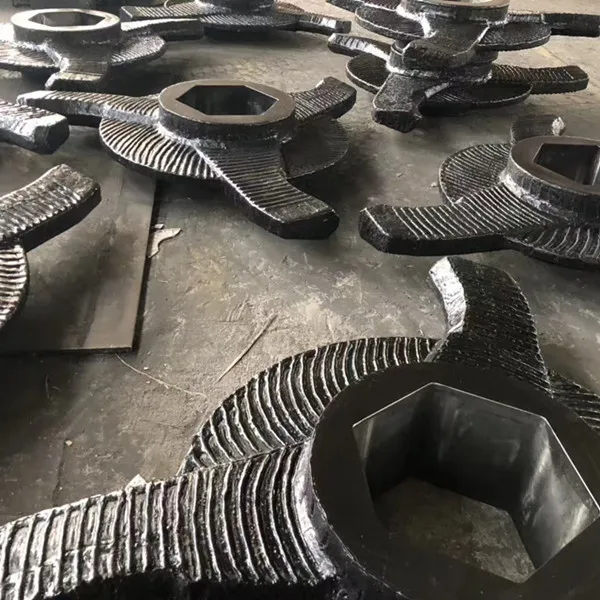
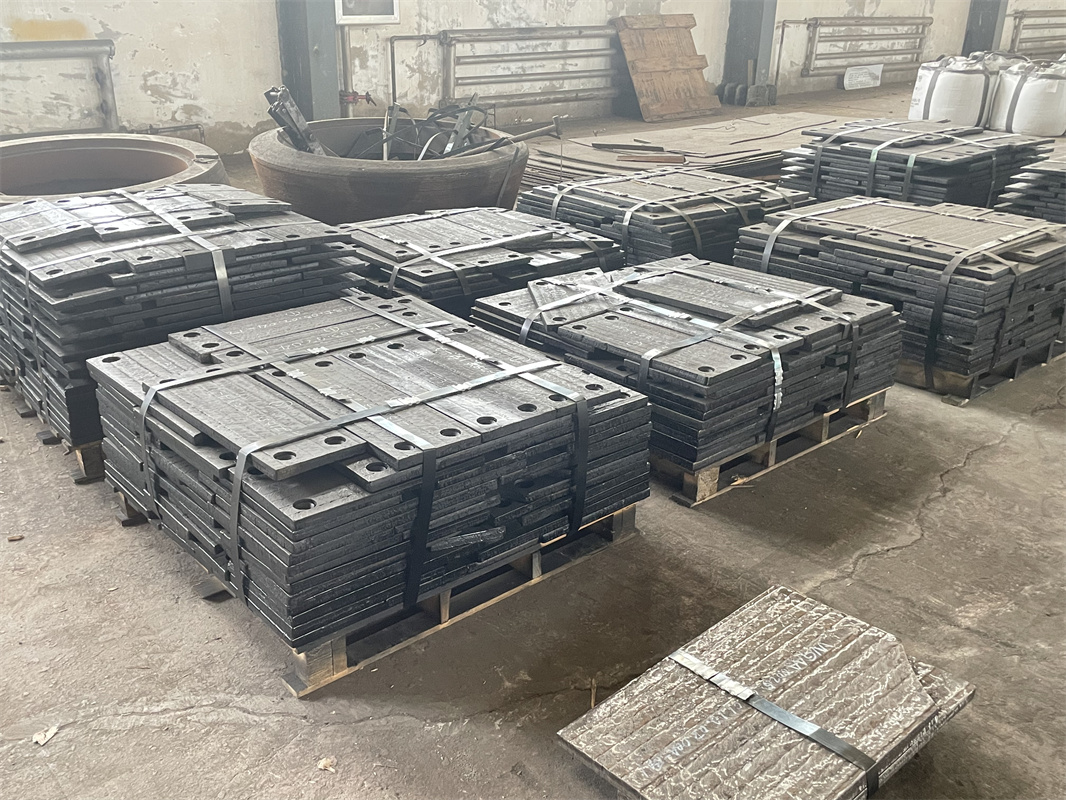
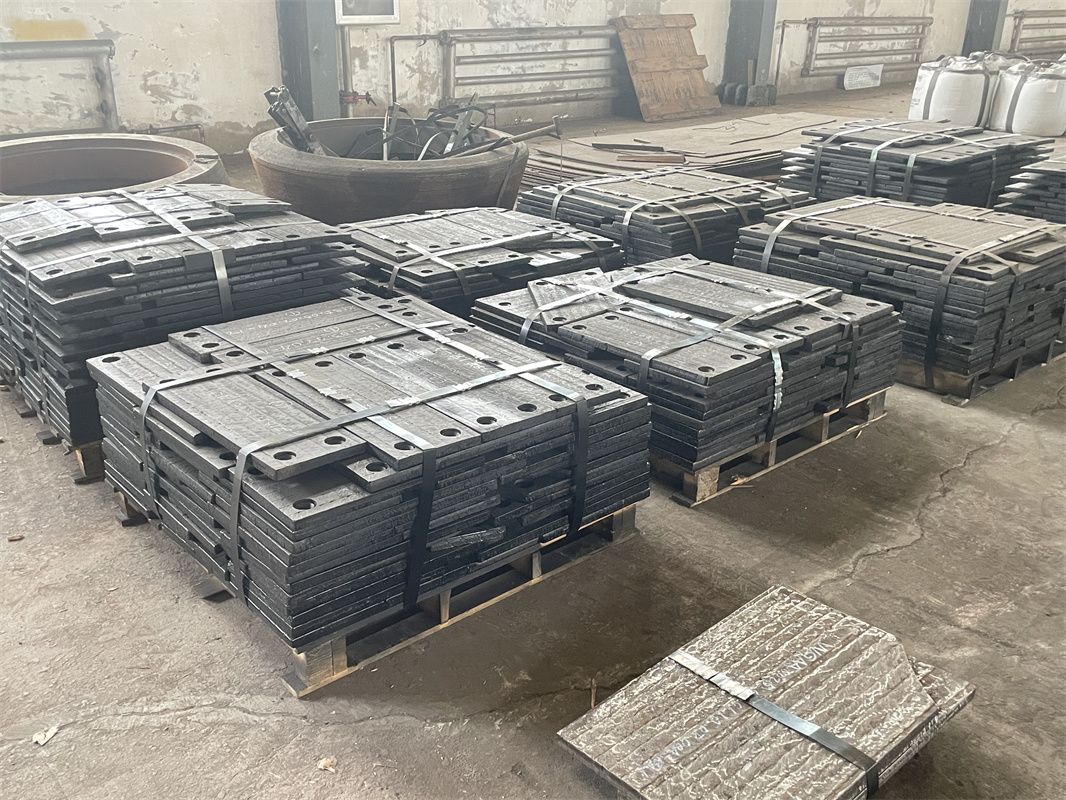
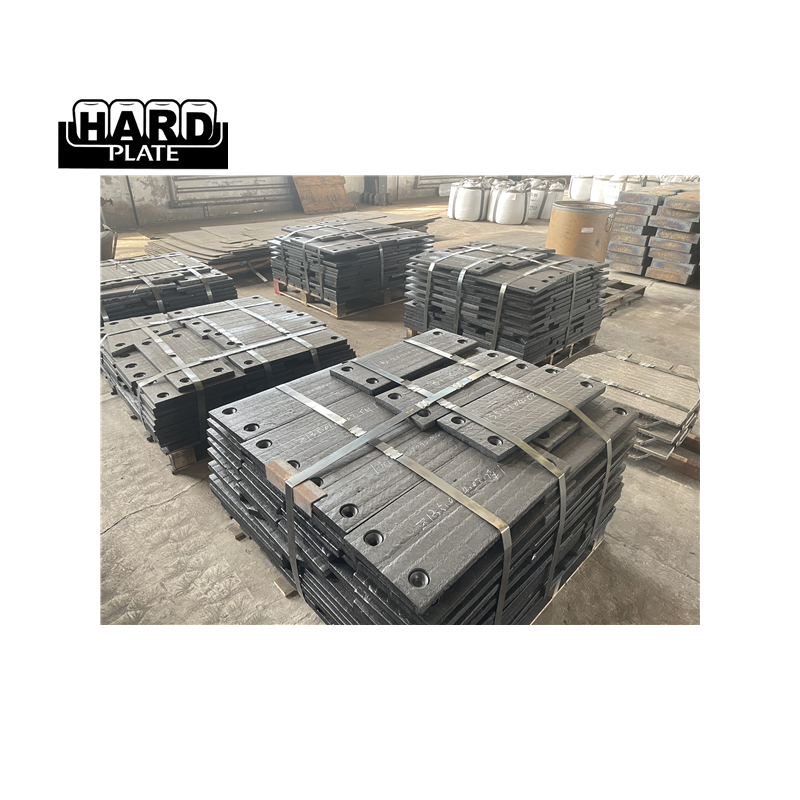
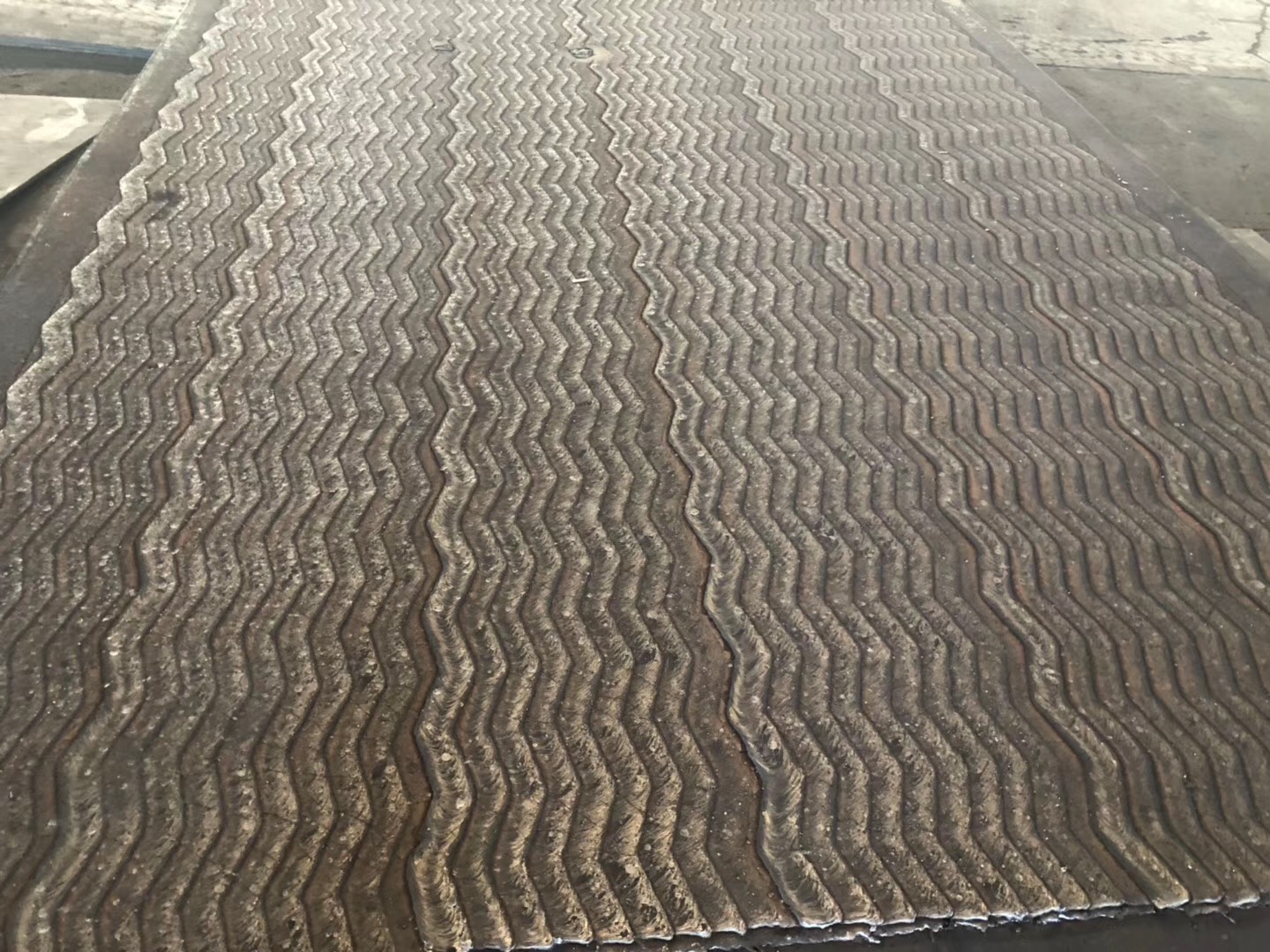
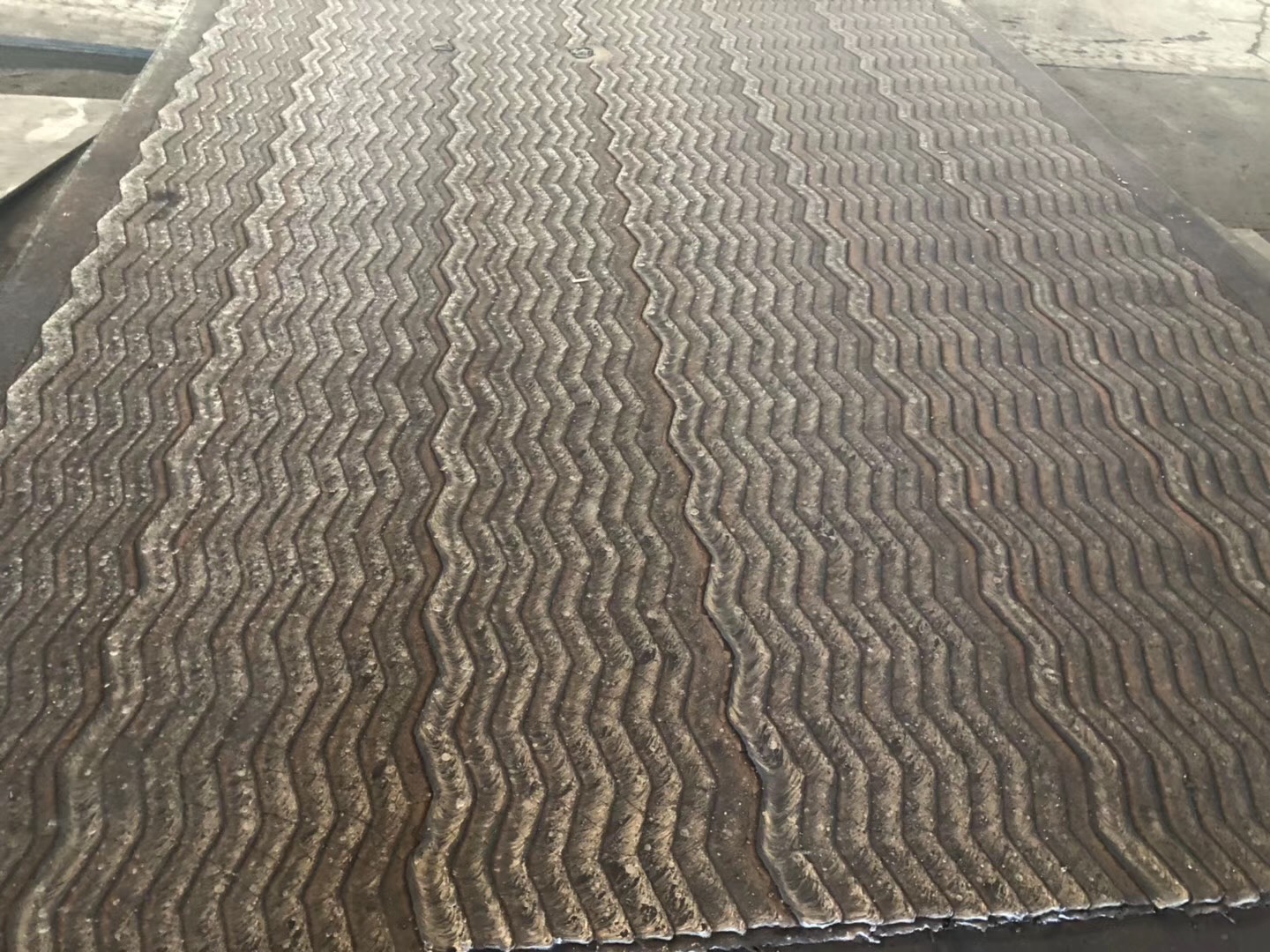
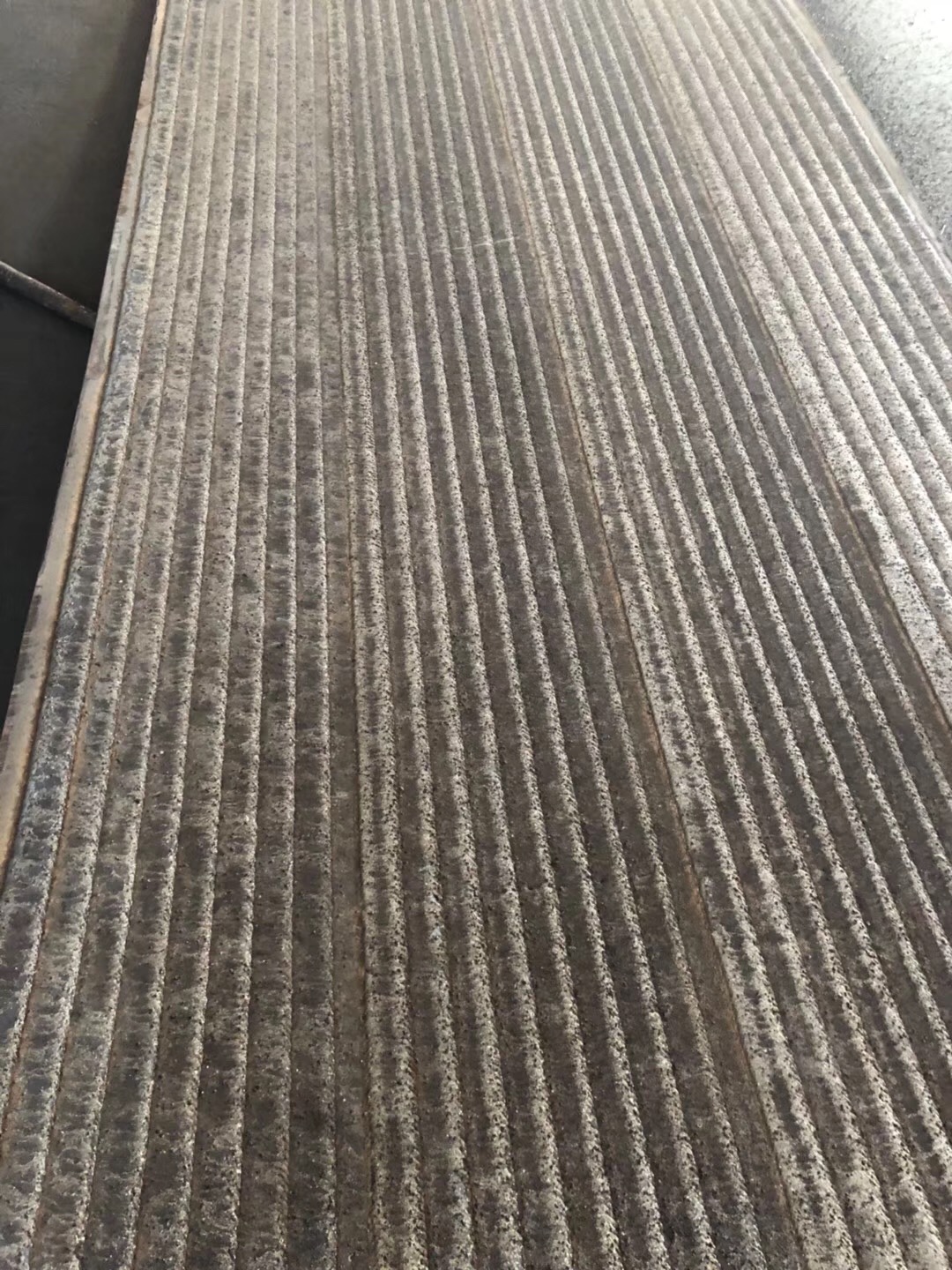
Chocky Bar is a replaceable wear protection product designed to shield equipment from impact, abrasion, and material flow. A Chocky Bar usually uses a tough alloy steel body, while its working surface resists damage from rocks, ore, coal, sand, scrap, and other harsh materials. The Chocky Bar helps protect high-contact areas such as chute liners, bucket edges, hopper walls, crusher surrounds, and loader surfaces. The Chocky Bar can be welded, bolted, or attached through a suitable mounting system, depending on the equipment design and site requirements. With a Chocky Bar installed, the base structure receives less direct contact, which can reduce distortion, cracking, and expensive repairs. Each Chocky Bar can be selected in different lengths, widths, thicknesses, and hardness levels to match the load, material, and operating conditions. A properly selected Chocky Bar also supports controlled material flow by creating a durable, even surface inside transfer points and processing equipment. Because Chocky Bar products are modular, damaged sections can often be replaced without removing an entire liner or rebuilding a large assembly. This approach makes maintenance more focused and helps teams return equipment to service sooner. For buyers, Chocky Bar offers a practical way to extend equipment life without replacing the complete structure. Its main functions include absorbing impact, resisting sliding wear, protecting valuable steelwork, and simplifying future maintenance. The product suits mining, quarrying, construction, recycling, aggregate handling, cement, and bulk material operations. Before purchase, users should compare dimensions, attachment method, hardness, expected impact, and the supplier's installation guidance to confirm fit and performance.
Popular Products

Chocky Bar gives buyers a direct way to reduce wear on expensive equipment. Instead of allowing rocks, scrap, or abrasive product to attack the original steel, a Chocky Bar creates a replaceable working layer. This protects the main structure and can delay major repair or replacement work. The practical value is clear: maintenance teams spend less time rebuilding damaged sections, and operators can protect production assets with a focused investment. A Chocky Bar also makes wear easier to manage. Staff can inspect visible bars, identify high-wear zones, and replace only the sections that need attention. That targeted approach avoids unnecessary material use and can make maintenance budgets more predictable. When a Chocky Bar is installed correctly, it can help maintain the shape of a chute, bucket, or hopper. Consistent surfaces support smoother material movement and may reduce hang-ups, spillage, and uneven loading. The product suits areas where loose liners may shift or where fixed steel wears too quickly. Customers can choose a Chocky Bar layout that follows curves, corners, impact points, or straight travel paths. This flexibility supports both new equipment and upgrades to machines already in service. A Chocky Bar can also complement larger liners, allowing one system to protect broad surfaces while bars reinforce the most exposed zones. Buyers should consider material type, drop height, flow speed, contact pattern, temperature, available space, and attachment method before selecting a grade. These details help prevent over-specification and improve service results. The Chocky Bar is especially useful when access time is limited, because a modular replacement plan can shorten shutdown work. It does not remove the need for inspection, sound welding, or correct fit, but it gives teams a durable and manageable wear solution. For operations focused on uptime, repair control, and longer asset life, Chocky Bar protection offers measurable working value.

Latest News

What to Look for When Buying High-Quality Chrome Carbide Plates (A Buyer’s Guide)

17

Jun

What to Look for When Buying High-Quality Chrome Carbide Plates (A Buyer’s Guide)

Chrome Carbide Plate Composition and Manufacturing ProcessWhy Chromium Carbide Hardness (HRC 60–70) Is Critical for Wear ResistanceChrome carbide plate performance hinges on surface hardness—measured on the Rockwell C scale (HRC)—with optimal wear re...
View More
Customized Chromium Carbide Wear Plate Fabrication: Meeting Unique Industrial Challenges

17

Jun

Customized Chromium Carbide Wear Plate Fabrication: Meeting Unique Industrial Challenges

Chromium Carbide Wear Plate Fabrication Methods and Material Science Fundamentals Alloy Design Principles: Balancing Chromium Carbide Volume Fraction, Matrix Toughness, and Interfacial Bond Strength A successful chromium carbide wear plate hinges o...
View More
Wear Resistant Grinding Roller and Table: Materials, Performance, and Service Life

27

Oct

Wear Resistant Grinding Roller and Table: Materials, Performance, and Service Life

Vertical grinding mills and other grinding systems operate under continuous mechanical pressure and abrasive conditions. During operation, raw materials are compressed, crushed, and ground between rotating grinding tables and grinding rollers. When t...
View More
How to Select the Best Wear Resistant Plate for Heavy-Duty Equipment

27

Oct

How to Select the Best Wear Resistant Plate for Heavy-Duty Equipment

Heavy-duty equipment in mining, cement, metallurgy, power generation, and bulk material handling is constantly exposed to abrasive materials. Rocks, ores, coal, clinker, sand, and other hard particles can gradually wear down equipment surfaces, parti...
View More

Get a Free Quote

Our representative will contact you soon.
Name
Email
Tel / WhatsApp
Company Name
Message
0/1000

Chocky Bar

Targeted protection for high-wear zones

Targeted protection for high-wear zones

Chocky Bar focuses protection exactly where equipment suffers the most damage. Instead of covering every surface with heavy material, users can place Chocky Bar pieces across impact beds, chute lips, hopper corners, bucket floors, and other exposed locations. This targeted layout helps preserve the original steel while keeping the protection plan efficient. A Chocky Bar can take repeated contact from falling rock, sliding aggregate, metal scrap, or other difficult loads. Its hard working face resists cutting and abrasion, while the supporting body provides a durable connection to the equipment. The result is a stronger barrier between the handled material and the machine frame. For a maintenance manager, this means clearer wear monitoring and a more practical replacement routine. Teams can check individual pieces and renew the most affected areas rather than dismantling a complete liner. Chocky Bar protection also adapts to irregular shapes, so customers can reinforce corners and transitions that standard flat plates may not cover well. This focused design helps reduce waste, repair scope, and unexpected structural damage during demanding operations.
Modular design that simplifies maintenance

Modular design that simplifies maintenance

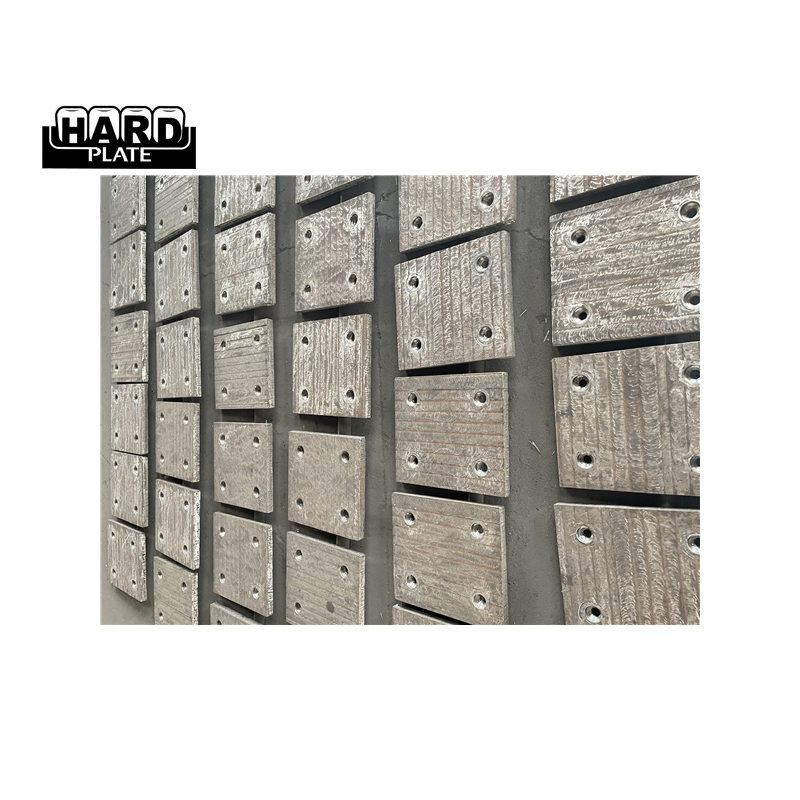
A key benefit of Chocky Bar is its modular format. Operators can arrange separate bars in rows, patterns, or strategic clusters that match the equipment profile and wear pattern. This makes Chocky Bar suitable for new builds, planned upgrades, and repairs on working machinery. When one area reaches its wear limit, technicians can replace that section without changing every protective component nearby. The smaller replacement area can reduce material consumption, labor time, and the size of the shutdown task. It also helps maintenance teams keep spare parts organized, since bars can be ordered in standard or project-specific dimensions. Depending on the design, installation may use welding, countersunk fasteners, or another approved fixing method. The chosen method should follow the supplier's instructions and the base metal condition. Properly mounted Chocky Bar pieces stay in position under vibration and material impact, supporting dependable service. This replaceable approach gives buyers better control over repair timing and helps them plan work around production schedules instead of reacting to major failures.
Flexible performance across demanding applications

Flexible performance across demanding applications

Chocky Bar works across a wide range of bulk handling and mobile equipment applications. Mines can use Chocky Bar in ore chutes, transfer points, dump bodies, and crusher areas. Quarries may apply it to aggregate hoppers, screens, and conveyor loading zones, while construction and recycling businesses can protect buckets, blades, and sorting equipment. The product can also support cement, steel, foundry, and general material processing operations where impact and sliding contact shorten steel life. Customers can select size and hardness according to the material, contact force, temperature, and available mounting space. This application flexibility helps users avoid treating every wear problem in the same way. A suitable Chocky Bar arrangement can protect curved surfaces, narrow edges, broad panels, and high-impact entry points. It can work alongside rubber, ceramic, or plate liners when a mixed protection system makes sense. For buyers, the main value is not simply hardness; it is the ability to match protection to real operating conditions. Chocky Bar therefore provides a practical foundation for longer service intervals, safer maintenance planning, and improved equipment availability.

Copyright © Shenyang Hard Welding Surface Engineering Co., ltd.  -  Privacy policy