
 EN
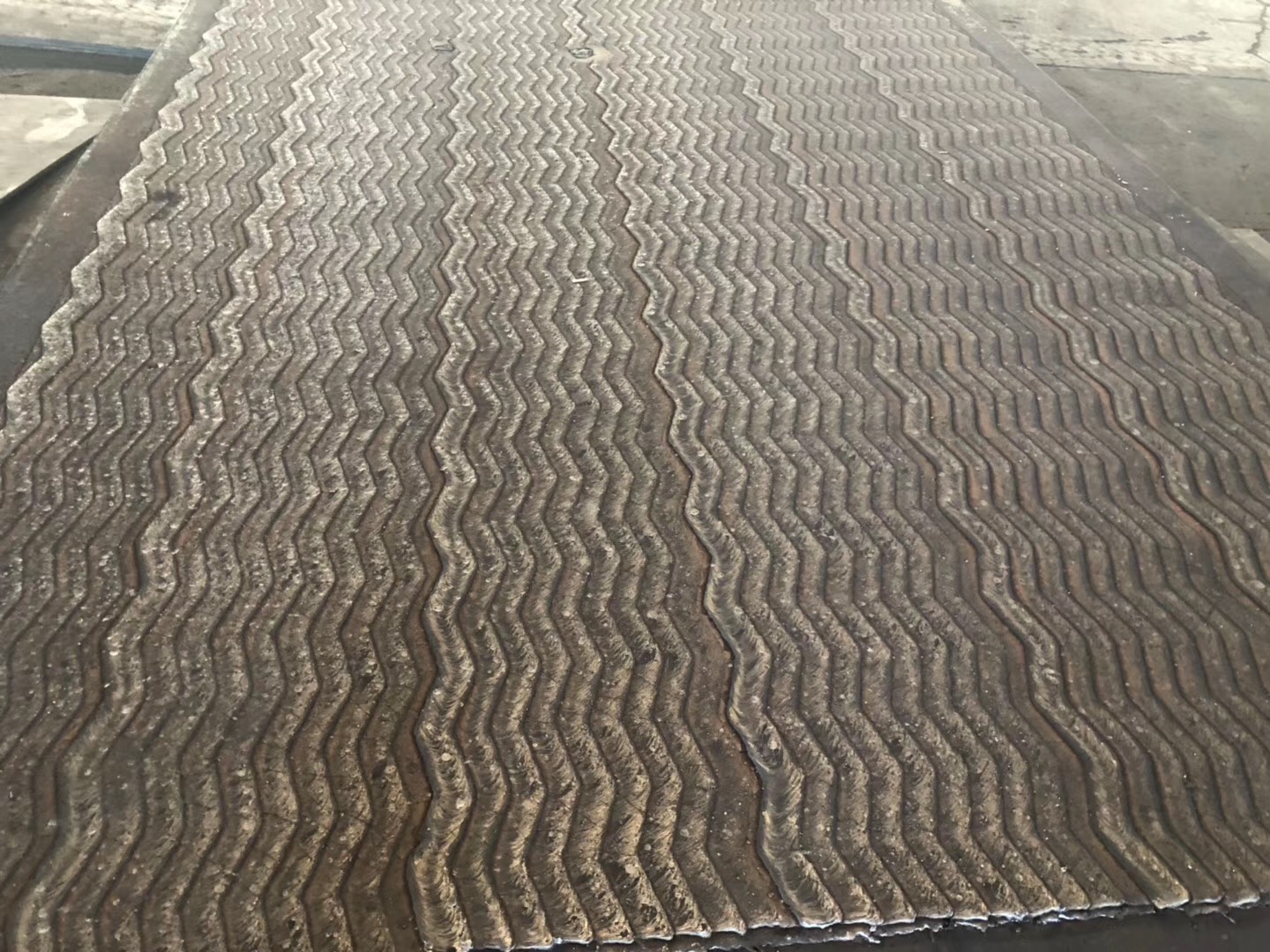
Heavy-duty equipment in mining, cement, metallurgy, power generation, and bulk material handling is constantly exposed to abrasive materials. Rocks, ores, coal, clinker, sand, and other hard particles can gradually wear down equipment surfaces, particularly in areas where materials are continuously loaded, transferred, crushed, or transported.
When conventional steel wears too quickly, replacing damaged components can increase maintenance costs and lead to unexpected production downtime. A properly selected wear resistant plate can provide a more durable protective surface and help extend the service life of high-wear equipment.
However, choosing the right wear resistant plate requires more than simply selecting the hardest material available. The plate needs to match the actual operating conditions, including the type of wear, impact intensity, material characteristics, temperature, plate thickness, and fabrication requirements.
This guide explains the key factors industrial buyers and engineers should consider when selecting a wear resistant plate for heavy-duty equipment.
What Is a Wear Resistant Plate?
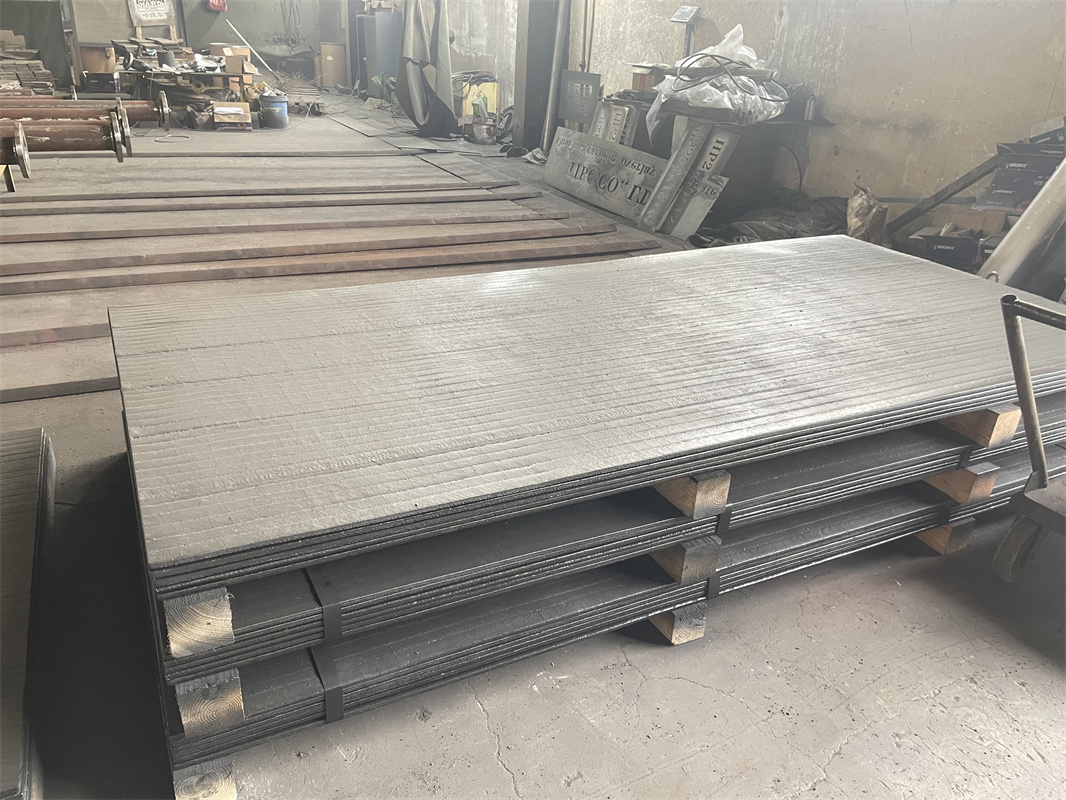
A wear resistant plate is an engineered steel or composite plate designed to withstand material loss caused by abrasion, impact, erosion, or a combination of these conditions.
Unlike conventional structural steel, wear resistant plates are developed specifically for environments where continuous contact with abrasive materials can rapidly reduce component thickness.
Different wear resistant plates use different material structures and technologies. These may include hardened alloy steel, chromium carbide overlay plates, and other hardfacing solutions.
For severe abrasive applications, a chromium carbide overlay plate typically consists of a tough steel substrate combined with a hard wear-resistant overlay. The hard surface provides protection against abrasion, while the underlying steel contributes structural support and toughness.
Hard-plate® specializes in metal-matrix hardfacing wear-resistant steel plates and related wear-resistant materials. Its product range includes CCO wear plates, CCO wear liners, grinding components, wear pipes and fittings, and customized wear parts.
Why Proper Wear Resistant Plate Selection Matters
The performance of a wear plate directly affects equipment maintenance and operating costs.
An unsuitable plate may wear faster than expected, crack under impact, become difficult to fabricate, or require frequent replacement. On the other hand, selecting a plate that matches the actual working conditions can provide longer service life and more predictable maintenance intervals.
For heavy-duty equipment, the benefits of appropriate wear protection can include:
-
Reduced frequency of component replacement
-
Lower maintenance requirements
-
Less equipment downtime
-
Better protection of the underlying structure
-
More predictable maintenance planning
-
Improved equipment availability
-
Lower long-term operating costs
The goal should not be to select the most expensive or hardest plate. The goal is to select the most appropriate wear resistant plate for the specific application.
1. Identify the Type of Wear
The first step is to determine how the equipment surface is being worn.
Sliding Abrasion
Sliding abrasion occurs when abrasive particles continuously move across a steel surface.
Typical applications include:
-
Material chutes
-
Hoppers
-
Conveyor liners
-
Transfer points
-
Bins
-
Feeders
If sliding abrasion is the primary wear mechanism, surface hardness and abrasion resistance are important selection criteria.
Impact Abrasion
Impact abrasion occurs when abrasive materials strike the plate with considerable force.
Crushers, mining equipment, rock boxes, and some heavy-duty chutes may experience significant impact.
In these applications, hardness alone is not enough. The wear resistant plate also needs sufficient toughness and an appropriate substrate to withstand repeated impact without premature failure.
Hard-plate® offers different CCO wear plate grades designed for different abrasive conditions, including products categorized for low-stress abrasion, medium-impact abrasion, strong-impact abrasion, and high-temperature abrasive environments.
Erosive Wear
Erosive wear occurs when abrasive particles move rapidly against a surface, often through a stream of material or fluid.
This type of wear is common in:
-
Abrasive material pipelines
-
Slurry transportation systems
-
Pipe elbows
-
Pneumatic conveying systems
-
Material discharge systems
For these applications, the wear pattern and flow direction should be evaluated before selecting the plate or wear-resistant component.
2. Evaluate the Abrasive Material
The material being handled is one of the most important factors in wear plate selection.
Different materials can produce very different wear rates.
For example, crushed rock and mineral ore may create severe impact and abrasion, while fine particles transported at high velocity may create predominantly erosive wear.
When discussing a project with a supplier, provide information such as:
-
Material type
-
Material hardness
-
Particle size
-
Particle shape
-
Material flow rate
-
Material velocity
-
Moisture content
-
Operating temperature
Sharp and hard particles generally create more aggressive abrasive conditions than softer materials with rounded particles.
Understanding the processed material allows the supplier to recommend a wear resistant plate with properties appropriate for the actual environment.
3. Match the Plate Hardness to the Application
Hardness is an important indicator of wear resistance, but it should not be treated as the only selection criterion.
A harder surface can provide strong resistance to many forms of abrasive wear. However, extremely high hardness does not automatically mean better overall performance.
Heavy equipment may experience a combination of abrasion and impact. If the plate is too brittle for the operating conditions, cracking or premature failure can offset the benefits of high surface hardness.
Hard-plate® CCO products use a hard alloy overlay combined with a steel substrate. For example, the company's HP100 and HP400 products are designed for different wear conditions, with published specifications showing different hardness and application characteristics.
Therefore, buyers should evaluate:
Hardness + toughness + wear mechanism + operating conditions
rather than comparing hardness values alone.
4. Determine the Required Plate Thickness
Thickness is another critical factor when selecting a wear resistant plate.
A wear plate gradually loses material during operation. The initial thickness therefore needs to provide sufficient wear allowance for the expected service period.
However, increasing thickness indefinitely is not always the best solution.
An excessively thick plate can:
-
Increase component weight
-
Increase material costs
-
Complicate installation
-
Affect equipment dimensions
-
Increase fabrication requirements
The appropriate thickness should be determined based on the expected wear rate and required service life.
For CCO wear plates, the total thickness can consist of the base plate plus the wear-resistant overlay. Hard-plate® lists customized plate thicknesses for different applications, allowing the material structure to be adapted to specific equipment requirements.
For example, a chute exposed to severe abrasion may require a different thickness configuration from a liner exposed primarily to moderate sliding wear.
5. Consider Impact Conditions
Heavy-duty equipment often experiences more than simple surface abrasion.
Large rocks, ores, and other materials can impact the plate repeatedly during loading and transportation. In these situations, the interaction between the wear layer and substrate becomes especially important.
A suitable wear resistant plate should provide an appropriate balance between:
-
Surface hardness
-
Impact resistance
-
Substrate toughness
-
Bonding strength
-
Resistance to deformation
For CCO plates, the hard overlay is responsible for resisting abrasive wear, while the steel substrate helps absorb external forces and supports the wear layer.
Hard-plate® describes its CCO wear plate structure as a combination of a high-hardness alloy layer and a steel base, allowing the surface to resist wear while the matrix provides strength and toughness.
6. Check Operating Temperature
Temperature should not be overlooked when selecting a wear resistant plate.
Many heavy industries operate under elevated-temperature conditions. Cement plants, metallurgy facilities, power plants, and certain thermal processing systems can expose wear components to significant heat.
At elevated temperatures, the properties of a material may change. Therefore, buyers should confirm the recommended operating temperature of the selected wear plate.
Hard-plate® provides CCO grades designed for different temperature and wear conditions. Its product specifications include grades intended for high-temperature abrasive applications.
When requesting a quotation, it is useful to provide both the normal operating temperature and the maximum temperature the component may experience.
7. Consider Fabrication Requirements
A wear resistant plate must not only perform well during operation; it must also be practical to fabricate and install.
Depending on the equipment design, the plate may need to be:
-
Cut to a specific shape
-
Welded to a structural surface
-
Bent or formed
-
Drilled or fitted with mounting holes
-
Countersunk
-
Mechanically fastened
-
Manufactured as a customized wear component
Different wear-resistant materials can have different fabrication requirements.
For example, CCO plates have a hard overlay that can make conventional machining more challenging. Hard-plate® notes that its hardfacing plates can be cut using suitable methods such as plasma cutting, grinding wheel saws, or air-arc gouging, while specific installation methods can include countersunk bolts, welding studs, perimeter welding, or plug welding depending on the application.
Therefore, fabrication and installation should be considered before finalizing the material specification.
8. Choose Between Standard and CCO Wear Plates
Not every heavy-duty application requires the same type of wear resistant plate.
For applications with moderate abrasion and relatively straightforward fabrication requirements, hardened alloy steel may be an appropriate option.
For severe abrasive conditions, chromium carbide overlay technology can provide a more specialized wear surface.
CCO wear plates are particularly useful when the primary objective is protecting high-wear areas from severe abrasion. Hard-plate® offers multiple CCO grades, including HP100, HP200, HP300, and HP400, which are positioned for different combinations of abrasion, impact, and temperature conditions.
A practical selection approach is:
| Operating Condition | Potential Wear Plate Approach |
|---|---|
| Moderate abrasion | Hardened alloy wear plate |
| Low-stress severe abrasion | CCO wear plate |
| Medium impact and abrasion | Appropriate impact-resistant CCO grade |
| Strong impact and abrasion | CCO plate with suitable substrate and grade |
| High-temperature abrasion | High-temperature wear-resistant grade |
| Complex equipment geometry | Customized wear plate or wear component |
The final material should always be selected according to the actual working conditions rather than the application category alone.
9. Consider Equipment Geometry
Equipment geometry can have a major influence on wear.
A flat plate installed in a straight chute may experience a different wear pattern from a curved liner, pipe elbow, crusher component, or hopper wall.
Areas where material changes direction or impacts the surface can experience concentrated wear.
For this reason, customized wear protection may provide better results than using standard rectangular plates throughout the entire equipment.
Hard-plate® provides customized wear-resistant products in different dimensions, shapes, and thicknesses for specific industrial applications. Its product portfolio also includes customized CCO wear parts such as liners, chutes, rotor blades, grizzly bars, roller teeth, pipes, and fittings.
10. Evaluate Total Cost of Ownership
Price per plate is only one part of the purchasing decision.
Industrial buyers should evaluate the total cost associated with the wear component throughout its service life.
A useful calculation includes:
Material cost + fabrication cost + installation cost + maintenance cost + replacement cost + downtime cost
For example, a lower-cost wear plate may initially appear attractive, but if it needs to be replaced frequently, the total maintenance cost can become considerably higher.
A higher-performance wear resistant plate may have a higher initial purchase price but provide longer service intervals.
For heavy-duty equipment, the better purchasing question is therefore not:
"Which wear plate has the lowest price?"
It is:
"Which wear plate provides the best combination of service life, performance, fabrication, and total operating cost?"
Common Applications for Wear Resistant Plates
Wear resistant plates are widely used in industries where abrasive materials are continuously processed or transported.
Mining
Mining operations expose equipment to rock, ore, and mineral materials.
Typical applications include:
-
Excavator bucket liners
-
Crusher liners
-
Hoppers
-
Chutes
-
Conveyor systems
-
Transfer points
-
Mining skips
Hard-plate® lists mining among the major application areas for its wear-resistant products.
Cement
Cement manufacturing involves the handling, crushing, grinding, and transportation of abrasive raw materials.
Wear resistant plates can be used in:
-
Chutes
-
Hoppers
-
Conveying equipment
-
Grinding equipment
-
Material transfer systems
Metallurgy
Steel and metallurgical plants often combine abrasive materials with high temperatures and heavy mechanical loads.
Wear protection may be required for equipment handling ore, slag, sintered materials, and other abrasive substances.
Power Generation
Coal handling and other bulk material systems can generate continuous abrasive wear.
Wear-resistant liners and plates can help protect high-wear areas and reduce the frequency of maintenance interventions.
A Wear Resistant Plate Selection Checklist
Before placing an order, industrial buyers should prepare the following information:
Application
-
What equipment will use the plate?
Wear mechanism
-
Sliding abrasion, impact, erosion, or a combination?
Abrasive material
-
What material is being processed?
Particle characteristics
-
What are the approximate particle size, hardness, and shape?
Operating conditions
-
What are the material flow rate, velocity, and impact intensity?
Temperature
-
What are the normal and maximum operating temperatures?
Dimensions
-
What plate length, width, thickness, and shape are required?
Fabrication
-
Does the plate need to be cut, welded, formed, or drilled?
Installation
-
Will it be welded, bolted, or mechanically attached?
Expected service life
-
How long should the component operate before replacement?
Providing this information helps a wear-resistant material manufacturer make a more application-specific recommendation.
How to Select the Best Wear Resistant Plate
The best wear resistant plate is not necessarily the hardest or thickest option. It is the material configuration that matches the actual combination of abrasion, impact, temperature, geometry, and fabrication requirements.
A practical selection process can be summarized as follows:
Step 1: Identify the equipment and wear location.
Step 2: Determine the dominant wear mechanism.
Step 3: Analyze the abrasive material and particle characteristics.
Step 4: Evaluate impact intensity and operating temperature.
Step 5: Select an appropriate hardness and material structure.
Step 6: Determine the required plate thickness and wear allowance.
Step 7: Confirm cutting, welding, forming, and installation requirements.
Step 8: Compare expected service life and total cost of ownership.
Step 9: Consider customized wear plates for complex or high-wear areas.
This approach provides a more reliable basis for material selection than simply comparing product prices or hardness ratings.
Conclusion
Selecting the best wear resistant plate for heavy-duty equipment requires a clear understanding of the actual operating environment.
Abrasion type, material characteristics, impact intensity, hardness, thickness, temperature, fabrication requirements, equipment geometry, and expected service life all influence the final decision.
For severe industrial wear applications, CCO wear plates can provide a specialized hardfacing surface, while different grades can be selected according to the balance of abrasion, impact, and temperature requirements. Hard-plate® offers CCO wear plates in multiple grades together with customized wear liners, chutes, pipes, fittings, and other wear-resistant components.
By evaluating the complete working environment rather than focusing on a single specification, industrial buyers can choose a wear resistant plate that provides reliable protection, longer service intervals, and better long-term value for heavy-duty equipment.
Table of Contents
- What Is a Wear Resistant Plate?
- Why Proper Wear Resistant Plate Selection Matters
- 1. Identify the Type of Wear
- 2. Evaluate the Abrasive Material
- 3. Match the Plate Hardness to the Application
- 4. Determine the Required Plate Thickness
- 5. Consider Impact Conditions
- 6. Check Operating Temperature
- 7. Consider Fabrication Requirements
- 8. Choose Between Standard and CCO Wear Plates
- 9. Consider Equipment Geometry
- 10. Evaluate Total Cost of Ownership
- Common Applications for Wear Resistant Plates
- A Wear Resistant Plate Selection Checklist
- How to Select the Best Wear Resistant Plate
- Conclusion