wear resistant steel
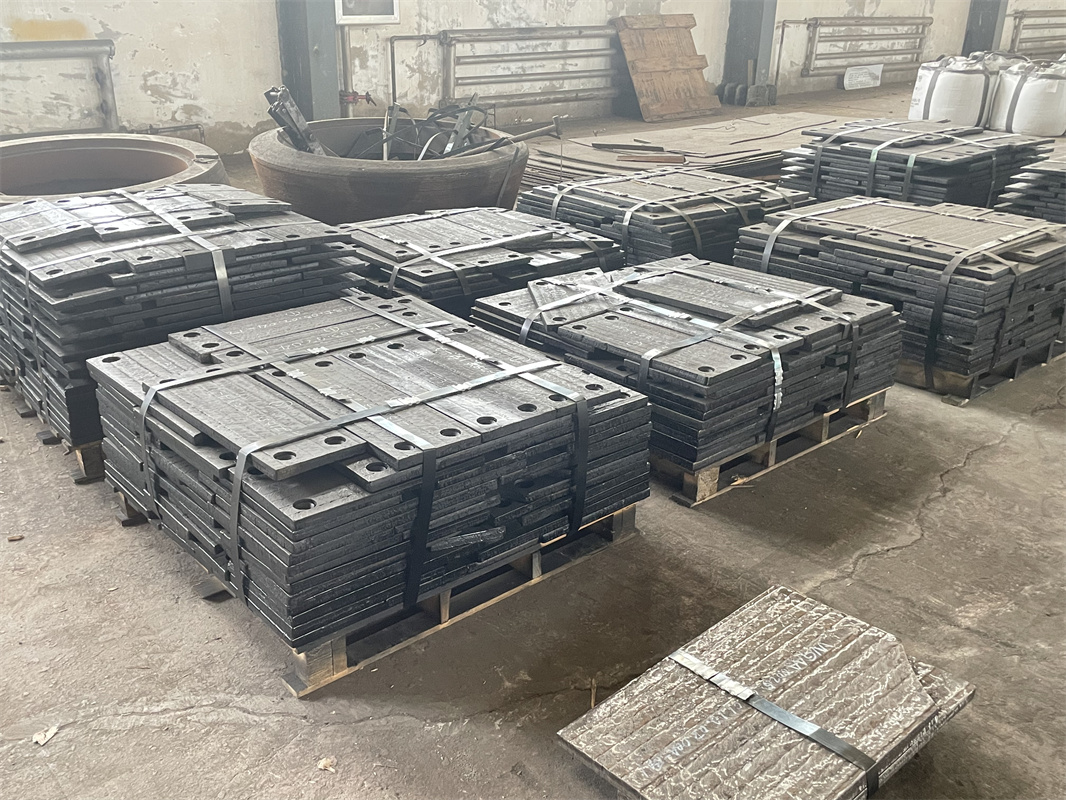
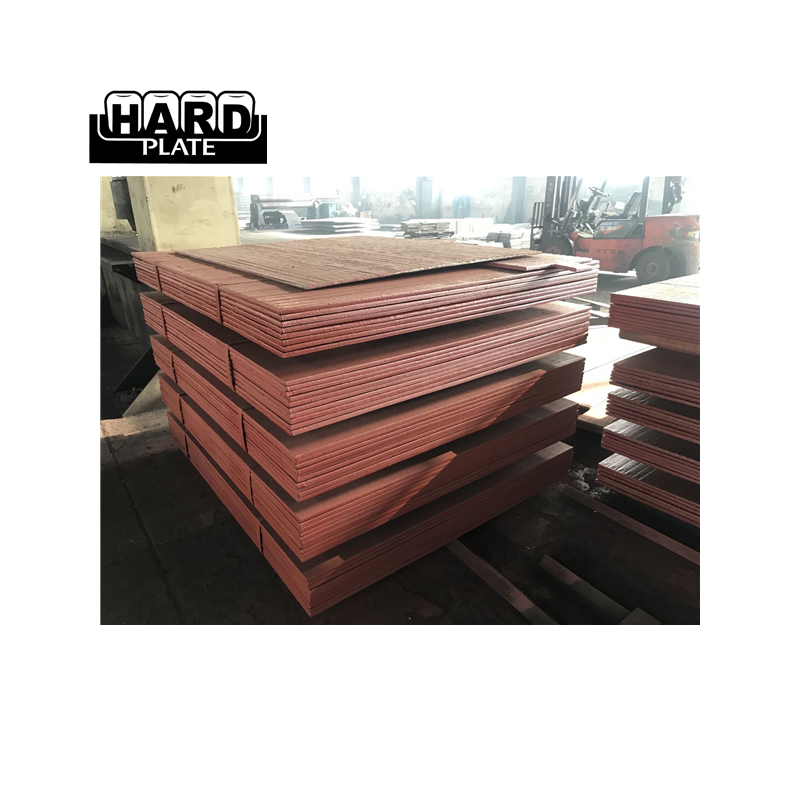
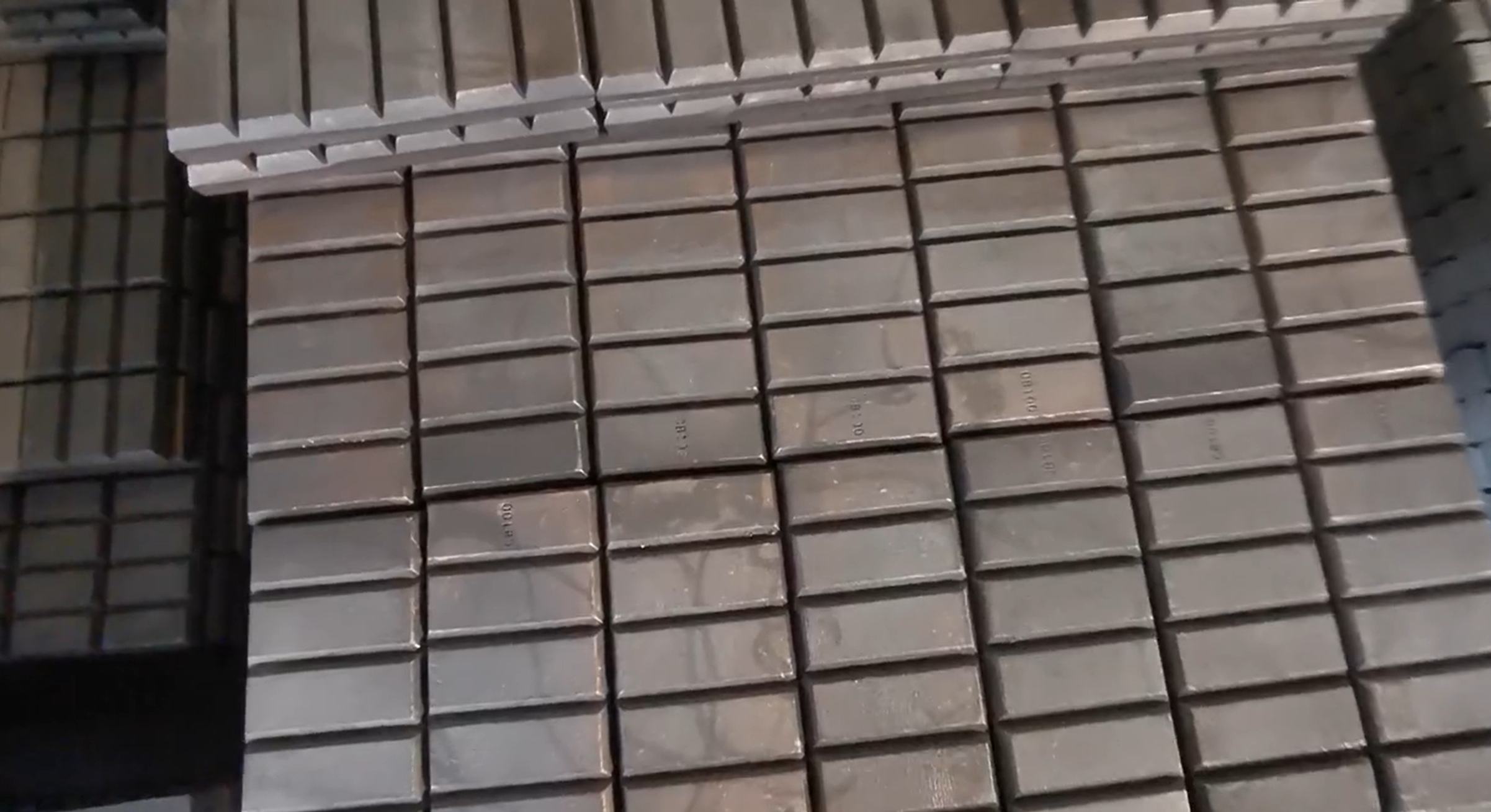
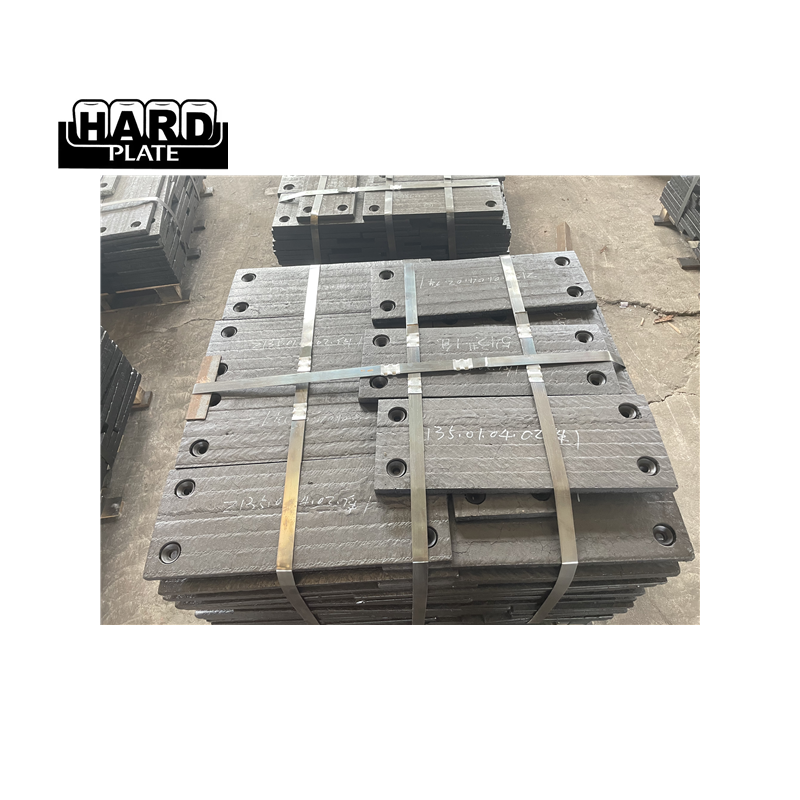
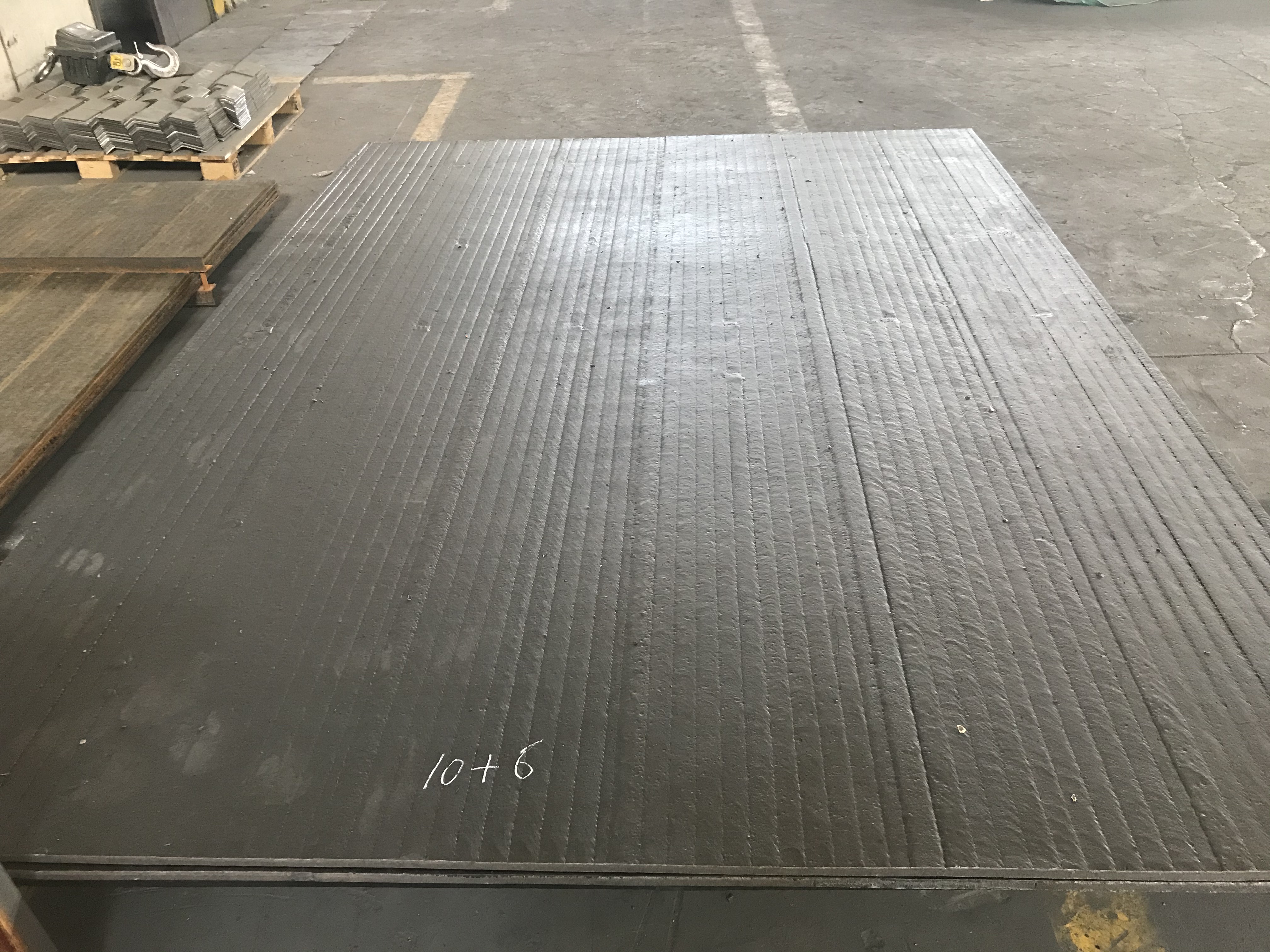
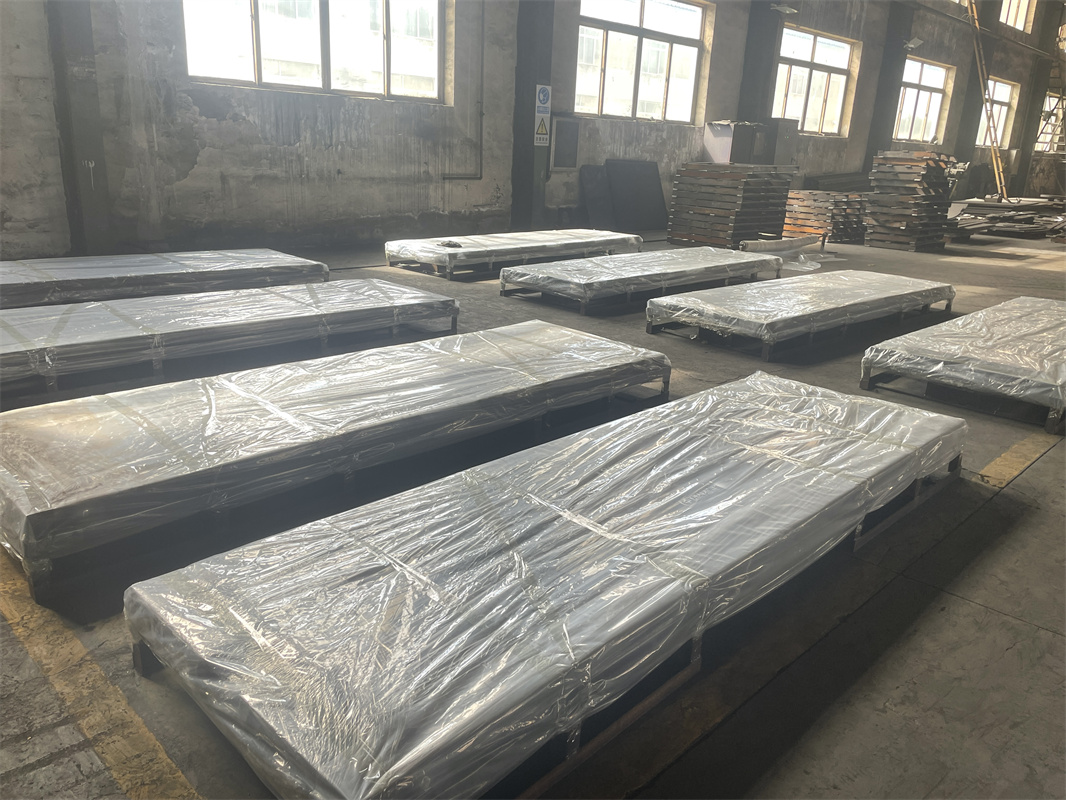
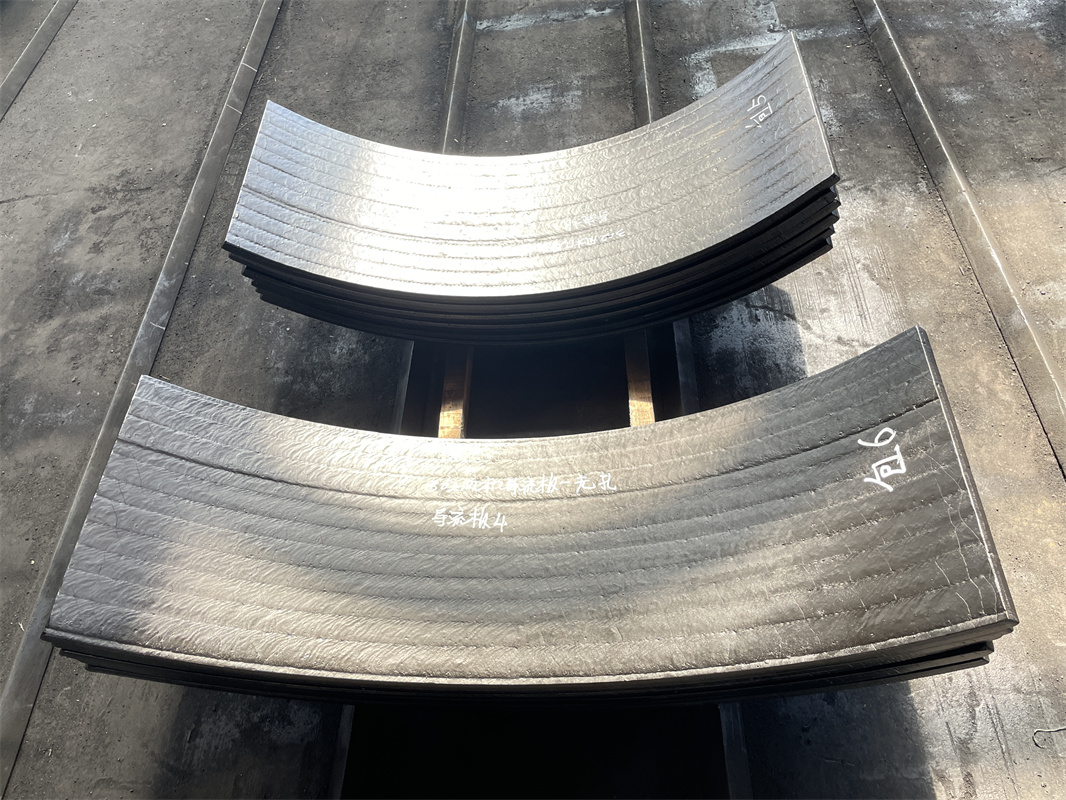
Wear resistant steel is a tough, high-strength material designed to resist damage caused by constant impact, sliding, scraping, and contact with abrasive materials. It helps equipment maintain its shape and working performance when ordinary carbon steel would wear quickly. Wear resistant steel combines a strong steel base with controlled alloying and heat treatment, creating a hard surface that supports longer service life without making the entire product difficult to process. Depending on the grade, wear resistant steel can offer different hardness levels, impact resistance, plate thicknesses, and forming capabilities. Manufacturers can cut, weld, bend, or machine selected grades when they follow the supplier's processing guidance. The main function of wear resistant steel is to protect parts that face repeated material flow or mechanical contact. It commonly serves as liners, chutes, buckets, blades, hoppers, screens, conveyor parts, and structural panels. Wear resistant steel reduces surface loss, helps equipment retain its original dimensions, and supports more predictable maintenance planning. Its technological features may include uniform hardness, refined alloy composition, clean plate quality, consistent thickness, and controlled heat treatment. These features allow wear resistant steel to perform reliably in mining, quarrying, construction, recycling, agriculture, cement production, energy, and bulk material handling. Buyers can select a grade according to abrasion intensity, impact level, operating temperature, thickness, fabrication method, and required service life. In practical terms, wear resistant steel is a solution for companies that need stronger working surfaces and fewer interruptions in demanding operating environments.

 EN