Wear-Resistant Materials for Industrial Use

All Categories

Wear-Resistant Materials

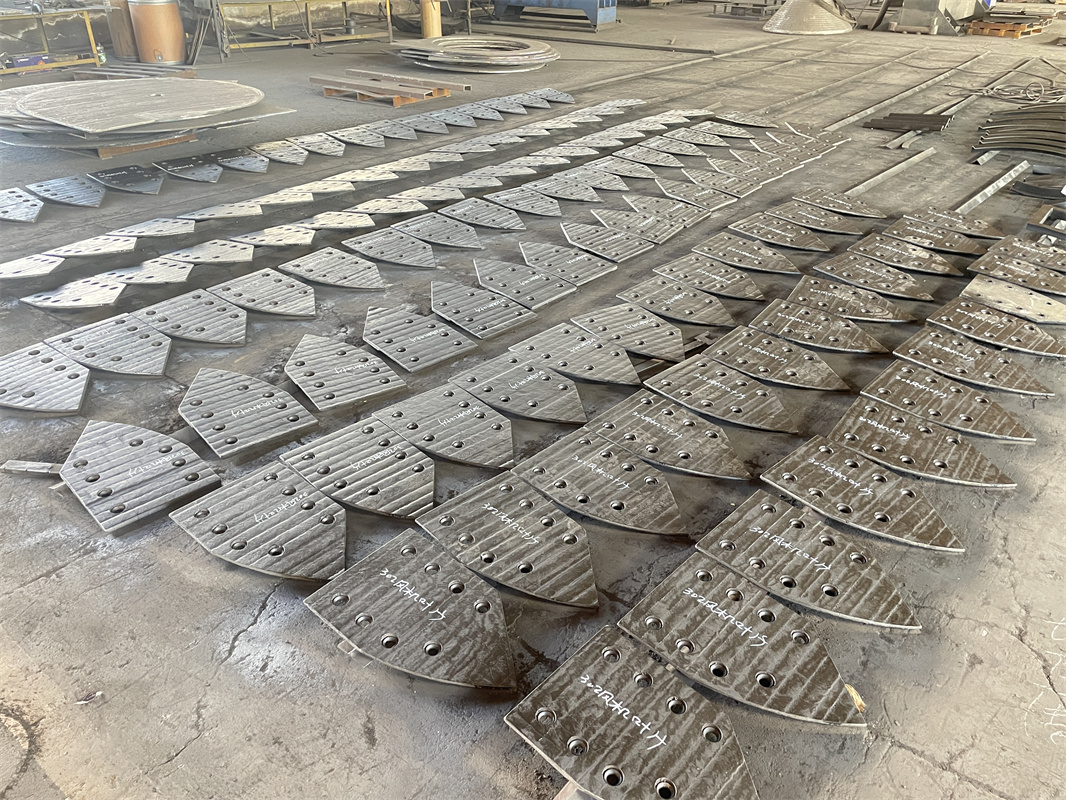
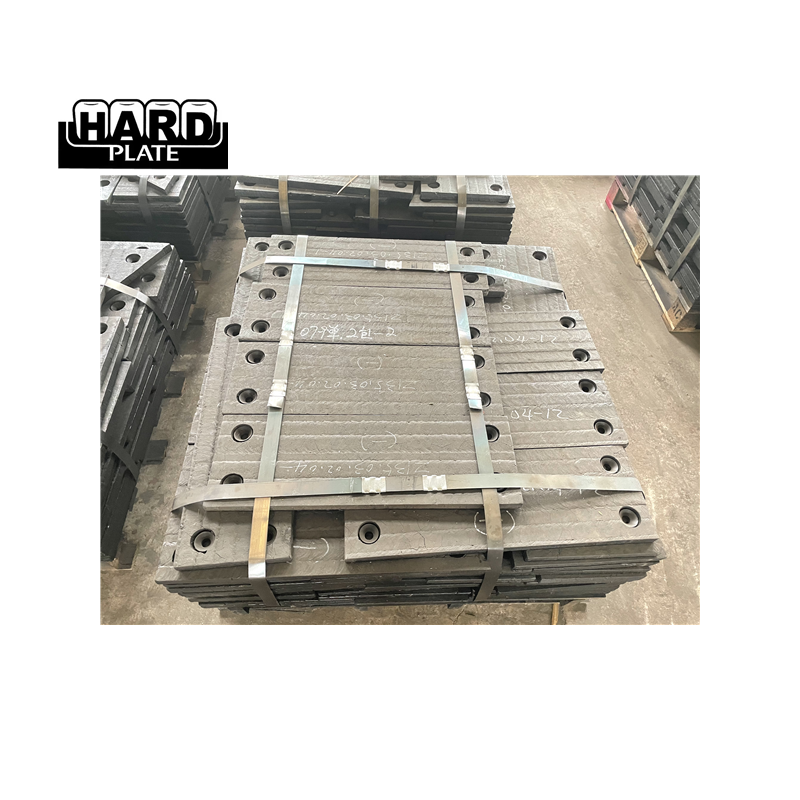
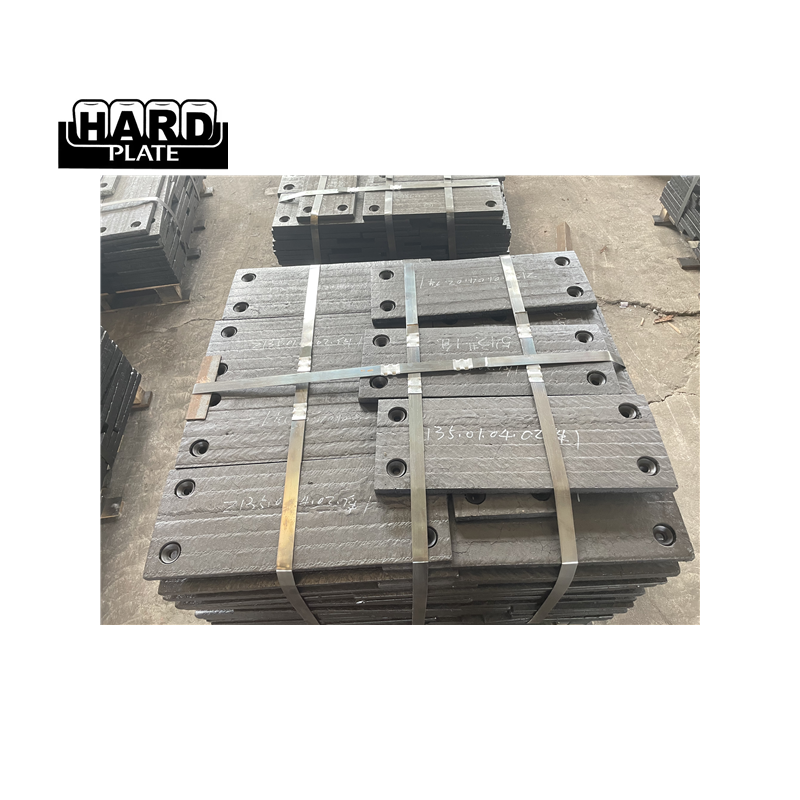
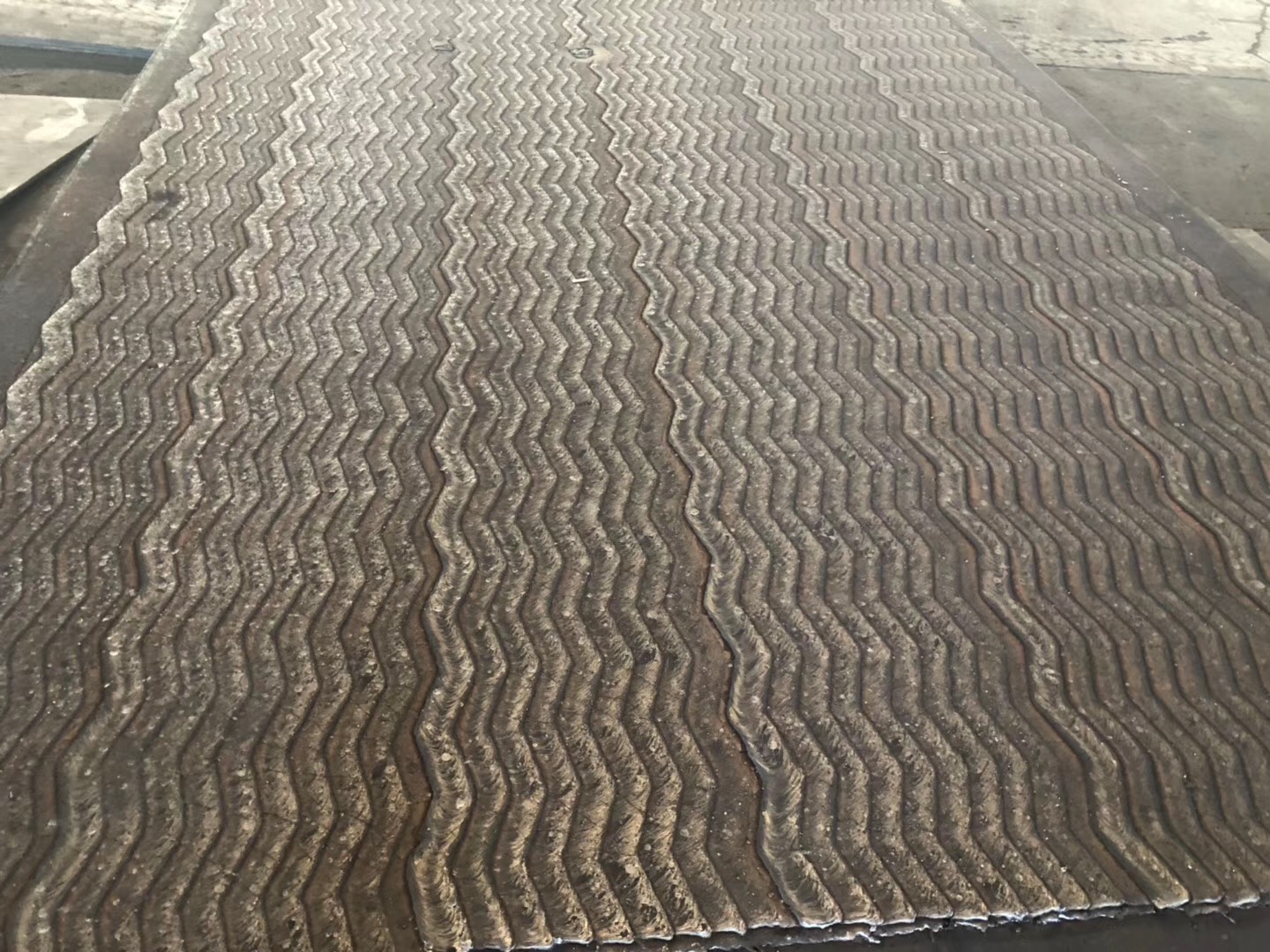
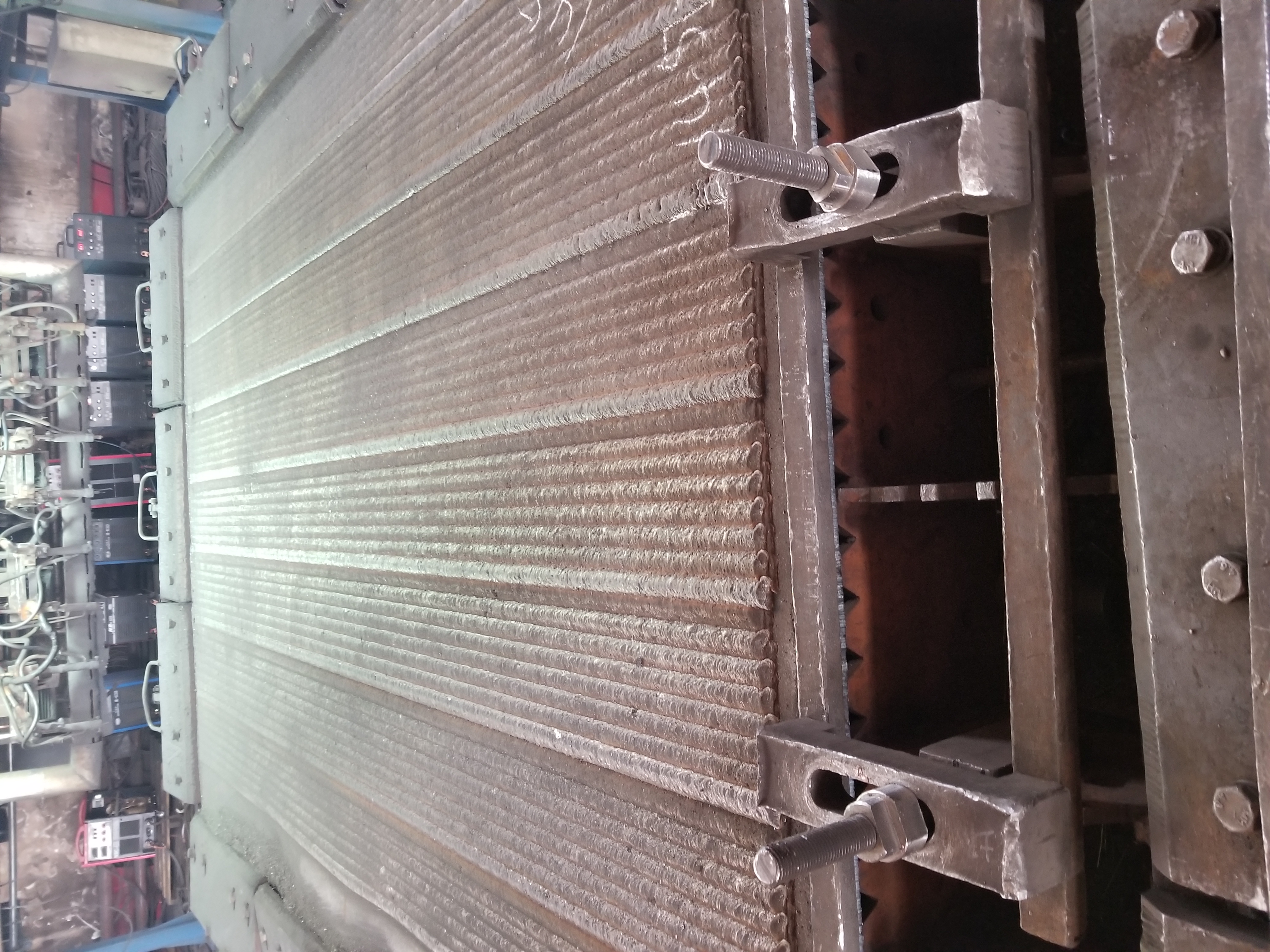
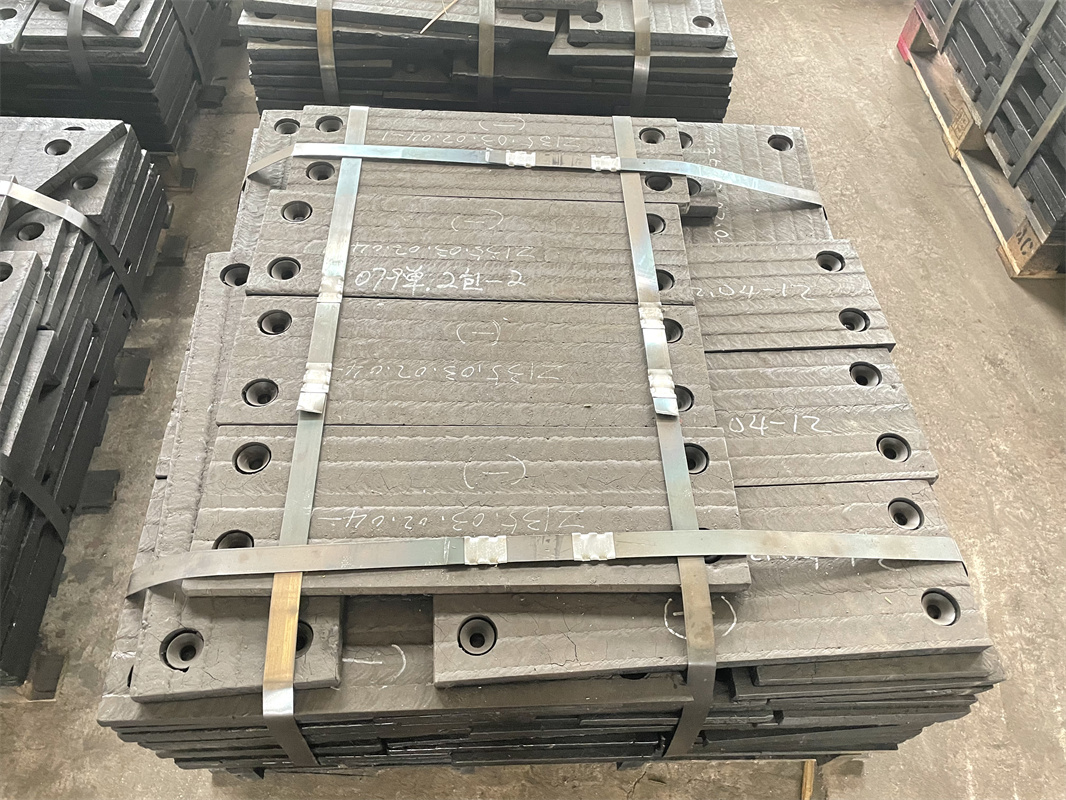
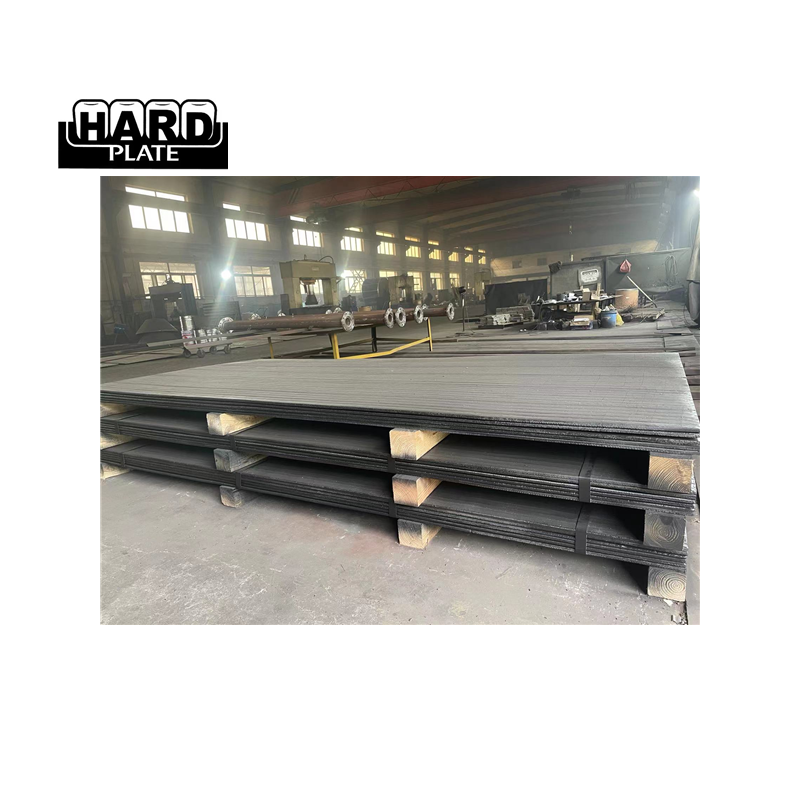
Wear-Resistant Materials are engineered to resist surface damage caused by friction, impact, pressure, heat, and repeated movement. They help protect parts that face constant contact with abrasive particles or heavy loads. Common Wear-Resistant Materials include hardened steel, alloy plate, ceramic, rubber, polyurethane, composite panels, and specialized coatings. Each option offers a different balance of strength, flexibility, weight, temperature resistance, and cost. Wear-Resistant Materials work by creating a durable barrier between operating forces and the equipment surface. Some grades absorb impact, while others reduce sliding friction or prevent abrasive particles from cutting into a component. Wear-Resistant Materials can be supplied as sheets, liners, pipes, wear plates, molded parts, conveyor components, or protective coatings. Their technological features may include high hardness, controlled grain structure, corrosion resistance, low friction, thermal stability, and improved bonding. Manufacturers can also cut, drill, bend, weld, or mold Wear-Resistant Materials to match specific equipment designs. The right selection depends on the type of wear, operating temperature, load, material flow, and maintenance plan. Wear-Resistant Materials are widely used in mining, cement production, power generation, recycling, construction, agriculture, transportation, and bulk handling. In these environments, Wear-Resistant Materials protect chutes, hoppers, tanks, screens, mixers, crushers, conveyors, and machine frames. Properly selected Wear-Resistant Materials reduce surface loss and help equipment maintain its designed shape. They also support safer operation because worn surfaces can create leaks, blockages, uneven flow, or unexpected failures. For buyers, Wear-Resistant Materials provide a practical way to improve equipment durability without replacing an entire machine. Their main purpose is to extend service life, stabilize production, and control repair demands in demanding working conditions.

New Product Releases

The main advantage of Wear-Resistant Materials is longer equipment life. By limiting damage at high-contact points, Wear-Resistant Materials allow parts to remain useful for more operating cycles. Buyers can delay replacement and gain more value from existing machinery. Wear-Resistant Materials also reduce maintenance frequency. A protected chute, liner, or conveyor section needs fewer emergency repairs, which helps teams plan work during scheduled shutdowns instead of reacting to sudden failures. This benefit can lower labor costs and reduce disruption to production. Wear-Resistant Materials improve operational reliability because they preserve critical dimensions and surfaces. Stable liners support consistent material flow, while protected machine parts continue to handle designed loads. As a result, Wear-Resistant Materials can help reduce blockages, leakage, vibration, and unplanned downtime. Another practical benefit is application flexibility. Wear-Resistant Materials suit high-impact zones, sliding contact areas, abrasive material paths, wet processing lines, and locations exposed to moderate heat. Users can choose steel for heavy impact, ceramic for extreme abrasion, rubber for noise and impact control, or polymer products for lighter, low-friction protection. Wear-Resistant Materials can also be cut or formed to fit new installations and replacement projects. This makes them useful for both original equipment manufacturers and maintenance departments. Correctly chosen Wear-Resistant Materials may reduce total ownership cost even when their purchase price is higher than a standard metal part. The longer service interval, lower labor demand, and reduced production loss often create better value over time. Wear-Resistant Materials can improve workplace conditions by reducing loose fragments, surface failure, and frequent manual repair tasks. Buyers should compare wear type, impact energy, temperature, moisture, material size, and installation method before selecting a grade. A supplier that offers testing, sizing guidance, and fabrication support can make Wear-Resistant Materials easier to specify and install. The best choice is not simply the hardest product; it is the product that matches the actual operating conditions. This approach helps customers gain reliable protection without paying for unnecessary performance.

Latest News

How Premium Chromium Carbide Wear Plates Can Significantly Reduce Your Plant’s Downtime

17

Jun

How Premium Chromium Carbide Wear Plates Can Significantly Reduce Your Plant’s Downtime

Why Chromium Carbide Wear Plates Deliver Unmatched Wear ResistanceMicrostructure and Hardness: How CrC Overlay Achieves 60–65 HRC Surface HardnessThe exceptional wear resistance of premium chromium carbide (CrC) wear plates stems from their engineere...
View More
Wear Resistant Pipe: Applications, Materials, and Selection Guide

27

Oct

Wear Resistant Pipe: Applications, Materials, and Selection Guide

Industrial piping systems that transport abrasive materials can experience severe internal wear over time. Slurry, ore, coal, sand, mineral concentrates, and other solid particles can continuously impact or slide against the inner pipe wall, graduall...
View More
Chromium Carbide Overlay Plate vs Abrasion Resistant Steel: A Practical Comparison

27

Oct

Chromium Carbide Overlay Plate vs Abrasion Resistant Steel: A Practical Comparison

Abrasion is one of the most common causes of premature wear in heavy industrial equipment. Mining, cement, power generation, metallurgy, quarrying, and bulk material handling systems all rely on components that must withstand continuous contact with ...
View More
How to Select the Best Wear Resistant Plate for Heavy-Duty Equipment

27

Oct

How to Select the Best Wear Resistant Plate for Heavy-Duty Equipment

Heavy-duty equipment in mining, cement, metallurgy, power generation, and bulk material handling is constantly exposed to abrasive materials. Rocks, ores, coal, clinker, sand, and other hard particles can gradually wear down equipment surfaces, parti...
View More

Get a Free Quote

Our representative will contact you soon.
Name
Email
Tel / WhatsApp
Company Name
Message
0/1000

Wear-Resistant Materials

Longer Service Life and Lower Replacement Costs

Longer Service Life and Lower Replacement Costs

Wear-Resistant Materials help equipment last longer by placing a strong protective layer at the point where damage starts. Instead of allowing abrasive particles or repeated impact to wear the original surface, Wear-Resistant Materials take the daily load and preserve the supporting structure. This feature is valuable for crushers, chutes, hoppers, bins, and transfer points that operate continuously. Wear-Resistant Materials can reduce the number of replacement parts a site needs each year, helping buyers control inventory and purchasing costs. Longer service also means fewer shutdowns for cutting out damaged sections and fitting new components. For maintenance teams, Wear-Resistant Materials create a more predictable replacement schedule and make planned repairs easier to coordinate. The financial benefit extends beyond the product itself: Wear-Resistant Materials can protect production time, labor hours, and nearby machine components. Customers should consider the material flow, contact pressure, impact level, and expected operating hours when selecting a protection grade. A properly matched solution delivers dependable value rather than short-term hardness alone.
Designed for Different Types of Wear

Designed for Different Types of Wear

Not all damage occurs in the same way, so Wear-Resistant Materials are available in several performance types. Sliding abrasion requires a surface that resists cutting and rubbing, while heavy impact requires toughness that prevents cracking or breakage. Some Wear-Resistant Materials combine hardness with flexibility to handle both conditions. Rubber and polyurethane can cushion impact and reduce noise, whereas hardened steel and ceramic provide strong resistance against aggressive particles. Wear-Resistant Materials may also include options for moisture, chemicals, or elevated temperatures, making them suitable for varied production lines. This range allows buyers to select protection based on real operating conditions instead of using one material everywhere. Wear-Resistant Materials can be supplied as replaceable liners, plates, pipes, molded shapes, or coatings, so the solution can follow the equipment layout. The right format shortens installation work and improves coverage. By matching composition, thickness, and shape to the wear pattern, customers can avoid overengineering low-risk areas and focus spending where damage is greatest. This improves both performance and purchasing efficiency.
Improved Uptime and Installation Flexibility

Improved Uptime and Installation Flexibility

Wear-Resistant Materials support reliable operation by protecting surfaces that can otherwise cause flow problems, leaks, and unplanned stoppages. When a liner or transfer surface keeps its shape, bulk materials move more consistently through the system. Wear-Resistant Materials also make replacement work faster when supplied in accurately cut or drilled sections. Fabricated Wear-Resistant Materials can match existing bolt patterns, curves, openings, and access limitations, reducing the need for extensive site modification. This is especially useful for maintenance teams working during short shutdown windows. Wear-Resistant Materials may be installed in new equipment or added to older machines as a practical upgrade. Their use can extend the life of the main structure without requiring a complete rebuild. Buyers can select thickness, hardness, backing, fastening method, and surface finish according to the job. Wear-Resistant Materials therefore offer more than basic protection; they provide a manageable maintenance strategy. With correct fitting and inspection, customers gain steadier output, fewer interruptions, and better control over long-term operating costs.

Copyright © Shenyang Hard Welding Surface Engineering Co., ltd.  -  Privacy policy