
 EN
EN
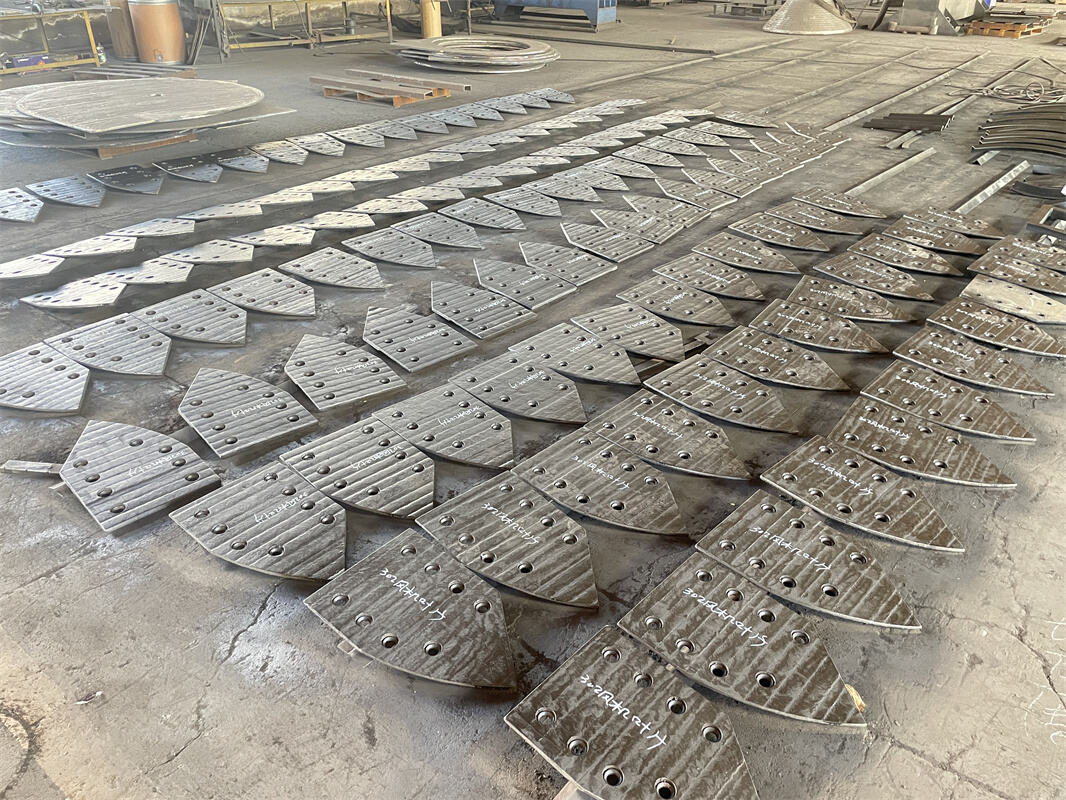
Why Chromium Carbide Wear Plates Deliver Unmatched Wear Resistance
Microstructure and Hardness: How CrC Overlay Achieves 60–65 HRC Surface Hardness
The exceptional wear resistance of premium chromium carbide (CrC) wear plates stems from their engineered microstructure. A dense, uniform dispersion of chromium carbide crystals—each exceeding 65 HRC—forms within a tough, ductile steel matrix. This dual-phase architecture delivers both extreme surface hardness and underlying toughness, enabling the plate to resist abrasion without brittle fracture. With a consistent overlay hardness of 60–65 HRC, CrC plates significantly outperform standard AR400 steel (~47 HRC), raising the energy threshold required for material removal and effectively resisting grinding, gouging, and erosion in high-stress service.
Performance Benchmark: 3–5× Longer Service Life vs. AR400 Steel in High-Abrasion Applications
Real-world performance confirms the metallurgical advantage: chromium carbide wear plates deliver 3–5 times the service life of AR400 steel in severe-abrasion applications—from mining chute liners subjected to high-velocity ore flow to cement mixing surfaces exposed to clinker and aggregate. This extended longevity directly reduces unplanned shutdowns, improves operational predictability, and lowers total cost of ownership—without compromising structural integrity under repeated impact or thermal cycling.
Chromium Carbide Wear Plate Applications That Directly Cut Downtime
Mining: Extending Conveyor Transfer Point Lifespan Amid High-Impact, Abrasive Material Flow
Conveyor transfer points in mining endure relentless impact from heavy, angular ore—causing rapid wear, belt damage, spillage, and costly stoppages. Chromium carbide wear plates mitigate this by maintaining dimensional stability and surface integrity far longer than AR400 alternatives. Their 60–65 HRC overlay resists cutting and gouging even under high-velocity, high-mass material flow, delaying liner replacement and reducing emergency repairs. The result is sustained conveyor uptime, fewer scheduled interventions, and measurable gains in plant throughput.
Cement & Aggregate Processing: Eliminating Frequent Liner Replacements in Crushers and Feed Hoppers
Crushers and feed hoppers face aggressive sliding, impact, and thermal stress from abrasive materials like clinker and recycled concrete. Traditional steel liners wear quickly, triggering disruptive, labor-intensive replacements. Chromium carbide wear plates extend liner service intervals by months—not weeks—by withstanding continuous abrasion and mechanical fatigue. One major cement producer reduced liner-related shutdowns by over 70% following a retrofit, shifting from quarterly replacements to a single annual inspection. This shift not only boosts production continuity but also frees maintenance teams for higher-value tasks.
Quantifying Downtime Reduction and ROI from Chromium Carbide Wear Plate Retrofit
Case Study: Cement Kiln Inlet Chutes — 72% Fewer Shutdowns and 4.2-Month Payback Period
Upgrading kiln inlet chutes—exposed to abrasive clinker at temperatures exceeding 200°C—with chromium carbide wear plates delivered immediate reliability gains. Within 14 months, unplanned maintenance shutdowns dropped by 72%, and liner replacement frequency fell from quarterly to once per year. The resulting cost avoidance was substantial:
| Cost Savings Category | Calculation | Savings Value |
|---|---|---|
| Avoided emergency downtime | 72% reduction × (3 events/yr × $185k/event) | ~$400k/yr |
| Reduced liner replacement cost | 3 fewer replacements × $37k/material+labor | $111k/yr |
| Planning efficiency gains | Reduced scheduling complexity | $29k/yr |
| Total Annual Savings | $540k/yr |
With a $200k installation investment, the project achieved payback in just 4.2 months. Crucially, the CrC overlay maintained performance across thermal and mechanical stress cycles—delivering 4–5× the lifespan of carbon steel liners in this demanding environment. For reliability-focused asset managers, this case exemplifies how targeted CrC retrofits deliver rapid, quantifiable returns in severe-service applications.
Beyond Uptime: How Chromium Carbide Wear Plates Improve Operational Safety and Compliance
Chromium carbide wear plates enhance more than just uptime—they strengthen operational safety and regulatory compliance. By extending service life 3–5× beyond AR400 steel, they reduce the frequency of emergency repairs—interventions that often expose workers to hazardous conditions near moving equipment, hot surfaces, or unstable material flows. Fewer liner replacements also mean less heavy lifting, reduced waste generation, and lower exposure to dust and noise hazards. Operators across mining and cement sectors report measurable declines in recordable safety incidents post-retrofit—and smoother alignment with OSHA and MSHA requirements for hazard mitigation and preventive maintenance planning.
FAQs
What is the hardness of chromium carbide wear plates?
Chromium carbide wear plates typically have overlay hardness between 60–65 HRC, allowing them to resist severe abrasion and extend lifespan compared to standard steels.
How do chromium carbide wear plates perform compared to AR400 steel?
In high-abrasion conditions, chromium carbide wear plates deliver 3–5× longer service life than AR400 steel, dramatically reducing downtime and maintenance costs.
What industries benefit the most from chromium carbide wear plates?
Industries such as mining, cement, and aggregate processing benefit significantly due to their high-stress environments with impact, abrasion, and thermal cycling challenges.
How do CrC wear plates contribute to safety improvements?
By reducing emergency repairs and heavy lifting, CrC wear plates help minimize hazardous worker interventions, enhance compliance with safety standards, and lower exposure to dust and noise.
What is the typical ROI for using chromium carbide wear plates?
Many companies report payback periods of under six months due to reduced downtime, liner replacement costs, and improved operational consistency.
Table of Contents
- Why Chromium Carbide Wear Plates Deliver Unmatched Wear Resistance
- Chromium Carbide Wear Plate Applications That Directly Cut Downtime
- Quantifying Downtime Reduction and ROI from Chromium Carbide Wear Plate Retrofit
- Beyond Uptime: How Chromium Carbide Wear Plates Improve Operational Safety and Compliance
-
FAQs
- What is the hardness of chromium carbide wear plates?
- How do chromium carbide wear plates perform compared to AR400 steel?
- What industries benefit the most from chromium carbide wear plates?
- How do CrC wear plates contribute to safety improvements?
- What is the typical ROI for using chromium carbide wear plates?