wear resistant pipe
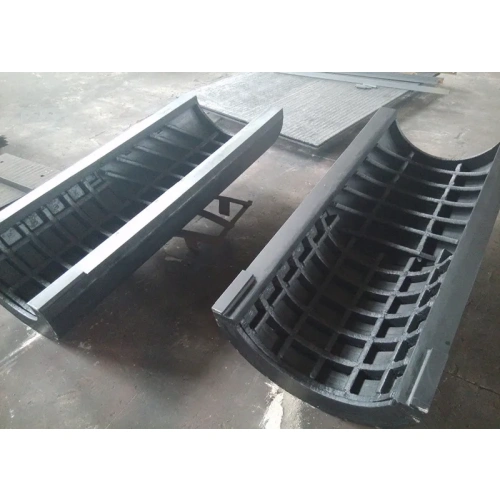
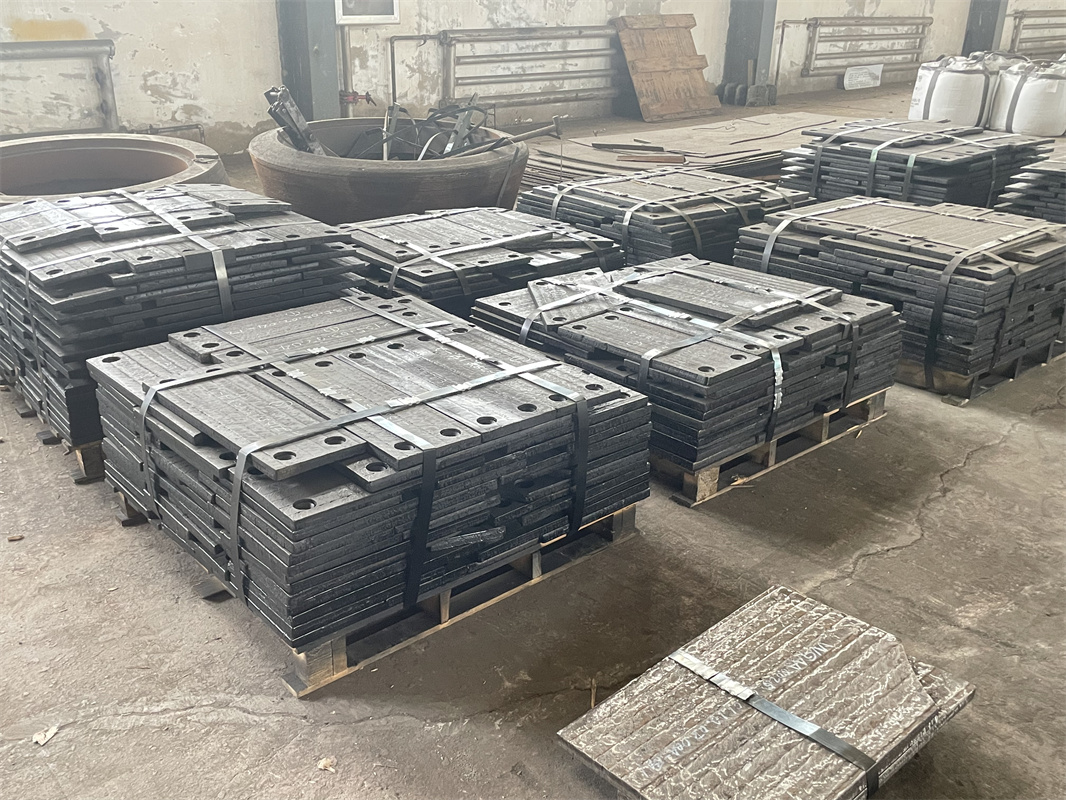
A wear resistant pipe is designed to move abrasive, heavy, or high impact materials while limiting damage to the pipe wall. Unlike a standard line, a wear resistant pipe uses a tough inner surface, a stronger steel body, or a bonded lining to handle continuous contact with sand, ore, cement, ash, slurry, and other aggressive media. A wear resistant pipe helps maintain a stable flow path in systems that would quickly damage ordinary steel. Depending on the design, a wear resistant pipe may use hardened steel, ceramic tiles, rubber, basalt, polyurethane, or an alloy lining. Each wear resistant pipe suits different temperatures, particle sizes, flow speeds, and chemical conditions. Engineers select a wear resistant pipe by reviewing material hardness, impact level, pressure, operating temperature, pipe size, and installation method. A wear resistant pipe can be supplied as a straight length, elbow, tee, reducer, spool, or custom fabricated assembly. This makes a wear resistant pipe practical for complete conveying systems rather than isolated repairs. The main function of a wear resistant pipe is to protect the flow line, reduce wall loss, and keep production equipment available. A well selected wear resistant pipe also supports safer operation by reducing leaks, sudden failures, dust release, and unplanned maintenance. Modern manufacturing can control lining thickness, connection accuracy, surface quality, and dimensional tolerance. As a result, a wear resistant pipe can integrate with existing pumps, chutes, cyclones, hoppers, and process lines. From mineral handling to power generation, a wear resistant pipe provides a dependable way to manage difficult materials and extend the working life of essential conveying equipment.
 EN