
 EN
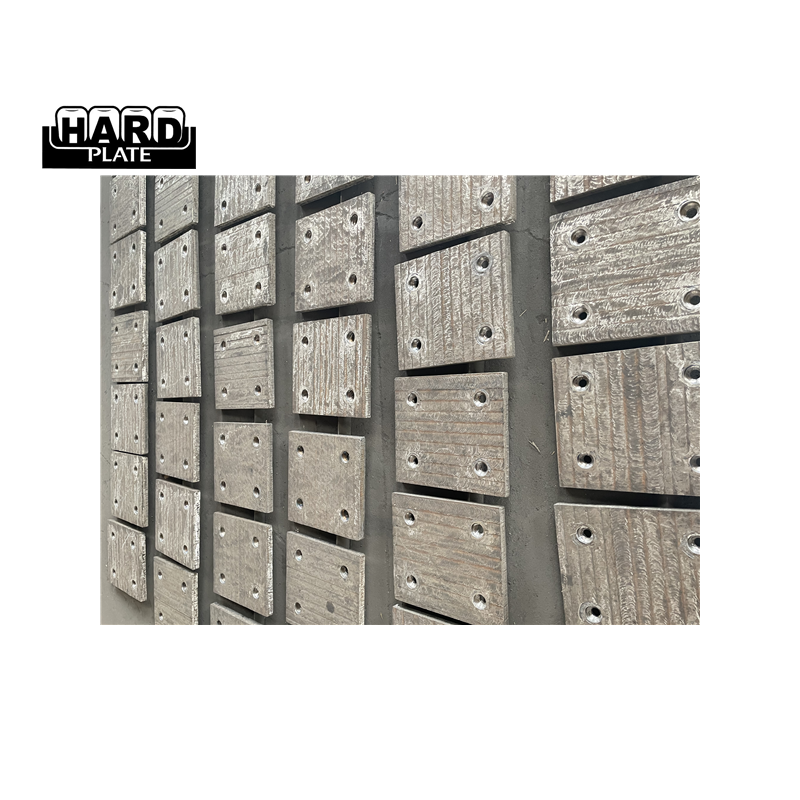
In heavy industrial environments, steel components are constantly exposed to abrasive materials, impact, friction, and demanding operating conditions. Mining equipment handles rock and ore, cement plants process abrasive raw materials, and bulk material handling systems continuously transport coal, minerals, and other solids. Under these conditions, standard steel can wear rapidly, resulting in frequent replacement, unplanned downtime, and higher maintenance costs.
Choosing the right abrasion resistant steel can significantly improve equipment durability and operational reliability. However, selecting a suitable material is not simply a matter of choosing the steel with the highest hardness. The actual working conditions, type of wear, impact level, material characteristics, plate thickness, and fabrication requirements all need to be considered.
This guide explains the key factors industrial buyers and engineers should evaluate when selecting abrasion resistant steel for demanding applications.
What Is Abrasion Resistant Steel?
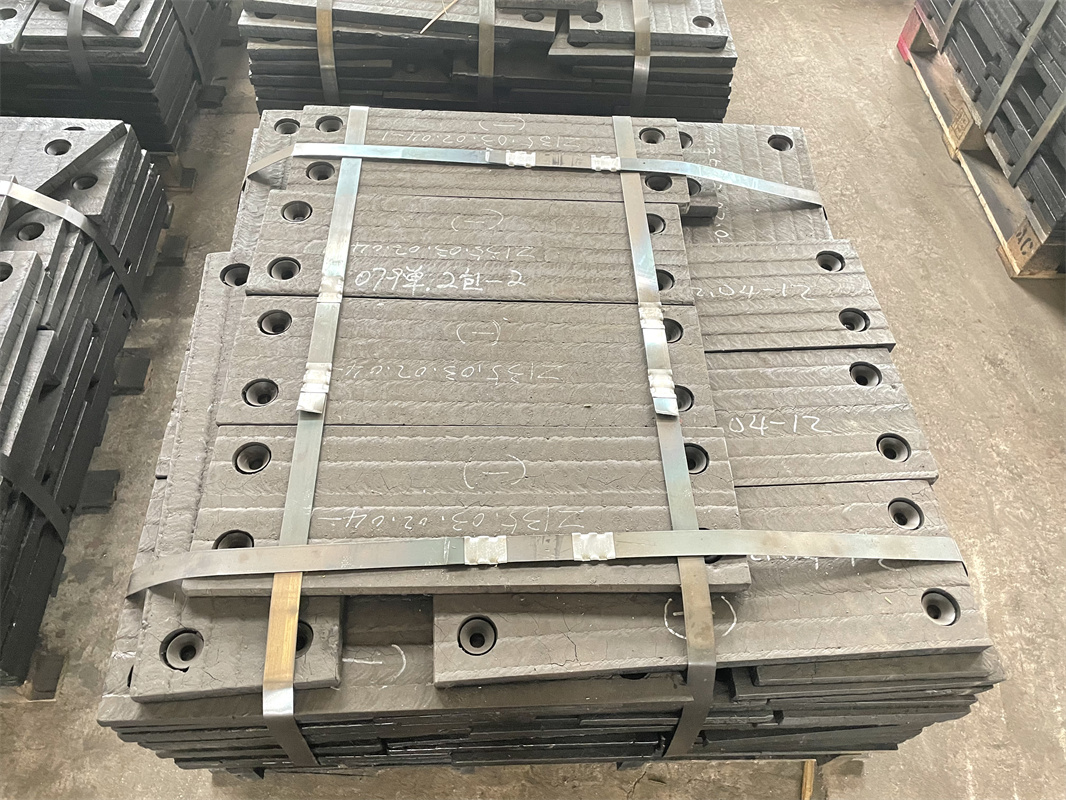
Abrasion resistant steel is a type of steel or wear-resistant material engineered to withstand material loss caused by friction and contact with abrasive substances.
Compared with conventional structural steel, abrasion resistant steel is designed to maintain better resistance against surface wear. Depending on its composition and manufacturing process, it may be used for equipment exposed to sliding abrasion, impact abrasion, erosion, or combinations of different wear mechanisms.
In heavy-duty applications, wear-resistant solutions can include hardened alloy steel, chromium carbide overlay plates, and other hardfacing materials. Chromium carbide overlay, for example, combines a hard wear-resistant surface with a tougher steel substrate, providing a balance between surface wear resistance and structural support.
Hard-plate® manufactures metal-matrix hardfacing wear-resistant steel plates and related wear-resistant materials for industrial applications. Its product range includes CCO wear plates, CCO wear liners, wear-resistant pipes and fittings, and other customized wear components.
Why Material Selection Matters in Heavy Industrial Equipment
Wear is not only a material problem. It can directly affect production efficiency.
When a component wears too quickly, the consequences may include:
-
More frequent component replacement
-
Longer maintenance periods
-
Increased spare-parts consumption
-
Unexpected equipment shutdowns
-
Higher labor and installation costs
-
Reduced production efficiency
-
Increased total cost of ownership
For this reason, industrial buyers should evaluate abrasion resistant steel based on service conditions rather than hardness alone.
A material that performs well in a low-impact abrasive environment may not be suitable for equipment subjected to large impact loads. Similarly, a material optimized for severe abrasion may not be the most practical choice where welding, forming, or machining is required.
1. Identify the Main Type of Wear
The first step is to understand how the material will wear during operation.
Sliding Abrasion
Sliding abrasion occurs when abrasive particles move across a steel surface under pressure. Typical examples include chutes, hoppers, conveyor components, and material transfer systems.
In these applications, surface hardness and abrasion resistance are particularly important because continuous contact gradually removes material from the surface.
Impact Abrasion
Impact abrasion occurs when abrasive materials strike the steel surface with significant force.
Crushers, excavator buckets, mining equipment, and certain material handling components may experience both impact and abrasion. In these cases, selecting a material based only on maximum hardness can be problematic. The material also needs sufficient toughness to withstand repeated impact.
Erosive Wear
Erosive wear occurs when particles move rapidly against a surface, often in a stream of material or fluid.
Wear-resistant pipes, elbows, and other conveying components can experience this type of wear when transporting abrasive materials over extended operating periods.
Understanding the dominant wear mechanism allows engineers to select a material whose properties match the actual application.
2. Evaluate Material Hardness
Hardness is one of the most commonly considered properties when selecting abrasion resistant steel.
A harder surface generally provides better resistance to certain forms of abrasive wear. However, hardness should not be evaluated independently.
For example, a very hard material may not be the ideal solution for equipment exposed to severe impact. If the material lacks sufficient toughness, cracking or premature failure can become a concern.
Chromium carbide overlay plates are commonly designed with a hard carbide-rich surface to provide high abrasion resistance while retaining a steel backing layer for structural support. Hard-plate® CCO products are available in different grades designed for different wear conditions, including low-stress abrasion, medium-impact abrasion, strong-impact abrasion, and elevated-temperature applications.
Therefore, buyers should consider both hardness and the overall wear mechanism when comparing materials.
3. Consider the Abrasive Material
The material being processed can have a major influence on steel selection.
Different materials produce different levels and types of wear. For example:
-
Crushed rock can cause severe impact and abrasion.
-
Sand and silica-rich materials can cause continuous abrasive wear.
-
Coal can create sliding and impact wear in handling systems.
-
Cement raw materials can produce aggressive abrasive conditions.
-
Mineral ores can expose components to both impact and abrasion.
Particle size, hardness, shape, velocity, and loading conditions should all be considered.
Large, sharp particles can create substantially different wear patterns from smaller particles moving at lower speeds. Therefore, two plants using the same equipment may require different wear-resistant solutions because their processed materials and operating conditions are different.
4. Match Plate Thickness to the Application
Thickness is another important consideration when specifying abrasion resistant steel.
A thicker plate can provide additional wear allowance, but simply increasing thickness is not always the most efficient solution. Excessive thickness can increase component weight, affect installation, and potentially increase fabrication costs.
The correct thickness should be determined according to:
-
Expected wear rate
-
Required service life
-
Impact conditions
-
Equipment structure
-
Available installation space
-
Weight limitations
-
Replacement strategy
For CCO wear plates, specifications can combine different base and overlay thicknesses according to application requirements. Hard-plate® lists configurations ranging from relatively thin overlay structures to substantially thicker wear-resistant constructions.
For customized projects, the ideal configuration should be determined according to the actual equipment and operating conditions rather than using a standard thickness for every application.
5. Check the Working Temperature
Temperature can significantly influence material performance.
Some industrial applications involve elevated temperatures, including cement production, metallurgy, power generation, and thermal processing equipment.
If the component operates at elevated temperatures, buyers should confirm that the selected abrasion resistant steel or hardfacing system can maintain its required wear performance under those conditions.
For example, Hard-plate® offers different CCO wear plate grades for specific operating conditions, including products designed for high-temperature abrasive environments.
When requesting a quotation, provide the supplier with the normal operating temperature as well as any temperature peaks that may occur during production.
6. Consider Fabrication and Installation Requirements
Selecting a wear-resistant material is only part of the engineering process. The material must also be compatible with the way the component will be manufactured and installed.
Depending on the project, fabrication requirements may include:
-
Cutting
-
Welding
-
Bending
-
Forming
-
Drilling
-
Bolt-hole preparation
-
Custom profiling
-
Installation into existing equipment
CCO plates, for example, consist of a wear-resistant overlay bonded to a steel substrate. Their fabrication and welding requirements can differ from those of conventional structural steel.
For complex wear components, purchasing pre-fabricated or customized wear parts may also reduce installation work and improve dimensional consistency.
Hard-plate® provides customized wear-resistant products in different dimensions, shapes, and thicknesses to match specific equipment and application requirements.
7. Look Beyond Initial Purchase Price
For industrial applications, the lowest purchase price does not necessarily represent the lowest overall cost.
A better approach is to evaluate total cost of ownership.
Consider the following factors:
Initial material cost + fabrication cost + installation cost + maintenance cost + replacement frequency + downtime cost
A more durable abrasion resistant steel may have a higher initial price but require fewer replacements during the equipment's operating life.
For example, if a liner needs to be replaced several times per year, the cost of labor, production interruptions, transportation, and installation can become much greater than the original material cost.
Therefore, industrial buyers should compare materials based on expected service life and operating costs rather than price per kilogram alone.
Abrasion Resistant Steel vs Chromium Carbide Overlay Plate
For moderate wear conditions, conventional abrasion-resistant alloy steel may be an appropriate solution. However, extremely abrasive applications may require a more specialized hardfacing solution.
Chromium carbide overlay plates use a wear-resistant carbide-rich overlay on a steel substrate. This construction is particularly useful where severe abrasion is the dominant failure mechanism.
A simplified comparison can help illustrate the selection process:
| Factor | Abrasion Resistant Steel | Chromium Carbide Overlay Plate |
|---|---|---|
| General abrasion resistance | High | Very high |
| Impact resistance | Depends on grade | Depends on substrate and design |
| Fabrication | Generally easier | Requires application-specific procedures |
| Severe sliding abrasion | Suitable for many applications | Particularly suitable |
| Complex wear protection | Moderate | Highly customizable |
| Typical applications | Equipment structures, liners, chutes | Crushers, chutes, hoppers, liners, high-wear zones |
The right choice depends on the actual working environment. CCO should not automatically replace every type of abrasion resistant steel; instead, it should be selected when its wear-performance advantages justify the additional material and fabrication considerations.
Common Applications of Abrasion Resistant Steel
Abrasion resistant steel and hardfacing materials are widely used across industries where equipment comes into contact with abrasive materials.
Mining and Quarrying
Mining equipment can experience severe wear from rock, ore, and mineral materials.
Common applications include:
-
Crusher components
-
Mining chutes
-
Hoppers
-
Conveyor systems
-
Excavator components
-
Wear liners
Hard-plate® specifically provides wear-resistant solutions for mining and other heavy industrial applications.
Cement Industry
Cement production involves continuous handling of abrasive raw materials.
Wear-resistant materials can be applied to:
-
Raw mill components
-
Chutes
-
Hoppers
-
Conveying equipment
-
Grinding-related components
Selecting the appropriate wear solution can help reduce maintenance frequency in high-wear areas.
Steel and Metallurgy
Steel plants handle high-temperature materials, minerals, slag, and other abrasive substances.
Depending on the process, equipment may require a combination of abrasion resistance, impact resistance, and temperature resistance.
Power Generation
Coal handling and pulverizing systems can expose equipment to continuous abrasive wear.
Wear-resistant liners, plates, and customized hardfacing components can be used in high-wear areas to protect the underlying equipment.
A Practical Checklist for Industrial Buyers
Before ordering abrasion resistant steel, provide your supplier with as much application information as possible.
A useful specification checklist includes:
-
Application: What equipment will the material be used for?
-
Abrasive material: What material is being processed?
-
Particle size: How large are the abrasive particles?
-
Wear mechanism: Is the application dominated by sliding abrasion, impact, erosion, or a combination?
-
Material flow: What are the approximate speed and throughput?
-
Impact level: Does the equipment experience repeated heavy impact?
-
Operating temperature: What are the normal and maximum temperatures?
-
Required service life: How long should the component operate before replacement?
-
Dimensions: What thickness, length, width, and shape are required?
-
Fabrication: Will the material need to be cut, welded, bent, drilled, or otherwise processed?
-
Installation: Will the component be welded, bolted, or mechanically attached?
-
Maintenance conditions: How frequently can the equipment be shut down for replacement?
The more complete the application information, the easier it is for a wear-resistant material manufacturer to recommend an appropriate solution.
Why Customization Can Improve Wear Protection
Industrial equipment rarely operates under identical conditions. Even within the same industry, wear patterns can vary significantly between different locations on the same machine.
A chute may experience severe abrasion at its material impact point but relatively low wear farther downstream. A crusher liner may experience both impact and sliding abrasion. A pipe elbow may wear more quickly than a straight section because of changes in material flow direction.
This is why customized wear protection can be more effective than applying the same material and thickness throughout an entire machine.
Customized CCO wear plates and wear parts can be designed according to the dimensions, geometry, and specific wear zones of the equipment. Hard-plate® offers customized dimensions, shapes, and thicknesses for different industrial wear applications.
Final Thoughts
Choosing the right abrasion resistant steel requires more than comparing hardness values or material prices. Industrial buyers should first understand the actual wear mechanism, abrasive material, impact conditions, operating temperature, required service life, and fabrication requirements.
For general wear applications, an appropriate abrasion-resistant alloy steel may provide a practical balance of wear resistance, toughness, and fabricability. For extremely abrasive environments, chromium carbide overlay and other hardfacing solutions may provide additional protection.
The most effective approach is to select the material according to the complete operating environment, then evaluate its expected service life and total cost of ownership.
For mining, cement, metallurgy, power generation, and bulk material handling applications, a specialized wear-resistant manufacturer can help evaluate the working conditions and develop a suitable plate, liner, pipe, or customized wear component.
Hard-plate® specializes in metal-matrix hardfacing wear-resistant steel plates and wear-resistant materials, with products and customized solutions designed for demanding industrial wear applications.
Table of Contents
- What Is Abrasion Resistant Steel?
- Why Material Selection Matters in Heavy Industrial Equipment
- 1. Identify the Main Type of Wear
- 2. Evaluate Material Hardness
- 3. Consider the Abrasive Material
- 4. Match Plate Thickness to the Application
- 5. Check the Working Temperature
- 6. Consider Fabrication and Installation Requirements
- 7. Look Beyond Initial Purchase Price
- Abrasion Resistant Steel vs Chromium Carbide Overlay Plate
- Common Applications of Abrasion Resistant Steel
- A Practical Checklist for Industrial Buyers
- Why Customization Can Improve Wear Protection
- Final Thoughts