Wear Buttom for Reliable Wear Protection

All Categories

Wear Buttom

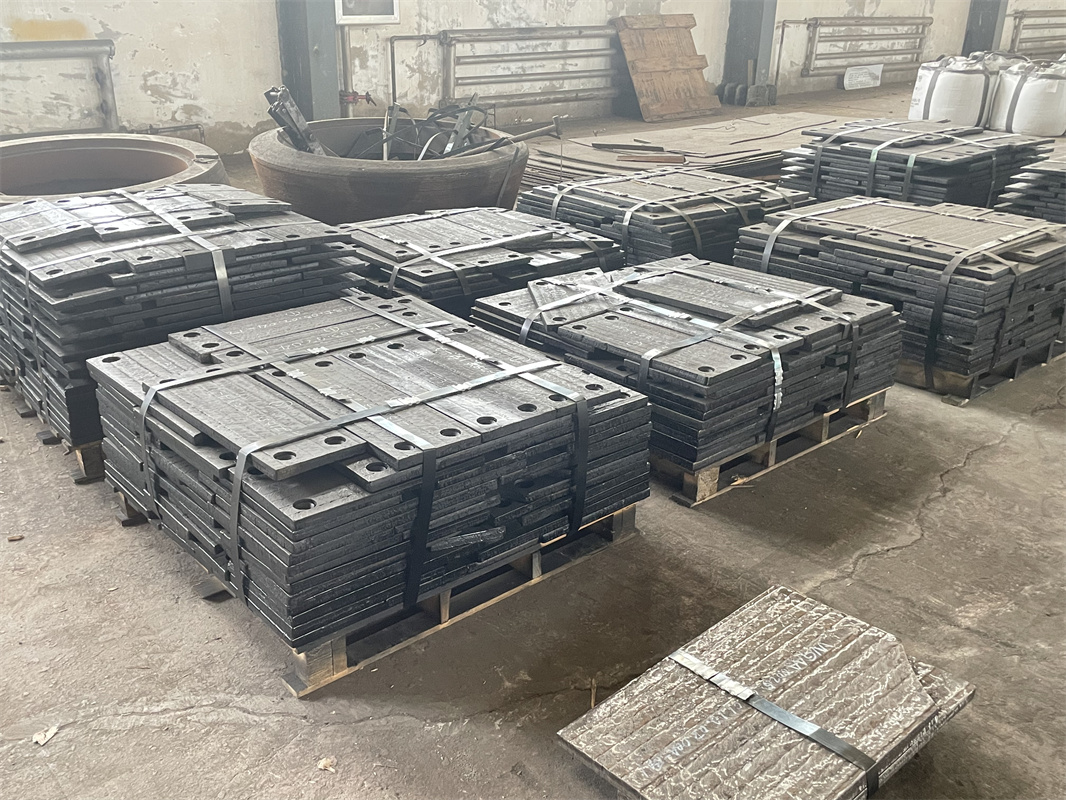
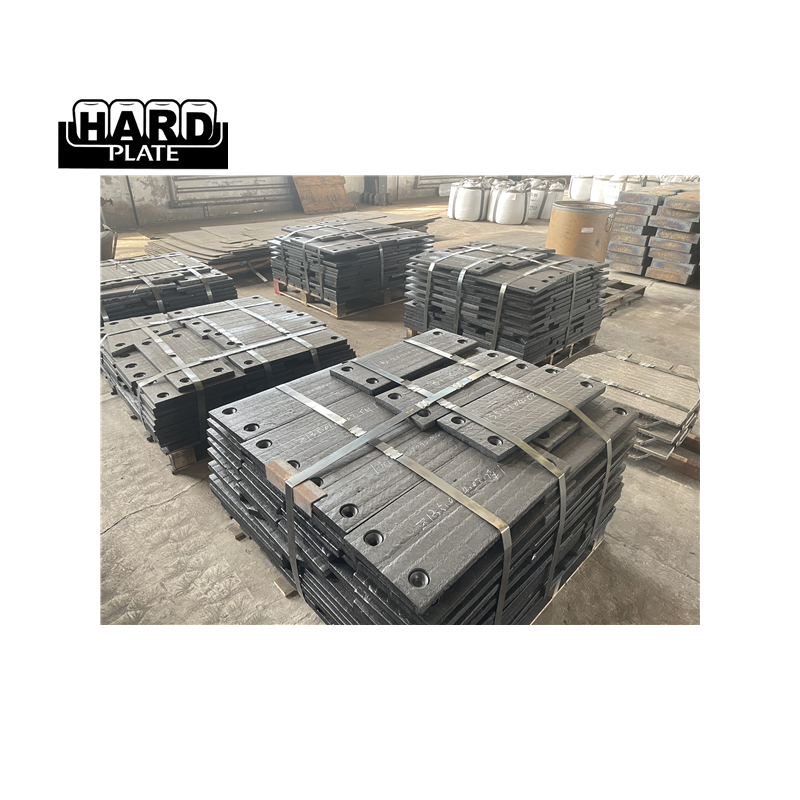
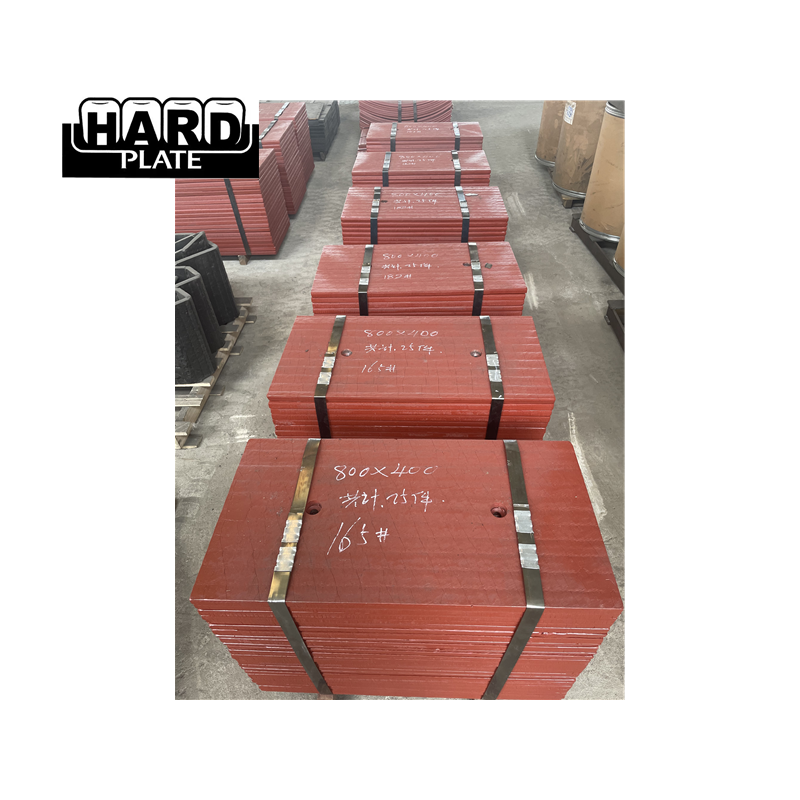
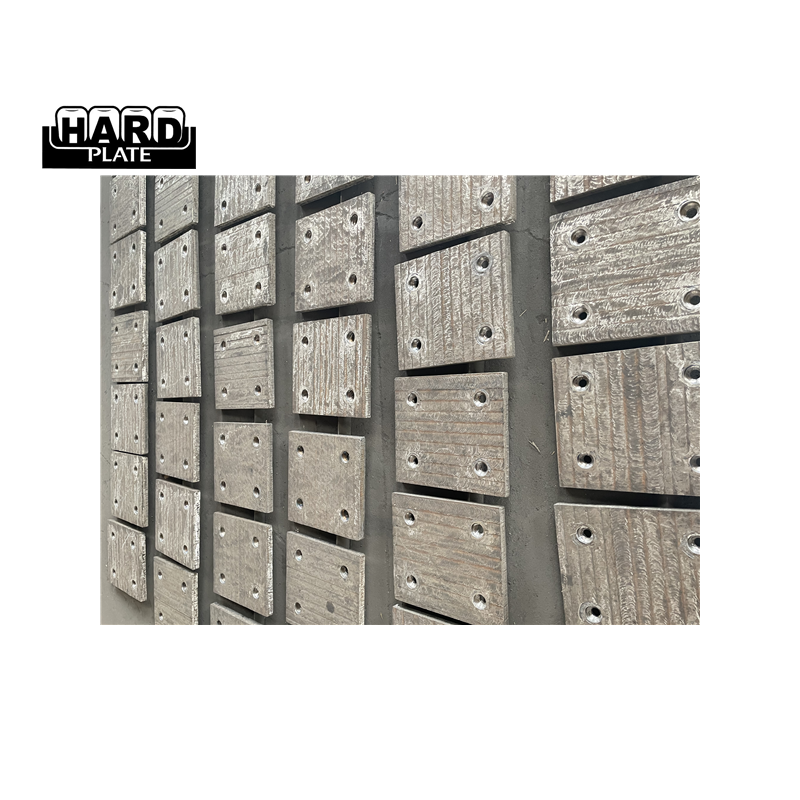
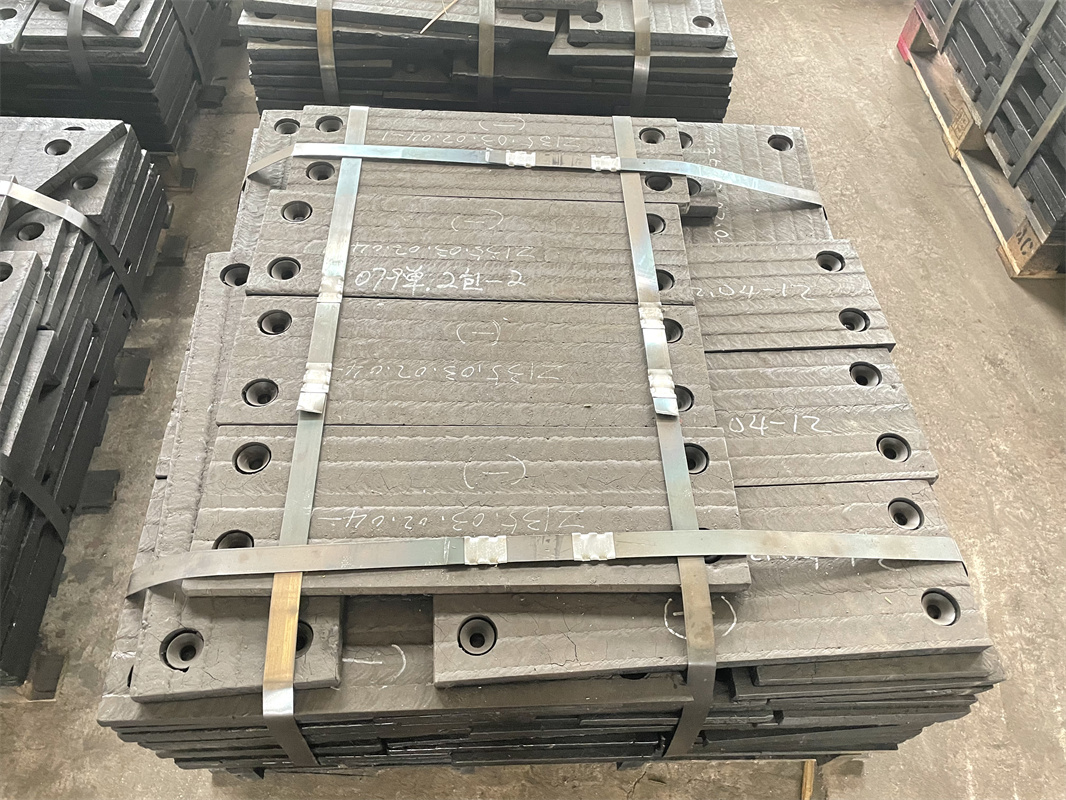
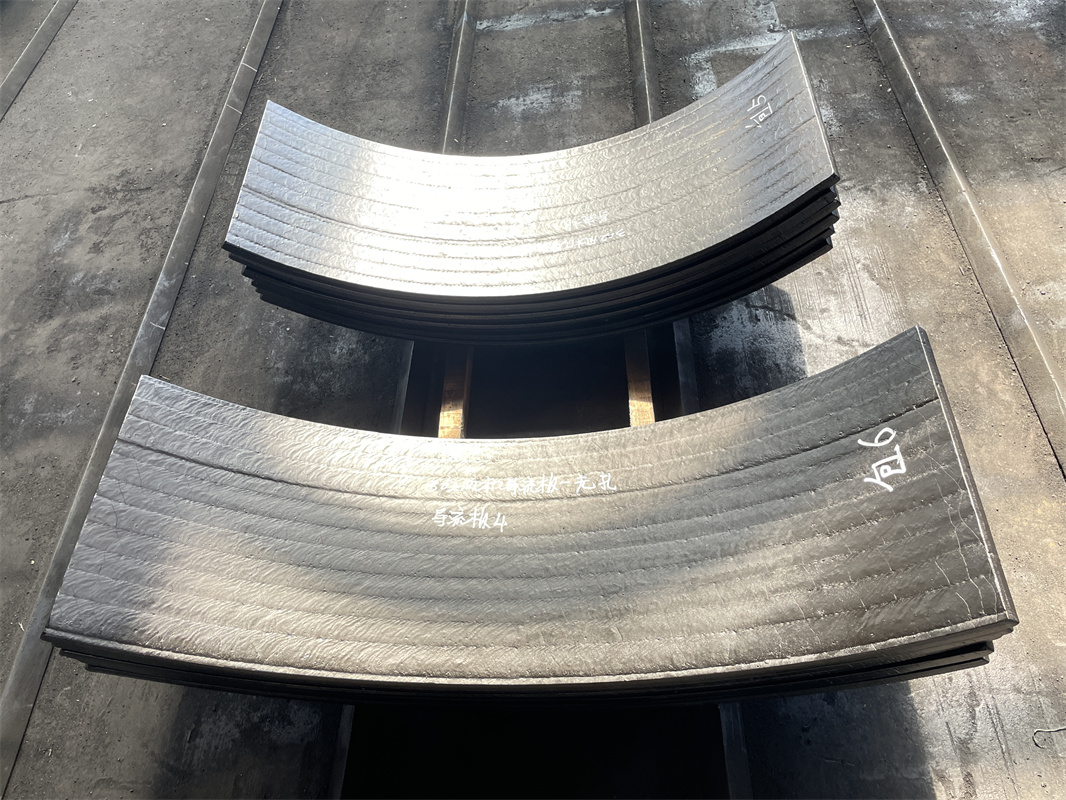
Wear Buttom is a replaceable wear protection component designed to shield high contact areas from abrasion, impact, and surface damage. A Wear Buttom is commonly fitted to buckets, chutes, hoppers, cutting edges, conveyor parts, and other equipment that handles rock, soil, ore, sand, or bulk materials. Its main function is simple: it takes the daily punishment so the main machine body remains usable for longer. Each Wear Buttom can be positioned at a point that receives concentrated wear, helping distribute contact forces and reduce costly metal loss. Depending on the design, the component may use hardened steel, alloy material, or a reinforced composite selected for demanding service. A Wear Buttom normally uses a secure bolt, weld, pin, or interlocking fitting, allowing operators to replace worn parts without rebuilding the complete structure. The right Wear Buttom can also improve material flow by protecting edges and maintaining the intended shape of working surfaces. In mining and quarrying, a Wear Buttom helps equipment handle abrasive loads during loading, crushing, screening, and transport. In construction, it supports buckets, blades, and attachments used on hard ground. In recycling, agriculture, dredging, and bulk handling, the component protects equipment exposed to repeated contact with rough materials. A Wear Buttom may be selected by size, thickness, hardness, mounting method, and operating condition. Buyers should match the design to load intensity, material type, machine model, and replacement access. With suitable selection, Wear Buttom protection supports safer, steadier, and more economical operation.

New Product Recommendations

The biggest advantage of a Wear Buttom is practical protection. Instead of allowing the bucket, chute, or structural edge to wear away, the component receives the contact and can be changed when necessary. This helps buyers preserve expensive base equipment and avoid full-section repairs. A Wear Buttom also gives maintenance teams a clear replacement point. Workers can inspect visible parts, plan service during scheduled downtime, and restore protection before damage reaches the main body. That approach reduces unexpected stoppages and makes maintenance spending easier to forecast. By using a Wear Buttom in high-wear locations, operators can keep working surfaces closer to their original shape. Equipment may then load, move, guide, or discharge material more consistently. Stable geometry can support better productivity, lower material loss, and more predictable machine behavior. The product suits operations that face abrasive rock, sharp scrap, frozen soil, gravel, sand, or other harsh loads. A Wear Buttom can be selected for light, moderate, or severe duty, so customers do not need one oversized solution for every application. Buyers should compare material grade, dimensions, fixing style, expected impact, and access to replacement parts. A well-matched Wear Buttom can deliver longer service intervals, but performance still depends on correct installation and timely inspection. The component also improves operational value by limiting wear-related deformation. Fewer emergency repairs can protect delivery schedules and reduce labor disruption. For fleet owners, standardized Wear Buttom sizes may simplify stocking and training across several machines. For contractors, replaceable protection can help extend attachment life between projects. In short, Wear Buttom offers a focused way to protect capital equipment, control maintenance work, and maintain dependable output without replacing an entire working assembly.

Practical Tips

What to Look for When Buying High-Quality Chrome Carbide Plates (A Buyer’s Guide)

17

Jun

What to Look for When Buying High-Quality Chrome Carbide Plates (A Buyer’s Guide)

Chrome Carbide Plate Composition and Manufacturing ProcessWhy Chromium Carbide Hardness (HRC 60–70) Is Critical for Wear ResistanceChrome carbide plate performance hinges on surface hardness—measured on the Rockwell C scale (HRC)—with optimal wear re...
View More
Wear Resistant Grinding Roller and Table: Materials, Performance, and Service Life

27

Oct

Wear Resistant Grinding Roller and Table: Materials, Performance, and Service Life

Vertical grinding mills and other grinding systems operate under continuous mechanical pressure and abrasive conditions. During operation, raw materials are compressed, crushed, and ground between rotating grinding tables and grinding rollers. When t...
View More
Chromium Carbide Plate: Features, Benefits, and Industrial Applications

27

Oct

Chromium Carbide Plate: Features, Benefits, and Industrial Applications

Heavy industrial equipment is often exposed to severe abrasion from rocks, minerals, coal, cement raw materials, sand, and other abrasive materials. Over time, continuous contact with these materials can cause significant surface wear, reducing compo...
View More
How to Choose Abrasion Resistant Steel for Heavy Industrial Applications

27

Oct

How to Choose Abrasion Resistant Steel for Heavy Industrial Applications

In heavy industrial environments, steel components are constantly exposed to abrasive materials, impact, friction, and demanding operating conditions. Mining equipment handles rock and ore, cement plants process abrasive raw materials, and bulk mater...
View More

Get a Free Quote

Our representative will contact you soon.
Name
Email
Tel / WhatsApp
Company Name
Message
0/1000

Wear Buttom

Targeted Protection Where Wear Starts

Targeted Protection Where Wear Starts

A key strength of Wear Buttom is its ability to protect the exact locations that suffer the most contact. Instead of adding heavy material across a complete bucket or chute, the operator places a Wear Buttom on the leading edge, corner, floor, or impact zone that meets abrasive material first. This focused design can reduce unnecessary weight while preserving the underlying structure. It also makes inspection easier because wear is visible on a replaceable part rather than hidden across the machine body. For applications involving rock, ore, gravel, or demolition debris, a Wear Buttom creates a practical barrier between the load and the equipment. The selected shape can help maintain edge definition and support smoother material movement. Customers gain protection without redesigning the whole attachment. When wear patterns change, the position or configuration can be adjusted for the next operating cycle. That flexibility makes Wear Buttom a useful choice for mixed workloads and changing site conditions.
Replaceable Design Cuts Maintenance Disruption

Replaceable Design Cuts Maintenance Disruption

Wear Buttom supports a more controlled maintenance routine because operators can replace the worn protection part instead of repairing or discarding the main equipment section. The mounting method may use bolts, pins, welding, or another approved connection, depending on the machine and working load. A replaceable Wear Buttom lets teams prepare the correct spare, arrange labor, and complete service during planned downtime. This can reduce the risk of a small worn area becoming a major crack, distorted edge, or structural repair. The benefit is especially important for mines, quarries, and contractors that cannot afford long equipment delays. A Wear Buttom can also simplify inspection records. Teams can track service time, operating hours, and wear rate to improve future purchasing decisions. Customers should confirm fit and installation instructions before ordering, since secure attachment directly affects service life. With proper fitting and regular checks, Wear Buttom protection helps turn reactive maintenance into a more predictable process.
Built for Demanding Material Handling

Built for Demanding Material Handling

Another important selling point of Wear Buttom is application flexibility. The component can be specified for equipment that handles abrasive, heavy, sharp, or impact-heavy material. A properly selected Wear Buttom helps mining loaders, quarry buckets, screening systems, transfer chutes, dredging tools, recycling attachments, and agricultural handling equipment withstand repeated contact. Material choice, thickness, hardness, and profile can be matched to the working environment. For high-impact service, buyers may prioritize toughness and secure retention. For constant sliding abrasion, they may favor a wear-resistant surface and suitable thickness. This selection approach gives customers a clearer path to value than choosing a generic part. Wear Buttom performance can also support consistent equipment dimensions, which matters when an edge must cut, scoop, guide, or discharge material accurately. The result is a practical balance between protection, service life, and manageable replacement cost. Customers receive a component designed around real operating conditions rather than a one-size-fits-all promise.

Copyright © Shenyang Hard Welding Surface Engineering Co., ltd.  -  Privacy policy