
 EN
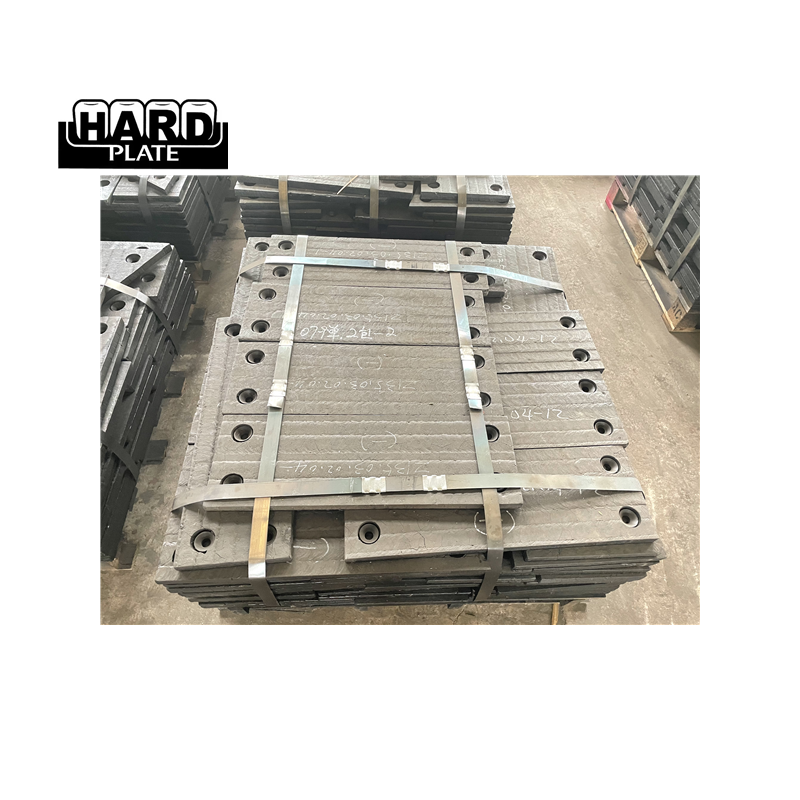
Industrial piping systems that transport abrasive materials can experience severe internal wear over time. Slurry, ore, coal, sand, mineral concentrates, and other solid particles can continuously impact or slide against the inner pipe wall, gradually reducing its thickness and increasing the risk of leakage or failure.
A properly selected wear resistant pipe can help extend pipeline service life and reduce maintenance requirements in demanding material handling and processing environments.
However, wear resistant pipes are not a one-size-fits-all solution. The appropriate pipe construction depends on the transported material, particle size, flow velocity, concentration, temperature, pressure, pipe geometry, and dominant wear mechanism.
For mining, mineral processing, cement, power generation, steel production, and other heavy industries, understanding these factors is essential when selecting a pipe for long-term abrasive service.
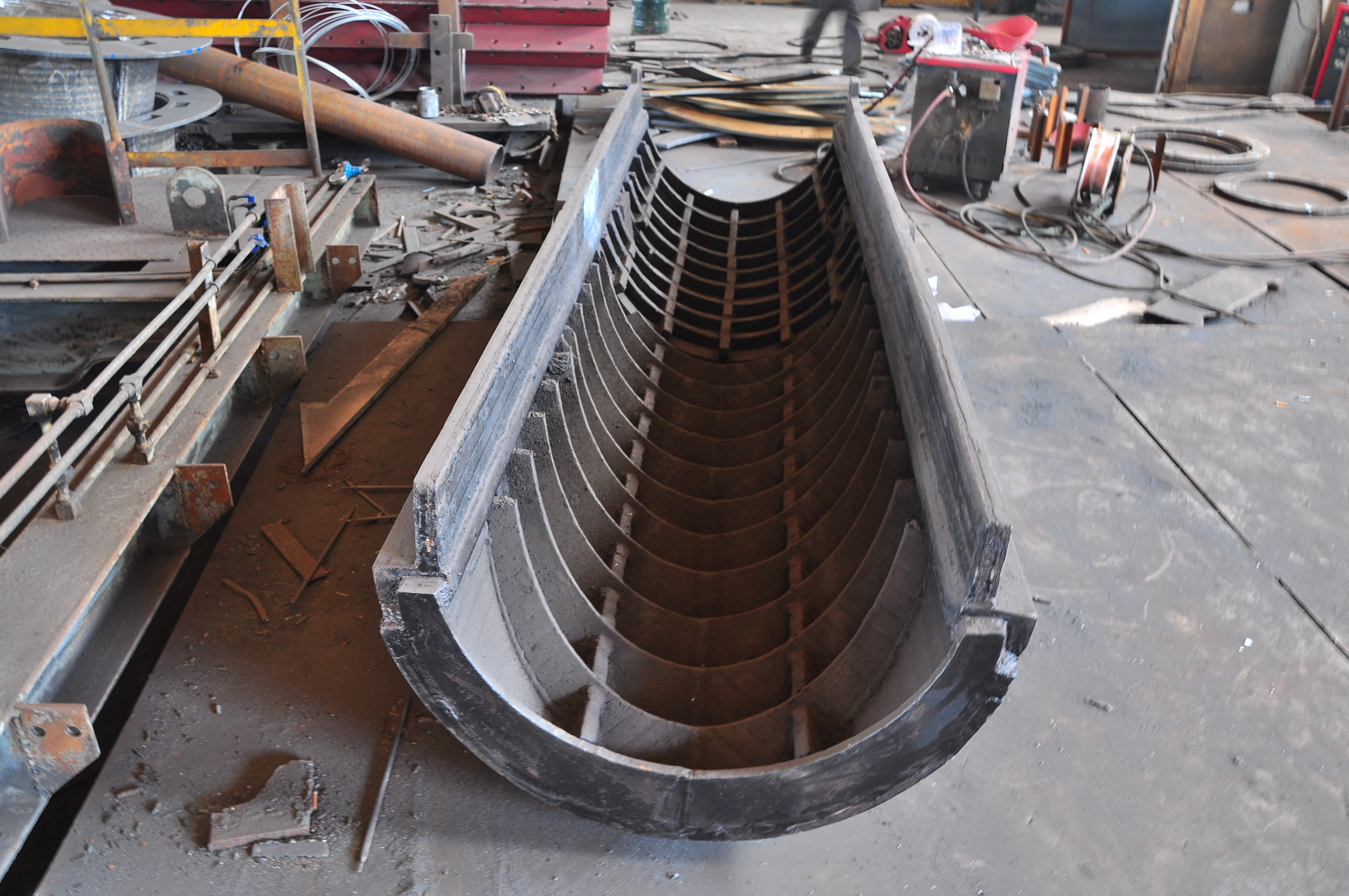
What Is a Wear Resistant Pipe?
A wear resistant pipe is an industrial pipe designed to withstand material loss caused by abrasion, impact, erosion, or a combination of these mechanisms.
Unlike conventional piping, wear resistant pipes are specifically engineered for applications where the transported material can rapidly degrade ordinary steel or other standard pipe materials.
Depending on the application, wear resistant pipe solutions may use:
-
Abrasion resistant steel
-
Chromium carbide overlay
-
High-chromium alloy materials
-
Ceramic lining
-
Rubber lining
-
Composite structures
-
Specialized alloy pipe materials
The objective is to provide a durable internal surface while maintaining the structural and pressure requirements of the pipe.
Why Wear Resistant Pipe Is Important
Pipelines used in heavy industry may operate continuously for thousands of hours.
When abrasive particles pass through the pipe, they can cause progressive internal material loss.
Common consequences of excessive pipe wear include:
-
Reduced wall thickness
-
Leakage
-
Unplanned shutdowns
-
Increased maintenance
-
Frequent pipe replacement
-
Material loss
-
Safety risks
-
Higher operating costs
These problems can be particularly serious in slurry transportation and mineral processing, where pipelines may be difficult to access or expensive to replace.
A suitable wear resistant pipe can increase service intervals and improve overall system reliability.
Common Applications of Wear Resistant Pipe
Wear resistant pipes are used across a wide range of industrial applications.
Mining and Mineral Processing
Mining operations frequently transport highly abrasive materials.
Typical applications include:
-
Ore slurry pipelines
-
Tailings systems
-
Concentrate transportation
-
Mineral transfer lines
-
Hydraulic conveying systems
Hard mineral particles can rapidly wear conventional steel pipes, making wear resistance a critical design consideration.
Cement and Concrete Production
Cement plants handle abrasive raw materials throughout multiple stages of production.
Wear resistant pipes can be used for:
-
Raw material transfer
-
Powder conveying
-
Dust transportation
-
Cement processing systems
-
Abrasive material discharge
Coal Handling
Coal preparation and power generation systems may transport coal, ash, and other solid particles.
Wear-resistant piping can help protect high-wear sections of:
-
Pneumatic conveying systems
-
Slurry systems
-
Ash handling equipment
-
Material transfer lines
Steel and Metallurgical Plants
Steel production involves abrasive materials such as slag, sintered materials, ore, and other mineral-based substances.
Wear resistant pipes can be used where these materials are transported at high velocity or under demanding operating conditions.
Sand and Aggregate Processing
Sand, gravel, crushed stone, and other aggregates can create significant internal pipe wear.
Wear-resistant piping can help extend the service life of:
-
Sand conveying systems
-
Aggregate processing lines
-
Slurry pipelines
-
Transfer systems
1. Identify the Transported Material
The first step in selecting a wear resistant pipe is understanding what will flow through it.
Important characteristics include:
-
Material type
-
Material hardness
-
Particle size
-
Particle shape
-
Density
-
Concentration
-
Moisture content
-
Temperature
Hard and angular particles can cause more aggressive abrasion than softer or rounded particles.
For slurry systems, the solid concentration can also have a significant effect on wear.
The manufacturer should receive as much material information as possible before recommending a pipe configuration.
2. Determine the Main Wear Mechanism
Different operating conditions produce different types of pipe wear.
Sliding Abrasion
Sliding abrasion occurs when solid particles move along the inner pipe surface.
It is common in slurry and bulk material transportation.
The continuous movement of abrasive particles can gradually remove material from the internal wall.
Impact Wear
Impact wear occurs when particles strike the pipe wall with significant force.
It is often concentrated at:
-
Pipe bends
-
Elbows
-
Junctions
-
Discharge points
-
Changes in flow direction
Impact can be particularly severe when large particles are transported at high velocity.
Erosive Wear
Fine particles moving rapidly through the pipe can cause erosive wear.
This is especially relevant in pneumatic conveying and high-velocity material transportation.
Combined Wear
Many industrial pipelines experience both abrasion and impact.
For example, a straight section may experience predominantly sliding abrasion, while an elbow may experience severe directional impact.
This means different sections of the same pipeline may require different wear protection strategies.
3. Consider Flow Velocity
Flow velocity is one of the most important variables in pipe wear.
As material velocity increases, the frequency and energy of particle contact with the pipe wall can increase.
When evaluating a wear resistant pipe, consider:
-
Normal flow velocity
-
Maximum velocity
-
Start-up and shutdown conditions
-
Material throughput
-
Flow direction
-
Changes in velocity
High velocity can be especially damaging at elbows and other areas where flow direction changes.
Providing accurate flow data helps the manufacturer evaluate expected wear conditions.
4. Evaluate Particle Size and Shape
Particle characteristics have a direct effect on internal pipe wear.
Large particles can generate greater impact energy.
Sharp particles can produce cutting and gouging effects.
Fine particles can create continuous erosive contact when transported at high velocity.
Important parameters include:
-
Average particle size
-
Maximum particle size
-
Particle size distribution
-
Particle shape
-
Particle hardness
For mineral slurry applications, these factors should be considered together with slurry concentration and flow velocity.
5. Consider Slurry Concentration
For slurry pipelines, the ratio of solids to liquid can significantly affect wear.
A higher concentration of abrasive particles can increase the number of particle-wall interactions.
When specifying a wear resistant pipe for slurry transportation, provide:
-
Solid concentration
-
Liquid type
-
Particle density
-
Particle size
-
Flow velocity
-
Operating pressure
This information can help determine the appropriate internal wear protection.
6. Select the Appropriate Pipe Material
Different wear resistant pipe materials provide different combinations of abrasion resistance, toughness, weight, and fabrication characteristics.
Abrasion Resistant Steel Pipe
Abrasion resistant steel can provide a balance between wear resistance and structural strength.
It may be suitable for applications where the pipe must withstand both abrasion and mechanical loading.
Chromium Carbide Overlay Pipe
Chromium carbide overlay can provide a highly wear-resistant internal surface for severe abrasive conditions.
It is particularly relevant where continuous contact with hard abrasive particles creates rapid material loss.
Ceramic Lined Pipe
Ceramic materials can provide extremely high resistance to certain forms of abrasive wear.
They may be considered for applications where extreme wear resistance is required and the operating conditions are compatible with ceramic construction.
Rubber Lined Pipe
Rubber lining can provide useful protection in selected slurry and impact applications.
Its suitability depends on factors such as temperature, chemical compatibility, particle characteristics, and pressure.
The correct material should always be selected according to the complete operating environment.
7. Determine the Required Pipe Wall Thickness
Pipe thickness needs to satisfy both structural and wear requirements.
The required thickness depends on:
-
Internal pressure
-
External loading
-
Pipe diameter
-
Operating temperature
-
Expected wear rate
-
Required service life
-
Safety requirements
A thicker pipe provides more material allowance, but simply increasing wall thickness may not be the most economical solution.
For severe abrasive conditions, a dedicated wear-resistant layer can provide more effective protection than relying solely on additional structural steel thickness.
The final design should consider both mechanical requirements and expected material loss.
8. Consider Pipe Diameter
Pipe diameter affects material velocity and system flow characteristics.
Changing the diameter can influence:
-
Flow velocity
-
Pressure loss
-
Throughput
-
Particle movement
-
Wear distribution
A smaller diameter may increase flow velocity under certain operating conditions, potentially increasing wear.
A larger diameter may reduce velocity but can affect system cost and installation requirements.
Therefore, pipe diameter should be considered as part of the complete conveying system rather than selected independently.
9. Pay Special Attention to Elbows
Straight pipe sections and elbows can experience very different wear patterns.
When abrasive material changes direction, particles can strike the outer radius of an elbow with significant force.
As a result, elbows often become high-wear areas.
When selecting wear resistant pipe components, evaluate:
-
Elbow radius
-
Flow direction
-
Particle velocity
-
Particle size
-
Impact angle
-
Material concentration
In severe applications, reinforced elbows or specialized wear-resistant elbow designs may be required.
10. Evaluate Flanges and Connections
The connection between pipe sections can become a potential weak point if not properly designed.
Consider:
-
Flange configuration
-
Connection dimensions
-
Bolt arrangement
-
Sealing method
-
Internal lining continuity
-
Alignment
The wear protection should not create an abrupt internal transition that interferes with material flow.
Proper alignment can also help reduce localized turbulence and wear around connections.
11. Consider Temperature
Operating temperature can affect the selection of both pipe material and internal lining.
Some industrial systems transport materials at elevated temperatures.
Potential applications include:
-
Hot ash handling
-
Metallurgical processes
-
Cement production
-
High-temperature mineral processing
Before selecting the pipe, determine:
-
Normal temperature
-
Maximum temperature
-
Exposure duration
-
Temperature fluctuations
Materials and lining systems should be evaluated for their suitability under the actual thermal conditions.
12. Evaluate Corrosion
Some pipelines experience corrosion in addition to abrasion.
This is particularly relevant to slurry transportation and chemical processing environments.
Potential factors include:
-
Fluid chemistry
-
pH
-
Chlorides
-
Chemical additives
-
Moisture
-
Temperature
If both abrasion and corrosion are present, selecting a solution based only on abrasion resistance may not provide the desired service life.
The material should be evaluated for the combined environment.
13. Consider Pressure Requirements
Wear resistance does not replace the need for structural integrity.
The pipe must also withstand the required internal and external loads.
Before procurement, determine:
-
Operating pressure
-
Maximum pressure
-
Pressure fluctuations
-
Pipe diameter
-
Connection type
-
Required safety margin
The wear layer, substrate, and connection design should work together to meet the mechanical requirements of the system.
14. Evaluate Pipe Bending and Fabrication
Some projects require pipes to be:
-
Cut
-
Bent
-
Welded
-
Drilled
-
Flanged
-
Prefabricated
The selected wear-resistant material must be compatible with the required fabrication process.
This is particularly important for composite and hardfaced pipes.
Fabrication procedures should be discussed with the manufacturer before production to avoid damage to the wear-resistant layer or unnecessary rework.
15. Check Internal Surface Quality
Internal surface condition can affect both service life and material flow.
Before accepting the pipe, inspect for:
-
Cracks
-
Excessive surface defects
-
Irregular lining
-
Delamination
-
Abnormal porosity
-
Dimensional deviations
-
Internal obstructions
For lined pipes, the continuity and integrity of the internal wear layer should be checked according to the applicable inspection requirements.
A smooth and consistent internal surface can also help maintain predictable flow behavior.
16. Evaluate Wear Layer Thickness
For composite or hardfaced pipes, the wear layer thickness is an important specification.
Confirm:
-
Nominal thickness
-
Minimum thickness
-
Thickness tolerance
-
Measurement method
-
Distribution along the pipe
Thickness may need to vary according to the wear conditions.
For example, elbows or high-impact sections may require additional wear protection compared with straight sections.
17. Consider Pipe Layout
The overall pipeline design can strongly influence wear.
When reviewing a pipeline, consider:
-
Number of elbows
-
Elbow radius
-
Pipe length
-
Elevation changes
-
Flow direction
-
Branch connections
-
Material velocity
-
High-wear locations
Reducing unnecessary changes in flow direction can sometimes reduce localized wear.
Where directional changes are unavoidable, specialized wear-resistant components can be used to protect critical areas.
18. Evaluate Expected Service Life
A wear resistant pipe should be selected according to the required operating period.
The target may be defined as:
-
Operating hours
-
Tons transported
-
Months of operation
-
Scheduled maintenance intervals
For critical pipelines, service life should ideally align with planned shutdown schedules.
A pipe that lasts significantly longer than the maintenance interval can reduce replacement frequency and improve system availability.
19. Compare Lifecycle Cost
The lowest purchase price does not necessarily represent the lowest overall cost.
A more complete calculation includes:
Pipe cost + fabrication + installation + maintenance + replacement + downtime
A higher-performance pipe may have a higher initial cost but provide:
-
Longer service life
-
Fewer replacements
-
Lower maintenance labor
-
Reduced leakage risk
-
Less downtime
For high-throughput industrial systems, lifecycle cost is often more important than initial purchase price.
20. Review Supplier Manufacturing Capability
Supplier capability is particularly important for customized wear resistant pipes.
When evaluating a manufacturer, consider:
-
Wear-resistant material technology
-
Pipe manufacturing experience
-
Hardfacing capability
-
Lining technology
-
Fabrication capacity
-
Quality-control procedures
-
Dimensional inspection
-
Testing capabilities
-
Customization support
The supplier should be able to manufacture the pipe according to the required dimensions, wear layer specifications, and application conditions.
Wear Resistant Pipe Selection Checklist
Before requesting a quotation, industrial buyers should prepare the following information:
| Parameter | Information to Provide |
|---|---|
| Application | Mining, cement, power, steel, etc. |
| Transported material | Ore, slurry, coal, sand, etc. |
| Particle size | Average and maximum |
| Particle hardness | Available material data |
| Solid concentration | For slurry applications |
| Flow velocity | Normal and maximum |
| Operating pressure | Normal and maximum |
| Temperature | Normal and maximum |
| Pipe diameter | Required ID or OD |
| Pipe length | Required section length |
| Wear mechanism | Abrasion, impact, erosion, etc. |
| Pipeline geometry | Straight, elbow, branch, etc. |
| Required service life | Hours, months, or tons |
| Connection | Flange, welding, coupling, etc. |
| Wear layer | Required material and thickness |
| Fabrication | Cutting, bending, welding, etc. |
Providing these details allows the manufacturer to recommend a more suitable pipe construction.
Common Mistakes When Selecting Wear Resistant Pipe
Choosing Only by Hardness
Hardness is important, but it does not represent the complete performance of a pipe.
Impact resistance, substrate properties, thickness, and operating conditions also matter.
Ignoring Flow Velocity
High flow velocity can significantly accelerate abrasive and erosive wear.
Treating Every Pipe Section the Same
Elbows, transfer points, and straight sections can experience very different wear conditions.
Selecting Wall Thickness Without Considering Wear
Structural thickness and wear allowance are related but should not be treated as the same design parameter.
Ignoring Temperature and Corrosion
Abrasion may not be the only degradation mechanism in an industrial pipeline.
Focusing Only on Initial Price
A cheaper pipe may require more frequent replacement and create higher maintenance costs.
Failing to Provide Application Data
Without information about material, velocity, pressure, and particle characteristics, it is difficult to make an accurate wear-resistant pipe recommendation.
When Is a Customized Wear Resistant Pipe Appropriate?
Customized piping can be beneficial when standard products cannot adequately match the operating conditions.
Customization may include:
-
Specific pipe diameter
-
Customized wall thickness
-
Special wear layer thickness
-
Reinforced elbows
-
Prefabricated sections
-
Custom flange dimensions
-
Different wear materials for different zones
-
Engineered pipeline components
This approach can reduce field fabrication and help place additional protection in the areas most exposed to wear.
How to Improve Wear Resistant Pipe Performance
Selecting the correct material is only part of the solution.
Pipeline performance can also be improved through:
Optimized Flow Design
Reducing unnecessary turbulence and abrupt directional changes can help control localized wear.
Strategic Protection
High-wear areas such as elbows and transfer points can receive additional protection.
Regular Inspection
Monitoring wall thickness and wear progression can help identify potential failures before they become critical.
Predictive Replacement
Replacing pipes according to measured wear rates rather than fixed assumptions can improve maintenance planning.
Application-Based Material Selection
Different sections of the same pipeline may benefit from different wear-resistant materials according to their operating conditions.
Conclusion
A wear resistant pipe is an important component in industrial systems that transport abrasive materials.
Selecting the right pipe requires consideration of the transported material, particle size, hardness, concentration, flow velocity, impact conditions, temperature, pressure, corrosion environment, pipe geometry, and required service life.
The appropriate solution may involve abrasion resistant steel, chromium carbide overlay, ceramic lining, rubber lining, or another specialized material depending on the application.
For demanding industrial pipelines, the most effective approach is to evaluate the entire system rather than focusing on a single material property. Straight pipes, elbows, connections, and transfer sections may experience different wear mechanisms and therefore require different levels of protection.
By combining application-specific material selection, appropriate wear-layer design, accurate dimensional control, and lifecycle cost analysis, industrial operators can improve pipeline reliability, reduce maintenance frequency, and achieve more predictable long-term performance.
Table of Contents
- What Is a Wear Resistant Pipe?
- Why Wear Resistant Pipe Is Important
- Common Applications of Wear Resistant Pipe
- 1. Identify the Transported Material
- 2. Determine the Main Wear Mechanism
- 3. Consider Flow Velocity
- 4. Evaluate Particle Size and Shape
- 5. Consider Slurry Concentration
- 6. Select the Appropriate Pipe Material
- 7. Determine the Required Pipe Wall Thickness
- 8. Consider Pipe Diameter
- 9. Pay Special Attention to Elbows
- 10. Evaluate Flanges and Connections
- 11. Consider Temperature
- 12. Evaluate Corrosion
- 13. Consider Pressure Requirements
- 14. Evaluate Pipe Bending and Fabrication
- 15. Check Internal Surface Quality
- 16. Evaluate Wear Layer Thickness
- 17. Consider Pipe Layout
- 18. Evaluate Expected Service Life
- 19. Compare Lifecycle Cost
- 20. Review Supplier Manufacturing Capability
- Wear Resistant Pipe Selection Checklist
- Common Mistakes When Selecting Wear Resistant Pipe
- When Is a Customized Wear Resistant Pipe Appropriate?
- How to Improve Wear Resistant Pipe Performance
- Conclusion