Cast Iron Welding: The Ultimate Guide to Successful Cast Iron Repair
Cast iron welding is a specialized skill that requires the use of the right equipment, techniques, and expertise to prevent cracks, brittleness, and welding failure. Whether you are repairing antique machinery, automotive parts, or industrial equipment, choosing the right cast iron welder—along with the proper preheating, filler metal, and cooling methods—is critical to achieving durable, high-strength repairs. This guide will explore the best practices, recommended equipment, and expert tips for cast iron welding to ensure strong, crack-free welds.
Why Cast Iron Welding Is Different
Cast iron has a high carbon content (2-4%), making it prone to cracking if welded improperly. Unlike steel, cast iron is brittle and has low ductility, meaning it cannot bend under stress. Rapid heating or cooling can cause thermal shock, leading to cracks. Therefore, professional cast iron welders use controlled heat input, preheating (typically 500-1200°F), and slow cooling (post-weld heat treatment) to minimize stress. The appropriate welding process—whether shielded metal arc welding (SMAW), tungsten inert gas welding (TIG), or brazing—must be selected based on the application and required strength.
Best Welding Processes for Cast Iron
1. Stick Welding (SMAW) with Nickel Electrodes
The most common method for cast iron repair, stick welding with nickel-based rods (ENi-CI, ENiFe-CI), provides excellent ductility and machinability. Nickel rods (like 99% pure nickel or 55% nickel-iron) reduce weld hardness and prevent cracking. SMAW is ideal for thick castings, engine blocks, and heavy machinery repairs.
2. TIG Welding for Precision Repairs
For thin cast iron or high-detail work, TIG welding with nickel filler wire (ERNi-CI) offers superior control and cleaner welds. Preheating is still essential, but TIG allows for slower, more precise heat application, reducing distortion.
3. Oxy-Acetylene Brazing for Low-Stress Repairs
When full fusion welding isn’t necessary, brazing with a silicon bronze or nickel-bronze filler rod can join cast iron with minimal heat distortion. This method is great for non-structural repairs, such as antique restorations or decorative ironwork.
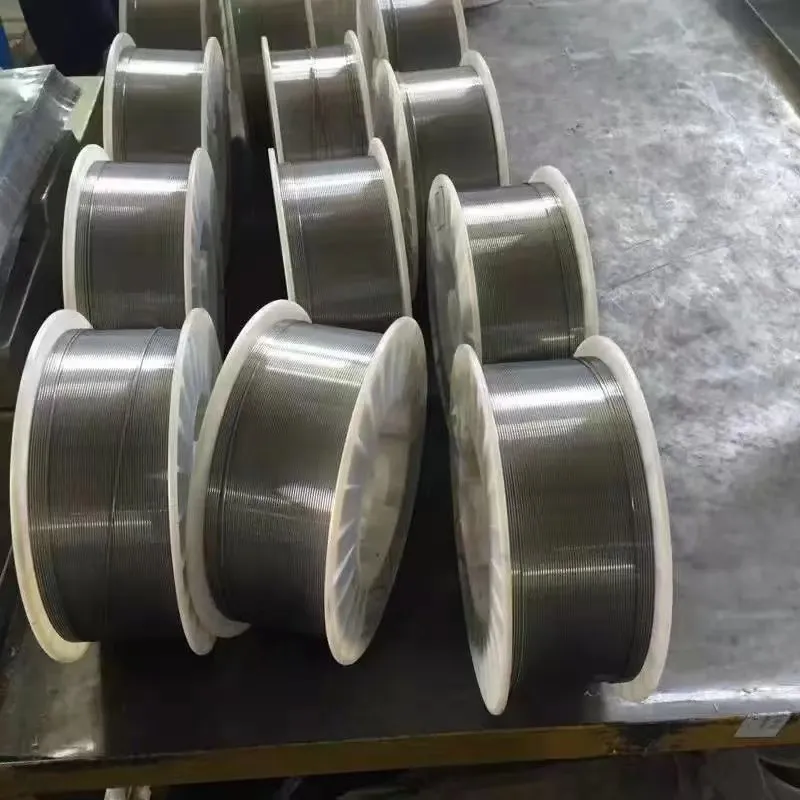
4. MIG Welding with Flux-Cored Nickel Wire
For faster repairs on large castings, MIG welding with nickel-based flux-cored wire can be effective, though preheating and post-weld heat treatment are still recommended.

 EN
EN