abrasion resistant steel
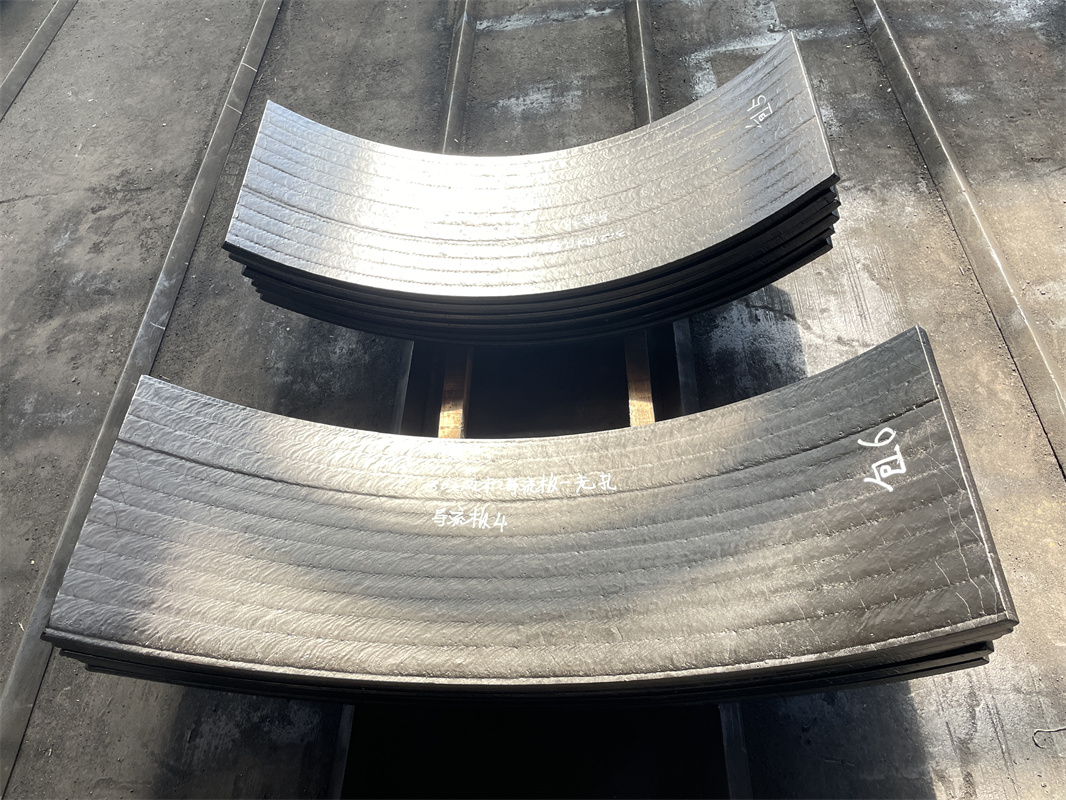
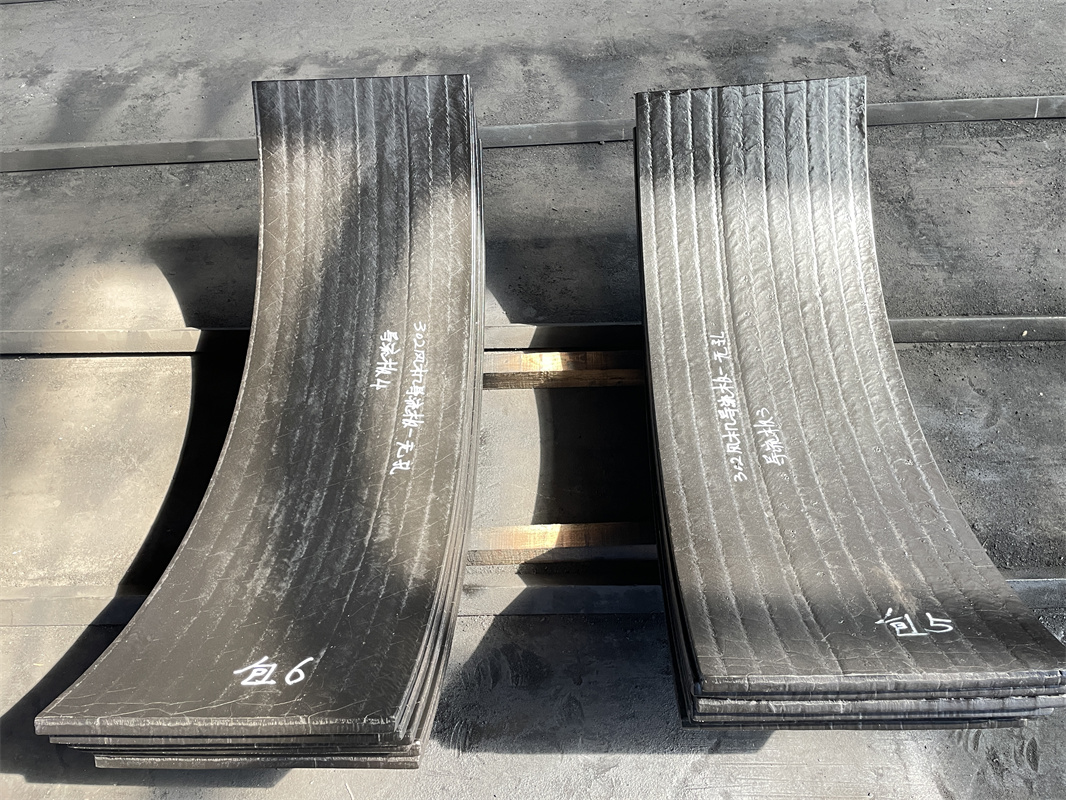
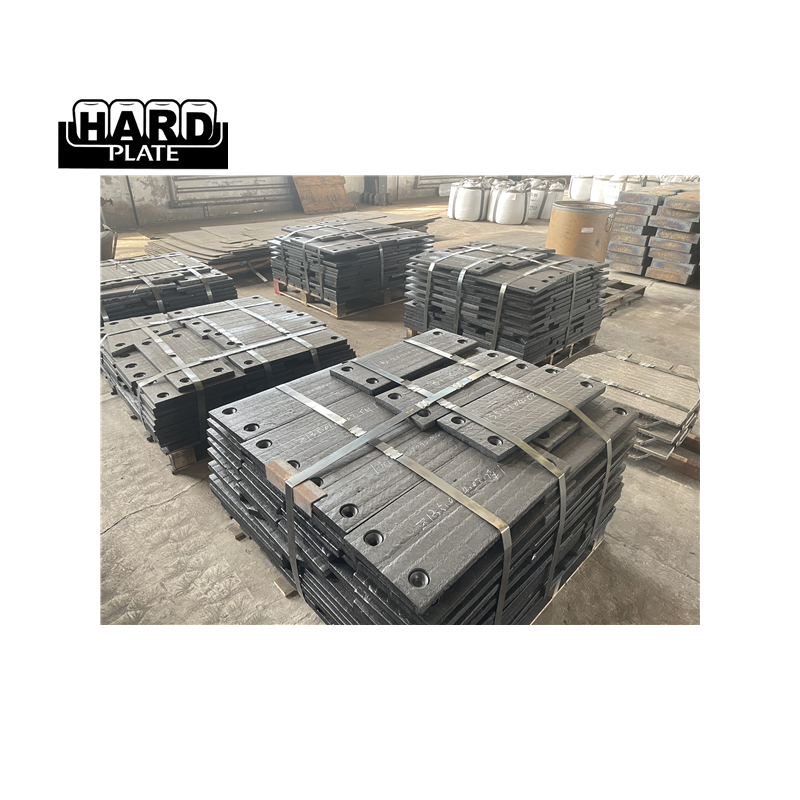
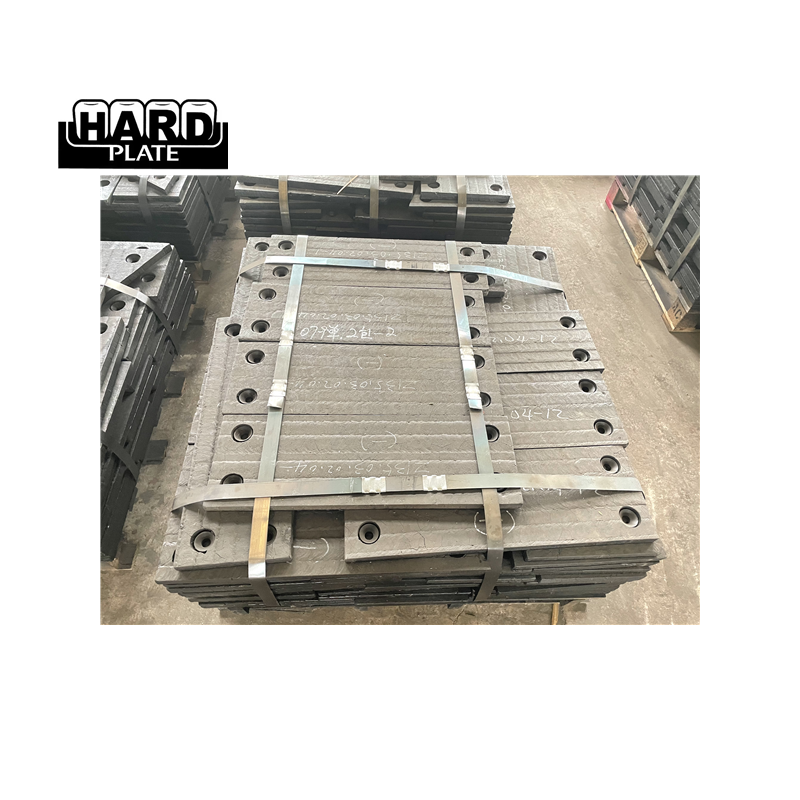
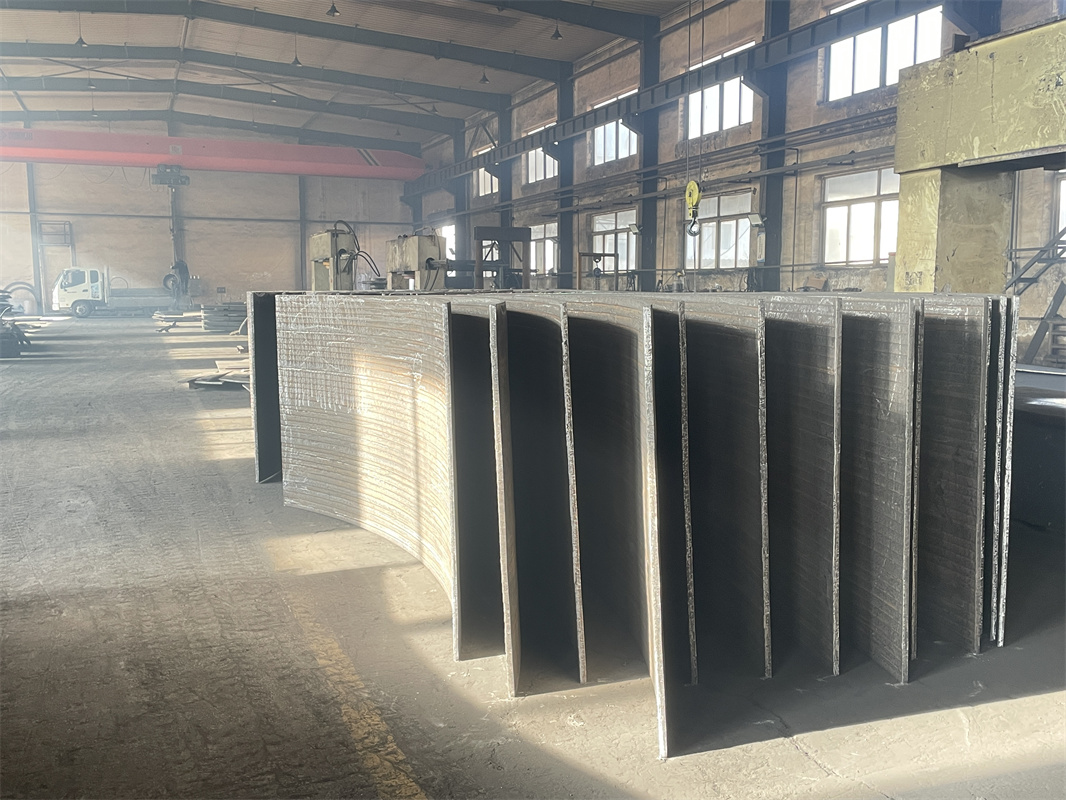
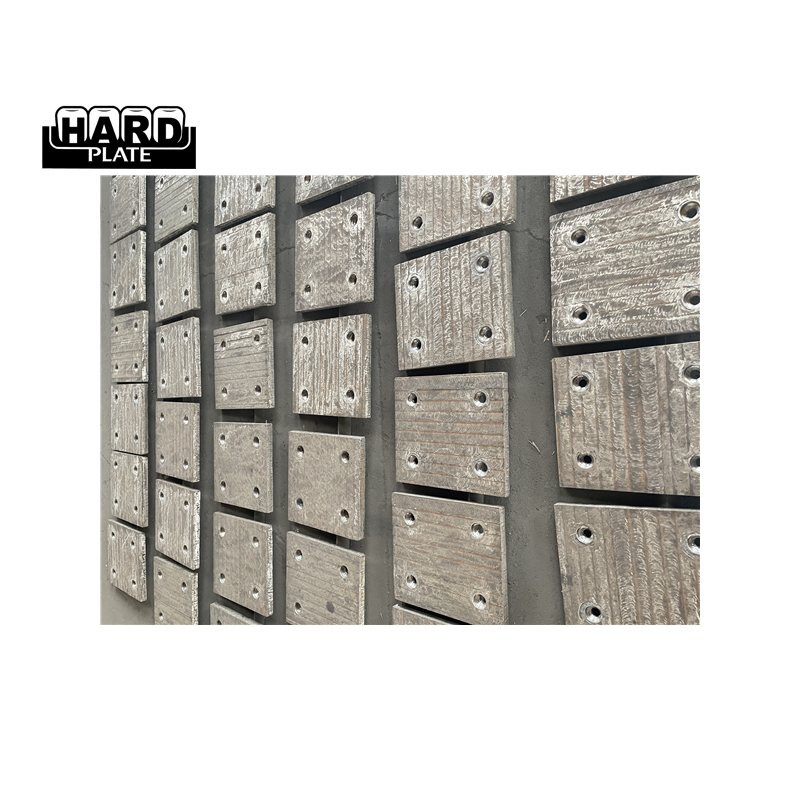
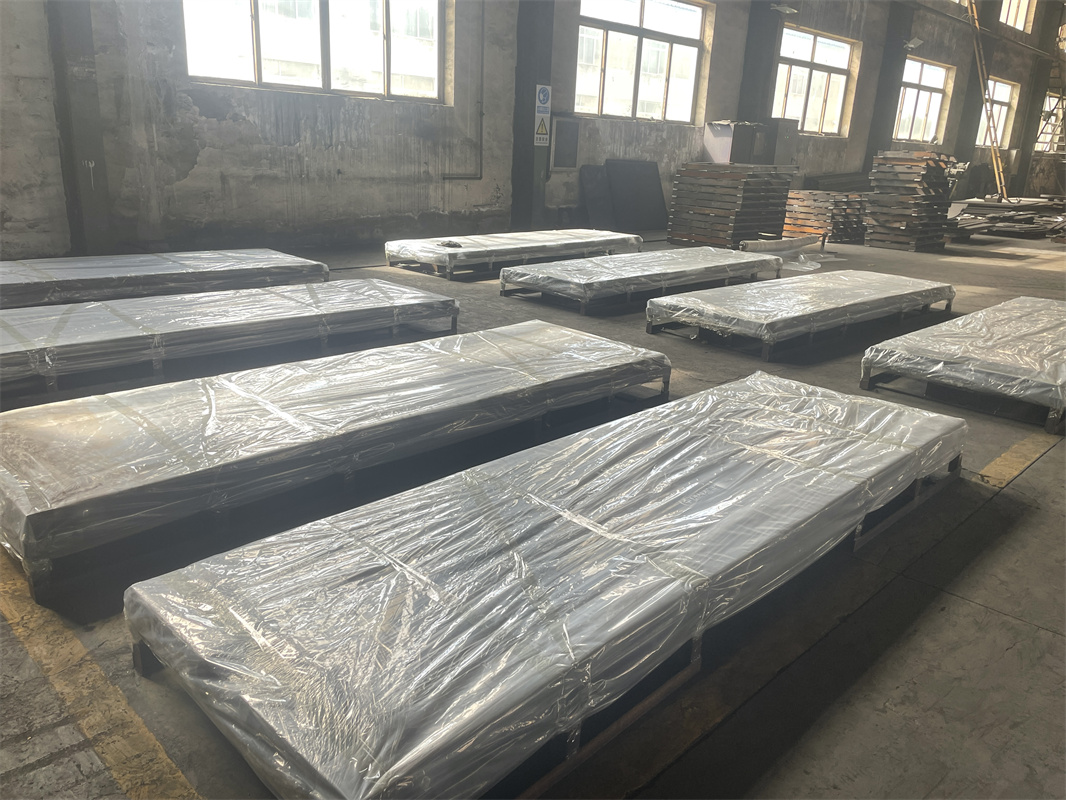
Abrasion resistant steel is a specially developed steel plate or component designed to withstand repeated contact with sand, rock, ore, coal, soil, scrap, and other hard materials. Its main function is to slow surface wear, preserve component shape, and extend operating time in demanding equipment. Abrasion resistant steel helps manufacturers build stronger buckets, liners, chutes, hoppers, truck bodies, and wear parts without using excessive material thickness. Abrasion resistant steel combines a tough steel base with controlled hardness, allowing equipment to resist cutting, impact, sliding, and rubbing action. Abrasion resistant steel is produced through carefully controlled alloy selection, rolling, heat treatment, cooling, and testing. These steps create a consistent structure through the plate and support reliable performance from batch to batch. Abrasion resistant steel grades are commonly selected according to hardness, impact conditions, plate thickness, forming needs, and welding requirements. Abrasion resistant steel can be cut, drilled, bent, machined, and welded when fabricators follow suitable procedures for the selected grade. This flexibility makes it practical for both new equipment and repair work. Abrasion resistant steel also supports lighter designs because a harder, stronger plate can often deliver the required service life at a lower thickness than ordinary carbon steel. Abrasion resistant steel is used in mining, quarrying, construction, agriculture, recycling, cement production, power generation, and bulk material handling. Abrasion resistant steel provides a direct way to manage wear, reduce unplanned stoppages, and protect the value of equipment exposed to harsh material flow. Buyers should compare grade, thickness, delivery condition, test certificates, and fabrication support before choosing abrasion resistant steel for a specific service.

 EN