Abrasion Plate for Reliable Wear Protection

All Categories

abrasion plate

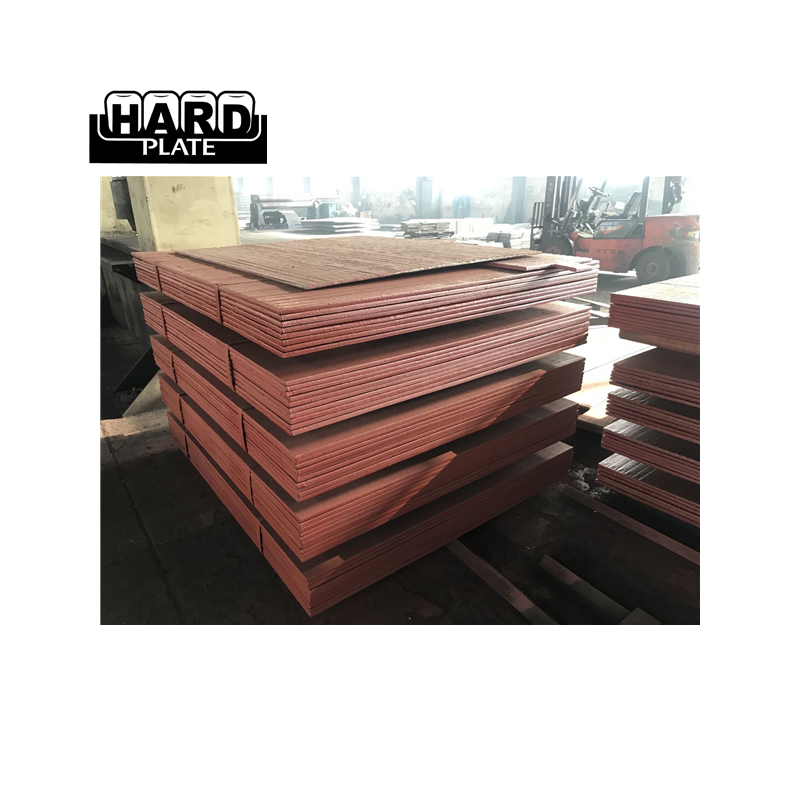
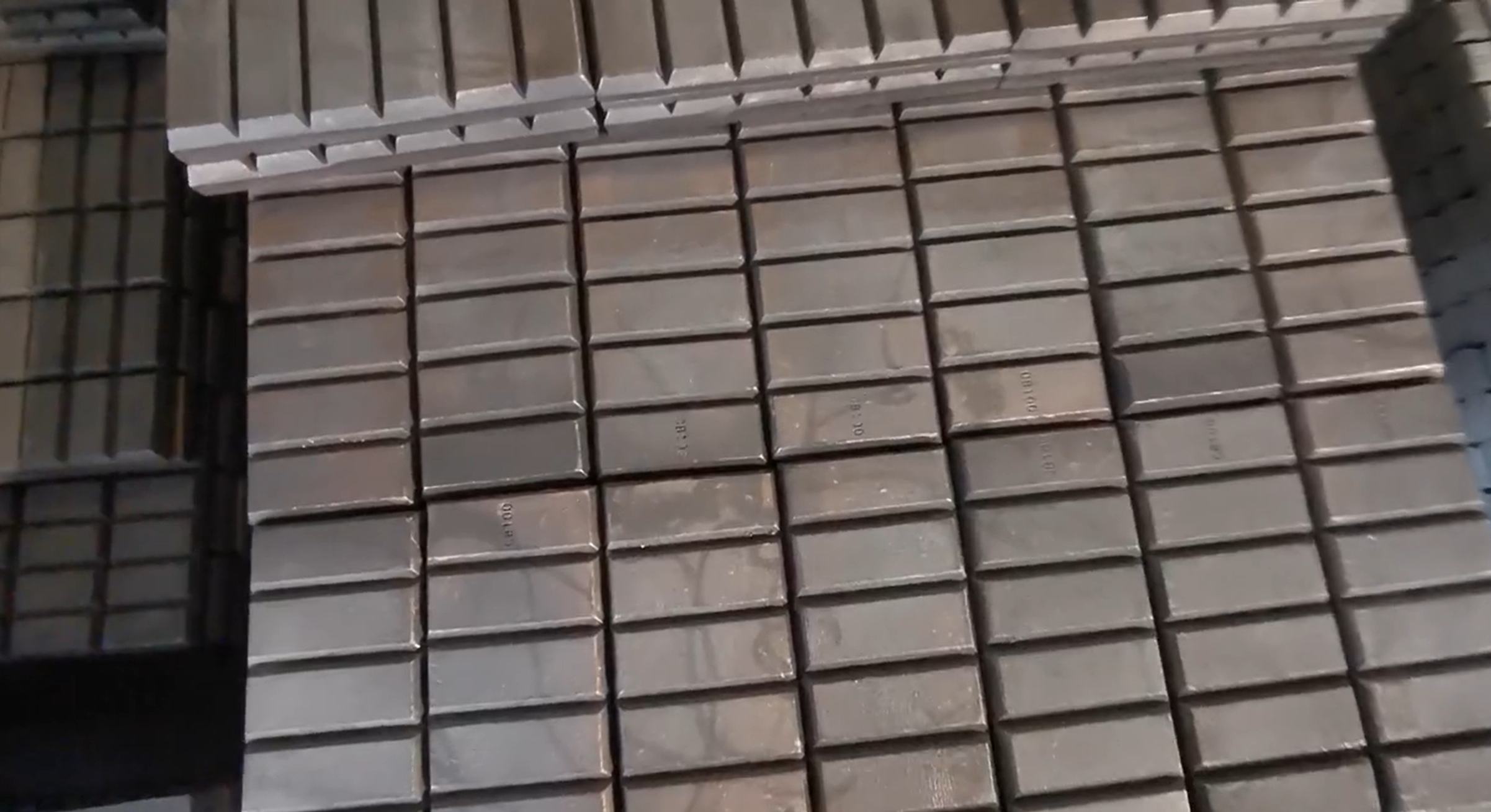
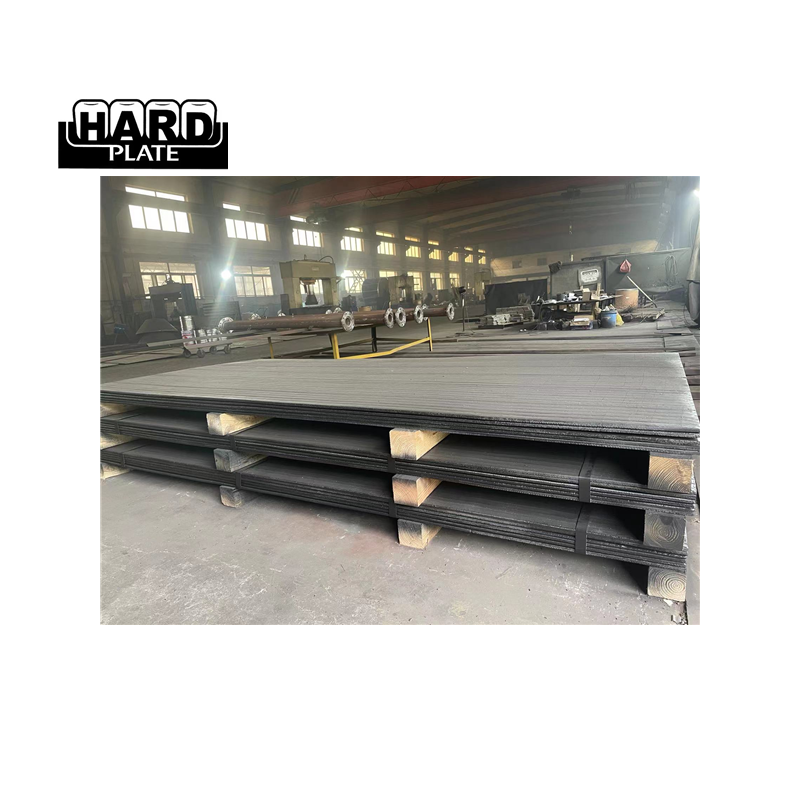
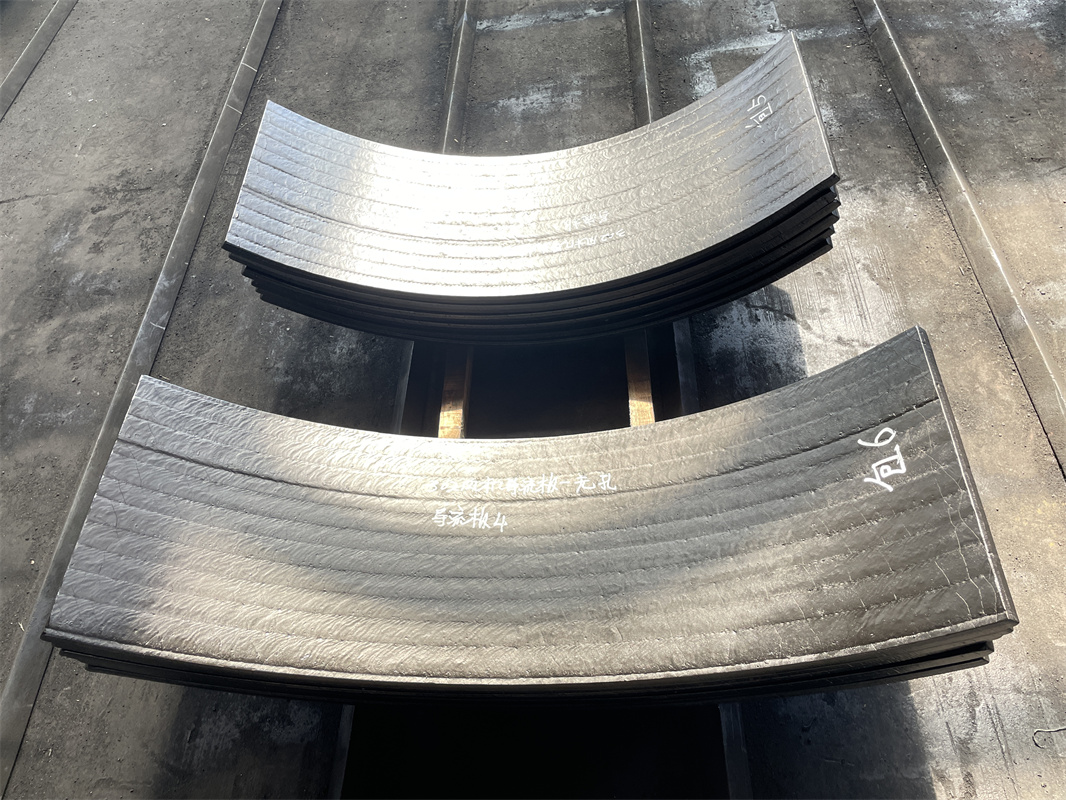
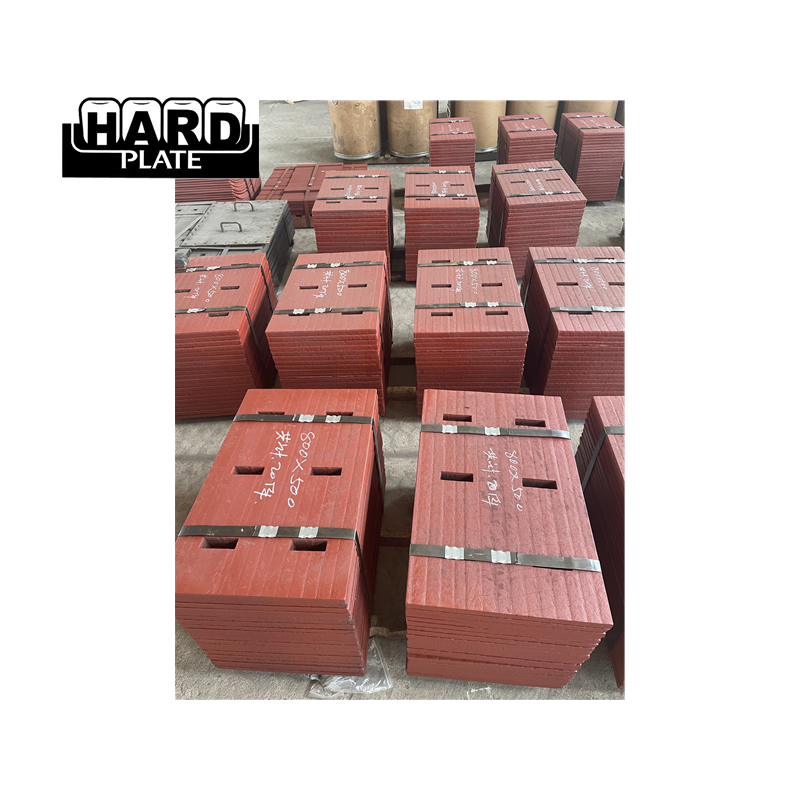
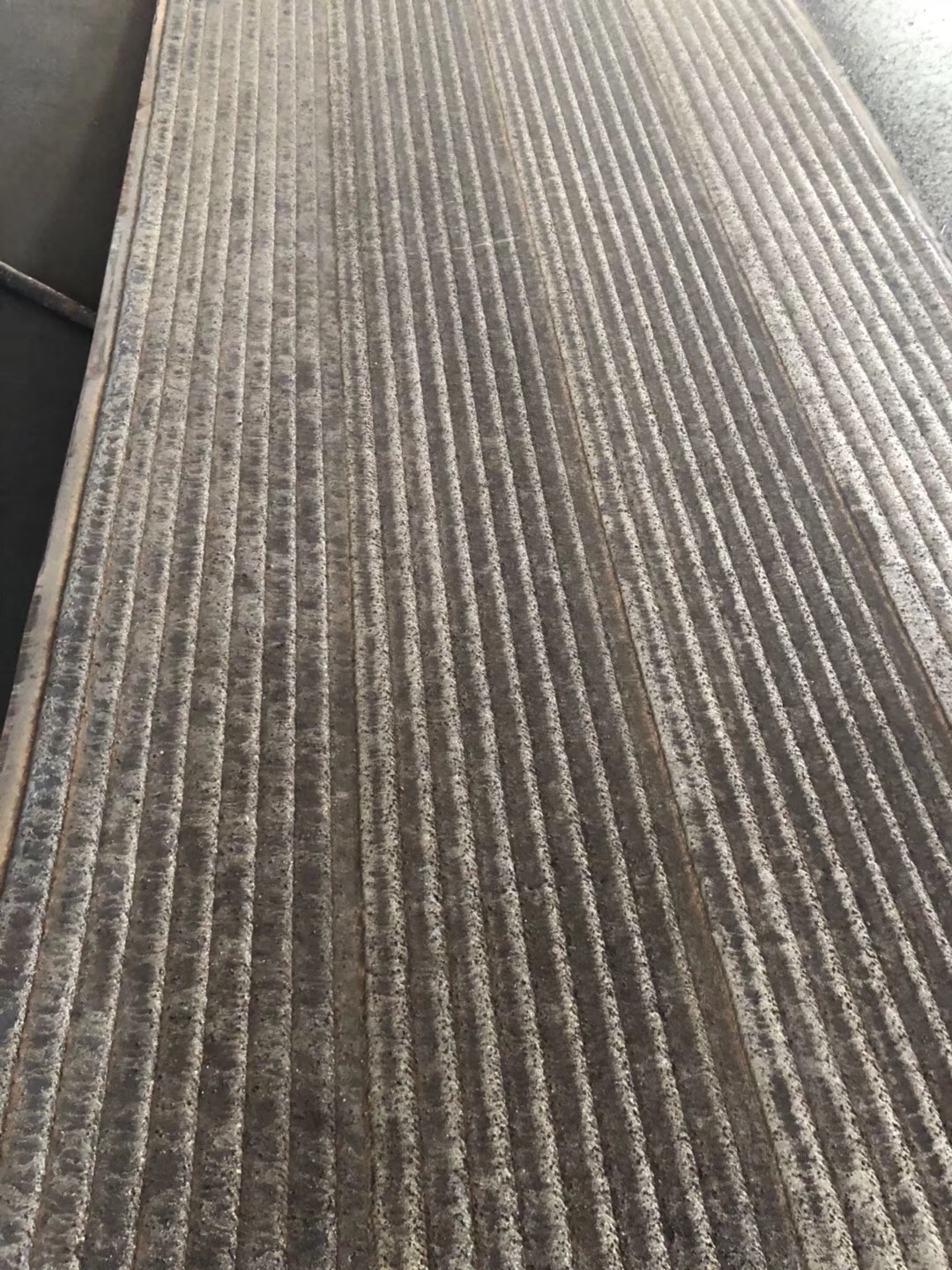
An abrasion plate is a wear-resistant steel component designed to protect equipment from repeated contact with hard, sharp, or abrasive materials. An abrasion plate is commonly installed where impact, sliding friction, or material flow can quickly damage ordinary steel. It forms a strong working surface that extends service life and helps machines maintain stable performance. Depending on the grade, an abrasion plate can combine a tough base with a hardened surface, giving it a practical balance between impact strength and resistance to wear. The abrasion plate may be cut, drilled, bent, welded, or formed to match a specific machine design. Its main function is to shield chutes, hoppers, buckets, truck bodies, feeders, screens, mixers, and conveyor parts. An abrasion plate also reduces the loss of metal caused by sand, rock, ore, coal, cement, glass, and other bulk materials. Many products use controlled alloy chemistry, heat treatment, and uniform hardness to deliver dependable results across the full sheet. A quality abrasion plate can be supplied in different thicknesses, sizes, and hardness levels so buyers can match material performance with operating conditions. The abrasion plate supports repair work as well as new equipment production, making it useful for maintenance teams, fabricators, and original equipment builders. When correctly selected, an abrasion plate lowers replacement frequency, limits unplanned downtime, and protects valuable machinery. The abrasion plate is therefore a practical solution for demanding applications where ordinary structural steel wears too quickly.

New Product Releases

The main advantage of an abrasion plate is longer equipment life. By placing a hard protective layer between moving material and the machine body, an abrasion plate slows metal loss and keeps critical surfaces usable for longer. This helps customers reduce the frequency of repairs and spend less on replacement parts. An abrasion plate also supports more predictable maintenance planning because wear develops more slowly and can be monitored during scheduled inspections. For operations handling rock, sand, ore, coal, grain, or recycled material, an abrasion plate can protect high-contact zones that normally fail first. The abrasion plate improves operational continuity by reducing sudden holes, cracks, deformation, and production stoppages. Its strong surface can handle sliding action, while a tougher supporting layer helps absorb shocks from large or irregular pieces. This balance makes an abrasion plate suitable for loaders, dump bodies, crushers, screens, transfer points, bins, and processing lines. Buyers can choose thickness and hardness according to impact level, material size, operating temperature, and available fabrication methods. A thinner abrasion plate may reduce weight, while a thicker option can provide greater service reserve in severe conditions. The abrasion plate can often be cut and prepared using standard fabrication processes, which simplifies installation and repair work. It also helps preserve the shape of chutes and containers, supporting smoother material flow and reducing build-up caused by damaged surfaces. For equipment manufacturers, an abrasion plate adds a clear durability benefit without requiring a completely different machine design. For maintenance departments, the abrasion plate offers a practical way to reinforce worn sections instead of replacing an entire assembly. The best buying decision considers real wear conditions, impact exposure, plate size, fabrication needs, and total service cost rather than purchase price alone. With the right specification, an abrasion plate delivers measurable value through longer uptime, fewer interventions, and more dependable production.

Latest News

How to Select the Right Hardfacing Liner Plate for Maximum Wear Protection

27

Oct

How to Select the Right Hardfacing Liner Plate for Maximum Wear Protection

Industrial equipment operating in mining, quarrying, cement, steel, power generation, and bulk material handling environments is often exposed to severe wear. Hard and abrasive materials can continuously impact, slide, or flow across equipment surfac...
View More
How High Chromium Carbide Hard Facing Plate Protects Equipment from Severe Abrasion

27

Oct

How High Chromium Carbide Hard Facing Plate Protects Equipment from Severe Abrasion

Heavy industrial equipment can be exposed to some of the most demanding wear conditions in modern processing operations. Mining, cement production, quarrying, metallurgy, power generation, and bulk material handling systems frequently transport hard ...
View More
How to Select the Best Wear Resistant Liner for Material Handling Systems

27

Oct

How to Select the Best Wear Resistant Liner for Material Handling Systems

Material handling systems are continuously exposed to abrasive materials, impact, friction, and repeated material flow. In industries such as mining, quarrying, cement, metallurgy, power generation, and bulk material processing, components including ...
View More
How to Choose an Abrasion Plate for Heavy Duty Industrial Equipment

27

Oct

How to Choose an Abrasion Plate for Heavy Duty Industrial Equipment

Heavy-duty industrial equipment is frequently exposed to abrasive materials, repeated impact, and continuous material movement. In industries such as mining, cement, quarrying, metallurgy, power generation, and bulk material handling, abrasive wear c...
View More

Get a Free Quote

Our representative will contact you soon.
Name
Email
Tel / WhatsApp
Company Name
Message
0/1000

abrasion plate

Longer Service Life in Severe Conditions

Longer Service Life in Severe Conditions

A key selling point of an abrasion plate is its ability to resist steady material loss in demanding work areas. The abrasion plate uses a controlled steel structure and hardened surface to withstand contact with rock, gravel, ore, slag, coal, and other aggressive materials. This protection matters because exposed machine walls can become thin, distorted, or unsafe long before the rest of the equipment reaches the end of its useful life. By installing an abrasion plate at known wear points, customers can preserve the original structure and postpone major refurbishment. The abrasion plate also helps maintain consistent dimensions in chutes, buckets, hoppers, and transfer sections, allowing material to move as intended. Less surface damage means fewer emergency patches and more time between planned shutdowns. For buyers, this translates into a longer replacement cycle and stronger value over the product lifetime. Selecting an abrasion plate with the appropriate hardness and thickness helps match protection to actual operating severity without paying for unnecessary material.
Reliable Balance of Hardness and Toughness

Reliable Balance of Hardness and Toughness

An abrasion plate must do more than resist scratching or sliding wear. It also needs enough toughness to cope with impact from large pieces and sudden loading. A well-designed abrasion plate combines a wear-resistant working surface with a supportive steel base, creating a useful balance between hardness and durability. This feature reduces the risk that the material will chip, crack, or fail when operating conditions change. The abrasion plate can therefore serve in both high-flow applications and areas where heavy objects strike the surface. Controlled alloy content and heat treatment help produce more even performance across the sheet, while consistent properties make fabrication and replacement planning easier. Customers benefit from protection that remains dependable rather than performing well only in light-duty conditions. The abrasion plate is especially valuable in crushers, feeders, dump bodies, and mining equipment, where sliding wear and impact often occur together. Choosing the right grade gives operators confidence that the protective surface will support safe, stable production.
Flexible Fabrication and Application Fit

Flexible Fabrication and Application Fit

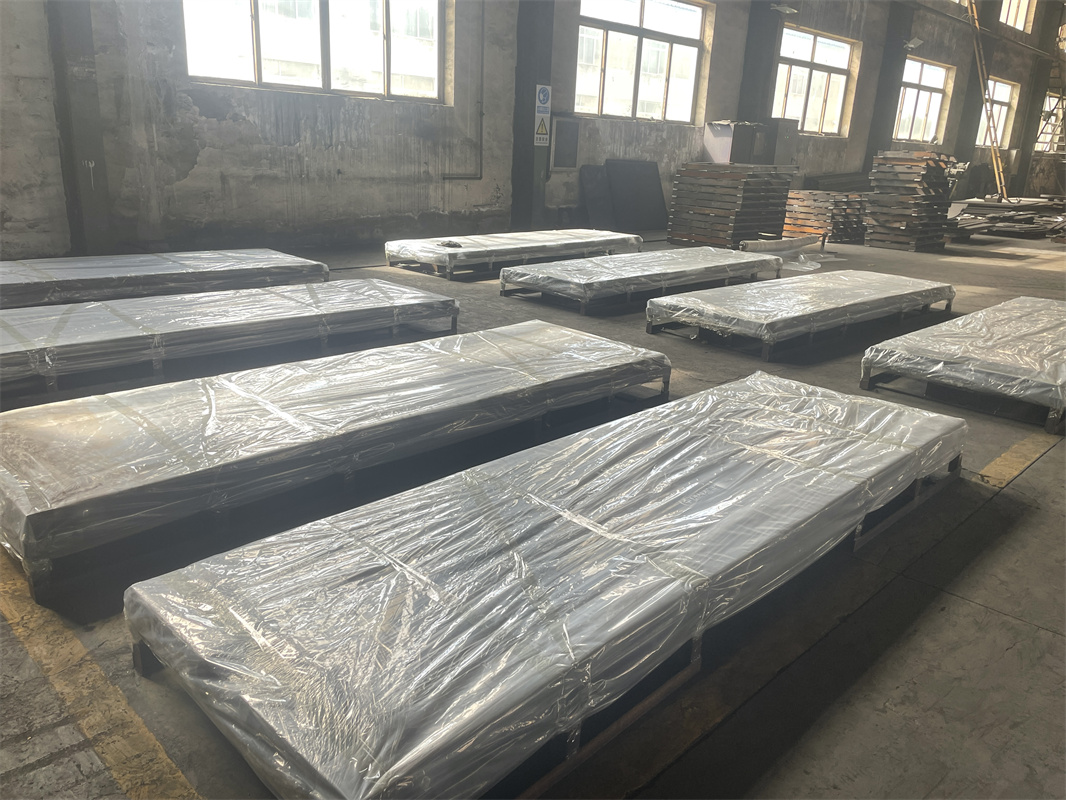
A practical abrasion plate should protect equipment without creating unnecessary design or installation problems. Many abrasion plate products can be cut to required dimensions and prepared for use in new builds, repairs, liners, and reinforcement panels. Depending on the selected grade and process, the abrasion plate may be drilled, formed, or welded by qualified fabricators using suitable procedures. This flexibility allows customers to replace only worn sections instead of discarding a complete chute, bucket, hopper, or truck body. The abrasion plate can also be ordered in different thicknesses and sizes, helping engineers manage weight, clearance, load capacity, and available space. For maintenance teams, this makes repair work faster and more targeted. For equipment manufacturers, the abrasion plate supports customized designs for specific material flows and wear patterns. Its broad application range covers construction, mining, quarrying, recycling, cement production, agriculture, and bulk handling. In each setting, an abrasion plate provides a practical protective solution that can be matched to both machine design and operating demands.

Copyright © Shenyang Hard Welding Surface Engineering Co., ltd.  -  Privacy policy