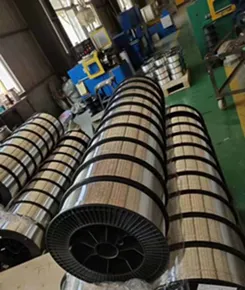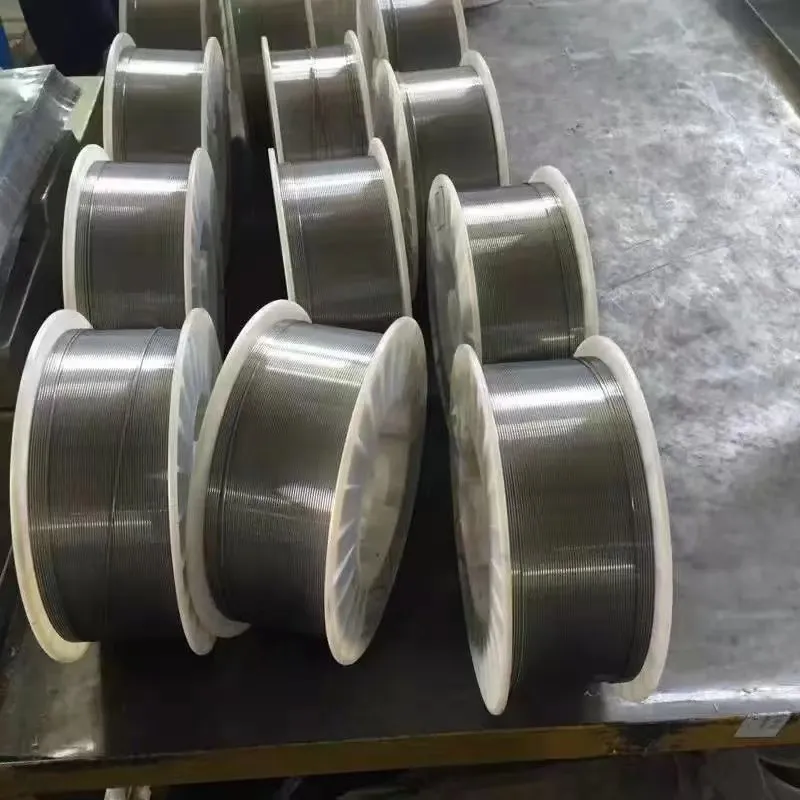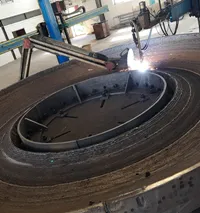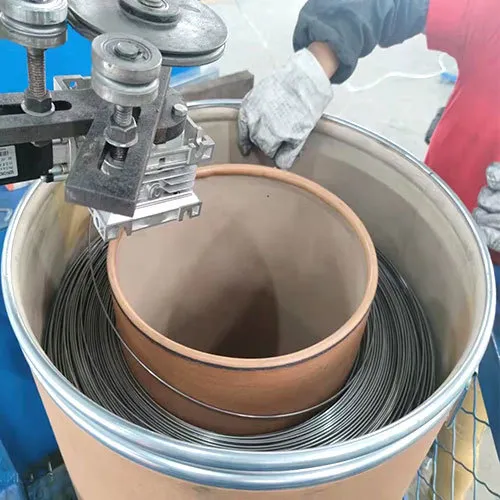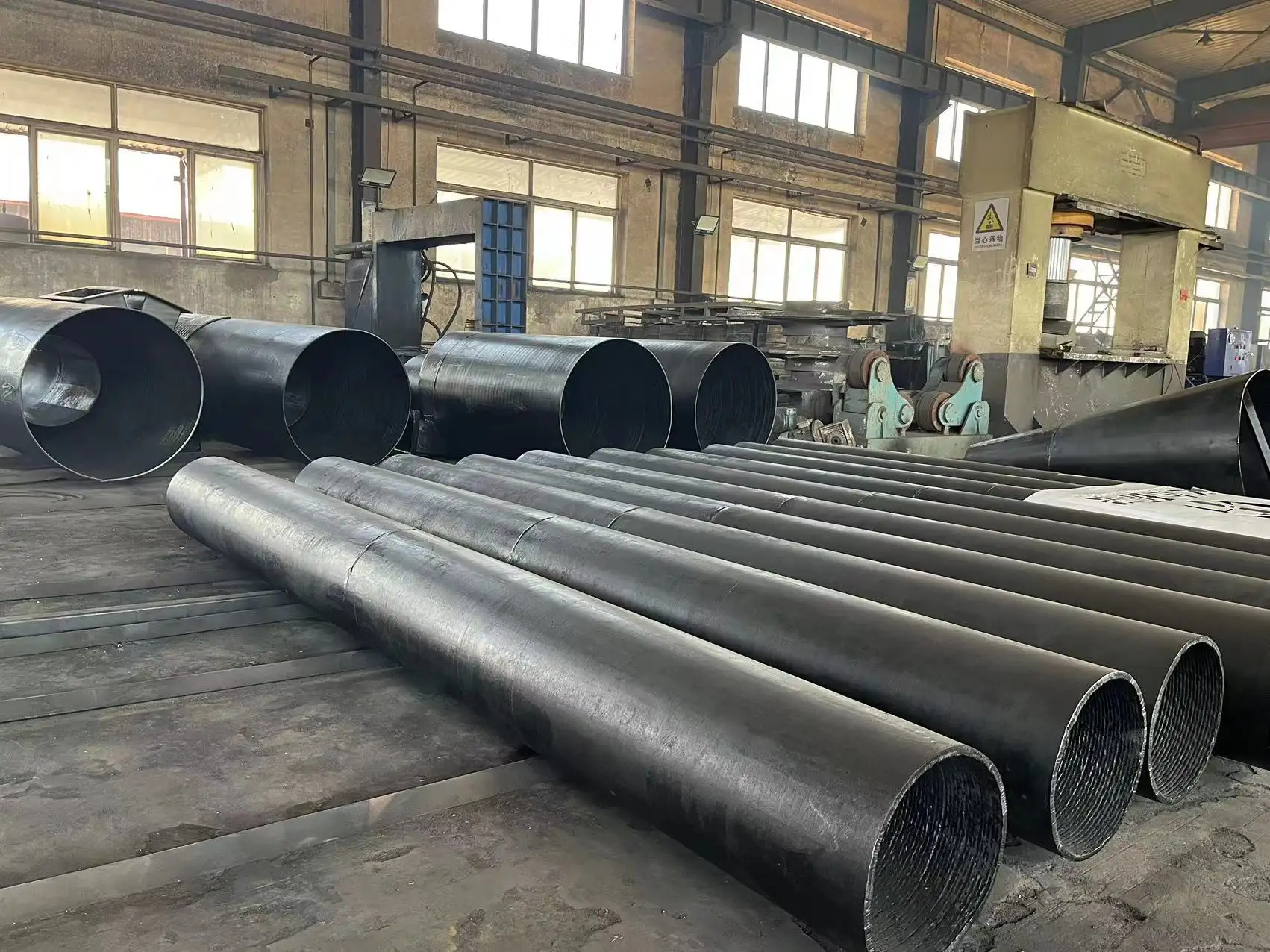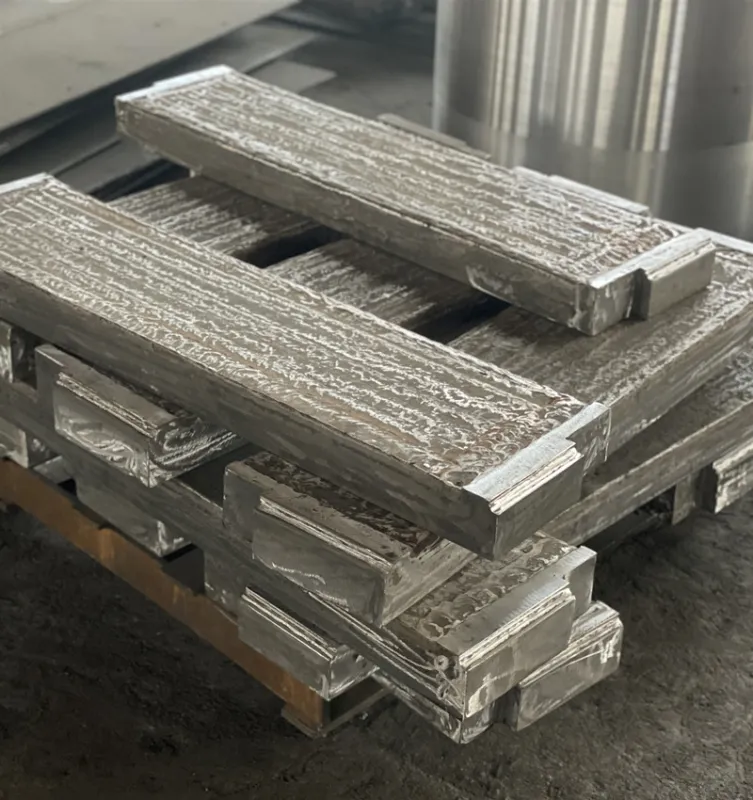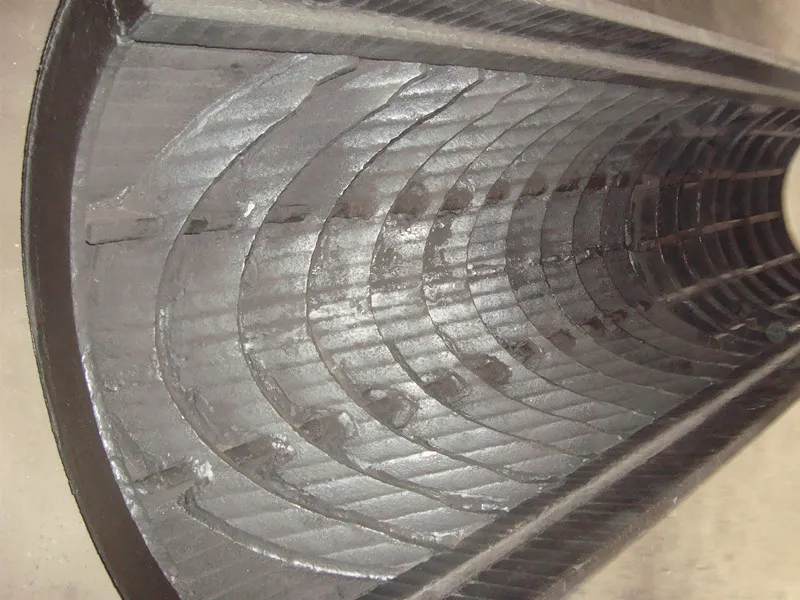
Study hardfacing refers to the process of applying a wear-resistant layer to industrial components through welding techniques, significantly extending their service life. This method is widely researched ("studied") to optimize material performance under extreme conditions such as abrasion, impact, and corrosion. Industries invest in study hardfacing to reduce maintenance costs, improve equipment longevity, and enhance operational efficiency. By analyzing different alloys, deposition methods, and welding parameters, engineers can develop superior hardfacing solutions tailored to specific industrial needs.
Study hardfacing is critical in sectors where machinery faces severe wear and tear. In mining and construction, components like excavator teeth, crusher liners, and bulldozer blades benefit from hardfacing to resist abrasive materials. The agricultural sector relies on hardfaced plowshares and tillage tools to withstand soil erosion. Additionally, the cement and steel industries use hardfacing to protect grinding rolls, kiln tires, and conveyor systems from high-impact wear. Research in this field continuously improves material compositions, ensuring better performance in harsh environments.
The future of study hardfacing lies in advanced materials and automated welding technologies. Researchers are exploring nanocomposite hardfacing alloys for superior wear resistance and laser cladding techniques for precise, low-distortion applications. The rise of AI-driven welding systems also allows for optimized deposition rates and reduced defects. As industries push for sustainability, study hardfacing will play a key role in reducing waste by prolonging equipment lifespan. With ongoing advancements, hardfacing will remain a vital solution for industrial durability challenges.
Copyright © Shenyang Hard Welding Surface Engineering Co., ltd. - Privacy policy