Mill Liner Solutions for Efficient Grinding

All Categories

mill liner

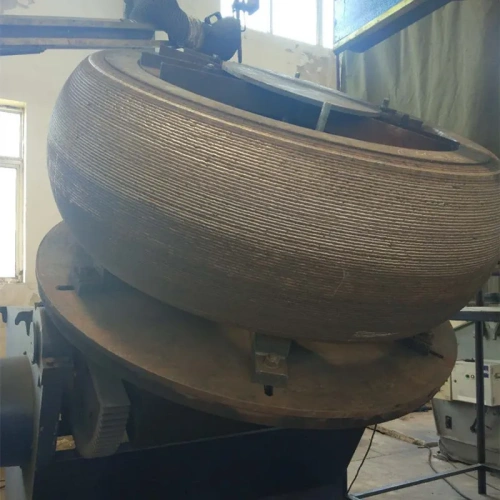
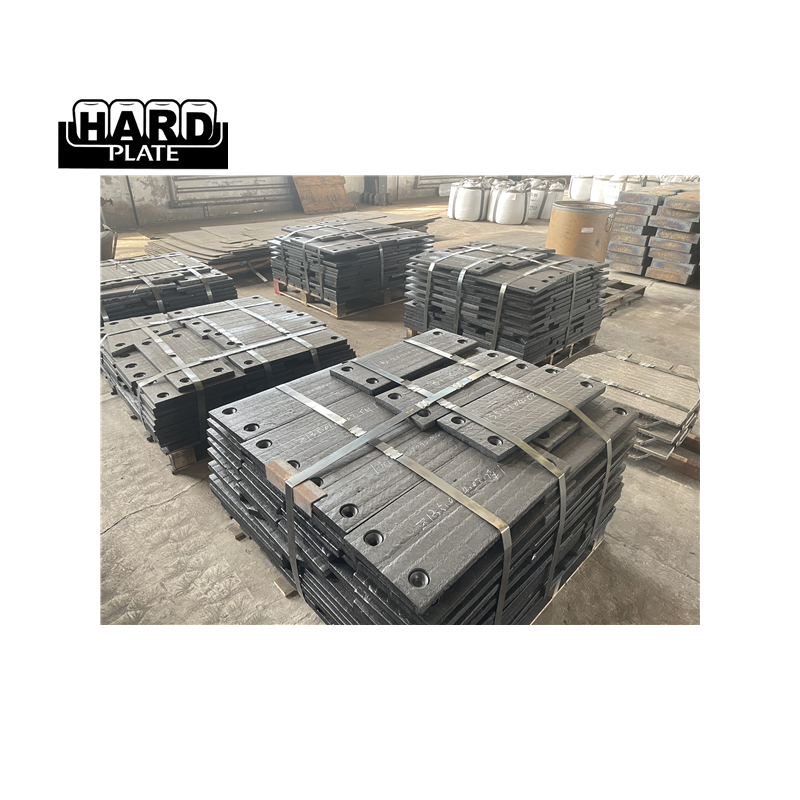
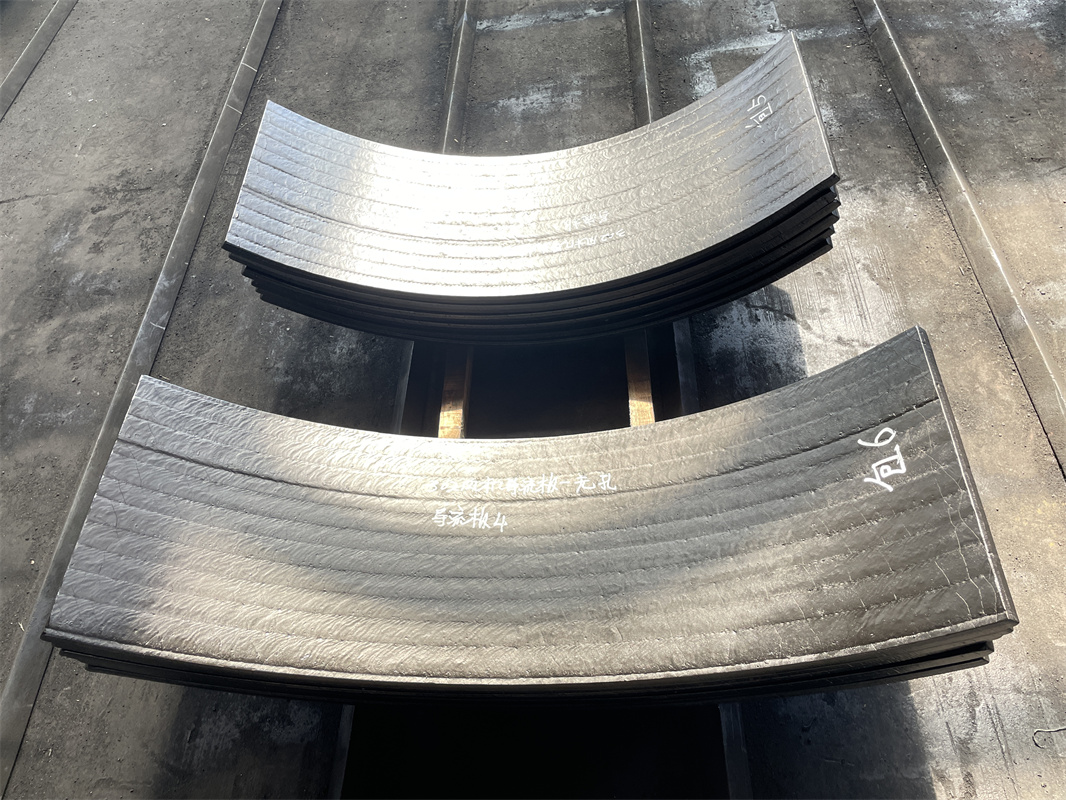
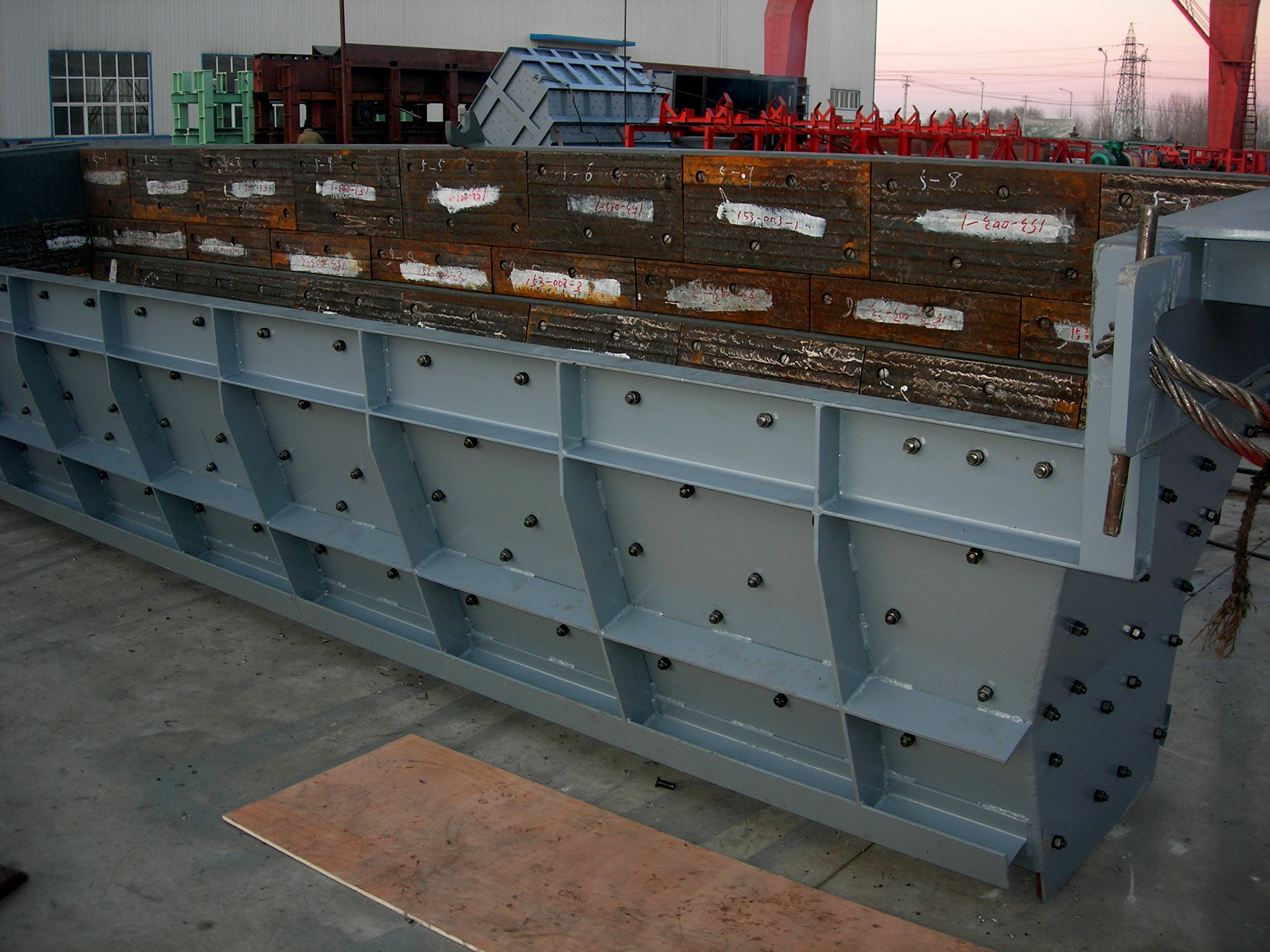
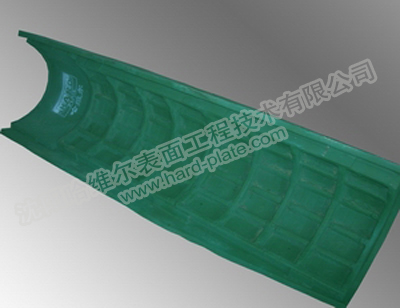
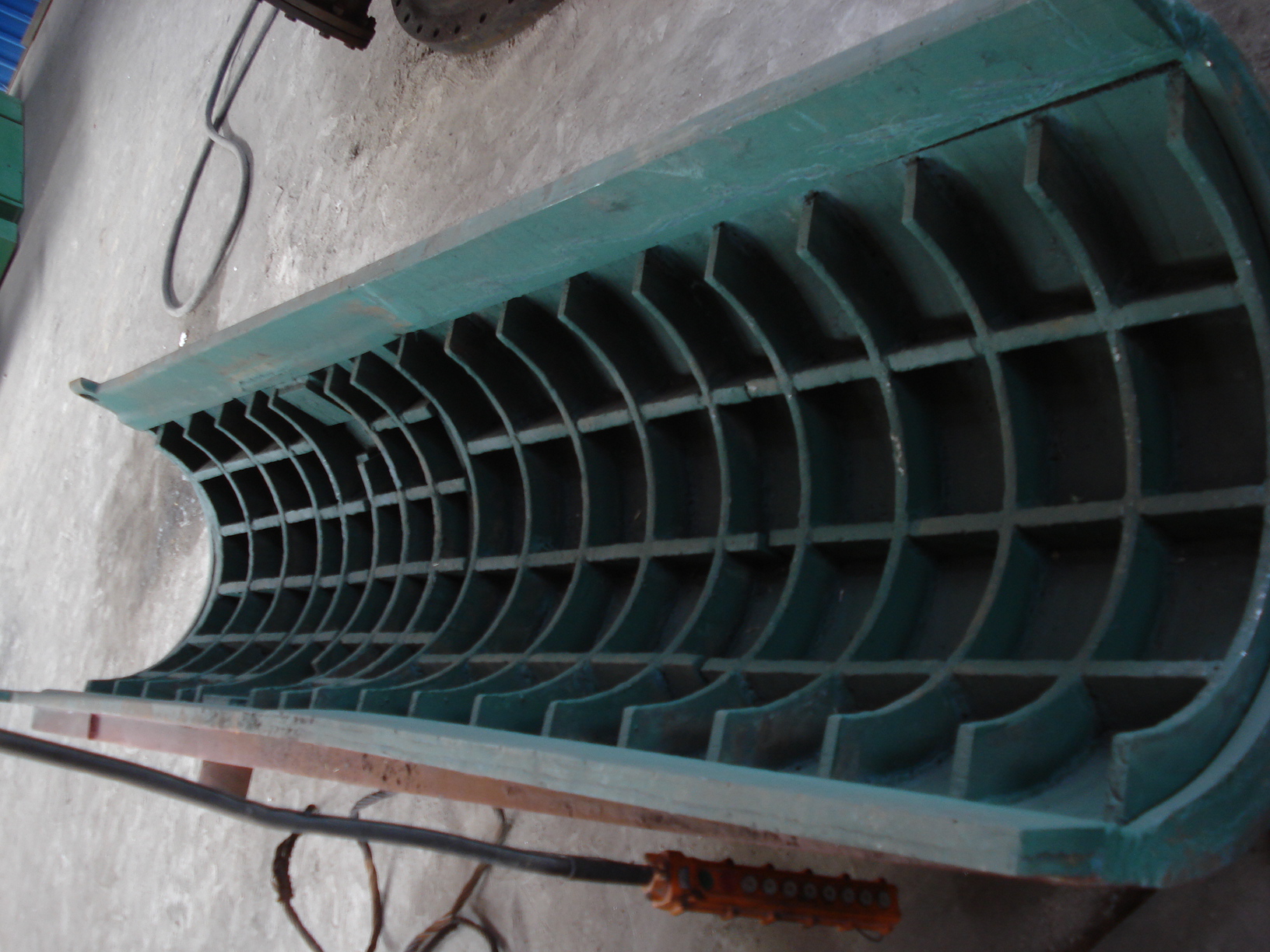
A mill liner is a replaceable protective layer fitted inside a grinding mill. Its main job is to shield the mill shell from impact, abrasion, and repeated contact with ore or other material. At the same time, the mill liner helps lift and tumble the feed so the grinding process produces the required particle size. A well-designed mill liner supports stable operation, protects expensive equipment, and improves the use of energy. The mill liner can also control the movement of material through the grinding chamber. Its profile, thickness, and lifting bars influence how far the load rises before it falls, which affects impact strength and grinding efficiency. Each mill liner is selected according to mill size, feed hardness, operating speed, and target output. Common materials include rubber, metal, composite compounds, and combinations of these materials. A rubber mill liner reduces weight and noise, while a metal design offers strong resistance in severe impact zones. A composite mill liner combines practical benefits from more than one material. Modern production methods give the mill liner accurate dimensions, consistent hardness, and improved wear behavior. Manufacturers can use computer-based design, precision casting, heat treatment, and quality inspection to create a dependable fit. The mill liner is used in ball mills, rod mills, autogenous mills, and semi-autogenous mills. It suits mining, cement, aggregates, power generation, and mineral processing. When the mill liner matches the application, it extends service life, maintains grinding performance, and simplifies maintenance. The right mill liner therefore becomes an important operating component rather than a basic replacement part. Buyers should review wear rate, installation method, lead time, and total cost before choosing a solution. A reliable mill liner protects production goals throughout its working cycle.
Popular Products

The biggest advantage of a mill liner is equipment protection. By taking the force of falling ore and grinding media, the mill liner keeps the shell, heads, and internal surfaces from wearing too quickly. This lowers the risk of costly repairs and helps the mill remain available for production. A durable mill liner also supports predictable maintenance planning. Operators can monitor wear, schedule a change during planned downtime, and avoid unexpected shutdowns. The mill liner improves process control by shaping the movement of the charge. A suitable lifting profile creates useful impact and mixing, helping the mill reach the desired product size without excessive regrinding. This can reduce wasted energy and improve throughput when the design matches the feed and operating conditions. Another practical benefit is material choice. A rubber mill liner can make handling easier because it weighs less than many metal alternatives. It can also reduce operating noise and resist certain forms of corrosion. A metal mill liner works well where heavy impact, high temperature, or sharp feed demands greater structural strength. A composite mill liner offers a balance between weight, wear life, and impact protection. The mill liner can also improve workplace efficiency. Accurate sections, manageable lifting points, and a clear installation plan help maintenance teams complete replacement work faster and more safely. Buyers gain value from longer replacement intervals, lower labor exposure, and better use of spare parts. Application suitability remains essential: a solution for a cement mill may not suit a hard-rock concentrator. Customers should compare feed size, hardness, mill speed, moisture, temperature, and expected operating hours. They should also confirm technical support, fit accuracy, inspection records, and delivery capacity. Choosing the right mill liner reduces total ownership cost instead of focusing only on purchase price. With proper selection and monitoring, the mill liner supports dependable output, steadier quality, and stronger long-term production results.

Latest News

Wear Resistant Grinding Roller and Table: Materials, Performance, and Service Life

27

Oct

Wear Resistant Grinding Roller and Table: Materials, Performance, and Service Life

Vertical grinding mills and other grinding systems operate under continuous mechanical pressure and abrasive conditions. During operation, raw materials are compressed, crushed, and ground between rotating grinding tables and grinding rollers. When t...
View More
How to Choose an Abrasion Plate for Heavy Duty Industrial Equipment

27

Oct

How to Choose an Abrasion Plate for Heavy Duty Industrial Equipment

Heavy-duty industrial equipment is frequently exposed to abrasive materials, repeated impact, and continuous material movement. In industries such as mining, cement, quarrying, metallurgy, power generation, and bulk material handling, abrasive wear c...
View More
Why Chromium Carbide Overlay Is the Preferred Solution for Severe Abrasion

27

Oct

Why Chromium Carbide Overlay Is the Preferred Solution for Severe Abrasion

Severe abrasion is a persistent challenge across industries that process, transport, or handle hard and abrasive materials. Mining operations move rock and ore, cement plants process abrasive raw materials, and power generation facilities handle coal...
View More
Chromium Carbide Overlay Plate vs Abrasion Resistant Steel: A Practical Comparison

27

Oct

Chromium Carbide Overlay Plate vs Abrasion Resistant Steel: A Practical Comparison

Abrasion is one of the most common causes of premature wear in heavy industrial equipment. Mining, cement, power generation, metallurgy, quarrying, and bulk material handling systems all rely on components that must withstand continuous contact with ...
View More

Get a Free Quote

Our representative will contact you soon.
Name
Email
Tel / WhatsApp
Company Name
Message
0/1000

mill liner

Wear Protection That Extends Equipment Life

Wear Protection That Extends Equipment Life

A high-quality mill liner creates a strong barrier between the moving load and the mill shell. Its working surface absorbs repeated impact, sliding contact, and abrasive particles that would otherwise damage the main structure. This protection helps preserve shell thickness and reduces the chance of cracks, distortion, or unplanned repair work. The mill liner can use reinforced rubber, heat-treated metal, or a composite construction according to the duty. Engineers can also vary section thickness and wear zones so material is placed where it delivers the greatest value. For customers, this means fewer emergency interventions and more predictable replacement planning. The mill liner also protects internal fasteners and support areas, helping the entire lining system remain secure during operation. When wear develops evenly, operators can inspect condition more accurately and use the available material more efficiently. The result is longer equipment life, improved availability, and a clearer maintenance budget.
Designed for Efficient Grinding Action

Designed for Efficient Grinding Action

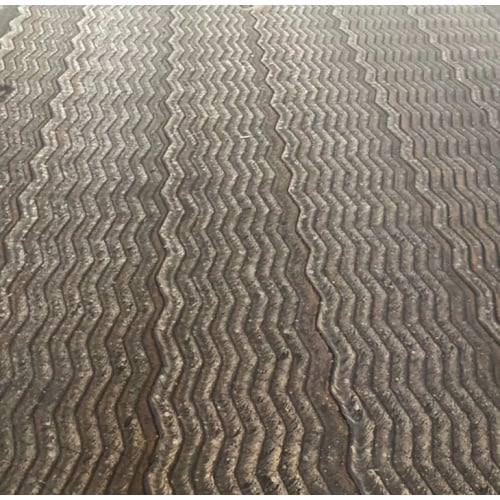
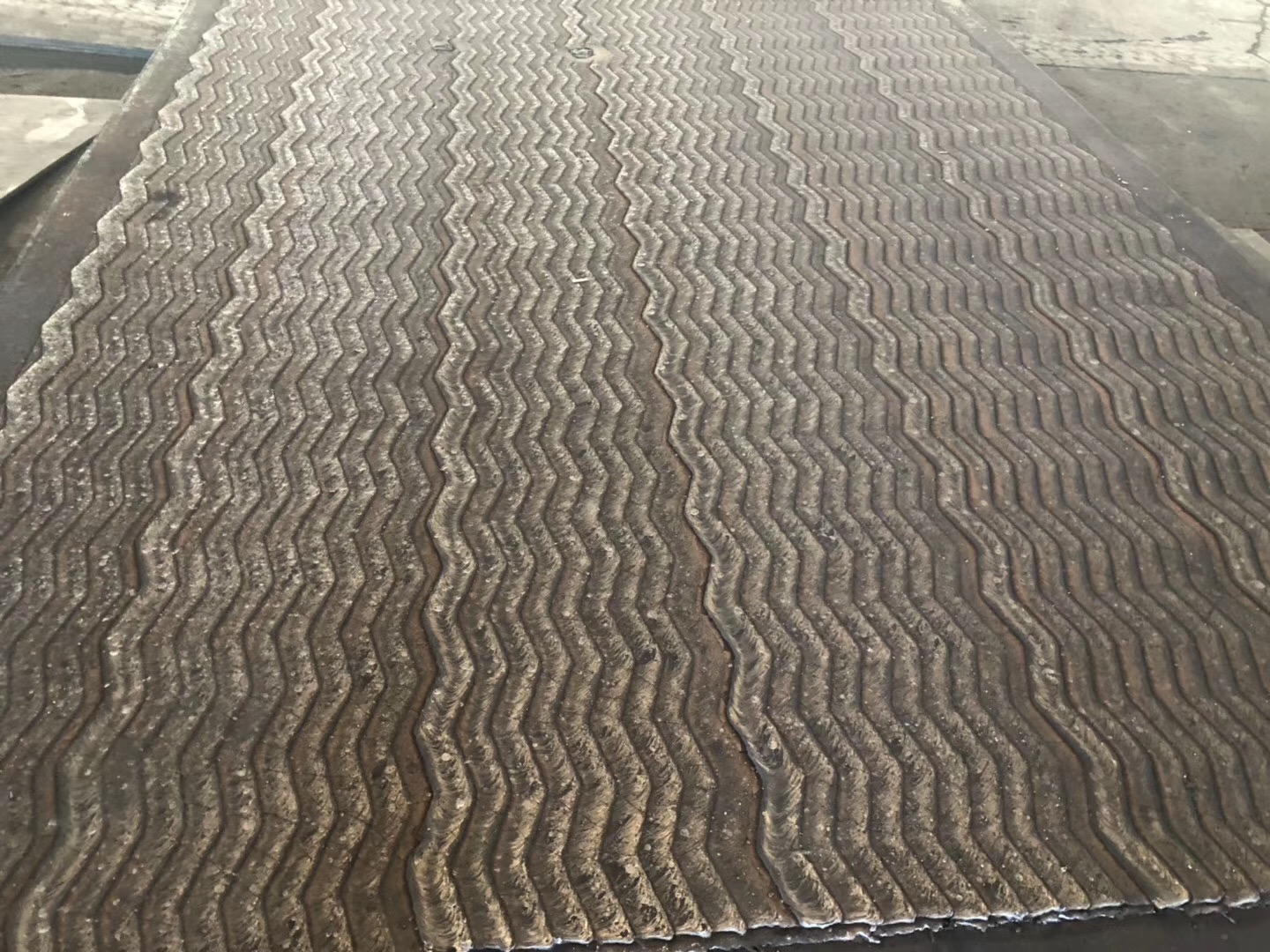
The shape of a mill liner directly affects how the charge moves inside the grinding chamber. Lifter bars, wave profiles, spacing, and plate geometry help raise and release the load at a controlled height. A properly designed mill liner creates useful impact for coarse feed while encouraging enough movement to expose fresh surfaces. This action can improve size reduction and help the mill reach its production target with less unnecessary energy use. The mill liner may also reduce unwanted slippage, dead zones, or excessive impact that damages media and causes uneven wear. Manufacturers can tailor the profile to mill diameter, speed, media size, and feed characteristics. Customers benefit from a solution based on actual operating conditions rather than a generic pattern. Better movement supports steadier product quality and can make process adjustments more responsive. In practical terms, the mill liner helps turn the available motor power into useful grinding work.
Flexible Materials and Easier Maintenance

Flexible Materials and Easier Maintenance

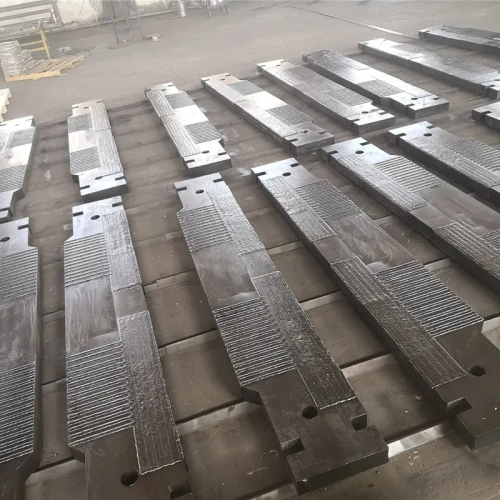
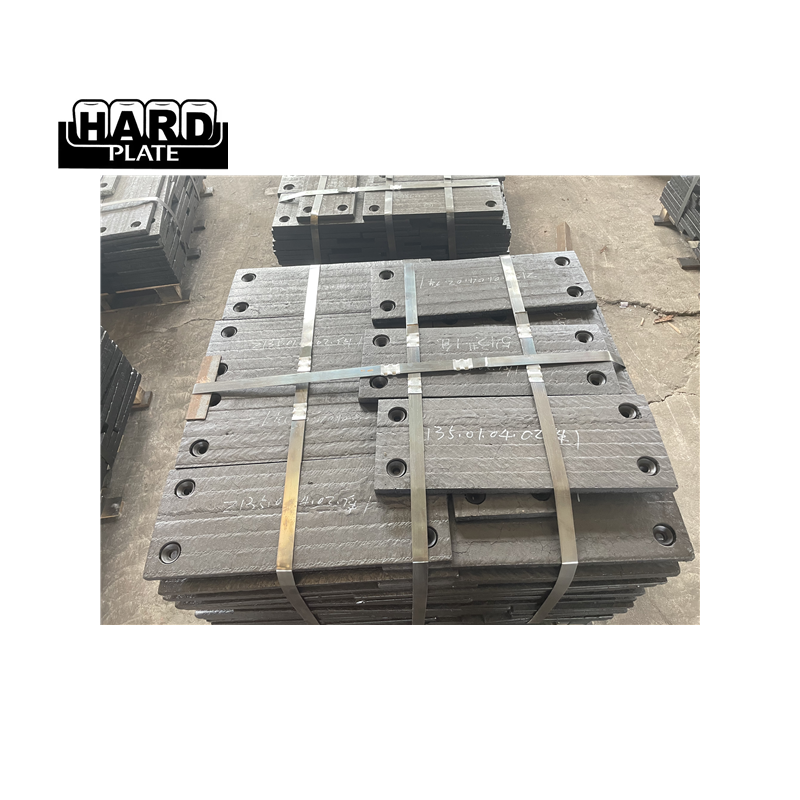
A modern mill liner gives buyers options for different working environments and maintenance priorities. Rubber sections are light, quiet, and easier for teams to handle, making them useful where frequent access or lower lifting loads matter. Metal sections provide strong resistance in high-impact areas, while composite designs combine reduced weight with robust wear performance. The selected mill liner can include accurate bolt holes, clear section identification, and lifting features that support faster installation. These details reduce fitting errors and shorten the time required to return the mill to service. A practical mill liner also supports inspection because wear indicators or measured thickness points help teams judge remaining life. Customers can keep compatible spare sections on hand and plan work around production schedules. This flexibility makes the mill liner suitable for mining, cement, aggregates, and other processing plants. The value is straightforward: safer handling, shorter downtime, easier stocking, and a maintenance approach that fits real site conditions.

Copyright © Shenyang Hard Welding Surface Engineering Co., ltd.  -  Privacy policy