
 EN
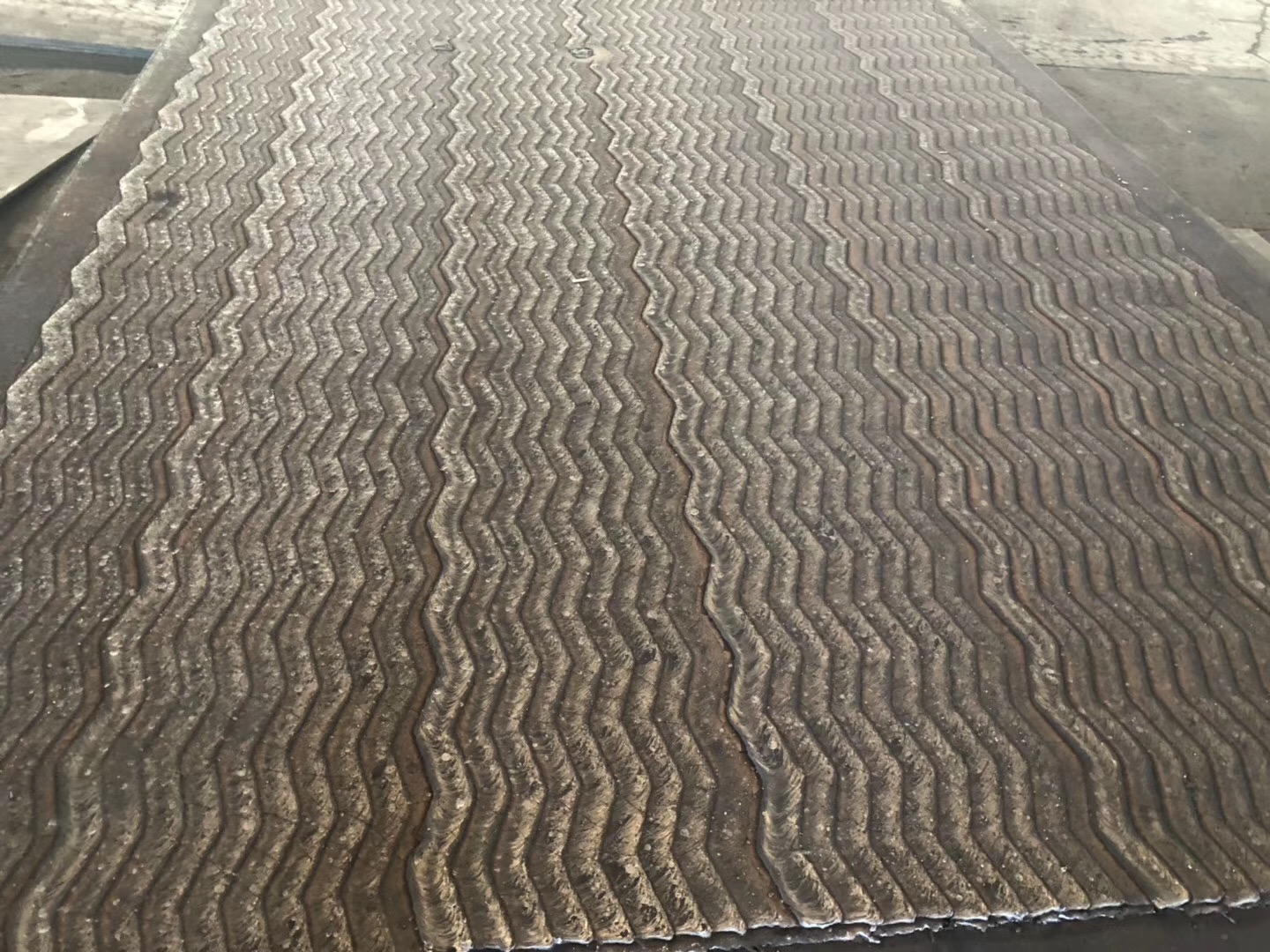
Severe abrasion is a persistent challenge across industries that process, transport, or handle hard and abrasive materials. Mining operations move rock and ore, cement plants process abrasive raw materials, and power generation facilities handle coal and other bulk materials. In these environments, conventional steel components can experience rapid surface wear, leading to frequent replacement, production interruptions, and rising maintenance costs.
For applications dominated by severe abrasive wear, chromium carbide overlay has become an important hardfacing solution. Its combination of a hard carbide-rich wear surface and a supporting steel substrate allows it to provide concentrated protection in areas where conventional materials may wear too quickly.
But what makes chromium carbide overlay particularly suitable for severe abrasion? The answer lies in its material structure, wear mechanism, and ability to provide targeted protection for high-wear industrial components.
What Is Chromium Carbide Overlay?
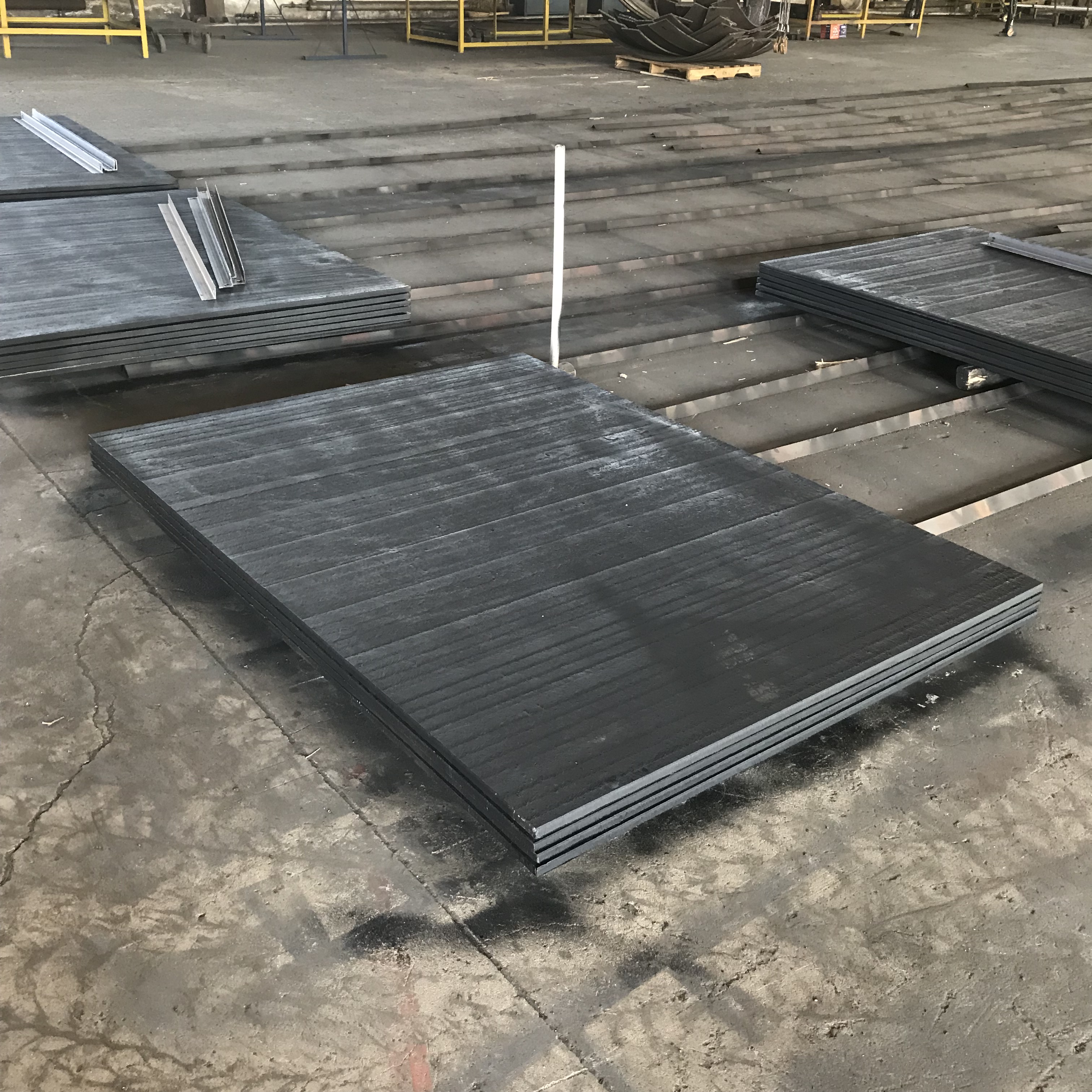
Chromium carbide overlay, often abbreviated as CCO, is a hardfacing technology used to create a highly wear-resistant surface on a steel substrate.
During the hardfacing process, an alloy layer containing chromium and carbon is deposited onto a steel base. Under controlled metallurgical conditions, hard chromium carbide phases form within the overlay.
The resulting material essentially has two functional zones:
-
Hardfacing layer: Provides resistance against severe abrasive wear.
-
Steel substrate: Provides structural support and toughness.
This combination is different from a conventional homogeneous steel plate, where the wear resistance comes primarily from the properties of the steel itself.
The purpose of CCO is to place a highly wear-resistant surface exactly where abrasive wear is expected to occur.
Why Severe Abrasion Requires a Specialized Solution
Not all abrasion is equally aggressive.
In a relatively mild environment, a conventional steel component may provide an acceptable service life. However, severe abrasion can occur when equipment continuously handles hard particles under high pressure, high velocity, or high material throughput.
Typical severe-wear conditions include:
-
Hard mineral particles
-
Sharp and angular rocks
-
Continuous material flow
-
High-volume material handling
-
Repeated particle contact
-
High material velocity
-
Long operating cycles
-
Concentrated wear at transfer points
Under these conditions, a conventional steel surface can gradually lose material until the component becomes too thin or structurally compromised.
Replacing these components frequently can be costly, especially when equipment must be shut down to perform maintenance.
Chromium carbide overlay addresses this problem by providing a dedicated hardfacing surface designed specifically for abrasive wear.
1. High Hardness of Chromium Carbide Phases
One of the most important reasons CCO performs well under severe abrasion is the formation of hard chromium carbide phases within the overlay.
Abrasive particles attempt to penetrate or remove material from the surface during operation. The hard carbide structure provides resistance to this process.
Instead of allowing abrasive particles to easily cut into the surface, the carbide-rich layer acts as a protective barrier.
This characteristic is particularly valuable in applications dominated by high-stress or low-stress sliding abrasion, depending on the selected CCO grade and material configuration.
However, surface hardness should not be considered independently. Overall wear performance also depends on carbide distribution, matrix characteristics, overlay composition, thickness, substrate properties, and manufacturing consistency.
2. Carbide-Rich Microstructure
The performance of chromium carbide overlay is not simply determined by how hard the surface is.
The internal microstructure of the overlay is also critical.
Chromium and carbon react during the hardfacing process to form carbide phases within the metallic matrix. The distribution and morphology of these carbides influence how the surface responds to abrasive particles.
A well-designed overlay provides a combination of:
-
Hard carbide phases
-
Supporting metallic matrix
-
Strong metallurgical bonding
-
Consistent wear-resistant structure
When abrasive particles move across the surface, the carbide phases help resist material removal while the matrix supports the overall structure.
This microstructural design is one of the fundamental differences between CCO and conventional steel-based wear protection.
3. Dedicated Wear Protection
One major advantage of chromium carbide overlay is that wear protection can be concentrated where it is actually needed.
Heavy industrial equipment rarely wears evenly.
For example, a chute may experience its highest wear at the material impact point. A hopper may wear most rapidly around the inlet or transition area. A conveyor transfer point may experience severe abrasion where material changes direction.
Instead of manufacturing an entire machine from an expensive wear-resistant material, CCO can be applied to selected high-wear surfaces.
This makes it possible to develop a targeted wear protection strategy.
4. High Resistance to Sliding Abrasion
Sliding abrasion is one of the most common wear mechanisms in bulk material handling.
As abrasive particles move across a metal surface, they can gradually remove material through cutting, scratching, or deformation.
Examples include:
-
Chutes
-
Hoppers
-
Conveyor liners
-
Bins
-
Transfer points
-
Material feeders
The hard carbide-rich surface of CCO helps resist this continuous material removal.
This makes chromium carbide overlay particularly attractive when equipment operates continuously and the dominant failure mechanism is severe sliding abrasion.
5. Suitable for Heavy Industrial Applications
CCO technology is widely used in industries where abrasive wear is a major maintenance concern.
Mining
Mining equipment handles some of the most abrasive materials encountered in industry.
Rock, ore, and mineral particles can cause rapid wear on:
-
Crushers
-
Chutes
-
Hoppers
-
Conveyor systems
-
Transfer points
-
Dump bodies
-
Wear liners
Chromium carbide overlay can be used to protect selected high-wear areas and extend the service interval of these components.
Cement
Cement production involves crushing, grinding, conveying, and processing abrasive raw materials.
CCO can be used in:
-
Material chutes
-
Hoppers
-
Conveying systems
-
Transfer points
-
Grinding-related components
-
Wear liners
The appropriate grade should be selected according to the specific material and operating conditions.
Power Generation
Coal handling systems can experience continuous abrasive wear.
CCO wear protection can be applied to:
-
Coal chutes
-
Bunkers
-
Hoppers
-
Transfer points
-
Conveyor components
The objective is to reduce wear on the underlying equipment and extend maintenance intervals.
Metallurgy
Metallurgical facilities often combine abrasive materials with heavy mechanical loads and elevated temperatures.
Wear-resistant hardfacing can be considered for equipment handling:
-
Ore
-
Slag
-
Sinter
-
Mineral materials
-
Other abrasive bulk materials
Where elevated temperatures are involved, the selected CCO system should be verified for the actual operating temperature.
6. Balance Between Wear Surface and Substrate
A common misconception is that a wear-resistant plate needs to be extremely hard throughout its entire thickness.
CCO takes a different approach.
The hardfacing layer is responsible primarily for resisting wear, while the steel substrate provides structural support.
This layered construction allows engineers to use a highly wear-resistant surface without requiring the entire component to consist of the same hard material.
The substrate also helps support the overlay when the component experiences mechanical loading, vibration, or certain levels of impact.
The balance between overlay and substrate is therefore important when designing a wear-resistant component.
7. Different CCO Grades for Different Conditions
Severe abrasion does not always occur under identical conditions.
One application may involve continuous sliding abrasion, while another may combine abrasion with medium or strong impact. Some industrial processes may also operate at elevated temperatures.
For this reason, CCO products can be developed in different grades or configurations.
Selection may consider:
-
Abrasion severity
-
Impact intensity
-
Operating temperature
-
Required service life
-
Overlay thickness
-
Substrate properties
For example, a low-stress abrasive application may require a different solution from a crusher feed area where large rocks repeatedly impact the wear surface.
The objective is to match the CCO configuration to the actual wear mechanism.
Chromium Carbide Overlay vs Conventional Steel
The difference becomes clearer when comparing the two approaches.
| Property | Conventional Steel | Chromium Carbide Overlay |
|---|---|---|
| Primary purpose | Structural performance | Severe wear protection |
| Wear-resistant layer | No dedicated overlay | Yes |
| Carbide-rich surface | No | Yes |
| Severe abrasion resistance | Limited depending on grade | High |
| Targeted wear protection | Limited | Highly suitable |
| Maintenance interval | Application dependent | Potentially extended in severe abrasion |
| Typical application | General structural components | High-wear industrial surfaces |
Conventional steel remains essential for many industrial structures.
The purpose of CCO is not to replace all steel. Instead, it provides a specialized surface for locations where abrasion is severe enough to justify additional wear protection.
Chromium Carbide Overlay vs Abrasion Resistant Steel
Abrasion resistant steel is another common solution for industrial wear protection.
It typically provides wear resistance through a hardened steel structure, while CCO uses a separate hardfacing layer.
Abrasion resistant steel can provide a useful combination of hardness, toughness, and fabrication characteristics. It may be a practical option for applications where moderate to heavy wear occurs and conventional steel fabrication is important.
CCO becomes particularly attractive when severe abrasion is the dominant concern.
A simplified comparison is:
| Factor | Abrasion Resistant Steel | Chromium Carbide Overlay |
|---|---|---|
| Material structure | Hardened steel | Hardfacing layer + steel substrate |
| Severe sliding abrasion | Suitable | Particularly suitable |
| Impact performance | Grade dependent | Grade and substrate dependent |
| Surface wear protection | High | Very high |
| Fabrication | Generally straightforward | Application-specific |
| Targeted severe-wear zones | Suitable | Highly suitable |
| Material selection | Based on steel grade | Based on overlay and substrate configuration |
Neither solution is universally superior.
The correct choice depends on the actual operating environment.
8. Longer Service Intervals
One of the main reasons industries use CCO is to extend the operating period between wear-component replacements.
When a high-wear surface wears more slowly, maintenance teams may be able to increase the interval between shutdowns.
This can be particularly valuable in:
-
Continuous mining operations
-
Large cement plants
-
Bulk material handling facilities
-
Power plants
-
Mineral processing operations
Longer service intervals can reduce:
-
Replacement frequency
-
Maintenance labor
-
Spare-part consumption
-
Equipment downtime
-
Production interruptions
However, actual service life depends on the specific wear conditions and should be evaluated using real operating data whenever possible.
9. Reduced Total Cost of Ownership
A CCO plate may have a higher initial purchase cost than conventional steel.
That does not necessarily mean it is more expensive over the entire equipment lifecycle.
Industrial buyers should consider:
Initial material cost + fabrication + installation + maintenance + replacement + downtime
If CCO significantly extends the service life of a component, the cost per operating hour can become more favorable.
This is particularly important when replacement requires shutting down critical production equipment.
For severe abrasion applications, the economic value of a wear-resistant material should therefore be evaluated according to service life and maintenance cost, not simply purchase price.
10. Customized Wear Protection
Industrial equipment comes in many different shapes and configurations.
Standard flat plates may not always provide the most efficient protection.
CCO wear-resistant materials can be manufactured or fabricated into different forms according to equipment requirements.
Potential applications include:
-
Flat wear plates
-
Wear liners
-
Chute liners
-
Hopper liners
-
Wear pipes
-
Pipe elbows
-
Crusher components
-
Grizzly bars
-
Wear bars
-
Customized hardfacing parts
Customization can also allow different thicknesses or wear configurations to be used in different areas of the same machine.
This targeted approach can help optimize material usage while protecting the areas that experience the greatest wear.
What Makes a Good Chromium Carbide Overlay?
When purchasing CCO products, industrial buyers should look beyond the product name.
Important technical factors include:
Overlay Composition
The chemical composition influences carbide formation and overall wear performance.
Carbide Distribution
Consistent carbide distribution can contribute to predictable wear behavior.
Overlay Thickness
Thickness should be matched to expected wear rate and required service life.
Substrate Properties
The substrate must provide appropriate structural support for the application.
Bonding Quality
The interface between the overlay and substrate is important for overall component performance.
Manufacturing Consistency
Consistent production parameters are essential for repeatable performance across batches.
Fabrication Compatibility
The plate should be suitable for the required cutting, welding, and installation methods.
When Should You Consider Chromium Carbide Overlay?
CCO is particularly worth considering when:
-
Severe abrasion is the primary cause of component failure.
-
Hard abrasive materials continuously contact the surface.
-
Existing steel components require frequent replacement.
-
Wear is concentrated in specific equipment areas.
-
Maintenance shutdowns are expensive.
-
Long service intervals are important.
-
Customized wear protection is required.
-
The equipment operates continuously under abrasive conditions.
However, CCO should not automatically be selected for every wear application.
Where impact is dominant, extensive forming is required, or other mechanical properties are critical, engineers should evaluate alternative materials and configurations as part of the selection process.
Questions to Ask Before Selecting a CCO Solution
Before purchasing chromium carbide overlay products, industrial buyers should collect information about the actual operating conditions.
Useful questions include:
-
What material is causing the wear?
-
What is the material hardness?
-
What is the typical and maximum particle size?
-
Is the wear primarily sliding, impact, or erosion?
-
What is the material velocity?
-
What is the material throughput?
-
Where is the highest-wear area?
-
What is the operating temperature?
-
What service life is required?
-
What plate thickness is available?
-
How will the component be installed?
-
Does the equipment require a customized shape?
Providing this information allows the wear-resistant material supplier to recommend a solution based on actual conditions rather than a generic product specification.
Conclusion
Chromium carbide overlay is widely used for severe abrasion because it combines a hard carbide-rich wear surface with a supporting steel substrate.
Its primary strength lies in its ability to provide specialized surface protection against aggressive abrasive wear while maintaining a structural base suitable for industrial equipment.
Compared with conventional steel, CCO provides a dedicated hardfacing layer. Compared with many conventional abrasion-resistant steel solutions, it can offer a particularly effective approach for severe sliding abrasion and concentrated high-wear zones.
The best results come from matching the overlay composition, thickness, substrate, and grade to the actual operating environment.
For mining, cement, power generation, metallurgy, and bulk material handling, chromium carbide overlay can help protect high-wear components, extend maintenance intervals, and reduce the long-term impact of abrasive wear.
Ultimately, the value of CCO should be measured not only by its initial material cost, but by its ability to deliver reliable wear protection, longer service life, reduced maintenance, and lower total cost of ownership in demanding industrial applications.
Table of Contents
- What Is Chromium Carbide Overlay?
- Why Severe Abrasion Requires a Specialized Solution
- 1. High Hardness of Chromium Carbide Phases
- 2. Carbide-Rich Microstructure
- 3. Dedicated Wear Protection
- 4. High Resistance to Sliding Abrasion
- 5. Suitable for Heavy Industrial Applications
- 6. Balance Between Wear Surface and Substrate
- 7. Different CCO Grades for Different Conditions
- Chromium Carbide Overlay vs Conventional Steel
- Chromium Carbide Overlay vs Abrasion Resistant Steel
- 8. Longer Service Intervals
- 9. Reduced Total Cost of Ownership
- 10. Customized Wear Protection
- What Makes a Good Chromium Carbide Overlay?
- When Should You Consider Chromium Carbide Overlay?
- Questions to Ask Before Selecting a CCO Solution
- Conclusion