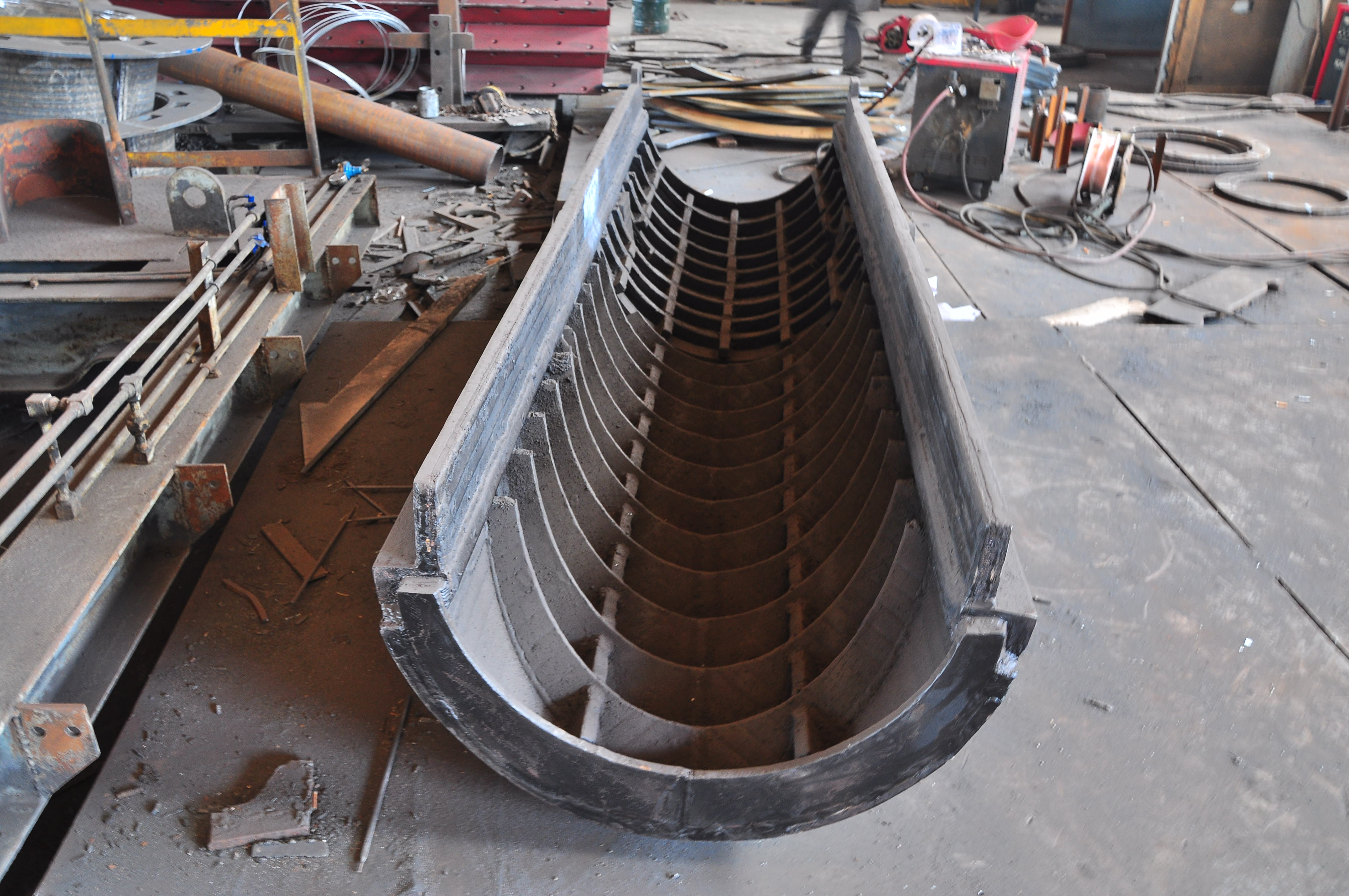
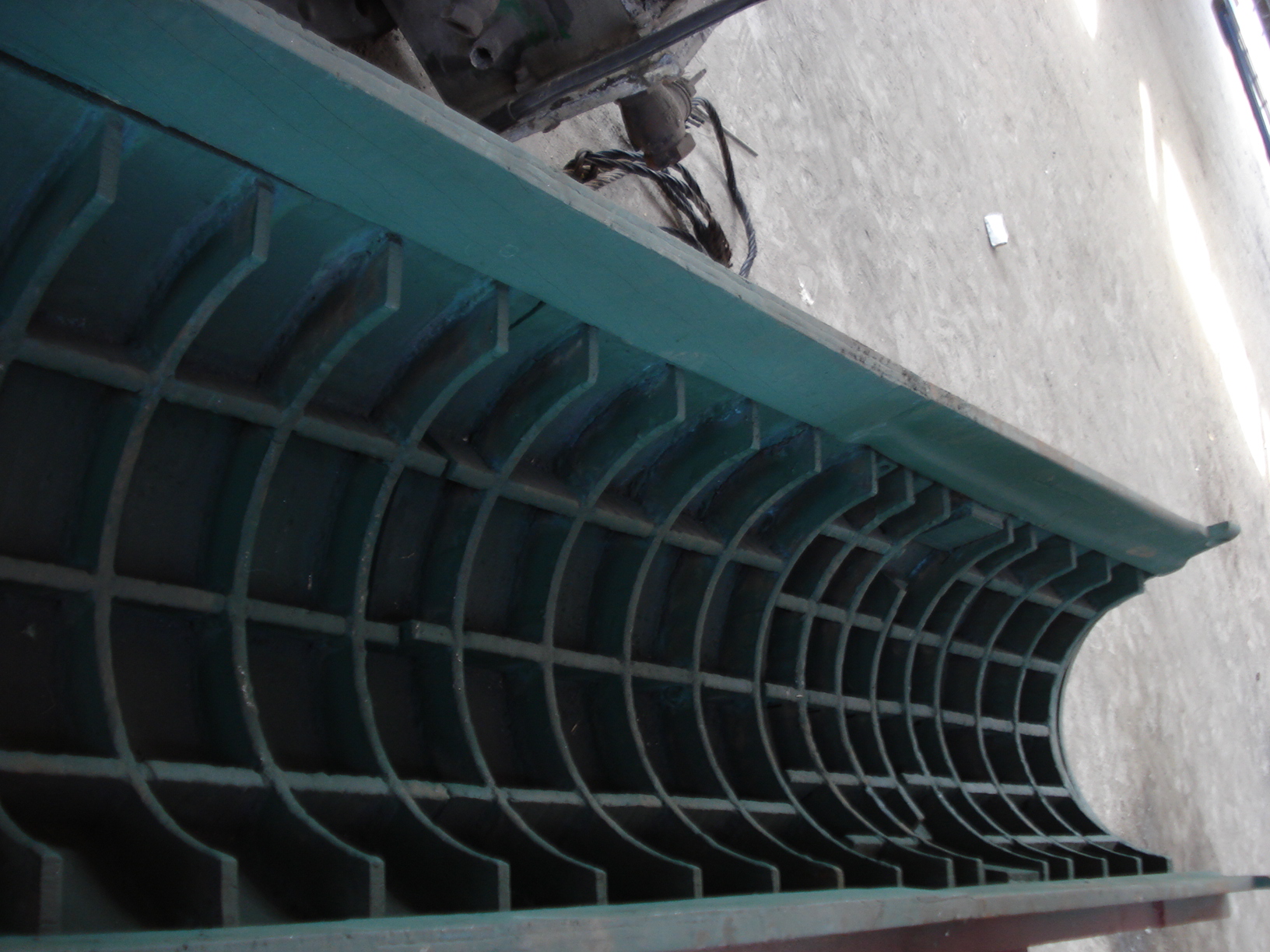
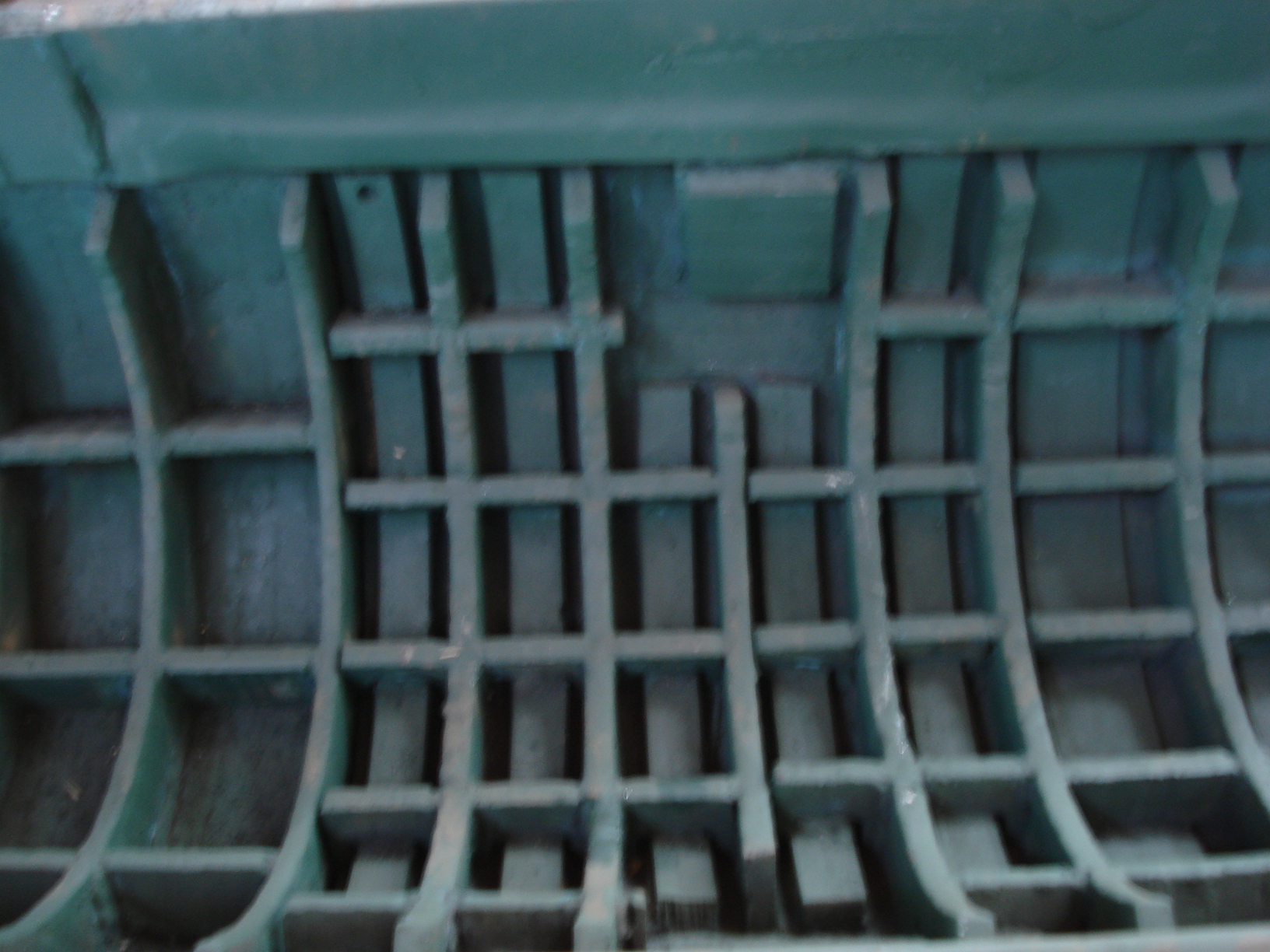
Chute liner
A Chute liner is a replaceable protective surface installed inside a transfer chute, loading chute, discharge chute, or similar material-handling passage. Its main purpose is to shield the chute body from impact, abrasion, heat, corrosion, and product buildup. By creating a durable contact layer, a Chute liner helps materials move through the system with less damage to the supporting structure. It also supports safer, cleaner, and more predictable operations.
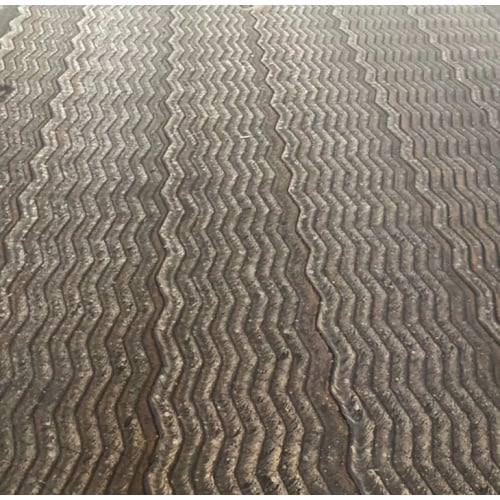
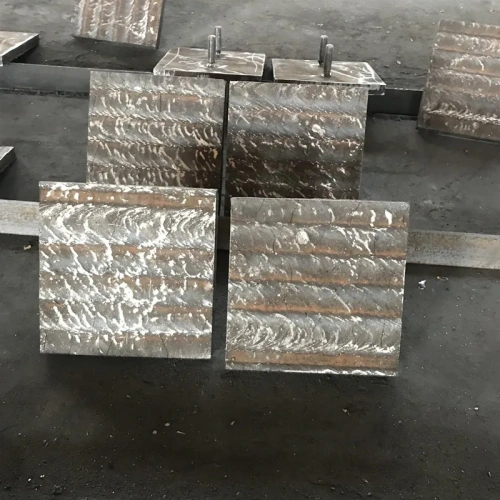
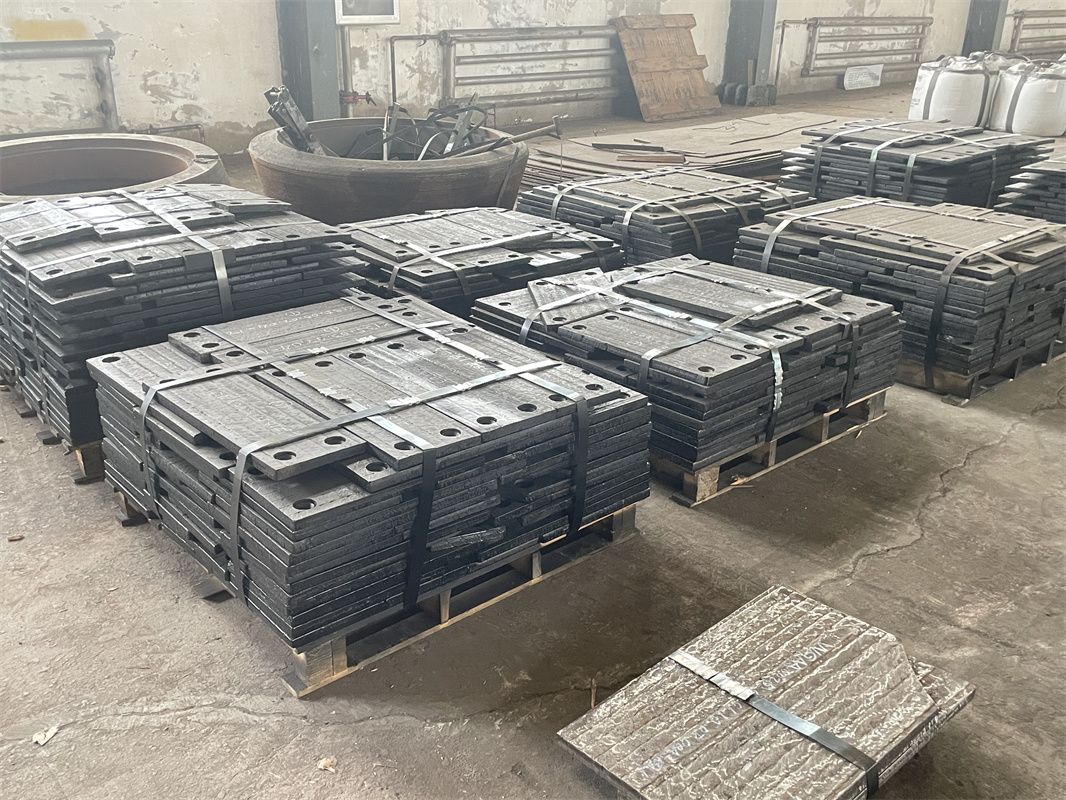
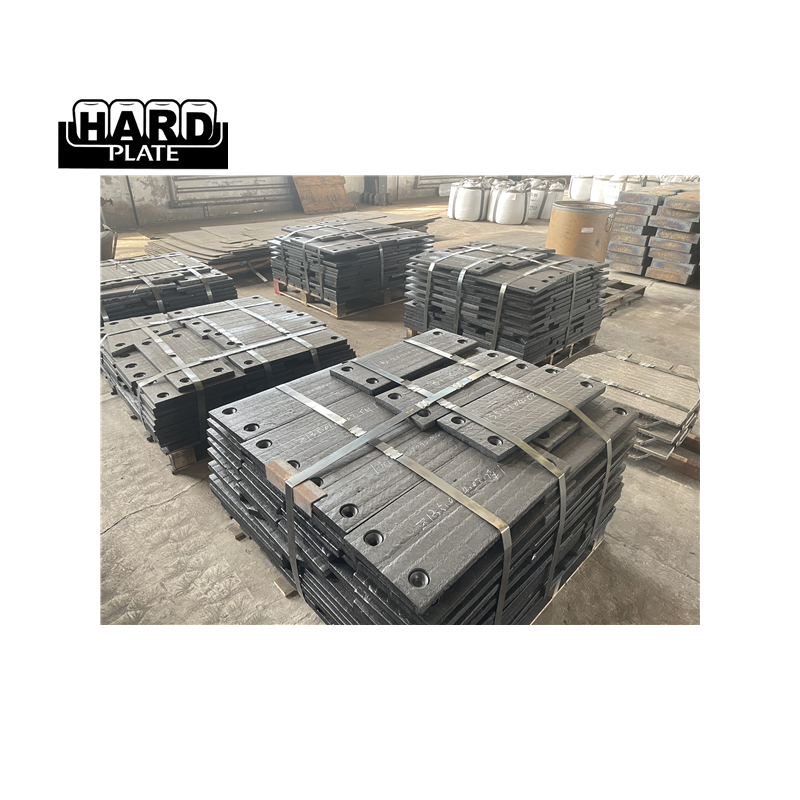
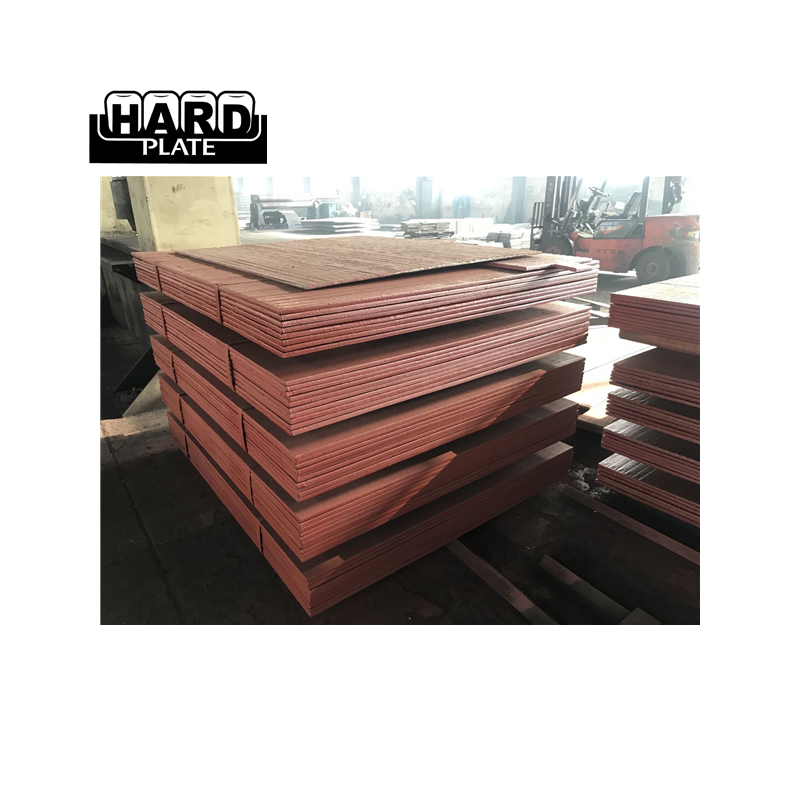
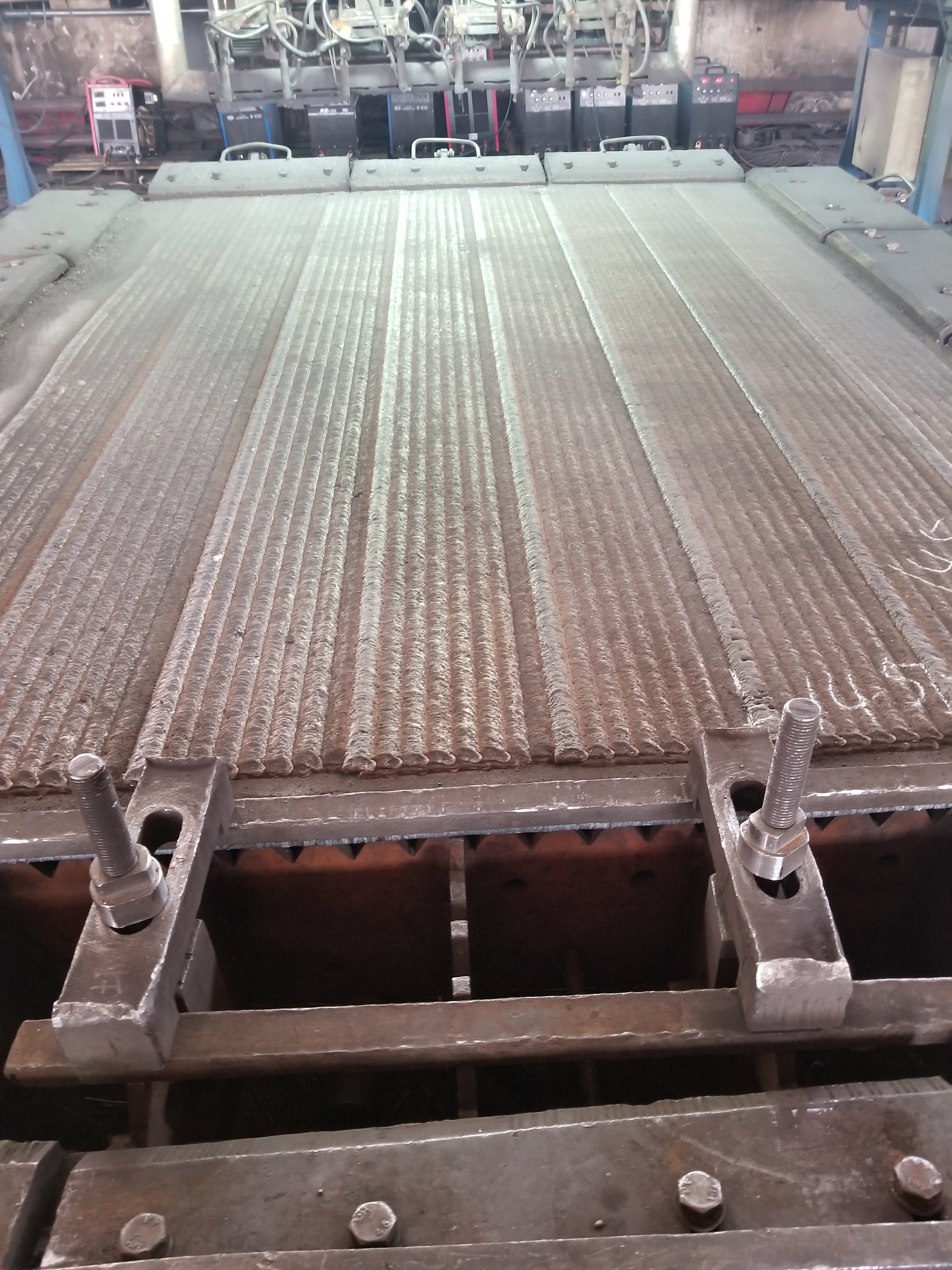
A Chute liner can be produced from wear-resistant steel, rubber, polyurethane, ceramic-backed material, or engineered composite. The best choice depends on material size, drop height, flow speed, moisture, temperature, and the level of wear expected. For example, rubber can reduce noise and absorb impact, while ceramic or hardened steel can handle highly abrasive material. This Chute liner range allows users to match protection with actual operating conditions rather than rely on a one-size-fits-all solution.
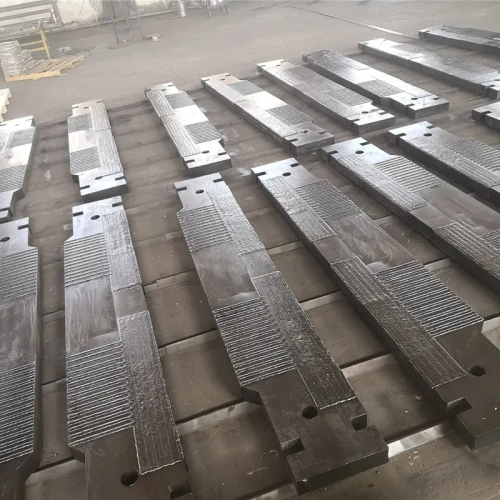
Modern designs use accurate cutting, formed sections, countersunk fasteners, modular panels, and optional backing systems. These features help the Chute liner fit securely and reduce exposed edges where material could catch. Some designs also use low-friction surfaces to limit sticking and improve flow. A Chute liner may be supplied as standard panels or made to drawings for complex transfer points.
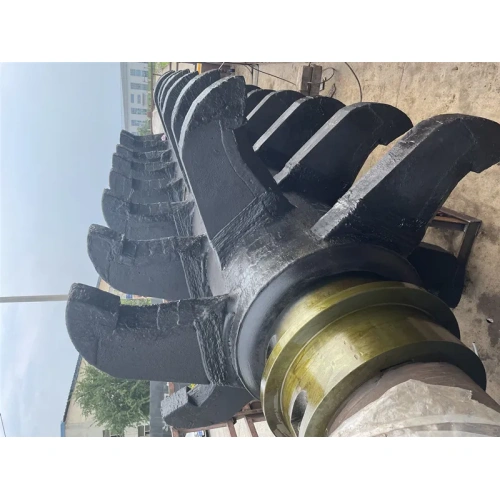
The Chute liner is widely used in mining, quarrying, cement, aggregates, recycling, power generation, ports, agriculture, and bulk material processing. It protects equipment handling coal, ore, stone, sand, grain, clinker, glass, waste, and other demanding products. Selecting the right Chute liner can extend chute life, reduce unplanned shutdowns, and make maintenance easier. Replacing a worn Chute liner is usually faster and less costly than repairing the main chute body.
 EN