
 EN
EN
Unmatched Abrasion Resistance in High-Wear Applications about Chromium Carbide Overlay Plate
How Microcutting, Gouging, and Fatigue Wear Degrade Traditional Steel Plates
Compared to chromium carbide overlay plates,the traditional abrasion resistant steels such as AR400 and AR500 tend to fail faster in those really tough wearing conditions because there are basically three main ways they get worn down. First up we have microcutting where those sharp little abrasive bits basically scratch away at the steel surface at weird angles, creating deeper and deeper grooves over time. Then there's gouging which happens when big chunks of debris hit the metal hard enough to bend it locally and push material around. And finally fatigue wear sets in after all that repeated stress, starting tiny cracks underneath the surface that eventually work their way up and cause pieces to break off completely. All together these problems cut down how long mining equipment lasts by somewhere between 40% and 60% according to recent reports from Materials Performance in 2023. That kind of downtime costs companies serious money.
Chromium Carbide Overlay Plate’s Eutectic Cr₇C₃ Network: A Hard-Phase Barrier Against Micro-Plowing
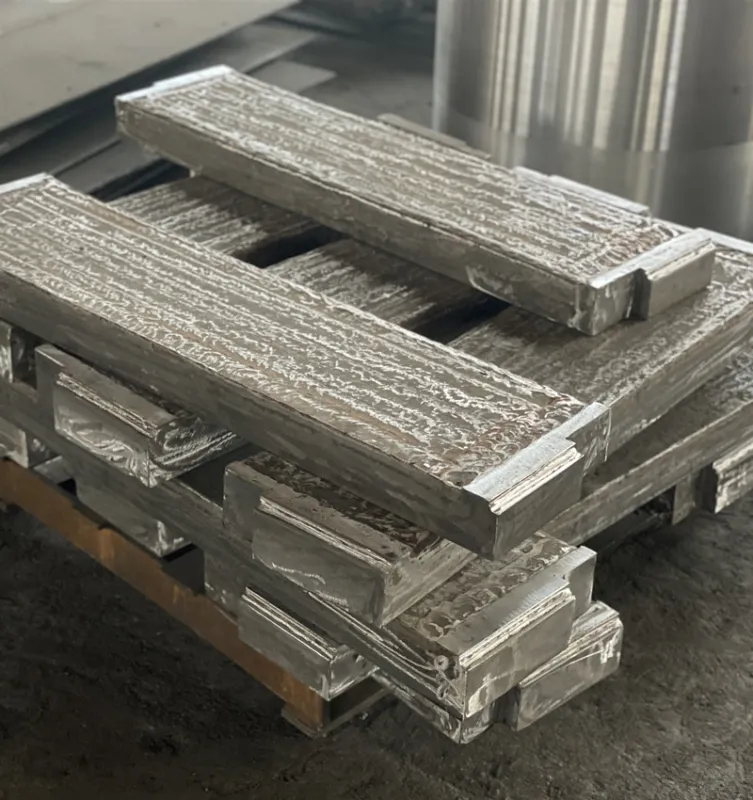
The chromium carbide overlay plate fights against wear thanks to its special microstructure made up mostly of chromium carbides (Cr7C3). These form about 30 to 40 percent of the surface layer, creating something similar to how rocks fit together in nature. When abrasive materials hit the surface, instead of just bending or deforming like regular metals do, these carbides actually crack in a controlled way to deflect the damage. Surface hardness measures between 55 and 65 on the Rockwell scale, which is almost twice as hard as standard steel products. What makes this material really stand out though is how it combines strength with flexibility. The wear resistant coating is attached to a tough base metal called Q&T steel, making the whole thing work well under both grinding forces and sudden impacts. Cement plant operators report seeing three times less wear compared to traditional AR500 plates when used in those harsh clinker grinding applications over a full year period.
Optimized Hardness-Microstructure Balance for Real-World Durability
55–65 HRC Surface Hardness vs. AR400/AR500: Higher Indentation Resistance Without Brittleness
The chromium carbide overlay plate hits surface hardness levels between 55 and 65 HRC, which is around 30% harder than standard AR500 steel thanks to its unique hypereutectic Cr7C3 microstructure. What makes this material stand out is how it sidesteps the brittleness issues that plague many traditional abrasion resistant steels. The design works by embedding these super hard carbides into a flexible iron matrix, giving it remarkable protection against microcutting damage and gouging while still allowing for about 15 to 20% elongation before breaking. Real world testing with the same ore impact conditions shows these plates cut gouge depth by roughly 60% compared to AR450 steel. This combination of toughness and durability makes them workhorse materials for tough environments like mining operations where crushers get hammered daily, or cement mixing equipment dealing with coarse aggregates that cause constant wear and sudden impacts.
Bimetallic Design: Wear-Resistant Overlay Bonded to Tough Q&T Substrate for Impact Absorption
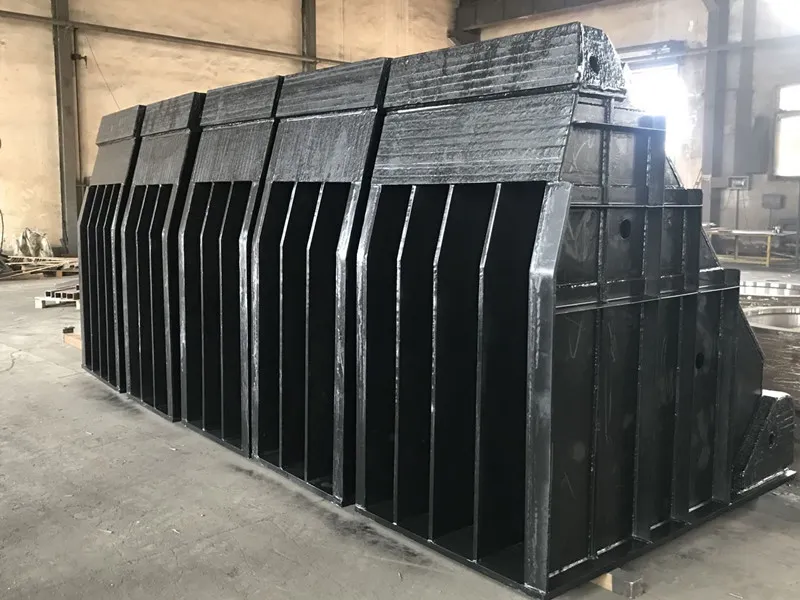
A bimetallic plate combines a chromium carbide overlay that ranges from 6 to 8 mm thick with a Q&T steel base layer between 6 and 20 mm. This setup basically divides responsibilities between parts. The carbide overlay takes care of wearing down abrasives thanks to its network of hard particles, whereas the steel base handles impacts because it can withstand forces without breaking easily (with yield strengths around 800 to 1200 MPa) and still bend a bit when needed. Tests using finite element methods show these plates absorb about 40 percent more impact energy compared to regular single layer AR500 steel. When put into loader buckets for granite processing, these components lasted through more than 5,000 impacts before any welds failed, which is roughly three times better than standard AR500 materials. The steel base also stretches about 15 to 20 percent before giving way, so it can deform under stress without cracking off from the overlay. This makes the whole plate really good for vibrating screens and other areas where intense forces are constantly at work.
Proven Lifecycle and Cost Advantages of Chromium Carbide Overlay Plate
3–8x Longer Service Life: Field Data from Aggregate Handling and Mining Operations
The chromium carbide overlay plate typically lasts between three to eight times longer than standard AR400 or AR500 steel in those tough industrial environments where wear is constant. Take iron ore conveyor systems for instance - field reports show operators are getting seven times fewer replacements needed in their transfer chutes, cutting down maintenance work by around two thirds according to Minerals Engineering journal last year. For granite crushing plants, these special wear plates have been known to stick around for over five years compared to the mere ten months seen with regular materials. Why does this happen? Well, it all comes down to that unique eutectic Cr7C3 structure within the overlay. This microscopic arrangement stands up much better against those jagged particles that would normally scratch and degrade normal steel surfaces over time.
Lower Total Cost of Ownership: Reduced Downtime, Weld Repairs, and Replacement Frequency
The upfront price tag for chromium carbide overlay plates runs about 3 to 5 times what mild steel would cost, but look at the big picture and it actually cuts total ownership expenses by nearly half each year when used in operations running nonstop. Real world numbers from cement plants tell the story best: they've seen around three quarters fewer unexpected shutdowns and forty percent less need to replace parts after ten years of service. When companies stop wasting time and money on constant welding fixes for worn out surfaces plus spend 80% less time swapping out plates, they typically get their investment back in just 18 to 24 months. These savings really stand out in industries like coal transport systems and slag processing facilities where keeping things moving without interruption matters most to bottom line results.
FAQ
What are the main causes of wear in traditional abrasion-resistant steels?
The primary causes of wear in traditional abrasion-resistant steels are microcutting, gouging, and fatigue wear. Microcutting occurs when abrasive particles scratch the steel surface, gouging happens from impacts with large debris, and fatigue wear is due to repeated stress leading to cracks.
How does chromium carbide overlay plate improve wear resistance?
Chromium carbide overlay plate improves wear resistance through its microstructure of chromium carbides (Cr7C3), which form a hard-phase barrier. The overlay's surface hardness ranges between 55 and 65 HRC, providing significant protection against wear.
What are the cost benefits of using chromium carbide overlay plates?
Although higher in initial cost, chromium carbide overlay plates reduce total ownership costs by cutting downtime, minimizing weld repairs, and decreasing replacement frequency. Industries report significant cost savings with recovered investments in 18 to 24 months.