
 EN
EN
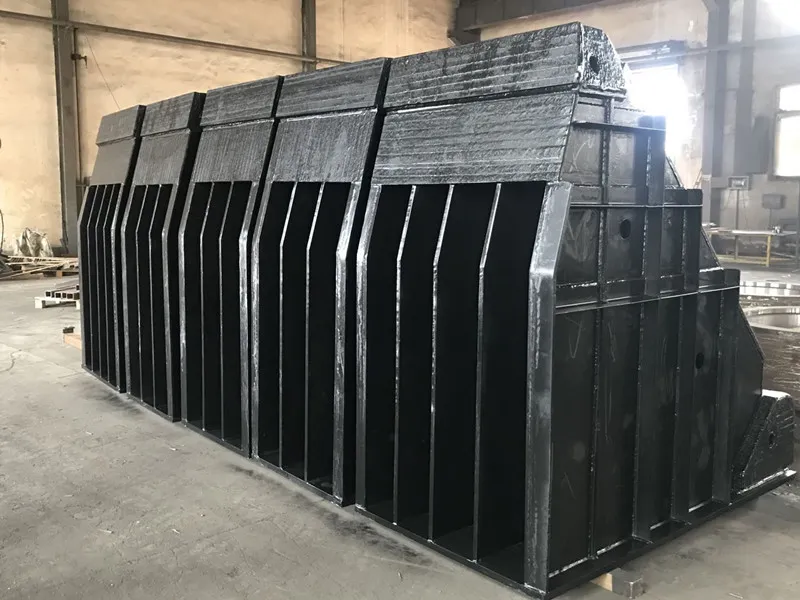
How Chromium Carbide Overlay Plate Delivers Superior Wear Resistance
Metallurgical Foundation: CrₓCₓ Eutectic Carbides in a Tough Austenitic–Martensitic Matrix
The chromium carbide overlay plate gets its remarkable toughness from how it's structured at the microscopic level. What makes this material stand out is its hypereutectic makeup, which creates those primary Cr7C3 carbides we consider among the toughest substances around, measuring between 1400 to 1800 on the hardness scale. These carbides make up roughly half to two-thirds of the overlay's total volume. The way these carbides form blocks that lock together helps them push away abrasive materials and stop things from penetrating the surface. Embedded within this structure is a mix of strain hardening austenite and fracture resistant martensite phases. This combination allows stresses to spread out more evenly when something hits the material. When welded, the quick cooling process results in very small carbide particles, typically under 30 micrometers in size, while keeping dilution from the underlying mild steel to a minimum. The end result? A material that stands up against deep cuts, surface wear, and even stops cracks from spreading further.
Performance Benchmark: Outperforming Mn13 Steel, AR400, and Cast White Iron in Abrasive-Impact Environments
In combined abrasion-impact environments typical of mining and cement operations, CCO plate consistently outperforms conventional wear materials. ASTM-compliant laboratory testing simulating conveyor chute conditions reveals:
- 3.2× longer life than AR400 plate (400 BHN) under 50 mm quartzite impact
- 2.7× improvement over work-hardened Mn13 steel in low-stress sliding abrasion
- 4.1× advantage against cast white iron in impact fatigue resistance
| Material | Abrasion Resistance | Impact Tolerance | Service Life Index* |
|---|---|---|---|
| CCO Plate | ★★★★★ | ★★★★☆ | 100 |
| Cast White Iron | ★★★★☆ | ★★★☆☆ | 24 |
| AR400 Steel | ★★★☆☆ | ★★★☆☆ | 31 |
| Mn13 Steel | ★★★☆☆ | ★★★★☆ | 37 |
| *Index based on ASTM G65/G75 testing under combined stresses (ASM Handbook, Vol. 18, 2023) |
This performance stems from CCO's balanced design: CrₓCₓ carbides prevent particle embedment and cutting wear, while the austenitic–martensitic matrix absorbs kinetic energy without brittle fracture—making it uniquely suited for crusher liners, transfer chutes, and other high-severity zones where single-mechanism alloys fail.
Chromium Carbide Overlay Plate in Mining: Solving High-Severity Wear Failures
Critical Applications: Crusher Liners, Shovel Buckets, and Conveyor Chutes Under Dual-Stress Conditions
Mining gear takes a real beating from both abrasion and impacts at the same time, which wears down regular steel pretty fast. That's where CCO plate shines in those tough spots like primary crusher liners that get hit with granite and iron ore all day long, excavator bucket lips constantly bouncing off rocks, and conveyor belt transfer points where dust and grit build up and eat away at surfaces. When it comes to shovel buckets dealing with blasted rock material, the special overlay actually soaks up the shock instead of letting the metal bend out of shape while keeping those sharp edges intact. Real world tests show these parts last anywhere from three to five times longer compared to standard AR400 or Mn13 materials. The secret lies in how the chromium carbide network stays stable under stress and how the matrix dissipates energy during those constant hits and scrapes.
Field Validation: 4.2× Service Life Extension on Primary Crusher Liners (Shenyang Hard Welding, 2023)
Data collected at Shenyang Hard Welding shows just how good CCO really is in practice. The primary crusher liners used in magnetite processing plants lasted 4.2 times longer than standard AR400 steel, which means these parts now stay in operation for well over 1,200 hours before needing replacement. What does this actually mean on the ground? Well, maintenance teams no longer have to replace these liners every month as they did before. Instead, they can wait until three months pass, cutting down downtime for the crushers by around two thirds during our testing phase. When we look at what companies lose when operations stop unexpectedly, it adds up fast. Industry numbers suggest something like $740k gets lost per hour of unplanned shutdown according to research from Ponemon Institute back in 2023. So those extra hours of running time aren't just nice to have they represent serious savings and better overall productivity across the board.
Chromium Carbide Overlay Plate in Cement Production: Mitigating Abrasion in High-Temperature Zones
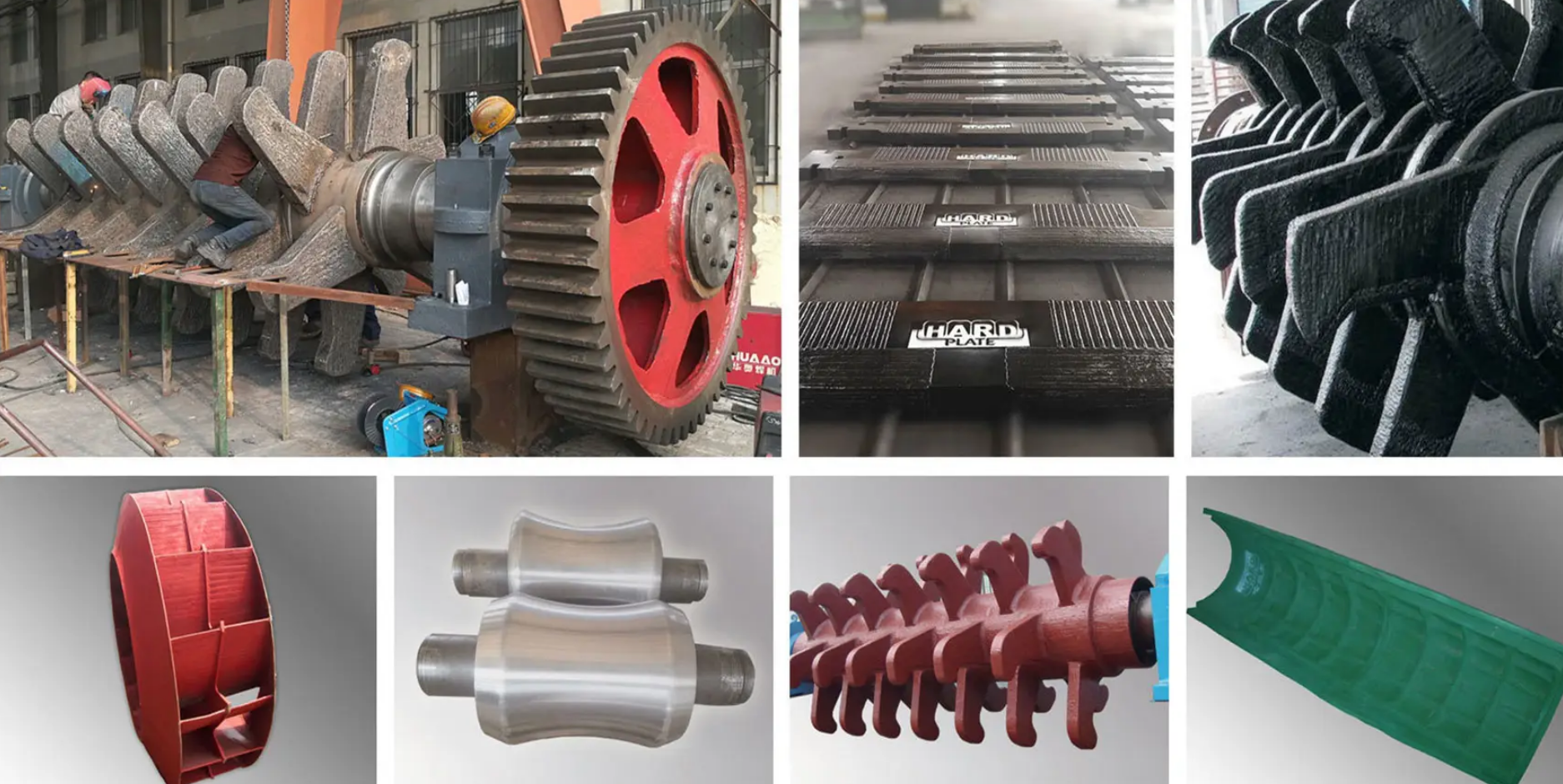
Targeted Use Cases: Kiln Inlet Ducts, Cyclone Preheater Hoppers, and Clinker Mill Liners
The cement manufacturing process puts serious strain on equipment components, especially in areas like kiln inlet ducts where temperatures reach around 600 degrees Celsius and cause clinker abrasion. The same goes for cyclone preheater hoppers dealing with abrasive raw meal during constant thermal cycling, plus clinker mill liners subjected to grinding from hardened nodules. That's where CCO plates really shine. These plates contain chromium carbides distributed throughout a special steel matrix that stays stable even when heated. They maintain good hardness levels between HRC 58 and 63, keeping their strength intact right up to those punishing 600 degree temps. Regular alloys tend to break down when exposed to sudden temperature changes, either through oxidation or flaking away. But CCO stands up to these conditions much better, so parts last longer in the toughest spots of any cement plant operation.
Operational Impact: 68% Reduction in Unplanned Downtime After Retrofitting (Hebei Conch Cement, 2022)
When Hebei Conch Cement upgraded their cyclone preheaters and clinker mill liners with CCO protection back in 2022, the results were pretty impressive. They saw about 68% less unplanned downtime, saved around 540 maintenance hours each year, and kept about $310k in potential production losses from happening. What made this work so well was how the overlay stood up against both thermal shocks and the constant wear from abrasive cement dust. This meant parts lasted much longer too — service intervals went from every three months to once every fourteen months. For anyone running cement plants where temperatures are always high and materials tend to wear things down fast, these kinds of improvements make a huge difference in keeping operations running smoothly while cutting down on maintenance costs over time.
FAQ
-
What is a chromium carbide overlay (CCO) plate?
A chromium carbide overlay (CCO) plate is a wear-resistant surface applied to regular materials to improve their durability and lifespan, particularly in abrasive and high-impact environments.
-
How does CCO plate improve abrasion resistance?
CCO plate improves abrasion resistance through its microstructure composed of hard CrₓCₓ carbides that resist wear and a supporting austenitic–martensitic matrix that absorbs impacts efficiently.
-
Where are CCO plates commonly used in industry?
CCO plates are commonly used in mining operations, cement production, and other industries where equipment is subject to severe wear and tear, such as in crusher liners, shovel buckets, kiln inlet ducts, and clinker mill liners.
-
What benefits have companies observed by using chromium carbide overlay plate?
Companies have noted extended service life of components, reduced maintenance downtime, increased operational efficiency, and significant cost savings by using CCO plates.