
 EN
EN
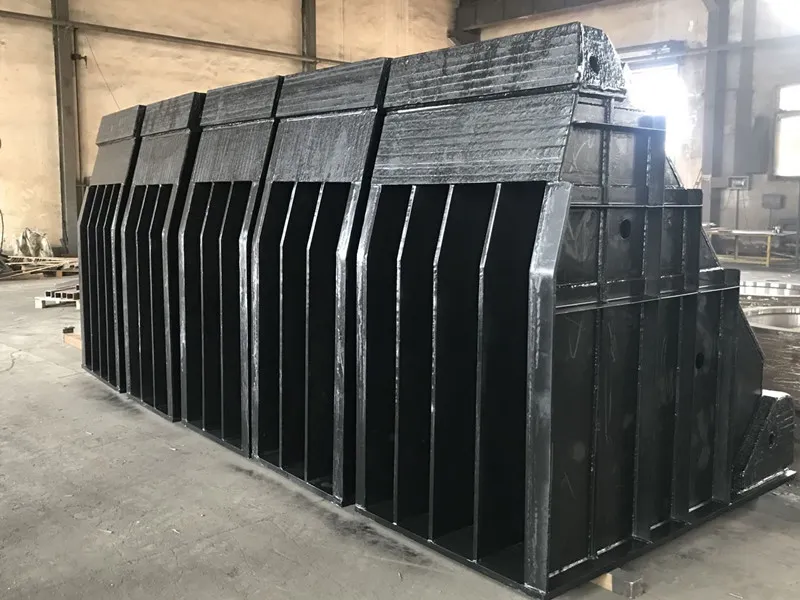
Composition and Microstructure of Chromium Carbide Overlay Plates
Microstructure and Uniform Distribution of Chromium Carbide Particles
CCO plates have a microstructure made up around 40 to 50 volume percent chromium carbides spread throughout a tough iron matrix. Looking at these materials under scanning electron microscopy reveals something interesting about submerged arc welding techniques. The process creates small carbide particles measuring between 5 and 15 micrometers, with most falling within similar sizes across surfaces. What makes this important is how evenly distributed these particles are. When carbides aren't clustered together, they prevent stress points from forming which leads to much better wear resistance. Field tests indicate abrasion can drop nearly three quarters in harsh conditions where traditional overlays with patchy carbide distribution would fail prematurely.
How Microstructure Characterization Influences Wear Performance
XRD and EDS techniques play a vital role in connecting material structures to how they actually perform in real world settings. A study from the Journal of Materials Engineering last year showed something interesting about wear resistance in cement plants. When plates contain more than 45% chromium carbide (Cr7C3), their lifespan extends nearly threefold compared to materials where Cr23C6 dominates. The reason? These Cr7C3 rich plates simply hold up better against abrasion thanks to increased hardness and structural stability when exposed to harsh industrial environments. Manufacturers working with abrasive materials need this kind of information to make informed decisions about component selection.
Key Wear Resistance Mechanisms in Weld Chromium Carbide Overlay (CCO) Plates
Role of Chromium Carbides in Resisting Abrasive Wear
What makes Weld Chromium Carbide Overlay (CCO) plates so resistant to wear comes down to their unique metal structure. Inside these plates, there are hard bits of Cr3C2 and Cr7C3 (with hardness between 1,500 and 1,800 HV) sitting within a stronger iron base material. These little carbide particles work like armor plating against abrasive stuff that would normally eat away at surfaces. Tests show they cut down wear losses by around 62 to 75 percent when compared with regular steel under ASTM G65 conditions. Getting the best results from these plates isn't just about having carbides though. The amount matters too - ideally somewhere between 35% and 45%. Size also plays a role. Larger carbides above 10 microns help stop deep scratches, whereas smaller ones below 5 microns actually reduce those tiny cutting actions that gradually wear materials down over time.
Hardness vs. Toughness: Balancing BHN and Durability in CCO Plates
CCO plates generally have Brinell hardness ratings between about 550 to 650 BHN. But when the hardness goes above around 700 BHN, something interesting happens - the material becomes significantly less tough, roughly 30 to 40% reduction in fracture resistance actually makes it more prone to developing cracks under stress. The best performing designs manage to find that sweet spot between hardness and toughness by carefully controlling how the carbides are spaced throughout the material and getting the matrix composition just right. Recent research from last year showed some promising results too. Plates tested at approximately 60 HRC surface hardness combined with about 40 Joules per square centimeter Charpy impact energy performed exceptionally well compared to other options, especially in harsh conditions like those found in mining operations where materials are constantly subjected to abrasive forces.
Why Hardness (BHN) Alone Is a Misleading Indicator of Wear Resistance
Hardness measurements alone do not capture critical aspects of wear behavior:
- Carbide distribution: Clustered carbides create weak zones despite high average hardness
- Matrix composition: A matrix containing 12–18% chromium improves crack resistance by 25% over low-alloy steels
Field data from cement plants show that even plates with identical 600 BHN readings can vary in service life by a ratio of 3:1 due to differences in microstructure.
Performance Comparison: CCO Plates vs. Other Wear-Resistant Steels
CCO vs. Low-Alloy and Boron Steels: Wear Life and Application Fit
CCO plates last about 2 to 4 times longer than regular low alloy steels when dealing with pure abrasion problems. Their surface hardness goes beyond 60 HRC while quenched steels typically sit around 45 to 55 HRC. Boron enhanced versions handle impacts better obviously, but CCO is where it shines for those really abrasive situations with little impact stress. Think coal chutes and cement mill linings specifically. Field tests from 2025 showed CCO liners making it through over twelve months in a coal plant before needing replacement, whereas AR400 steel only lasted three months under similar conditions. That kind of longevity makes a big difference in maintenance costs over time. Still worth noting though that low alloy steels work better when there's constant reshaping needed or when facing moderate impact forces regularly.
Comparative Hardness and Real-World Wear Behavior
CCO plates have hardness ratings above 60 HRC, which makes them about 30% harder than standard boron steels. What really matters in practice though is how those chromium carbides actually stop abrasive particles from wearing down surfaces. High manganese steels tell a different story. They begin at around 180 to 250 HBW hardness but get much tougher when subjected to impacts, sometimes reaching over 500 HBW after working hardening occurs. This means they handle impacts better overall. Looking at hardness numbers alone misses the bigger picture. While CCO materials excel against sliding abrasion forces, they tend to crack when faced with heavy impact loads. That's why choosing between these materials needs to consider both their hardness properties and their toughness characteristics for specific applications.
FAQ
What are Chromium Carbide Overlay (CCO) plates?
Chromium Carbide Overlay (CCO) plates are composite materials known for high wear resistance, consisting of chromium carbides distributed within a tough iron matrix. They are primarily used in industrial settings to combat abrasion and prolong equipment life.
How does microstructure influence the performance of CCO plates?
Microstructure plays a vital role as it determines how carbides are distributed within the material. Even distribution without clustering prevents stress points, enhancing wear resistance, while studies show that plates with higher chromium carbide content have a significantly longer lifespan.
Why is hardness not the sole indicator of wear resistance in CCO plates?
Hardness is critical but does not capture aspects like carbide distribution and matrix composition which greatly influence wear behavior. Plates with similar hardness can perform drastically different under real-world conditions due to underlying structural differences.