 EN
EN
Understanding Abrasion Challenges in Mineral Extraction
Modern mining operations face three primary wear mechanisms:
- Abrasive sliding wear from crushed ore (20-40% harder than standard steel)
- Impact damage from 500-1,000 lb rock fragments in crushers
- Corrosion-assisted wear in wet processing circuits
Case Study: Chromium Carbide Overlay (CCO) Plates in Iron Ore Handling
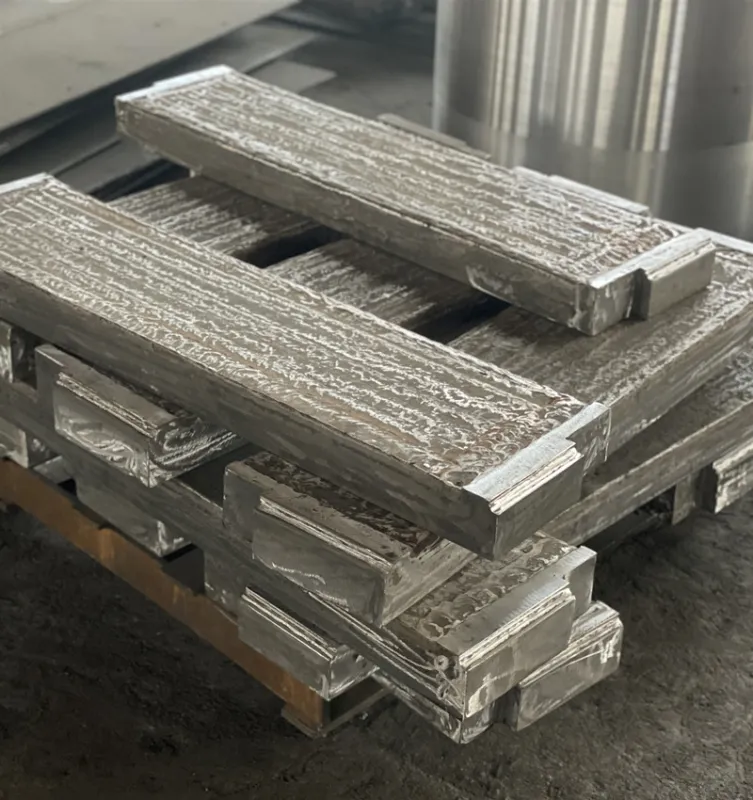
A Canadian mine achieved 11,000-hour service life in primary crusher liners using 12 mm CCO plates—compared to 8,000 hours with traditional AR plates. This improvement led to a 40% reduction in quarterly liner replacements, 19% lower maintenance costs (C$740k annual savings), and zero unplanned downtime over 18 months.
Optimizing Plate Thickness and Hardness for Crusher Liners
| Crusher Type | Recommended Plate Thickness | Hardness (HRC) | Service Life Improvement |
|---|---|---|---|
| Jaw Crusher | 15-25mm | 58-62 | 2.3x vs. manganese steel |
| Cone Crusher | 10-18mm | 60-63 | 1.8x vs. chromium steel |
| Gyratory Crusher | 20-30mm | 56-60 | 3.1x vs. composite liners |
Cement Production: Enhancing Durability in High-Temperature Environments
Addressing High-Temperature Erosion in Kiln Systems
The temperatures inside cement kilns can go well over 1,400 degrees Celsius, which puts serious stress on all the equipment involved. The constant heating and cooling cycles combined with harsh chemical reactions take their toll on everything in there. Standard refractory linings just don't last very long under these conditions. Research from the Ain Shams Engineering Journal back in 2025 found that for every additional 100 degrees past 1,200 Celsius, the life of these linings drops about 30%. That's a big problem for plant operators who need reliable materials to withstand such extreme environments. Fortunately, weld overlay wear plates offer a solution by addressing the issue of different expansion rates between the metal components and the refractory materials they're working with. This helps prevent premature failure and extends operational life significantly.
Thermal Stability and Corrosion Resistance of Steel-Based Wear Plates
High-chromium steel overlays offer dual resistance to oxidation and alkali corrosion. A 2025 materials science study demonstrated that chromium carbide overlay (CCO) plates retain 95% of their hardness at 800°C and outperform conventional refractory bricks by 2.3– in thermal shock resistance.
Case Study: Reducing Downtime in Raw Mills with Weld Overlay Plates
A North American cement producer extended raw mill component service cycles to 19 months after switching to CCO plates—a 40% improvement over ceramic-lined systems. The weldable design enabled on-site repairs, cutting replacement downtime from 72 hours to just 14 per incident.
Selecting the Right Overlay Composition for Grinding Elements
Grinding rollers require a balance between surface hardness (550–700 HV) and crack resistance. Industry data shows tungsten-reinforced overlays extend service life by 60% compared to standard CCO plates in vertical roller mills, despite a 12% higher initial cost.
Integration with Predictive Maintenance Programs
Pairing wear plate installations with infrared thermography reduces unplanned shutdowns by 55%. Thermal imaging identifies localized wear, enabling targeted overlays instead of full replacements—cutting material costs by $18/ton of clinker produced.
Material Handling Systems: Reducing Maintenance Across Industries
Common Wear Points in Chutes, Hoppers, and Conveyors
Wear on material handling systems tends to follow certain patterns we've come to expect. The worst spots are usually those tricky chute elbows which wear down about four to eight times quicker than regular straight sections. Hopper walls take a beating too when materials slide against them repeatedly, and conveyor flights dealing with jagged aggregates just can't last as long. Looking at recent studies from around 2025, researchers noted something interesting about coal handling operations. About three quarters of all unexpected shutdowns happened at transfer points where materials slam into each other going faster than three meters per second. These findings highlight why many plants now focus extra attention on these critical areas during maintenance checks.
How Weld Overlay Wear Plates Lower Maintenance Costs
Weld overlay plates feature a ductile steel base (20–50mm thick) and carbide-rich surface (HRC 58–62), effectively combating erosive wear. Industry data indicates this layered approach reduces replacement frequency by 200–400% compared to AR400 steel, with maintenance cost reductions averaging $18–$32 per ton of material conveyed in heavy-duty applications.
Case Study: 40% Increase in Service Life at Coal Transfer Stations
A Midwestern power plant retrofitted its coal chutes with chromium carbide overlay plates, extending operational life from 9 to 12.6 months between replacements. Post-installation measurements showed wear rates dropped from 0.33mm/month to 0.08mm/month, achieving full ROI within 14 months through fewer liner changes and optimized preventative maintenance.
Modular Installation for Rapid Component Swapping
Modern weld overlay systems use interlocking panel designs that allow 70% faster replacements than welded-in-place solutions. Field trials show crews can swap 3m² of worn liner in under two hours—versus six or more for traditional methods—making them ideal for operations with tight maintenance windows.
FAQ
What are the major wear mechanisms in modern mining?
Modern mining faces abrasive sliding wear, impact damage from large rock fragments, and corrosion-assisted wear.
How do weld overlay wear plates resist abrasive damage?
They combine a ductile base with a carbide-rich surface, providing better abrasion resistance and impact toughness.
How has the use of CCO plates impacted maintenance costs in mining?
CCO plates have led to reduced liner replacements, lower maintenance costs, and decreased downtime.
What benefits do composite overlay plates offer in underground mining?
Composite plates provide crack resistance and enhanced durability, leading to longer maintenance intervals.
How do weld overlay plates benefit cement production?
They offer better erosion and thermal stability than conventional materials, extending the life of kiln systems.
Why is Chromium Carbide Overlay used in marine applications?
CCO provides abrasion and corrosion resistance, significantly reducing wear in submerged equipment.
Table of Contents
- Understanding Abrasion Challenges in Mineral Extraction
- Case Study: Chromium Carbide Overlay (CCO) Plates in Iron Ore Handling
- Optimizing Plate Thickness and Hardness for Crusher Liners
-
Cement Production: Enhancing Durability in High-Temperature Environments
- Addressing High-Temperature Erosion in Kiln Systems
- Thermal Stability and Corrosion Resistance of Steel-Based Wear Plates
- Case Study: Reducing Downtime in Raw Mills with Weld Overlay Plates
- Selecting the Right Overlay Composition for Grinding Elements
- Integration with Predictive Maintenance Programs
- Material Handling Systems: Reducing Maintenance Across Industries
-
FAQ
- What are the major wear mechanisms in modern mining?
- How do weld overlay wear plates resist abrasive damage?
- How has the use of CCO plates impacted maintenance costs in mining?
- What benefits do composite overlay plates offer in underground mining?
- How do weld overlay plates benefit cement production?
- Why is Chromium Carbide Overlay used in marine applications?