
 EN
EN
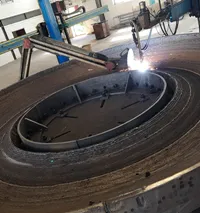
Reduced Material Consumption Through Extended Service Life of Chromium Carbide Wear Plates
High Wear Resistance Minimizes Replacement Frequency
In abrasive environments, chromium carbide wear plates last anywhere between three to five times longer compared to regular steel alloys. Take one coal processing plant in the Midwest as an example they managed to stretch their crusher liners from just 12 weeks to a full 36 weeks after switching to 40mm CCO plates that have these special vertically aligned carbides built into them. The unique microstructure direction actually cut down on how deep the material would gouge into the surface by about two thirds. That meant saving around 180 grand each year on replacements plus keeping roughly 12 tons of steel out of landfills every year according to Plant Maintenance Reports back in 2021.
Longevity Lowers Demand for Raw Material Extraction and Processing
The 300% lifespan extension in this case translates to 67% fewer plate replacements over a decade, significantly reducing demand for:
- Iron ore mining (2.8 tonnes saved per replaced liner)
- Carbon-intensive alloy production (13.6 MWh savings per tonne of steel)
- Transportation logistics (84% fewer truckloads for deliveries)
Case Study: Mining Conveyor Systems Cut Steel Waste by 68% with CCO Plates
A gold mine replaced short-lived chute liners with tungsten-carbide-reinforced chromium plates, increasing liner life from 8 to 42 weeks—a 525% improvement. Over 18 months, this eliminated 14 full liner replacements per chute, reducing:
- Steel consumption by 19.2 tonnes
- Cutting/welding waste by 68%
- Annual disposal costs by $32,919
Lifecycle Planning with Durable Carbide Wear Plates Reduces Environmental Footprint
Integrating chromium carbide plates into lifecycle strategies enables industries to achieve 23–41% reductions in Scope 3 emissions tied to material use. A 10-year total cost of ownership (TCO) analysis shows durability-focused designs prevent 840 tonnes of CO₂ equivalents per 100 tonnes of installed wear plates through avoided manufacturing and transport cycles.
Lower Carbon Emissions from Reduced Manufacturing and Transport Cycles
Fewer Replacements Mean Less Energy in Production and Logistics
Chromium carbide wear plates reduce replacement frequency by 3–5× compared to conventional steel, directly lowering energy use in production and logistics. For example, AI-driven route optimization in material transport cuts unnecessary mileage by 18–22%, reducing associated CO₂ emissions by 740 metric tons annually for medium-scale operations (AJOT 2023).
Case Study: Cement Plant Cuts CO₂ Emissions by 45% in Liner Logistics
A European cement producer reduced transport-related emissions by 45% over four years by extending liner service intervals from 8 to 22 months. Key measures included consolidated deliveries (67% fewer truck shipments) and shifting 85% of inbound heavy-component logistics to rail transport.
Aligning Procurement with Carbon Reduction Goals Using Durable Carbide Wear Plates
Seventy-two percent of heavy industries now link equipment longevity to Scope 3 emission targets (2024 Industrial Logistics Survey). By standardizing carbide wear plates in high-abrasion applications, procurement teams achieve 12–15% annual emission reductions.
Industry Trends Favor Long-Life Materials to Meet Environmental Standards
Regulatory pressure and green logistics adoption drive demand for wear-resistant materials. The global market for durable industrial liners is projected to grow at 6.8% CAGR through 2030, with 41% of buyers citing emissions compliance as their primary purchasing factor (MarketWatch 2024).
Minimized Industrial Waste and End-of-Life Disposal Burden
Wear Resistance Significantly Reduces Scrap Generation
Chromium carbide wear plates provide 8–10× greater abrasion resistance than mild steel, maintaining wear rates below 0.5 mm/year in coal handling systems. With hardness ratings between 58–64 HRC, they reduce replacement-induced scrap by 42% in heavy mining equipment (US Department of Energy 2023).
Extended Service Intervals Decrease Solid Waste Output
Cement plant trials show carbide overlay plates extend conveyor liner lifespans from 9 to 38 months—a 322% increase—preventing 23 tonnes/year of steel disposal per 100m of conveyor while maintaining <1% operational material loss.
Case Study: Power Plant Cuts Ash Handling Waste by 60% Using HIC Plates
A German energy provider implemented high-impact chromium (HIC) carbide plates in fly ash conveyors, extending liner replacement intervals from quarterly to once every three years. Over five years, this eliminated 217 tonnes of worn plate waste—equivalent to 14 standard dumpsters—and helped meet EU industrial waste reduction targets.
Balancing Recycling Challenges with Virgin Material Savings
Although recycling carbide plates requires specialized thermal processing, their extended service life offsets 14.7 tonnes of virgin steel consumption per installed tonne over ten years. Expanding Extended Producer Responsibility (EPR) policies now influence 67% of manufacturers to prioritize product durability over end-of-life recyclability in material selection (International Resource Panel 2023).
Energy Efficiency Gains from Stable Performance of Chromium Carbide Overlay Plates
Chromium Carbide Overlay (CCO) wear plates improve energy efficiency by minimizing equipment strain and maintaining consistent system performance. Their hardened surface sustains uniform friction coefficients, preventing power spikes caused by uneven wear in crushers, conveyors, and grinding mills.
Reduced Downtime Enhances Operational Energy Efficiency
Liner wear often necessitates 10–24 hours of unplanned downtime, followed by energy-intensive restart procedures. In cement kiln applications, CCO plates last 4–8× longer than mild steel liners, eliminating 80% of these maintenance events (Minerals Processing Journal 2023).
Consistent Surface Integrity Maintains Equipment Efficiency
As liners degrade, motor loads can rise by up to 18% due to disrupted material flow. CCO's uniform carbide matrix preserves original clearance tolerances for over seven years, keeping drag forces and kWh/ton ratios within 2% of initial benchmarks.
Case Study: Steel Mill Saves 18% in Energy per Tonne with CCO Liners
An Indonesian steel producer reduced rolling mill energy consumption from 42 kWh/t to 34.4 kWh/t after switching to carbide wear plates, according to a 2024 Industrial Energy Report. This 18% improvement cut annual CO₂ emissions equivalent to removing 640 combustion-engine vehicles from the road.
Sustainable Investment: Total Cost of Ownership and ROI of Carbide Wear Plates
Long-Term Cost Efficiency Supports Sustainability Adoption
Carbide wear plates deliver 5–7× longer service life than conventional steel, reducing annualized costs by 35–50%. A 2023 abrasion resistance study found facilities using chromium carbide overlay (CCO) plates required maintenance 68% less frequently than those with AR400 steel, aligning capital spending with long-term sustainability goals.
Economic Incentives Drive Uptake of Environmentally Beneficial Technologies
Forward-thinking operators achieve dual ROI—financial and environmental—by adopting carbide solutions. Plants that reduce annual steel consumption by 8–12 metric tons through CCO plates see an average 248% return on investment over five years (2024 Total Cost of Ownership analysis). Government tax credits for emissions-reducing technologies further accelerate payback timelines.
Case Study: Aggregate Producer Achieves 3.2-Year Payback with 7-Year Lifespan
A Texas gravel operation reduced annual liner costs from $182,000 to $53,000 after installing chromium carbide plates in 2021. The $329,000 upgrade eliminated 14 planned downtime days per year and cut steel scrap generation by 81%. Projected savings over the 7-year lifespan exceed $1.2 million.
Using TCO Models to Justify Green Upgrades in Industrial Settings
Lifecycle cost analysis reveals carbide wear plates offer 40% lower total costs than traditional options over 10+ years. When factoring in energy savings from reduced equipment friction (up to 18%) and waste disposal reductions (up to 72%), CCO solutions remain economically viable even with 25% higher initial investment (Petrolinetech TCO Benchmarks).
Regulatory Compliance and Industry Leadership Through Advanced CCO Solutions
Early adopters of high-performance carbide plates gain a strategic advantage in meeting tightening EPA standards for industrial waste (RCRA Subtitle C) and embodied carbon thresholds. Over 83% of surveyed plants using CCO liners report exceeding their Scope 3 emissions reduction targets, positioning them as leaders in sustainable industrial operations.
FAQ Section
What is the main benefit of using chromium carbide wear plates?
Chromium carbide wear plates offer extended service life, reducing the need for frequent replacements and minimizing raw material consumption.
How do these wear plates impact carbon emissions?
They reduce carbon emissions through fewer manufacturing and transport cycles due to their durability, which decreases energy usage in production and logistics.
Are chromium carbide wear plates environmentally friendly?
Yes, they significantly lower industrial waste and provision for emissions compliance, aligning with environmental standards.
What are the economic benefits of using chromium carbide wear plates?
The wear plates provide cost efficiency in the long term, reducing annual costs and enhancing return on investment through reduced maintenance and operational downtime.
Table of Contents
- Reduced Material Consumption Through Extended Service Life of Chromium Carbide Wear Plates
- Lower Carbon Emissions from Reduced Manufacturing and Transport Cycles
- Minimized Industrial Waste and End-of-Life Disposal Burden
- Energy Efficiency Gains from Stable Performance of Chromium Carbide Overlay Plates
-
Sustainable Investment: Total Cost of Ownership and ROI of Carbide Wear Plates
- Long-Term Cost Efficiency Supports Sustainability Adoption
- Economic Incentives Drive Uptake of Environmentally Beneficial Technologies
- Case Study: Aggregate Producer Achieves 3.2-Year Payback with 7-Year Lifespan
- Using TCO Models to Justify Green Upgrades in Industrial Settings
- Regulatory Compliance and Industry Leadership Through Advanced CCO Solutions
- FAQ Section