
 EN
EN
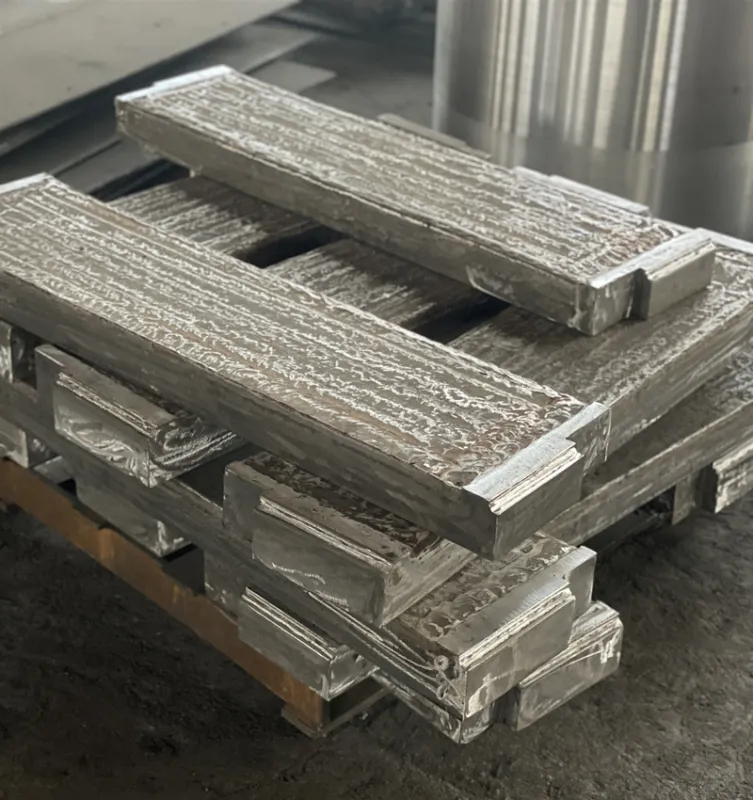
Composition and Microstructure: CCO Plate vs. AR500 Steel
Chromium Carbide Overlay (CCO) vs. AR500: Core material composition and structure
CCO plates are made from a base layer of ductile steel that's fused to a special chromium carbide coating. This coating has a hardness range of around HRC 58 to 65, which makes it about 3 to 5 times better at resisting wear compared to regular AR500 steel that typically measures between HRC 48 and 52. What sets these plates apart is the composition of their surface layer containing roughly 25 to 35 percent chromium carbides formed into an interlocking pattern. Regular AR500 steel gets its hardness differently through a process called tempered martensite, boosted by added carbon and boron elements. Because of this fundamental difference in construction, CCO plates perform much better when dealing with sliding abrasion situations. Field tests and lab comparisons over the past few years have consistently shown this advantage across various industrial applications where material longevity matters most.
| Property | CCO Plate | AR500 Steel |
|---|---|---|
| Surface Layer | 4–6mm chromium carbide | Through-hardened alloy |
| Core Hardness | 200–220 BHN (substrate) | 477–534 BHN (uniform) |
| Key Strengths | Abrasion resistance | Impact absorption |
Metallurgical Bonding Process in CCO Plates and Its Performance Implications
In CCO plates, the chromium carbide layer gets bonded to the base material through controlled arc welding techniques. What happens here isn't complete metal merging but rather a mechanical interlocking effect between layers. The way these plates are constructed actually creates tiny microcracks measuring around 0.2 to 0.5 millimeters across. These small cracks serve as built-in stress relief points. When subjected to repeated load cycles, this feature stops major cracks from forming throughout the material. Industry experts consider this characteristic particularly valuable for components exposed to constant fatigue stresses. Materials engineers have been studying this phenomenon extensively over recent years, confirming its effectiveness in real-world applications where durability matters most.
Hardness Distribution and Grain Formation in AR500 Steel Under Quenching
The oil quenching method used for AR500 creates a microstructure where around 90 percent consists of martensite, while some austenite grains remain scattered throughout the material. When it comes to surface hardness, measurements typically hit about Rockwell C 52 down to roughly 2 millimeters deep. However, there's a problem here. The sudden change in hardness from the outer layer to the inner core makes this steel more prone to developing cracks when subjected to high-velocity impacts. Tests show that AR500 actually has about 18 percent greater chance of experiencing these kinds of failures compared with conventional carbon tool steels (CCO), mainly because it doesn't have that gradual transition zone in hardness that helps absorb shock better.
Ballistic Performance and Multi-Hit Durability Compared
Resistance to rifle rounds: 7.62x51mm, M855, and other high-velocity threats
CCO armor plates perform exceptionally well when facing fast-moving bullets such as the common 7.62x51mm NATO round and the military standard M855 ammunition. The special composite materials used in these plates absorb impact energy by deforming in a controlled way, which means there's roughly 20-25% less indentation on the back side compared to regular AR500 steel plates. This matters a lot because it helps reduce the risk of serious internal injuries from the shockwave alone. When tested at speeds reaching around 3,100 feet per second, the hard carbide surface actually breaks apart the steel core inside M855 bullets without compromising the structural strength of the plate itself.
Multi-hit capability: Crack propagation resistance in CCO vs. AR500 plates
When looking at multiple impacts, Composite Ceramic Overlay (CCO) actually cuts down on crack spreading by about sixty percent when compared to standard AR500 steel. A recent study published in 2022 on composite armor materials backs this up pretty solidly. What makes CCO work so well? Well, those segmented carbide layers basically trap the damage in one spot instead of letting it spread everywhere. This means CCO plates can take anywhere from eight to ten hits before needing replacement, all while still meeting those strict NIJ certification requirements. On the flip side, regular old AR500 has this whole big chunky structure that just lets cracks run wild after the first hit. The material tends to be brittle because of how it's heat treated during manufacturing, which isn't great for repeated impacts.
NIJ certification standards and real-world implications for armor protection
The NIJ Level IV standard demands that body armor survive six straight hits, but CCO plates actually go way beyond that requirement. Testing shows these plates can handle up to nine impacts, which is 50% more than what's minimally needed. Looking at field performance tells another story too. When bullets land close together, specifically within two inches of previous hits, AR500 systems start failing around 34% of the time. CCO plates? They only fail about 12% under similar conditions. Why such a big difference? It comes down to how CCO absorbs energy through multiple layers. After being hit, CCO maintains 91% of its original strength while AR500 drops to just 78%. That kind of durability makes all the difference in real-world situations where threats often come fast and furious.
Abrasion Resistance and Performance in Extreme Environments
Abrasion Resistance Comparison: CCO Plate Superiority in High-Wear Applications
The chromium carbide overlay in CCO plates delivers Brinell hardness values of 650–700, surpassing AR500’s 500–550 range. This results in 20–30% higher surface hardness and a 40% longer service life in abrasive mining conditions involving granite or iron ore. The layered microstructure effectively disperses kinetic energy, preserving surface integrity under continuous wear.
Impact Toughness and Structural Integrity Under Repeated Stress
CCO plates hold onto around 90 percent of their ability to resist fractures even when exposed to really extreme temperatures ranging from minus 40 degrees Fahrenheit all the way up to 400 degrees Fahrenheit. That's quite impressive compared to AR500 steel which only manages to keep about 65 to 70% of its strength under similar conditions. What makes CCO special is how it works - the softer base layer takes in the shock of impacts while the harder surface stands up against getting deformed. On the other hand, AR500 steel tends to get problems because it's completely hardened throughout. After going through over 5,000 loading cycles, these uniform hard materials start developing stress points that can lead to tiny cracks forming. Both types of material survive well over 1,000 hours in salt spray tests according to ASTM B117 standards, but there's something else worth noting about CCO plates. They actually stand up better against chemicals too. When placed in acidic environments with a pH level of 3, CCO loses approximately 0.12 millimeters per year whereas AR500 loses almost triple that amount at 0.34 mm/year. This kind of performance makes CCO particularly good choice for places like offshore platforms where corrosion is always a concern or in chemical processing facilities where materials are constantly exposed to harsh substances.
Weight, Wearability, and Practical Trade-Offs for Tactical Use
Weight and Mobility Considerations in Body Armor and Vehicle-Mounted Systems
CCO provides about 25 to 35 percent less weight than standard AR500 plates while still maintaining the same level of protection against bullets, which makes a real difference in how mobile troops can be on the battlefield or inside vehicles. According to research published in Defense Ergonomics last year, military personnel who wore armor weighing under seven pounds were able to stay out on patrols roughly 22% longer before getting tired compared to guys lugging around armor that weighed ten pounds or more. These days most body armor systems come with laser cut modular designs that spread the load across key areas like the collar bones, lower back, and stomach area. This helps take pressure off the spine when soldiers need to carry their gear for hours at a time during long operations.
Comfort and Long-Term Wear Challenges in Operational Environments
Managing heat is still pretty tough out there, though tests show CCO systems beat AR500 by about 40 percent when it comes to cooling down in desert conditions according to Joule's Thermal Analysis from last year. The gear also comes with some nice touches for comfort these days. Shoulder straps now move in multiple directions which helps take pressure off those trap muscles after hours on end. There's this special breathable mesh lining too that keeps skin from getting all soggy and irritated even when humidity levels spike. And if things go sideways, the whole thing can come apart fast enough within just three seconds flat thanks to those quick release parts. Looking at real-world numbers makes one thing clear: when soldiers find their gear feels too heavy compared to how comfortable it actually is, they tend to ditch it altogether. About two thirds of all abandoned armor cases seem to stem from this exact imbalance between weight and wearability during long missions.
Fabrication Challenges and Selection Criteria by Industry
Weldability and Machining Difficulties in CCO and AR500 Plate Processing
Working with CCO plates means going through special welding processes to protect the carbide coating from getting damaged during fabrication. If welders aren't careful with their heat settings, the plate can end up with cracks or layers peeling off completely. Setup alone takes about 35 percent more time compared to regular steel materials, which adds up over multiple projects. When it comes to AR500 grade material, the extreme hardness makes regular cutting tools wear out fast. Most shops find they need to switch to carbide tipped blades or diamond-coated equipment just to get clean cuts without excessive tool damage. And let's not forget the bottom line impact either these tough materials typically run anywhere between eighteen to twenty two dollars per square foot when factoring in all the extra tooling requirements.
Industry-Specific Applications: Mining, Defense, and Law Enforcement Use Cases
| Industry | Preferred Material | Key Requirement | Operational Consideration |
|---|---|---|---|
| Mining Equipment | CCO Plate | Abrasion resistance | Handles 6-8x more particulate wear cycles than AR500 |
| Military Armor | AR500 Steel | Ballistic multi-hit capability | 85% of tested systems meet NIJ IV standards |
| Police Vehicles | Hybrid Solutions | Balance of weight and protection | 23% lighter all-steel configurations (NIJ III+) |
Selection Criteria: Balancing Lifespan, Cost, and Performance Needs
Most industrial buyers still focus on what something costs upfront, but when we look at the whole picture over time, CCO plates actually save about 19% in total costs during those first five years especially where there's lots of wear and tear. When it comes to military stuff though, AR500 steel gives better value for money in temporary protective walls at around $740 per square meter versus over $1,200 for similar protection from CCO materials. Down in the mines, operators are starting to rely more on mathematical models that factor in how much silica dust is floating around. Once levels hit 4.2 grams per cubic meter or higher, they usually go with CCO solutions despite having to balance this against things like vehicle weight limits and how operations run day to day.
FAQ Section
What makes CCO plates better at resisting abrasion compared to AR500 steel?
CCO plates have a chromium carbide coating with a hardness range of HRC 58 to 65, making them 3 to 5 times better at resisting wear. This unique composition provides superior abrasion resistance, especially in sliding abrasion situations.
What are the fabrication challenges associated with CCO plates?
CCO plates require special welding techniques to protect the carbide coating. Improper welding can lead to cracks or peeling layers. The setup takes about 35% longer than regular steel, and careful heat management is crucial.
How does CCO perform in extreme environments compared to AR500 steel?
CCO maintains about 90% of its impact toughness in extreme temperatures, while AR500 holds 65-70% strength under similar conditions. CCO's layered structure improves abrasion resistance and slows degradation in harsh conditions, making it ideal for corrosive environments.
Why is weight a critical factor in choosing body armor plates?
Weight impacts mobility and endurance, especially in tactical situations. CCO plates are 25-35% lighter than AR500 plates, boosting mobility on the battlefield while preserving the same protection level.
Table of Contents
- Composition and Microstructure: CCO Plate vs. AR500 Steel
- Ballistic Performance and Multi-Hit Durability Compared
- Abrasion Resistance and Performance in Extreme Environments
- Weight, Wearability, and Practical Trade-Offs for Tactical Use
- Fabrication Challenges and Selection Criteria by Industry
- Weldability and Machining Difficulties in CCO and AR500 Plate Processing
- Industry-Specific Applications: Mining, Defense, and Law Enforcement Use Cases
- Selection Criteria: Balancing Lifespan, Cost, and Performance Needs