
 EN
EN
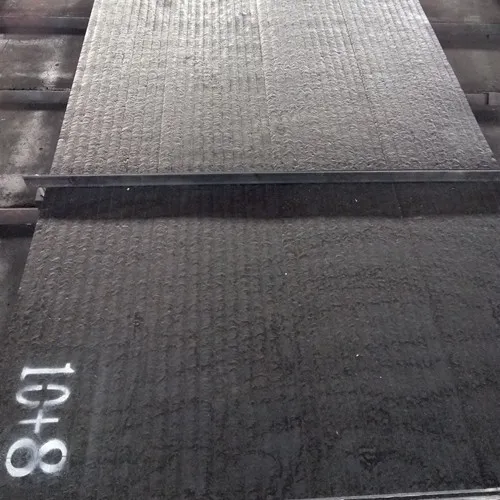
What Makes Abrasion Resistant Steel Plate Exceptionally Durable?
Hardness Grading (AR400, AR450, AR500) and Microstructural Foundations of Wear Resistance
Abrasion resistant steel plates get their amazing durability from controlled quenching and tempering processes which create a hardened martensitic structure inside the metal. After treatment, these plates typically reach hardness ratings between 400 to over 500 BHN, way beyond what we see in regular mild steel, yet they still maintain enough toughness in the base material to handle impacts without cracking. What makes this work so well is the dense network of interlocking martensite crystals that basically block those tiny abrasive particles from getting into the surface and wearing it away. Field tests show that this kind of steel can last almost 85% longer before showing signs of wear compared to standard materials when put through tough conditions like conveyor belts or mining operations where constant friction occurs.
Grading reflects optimized performance trade-offs:
- AR400: Ideal for moderate sliding abrasion (e.g., conveyor skirts and feed chutes), balancing wear resistance with formability and weldability.
- AR450: Offers enhanced hardness without sacrificing ductility—commonly used in hopper liners and transfer points subject to both impact and scouring.
- AR500: Maximizes surface hardness for severe gouging and repeated impact, such as crusher jaws, shredder hammers, and bucket cutting edges.
Retained austenite within the martensitic matrix further improves crack resistance and energy absorption, extending service life 1.5–2 times over non-heat-treated alternatives.
Balancing Hardness, Toughness, and Weldability in Real-World Applications
Hardness alone is insufficient—real-world durability requires careful balance across three interdependent properties:
| Property | Role in Durability | Trade-off Consideration |
|---|---|---|
| Hardness | Resists abrasion/scouring | Reduces ductility and impact tolerance |
| Toughness | Absorbs impact energy | Declines significantly above 500 BHN |
| Weldability | Enables reliable fabrication | Requires pre-heat (150–250°C), low-hydrogen electrodes, and post-weld stress relief to avoid cracking |
Modern AR steels maintain tensile strengths of 400–500 MPa while supporting bending, rolling, and welding—critical for complex assemblies like mining bucket liners and crusher bodies subjected to cyclic loading. These engineered compromises ensure structural integrity under dynamic, high-stress conditions—not just static hardness.
Critical Heavy-Duty Applications of Abrasion Resistant Steel Plate
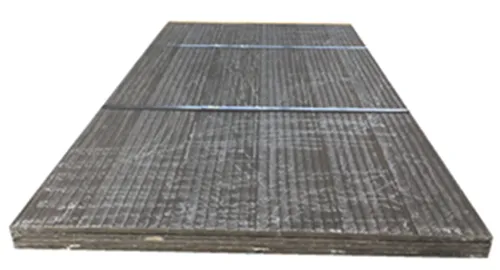
Mining & Quarrying: Liners, Chutes, Buckets, and Crusher Wear Parts
Mining and quarrying operations rely heavily on abrasion resistant steel plates as their first line of defense against the brutal wear caused by rocks, ores, and aggregates day after day. Crusher liners take the brunt of constant high energy impacts when breaking down rocks. Chute systems manage the flow of these abrasive materials while resisting thinning or gouging over time. Bucket liners last anywhere from 3 to 5 times longer than regular steel when handling ore loads. Look at conveyor transfer points specifically where material speed and angles create maximum wear problems. Steel in the AR400 to AR500 hardness range really stands up to this mechanical punishment. Field tests across various iron ore sites and aggregate operations show replacement needs drop between 40% and 60%. What does this mean practically? Less unexpected equipment shutdowns, reduced need for maintenance crews, and consistent production output despite the harsh conditions typical in such capital heavy industries.
Construction & Earthmoving: Bulldozer Blades, Hopper Bodies, and Loader Components
Heavy earthmoving machines depend on special wear-resistant steel plates to keep working properly in tough environments filled with dirt, rocks, and gravel. When bulldozer blades are built with AR450 grade steel, they stay sharper for much longer periods. Dump trucks benefit too since their hopper bodies don't get worn down so quickly after repeated loading and unloading operations. Loader buckets often have protective liners installed at critical spots such as the cutting edges and sides where friction is highest. Real world testing across construction sites indicates that this kind of reinforcement cuts down structural stress by around half, particularly noticeable in areas with lots of silica content in the soil. What makes these materials so effective is their unique combination of hardness and toughness which stops sudden cracks from forming during digging or land leveling tasks. This means less downtime for repairs and better overall performance from the machinery.
Measurable Operational Benefits and ROI from Abrasion Resistant Steel Plate
Extended Service Life (3–5 times), Reduced Downtime (40–60%), and Lower Lifecycle Costs
Steel plates designed to resist abrasion give real money savings because they're built to last through tough wear conditions. When put into action across demanding environments like rock crushers at mines or heavy-duty loader buckets, these components typically last anywhere from three to five times longer than regular carbon steel alternatives. The extended lifespan means significantly fewer unexpected breakdowns – around 40% to 60% reduction according to some studies – which matters a lot when every hour lost translates into potential losses exceeding seven hundred forty thousand dollars an hour as noted by research from Ponemon Institute back in 2023. Sure, the upfront price tag for abrasion resistant steel might be steeper initially, but looking at the big picture over time shows why many businesses still choose this option despite the higher first cost.
| Cost Factor | Standard Steel | AR Steel Plate | Reduction |
|---|---|---|---|
| Annual replacements | 4x | 1x | 75% |
| Maintenance downtime | 200 hours | 80 hours | 60% |
| 5-year total ownership | $1.2M | $0.7M | 42% |
A documented quarrying case study found that upgrading conveyor liners to AR steel reduced annual maintenance spend by 58% and extended operational cycles from 6 to 28 months—demonstrating how durability compounds into sustained productivity, cost control, and asset longevity.
Emerging and Cross-Industry Uses of Abrasion Resistant Steel Plate
Abrasion resistant steel plate finds its way into all sorts of industries where materials rub against equipment surfaces. Take farming for instance. Farmers using AR400 to AR450 grade steel for their harvesters and plows see these tools stay sharp longer, cutting down on replacements by around 30 to 40 percent when working through tough sandy or rocky ground. The transportation sector also gets a lot out of this material. Dump trucks and trailers take a beating from cargo impacts and road debris, but AR steel holds up better, slowing down the wear that makes metal thin and weak over time. Power plants need it too, especially for those coal handling systems and turbine parts that last about twice as long compared to regular carbon steel before needing maintenance. Paper mills install it in wood chipper liners and conveyor belts, while recyclers depend on it for shredding machines and grates that handle everything from scrap metal to old electronics. All these different uses across so many fields shows something pretty clear. These special steels just keep performing well even under harsh conditions, which explains why companies are turning to them more and more outside of the usual mining and construction applications.
FAQ
What are the primary grades of abrasion resistant steel plates?
The primary grades are AR400, AR450, and AR500. Each grade is optimized for different applications based on the balance between hardness, toughness, and weldability.
How does abrasion resistant steel plate improve cost efficiency?
The steel plate's durability reduces the frequency of replacements and maintenance, which leads to lower lifecycle costs and increased profitability.
What sectors benefit the most from abrasion resistant steel plate?
Industries such as mining, construction, farming, and transportation benefit significantly due to the plate's ability to withstand harsh abrasive conditions and extend the service life of equipment.