Electrode Wire: Essential Applications Across Industries
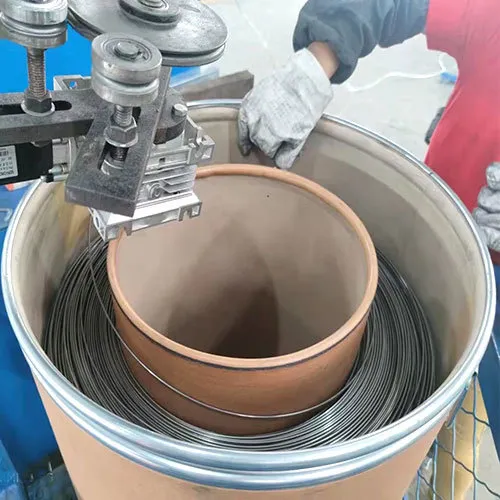
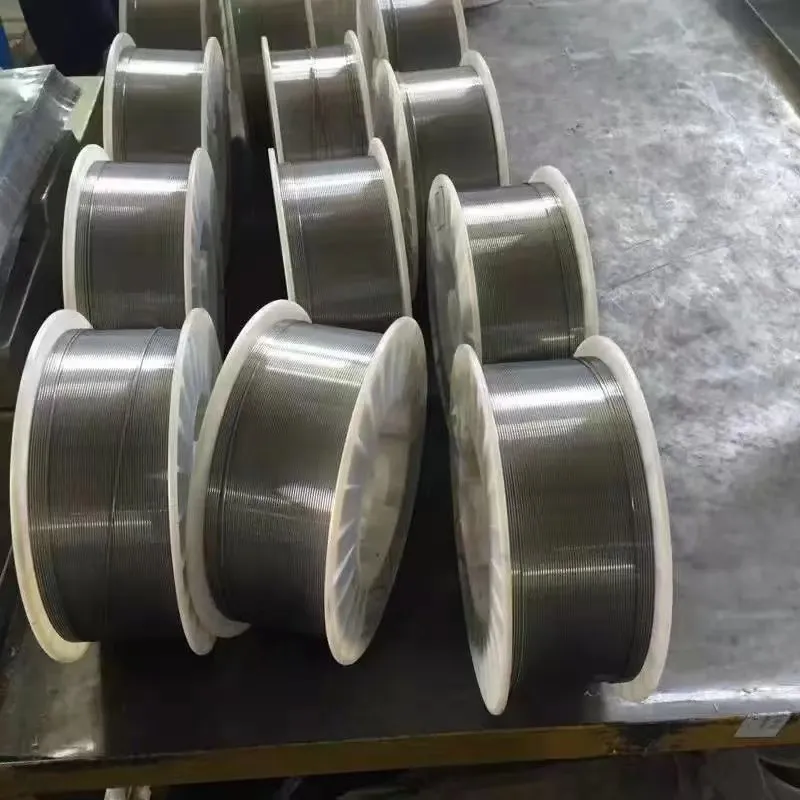
Electrode wires are critical components in industrial, medical, and technological fields, serving as conductive pathways for power transmission, welding, sensing, and energy conversion. Depending on their material composition (such as copper, tungsten, brass, or special alloys), electrode wires perform unique functions across various industries. This article will focus on the key application areas of electrode wires, highlighting their importance in modern manufacturing, energy systems, and advanced technologies.
1. Welding & Metal Fabrication
Electrode wires play a fundamental role in arc welding processes, including:
MIG (Metal Inert Gas) Welding — Using copper-clad steel or stainless steel wires (such as ER308LSi) for joining stainless steel, carbon steel, and aluminum, widely applied in automotive manufacturing, shipbuilding, and construction industries.
Tungsten Inert Gas (TIG) Welding — Tungsten electrodes (such as WP, WT-20) offer high heat resistance, making them suitable for precision welding in aerospace and pressure vessel manufacturing.
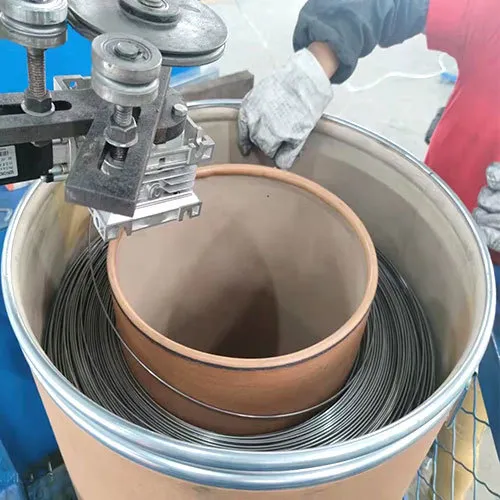
Submerged Arc Welding (SAW) — Flux-cored wires enable automated heavy-duty welding of pipes and structural steel.
2. Electrical Discharge Machining (EDM)
In precision machining, brass and copper electrode wires (such as CuZn37) are used for:
Wire-cut EDM (Electrical Discharge Machining) — cutting complex shapes in hardened metals for molds, stamping dies, and aerospace components.
Small-hole Drilling EDM — creating micro-holes in turbine blades and medical implants.
3. Medical & Implantable Devices
Specialized electrode wires enable critical medical applications:
Cardiac pacemakers – Platinum-iridium alloy or stainless steel wires are used in implantable defibrillators to transmit electrical signals.
Neuromuscular sensors – Helical PTFE-coated wires are used to record electromyography (EMG) signals in chronic muscle activity studies.

 EN
EN